Phosphatidylserine liposomes for Mycobacterium abscessus infections management in people with cystic fibrosis non-eligible for CFTR modulators
Tommaso Olimpieri, Noemi Poerio, Fabio Saliu, Nicola I. Lorè, Fabiana Ciciriello, Greta Ponsecchi, Federico Alghisi, Daniela M. Cirillo, Marco M. D’Andrea, Maurizio Fraziano

TL;DR
Phosphatidylserine liposomes reduce inflammation and improve bacterial killing in cystic fibrosis patients, even when they cannot use CFTR modulator therapy.
Contribution
Phosphatidylserine liposomes show therapeutic potential for Mycobacterium abscessus infections in cystic fibrosis patients ineligible for CFTR modulators.
Findings
PS-L reduced TNF-α and IL-1β production while inducing IL-10 release in Mab-infected macrophages.
PS-L enhanced antimycobacterial activity in macrophages from pwCF, regardless of ETI regimen.
Combining PS-L with amikacin improved bacterial clearance compared to single treatments.
Abstract
We previously demonstrated that phosphatidylserine liposomes (PS-L) reduce inflammation and enhance intracellular killing of Mycobacterium abscessus (Mab) in infected human macrophages, with functional or pharmacologically inhibited cystic fibrosis conductance regulator (CFTR). Here, we evaluated the in vitro therapeutic potential of PS-L in macrophages from people with cystic fibrosis (pwCF), either under therapeutic regimen or not with CFTR modulator therapy Elexacaftor/Tezacaftor/Ivacaftor (ETI). Results show that PS-L exerted an anti-inflammatory effect in Mab infected macrophages, reducing TNF-α and IL-1β production and inducing IL-10 release at early and late time points, respectively. In addition, PS-L significantly increased antimycobacterial activity in macrophages from pwCF either undergoing or not ETI regimen. Importantly, in ETI-ineligible pwCF, PS-L alone still was capable…
Genes, proteins, chemicals, diseases, species, mutations and cell lines named across the full text — each resolved to its canonical identifier and authoritative record.
Click any figure to enlarge with its caption.
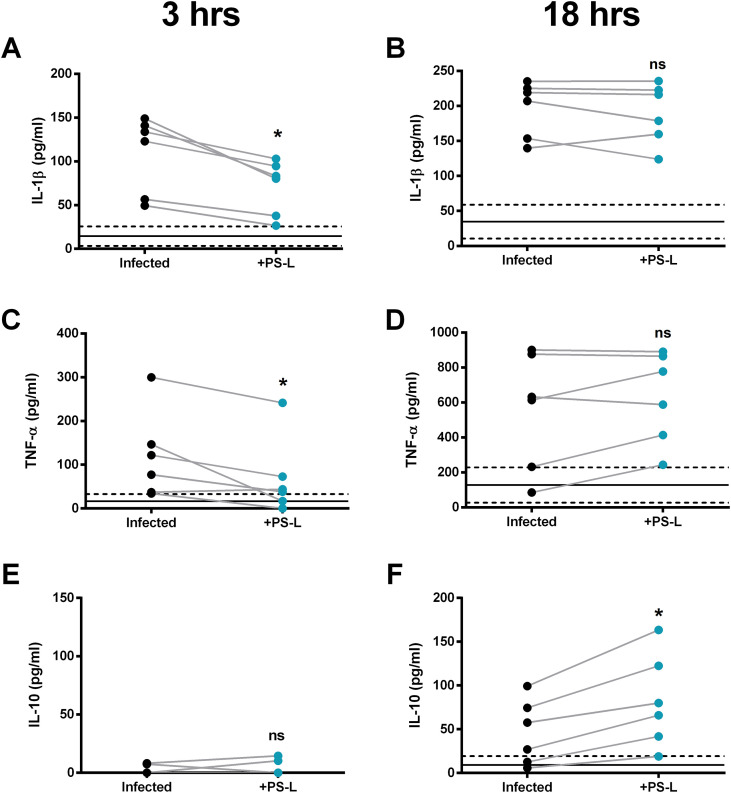 Figure 1
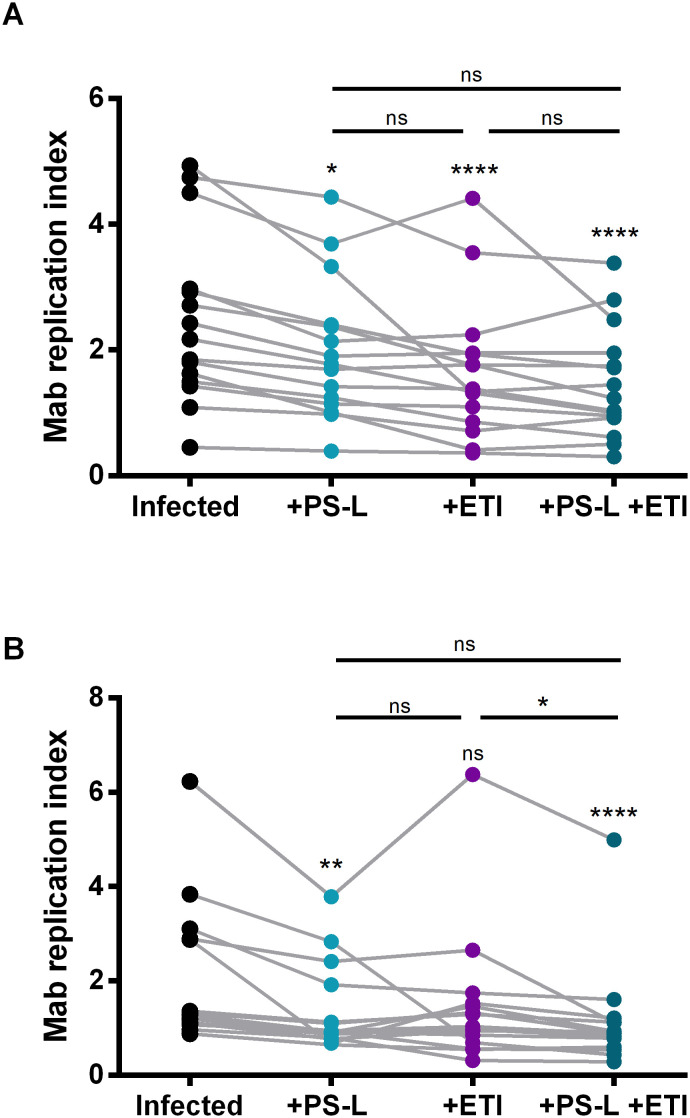 Figure 2
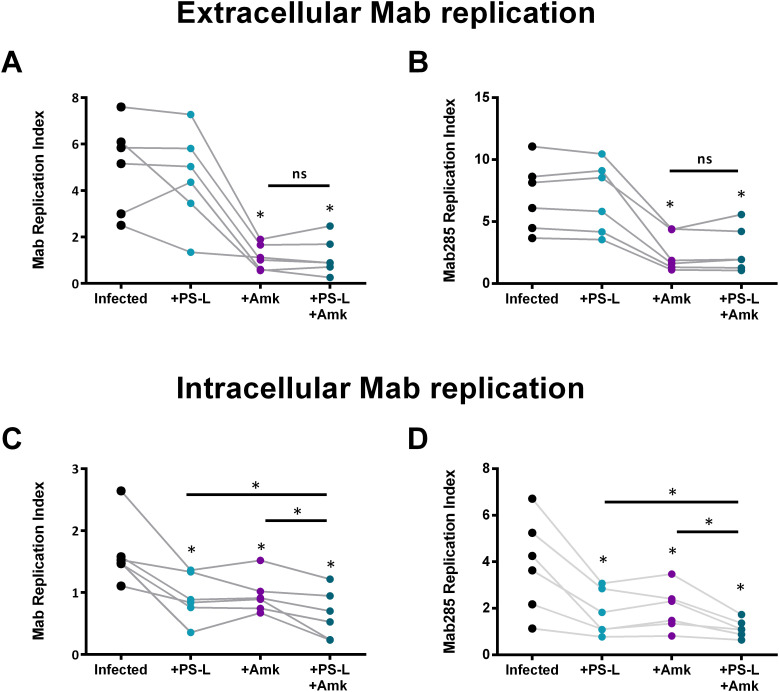 Figure 3
Peer Reviews
No public reviews on file for this paper yet. If you reviewed it on a platform where reviews are public (OpenReview, ICLR, NeurIPS, ICML), you can paste yours below so the community can read it here.
Videos
No videos yet. Explain this paper in a talk, walkthrough, or lecture? Add one.
Taxonomy
TopicsTuberculosis Research and Epidemiology · Mycobacterium research and diagnosis · Cystic Fibrosis Research Advances