Thinking with and between social orders: Corporate embedded colleges and their public rivals
Morten Hansen

TL;DR
This paper explores how corporate-run colleges and public universities can learn from each other to improve international student training programs.
Contribution
The study introduces a novel comparative analysis of corporate and public higher education models to identify potential alternatives to market-driven approaches.
Findings
Corporate embedded colleges partner with public universities to train international students.
Public institutions can outcompete corporate models by leveraging their unique strengths.
Collaboration between public and private entities reveals new educational possibilities.
Abstract
Scholars have argued that corporatisation is antithetical to higher education’s educational purposes. In this article, I complicate such claims by considering how higher education institutions develop concrete alternatives once a private coordination mode emerges as the dominant order. I also aim to show how we can use concrete practices and their content, purpose and structure to reveal alternatives to current market forms. By drawing on pertinent interviews and documents, I undertake a comparative analysis of the order of England’s corporate embedded colleges. Corporate embedded colleges are run by private companies in partnership with public universities. The purpose is to recruit and train international students for university preparatory programmes. I compare these colleges with three rival public orders: the University Pathways Alliance, in-house programmes, and the Northern…
Click any figure to enlarge with its caption.
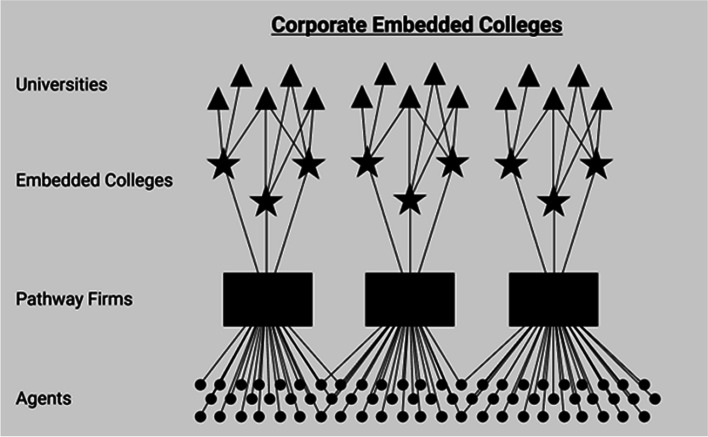 Figure 1
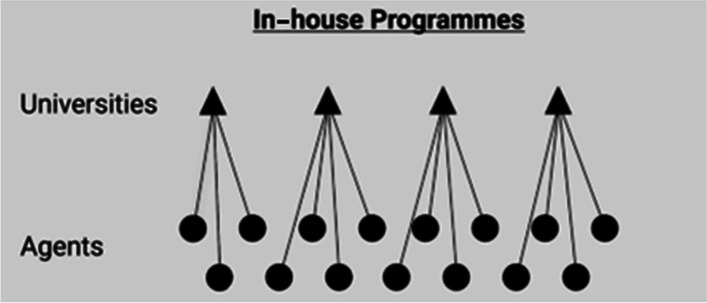 Figure 2
 Figure 3
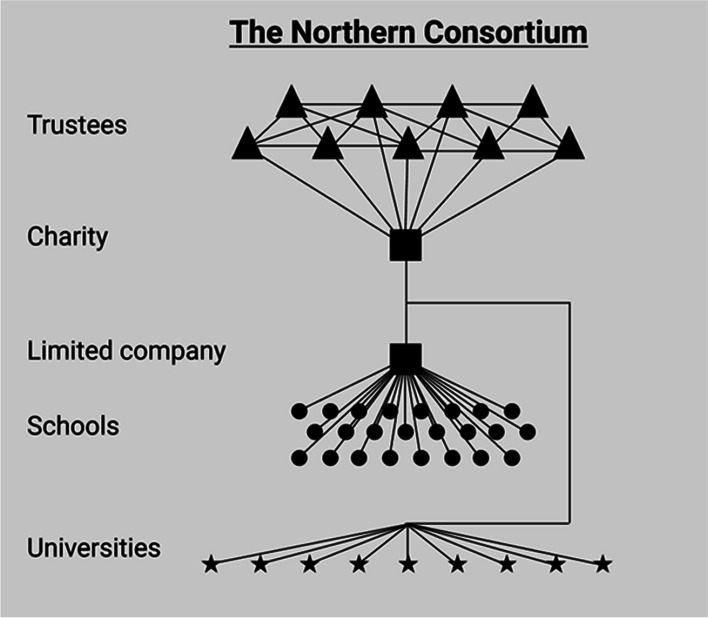 Figure 4
Peer Reviews
No public reviews on file for this paper yet. If you reviewed it on a platform where reviews are public (OpenReview, ICLR, NeurIPS, ICML), you can paste yours below so the community can read it here.
Videos
No videos yet. Explain this paper in a talk, walkthrough, or lecture? Add one.
Taxonomy
TopicsHigher Education Governance and Development · Management and Organizational Studies · Higher Education Practises and Engagement