Single-Cell Transcriptomic Characterization of DNCB-Induced Mouse Model Reveals Atopic Dermatitis-Associated Skin Lesions in Skin Microenvironment
Wenxiang Liu, Zhuoya Qiu, Jialei Fu, Lijing Hou, Xiaoyan Ding, Haitao Du, Yanhong Zhai, Zheng Cao, Ping Wang, Cheng Wang

TL;DR
This study uses single-cell RNA sequencing to map immune and skin cell changes in a mouse model of atopic dermatitis, revealing insights into disease mechanisms and validating the model's relevance to human AD.
Contribution
The study provides the first comprehensive single-cell transcriptomic atlas of a DNCB-induced atopic dermatitis mouse model.
Findings
DNCB exposure caused immune infiltration with Th2/Th17-skewed T cells, monocytes, macrophages, and inflamed endothelial cells.
Keratinocytes showed depletion, hyperproliferation, apoptosis, and differentiation defects, while fibroblasts exhibited impaired maturation and pro-inflammatory states.
Monocytes were identified as dominant signaling hubs in intercellular communication within the AD skin microenvironment.
Abstract
Atopic dermatitis (AD) is a chronic inflammatory skin disorder characterized by complex cellular heterogeneity. While several studies have begun to characterize the single-cell transcriptomic landscape of human AD, comparable high-resolution data from widely used mouse models remain lacking. Here, we employed single-cell RNA sequencing to profile skin from a 2,4-dinitrochlorobenzene (DNCB)-induced AD mouse model, which recapitulates key pathological features of human AD and is frequently used for mechanistic and therapeutic investigations. In this study, we identified 21 transcriptionally distinct clusters encompassing 11 major cell types. DNCB exposure resulted in robust immune infiltration, including Th2/Th17-skewed T cells, monocytes, macrophages, and inflamed endothelial cells. Keratinocytes were depleted and exhibited hyperproliferation, apoptosis, and differentiation defects,…
Genes, proteins, chemicals, diseases, species, mutations and cell lines named across the full text — each resolved to its canonical identifier and authoritative record.
Click any figure to enlarge with its caption.
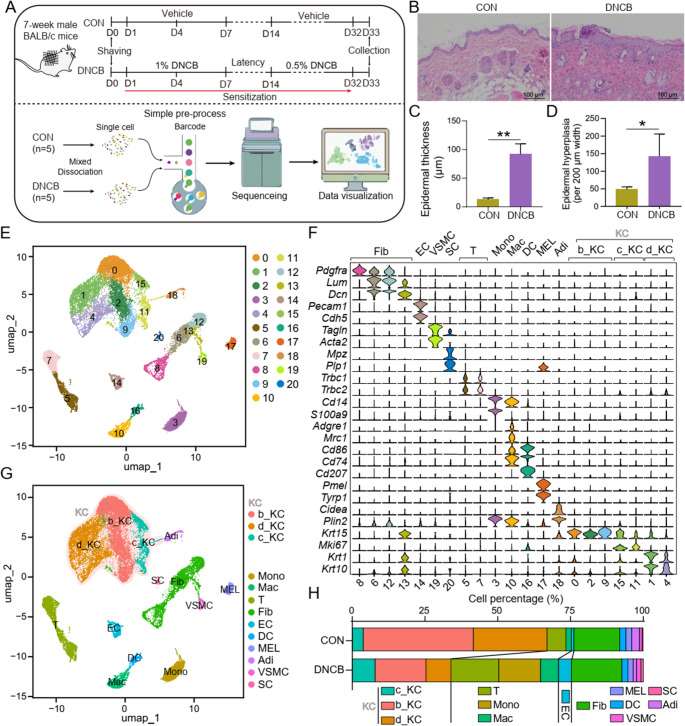 Figure 1
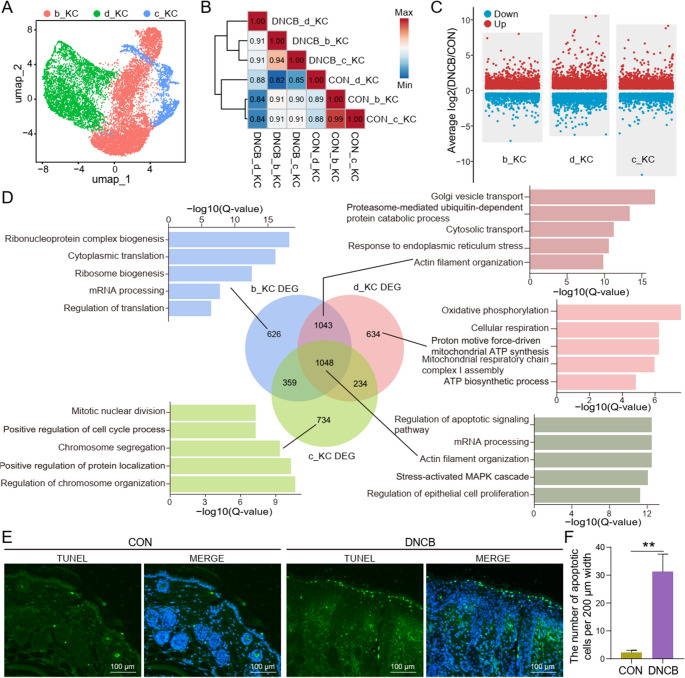 Figure 2
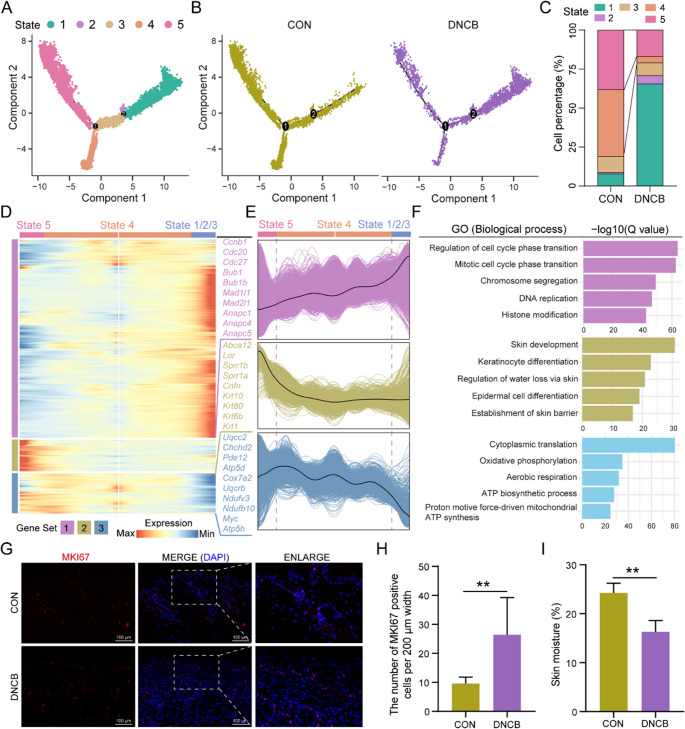 Figure 3
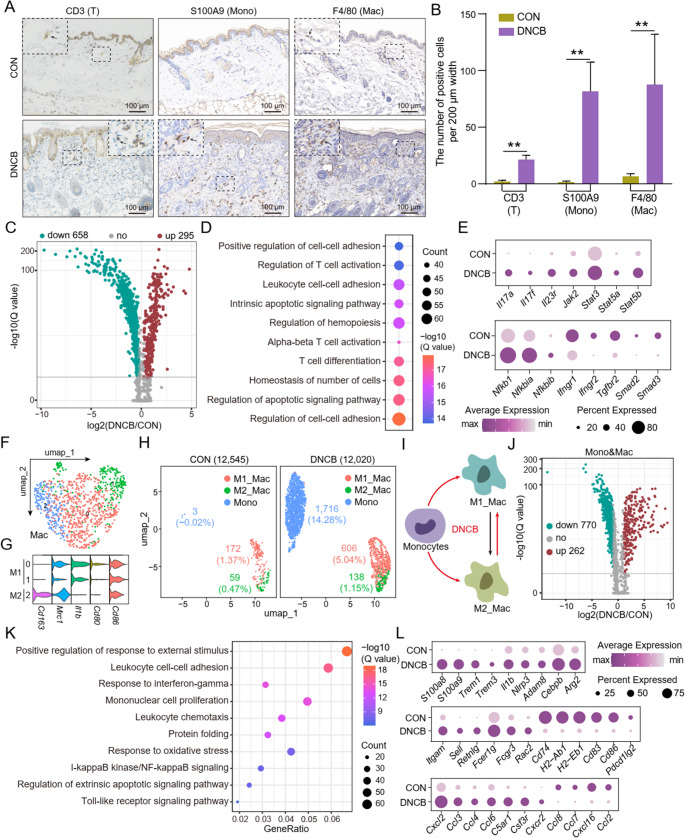 Figure 4
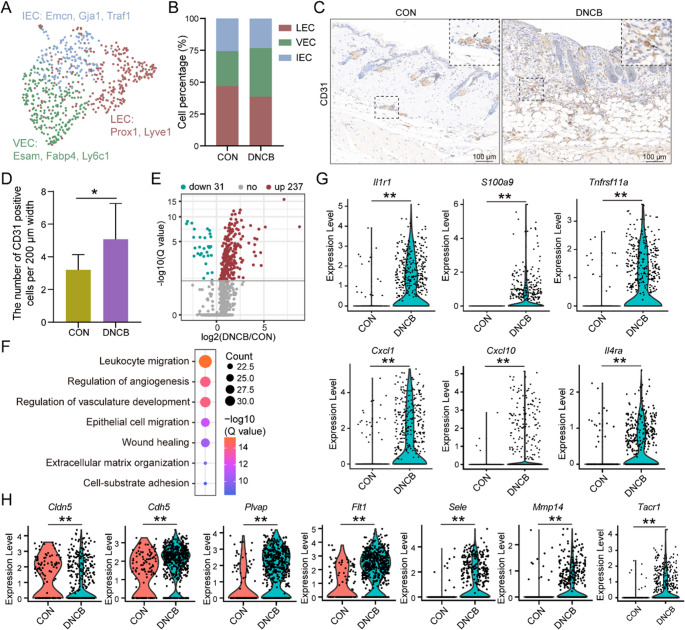 Figure 5
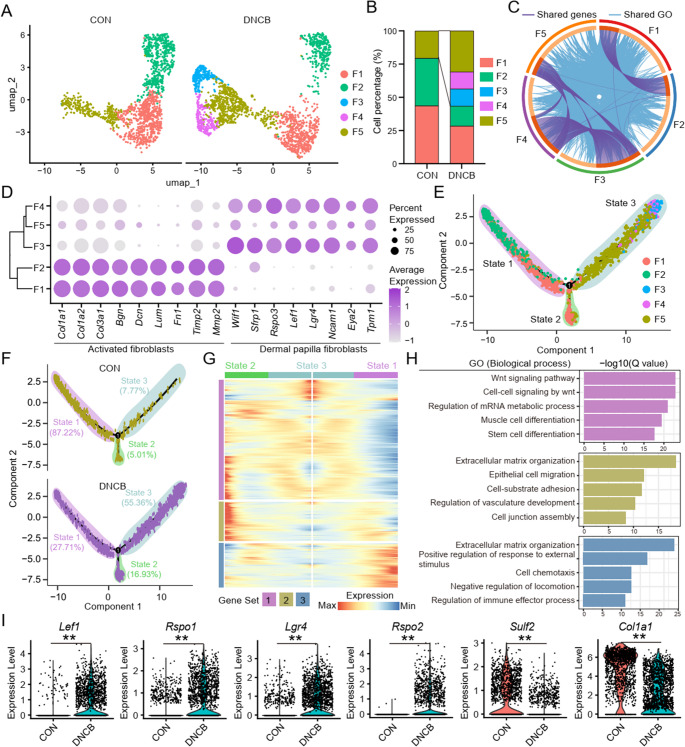 Figure 6
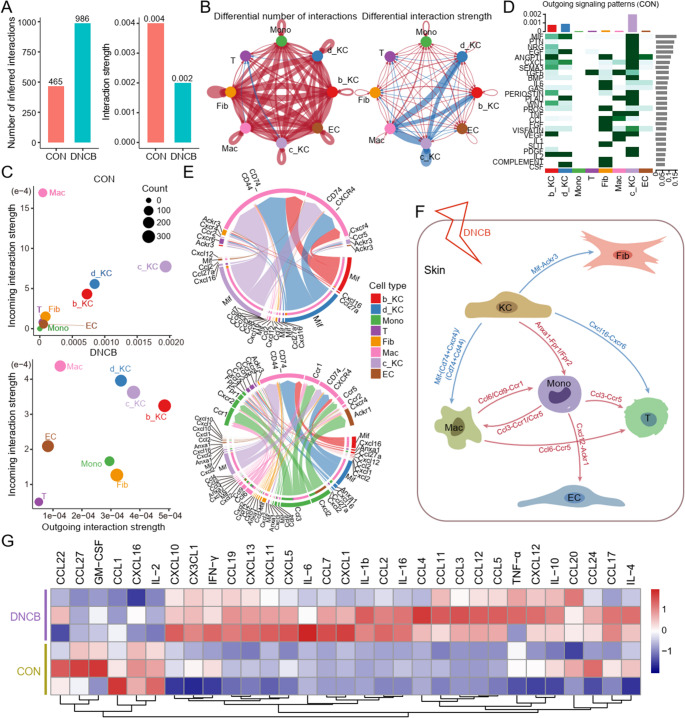 Figure 7
Peer Reviews
No public reviews on file for this paper yet. If you reviewed it on a platform where reviews are public (OpenReview, ICLR, NeurIPS, ICML), you can paste yours below so the community can read it here.
Videos
No videos yet. Explain this paper in a talk, walkthrough, or lecture? Add one.
Taxonomy
TopicsDermatology and Skin Diseases · Psoriasis: Treatment and Pathogenesis · Skin Protection and Aging