Enhancement of LTE and NR systems through efficient physical cell identity allocation
Samar I. Farghaly, Hala M. Khayal, Ibrahim M. Algohary, Mahmoud A. Eissa, Marwan H. Elsheikh, Passant E. Alnashar, Rana S. Alfakhrany, Roqaya S. Alkhuoty, Ahmed S. Abo-Alsayed

TL;DR
This paper improves mobile network performance by optimizing how cell identities are assigned to reduce interference and improve reliability.
Contribution
The paper introduces advanced automated methods like graph coloring and clustering for efficient PCI allocation in LTE and NR systems.
Findings
Modern techniques reduce identity conflicts by up to 80% compared to traditional strategies.
Signal quality and handover success rates improve significantly with the proposed methods.
Metaheuristic approaches like BRKG and ILP generate near-optimal PCI plans in complex networks.
Abstract
As mobile communication systems continue to evolve to support higher data rates, ultra-low latency, and greater reliability, the effective management of Physical Cell Identities (PCI) becomes increasingly important. The pool of available identifiers is limited—504 in fourth-generation networks and 1008 in fifth-generation networks—so reuse of these identities is unavoidable. Improper reuse can lead to collisions and confusion, resulting in interference, failed handovers, and reduced network throughput. This work addresses these challenges by exploring advanced automated techniques for optimizing PCI. We model the network as a graph, where each cell is represented as a vertex and interference relationships between cells are represented as edges. Using this approach, we implement graph coloring algorithms, including a maximum degree first coloring method, to efficiently assign identifiers…
Genes, proteins, chemicals, diseases, species, mutations and cell lines named across the full text — each resolved to its canonical identifier and authoritative record.
Click any figure to enlarge with its caption.
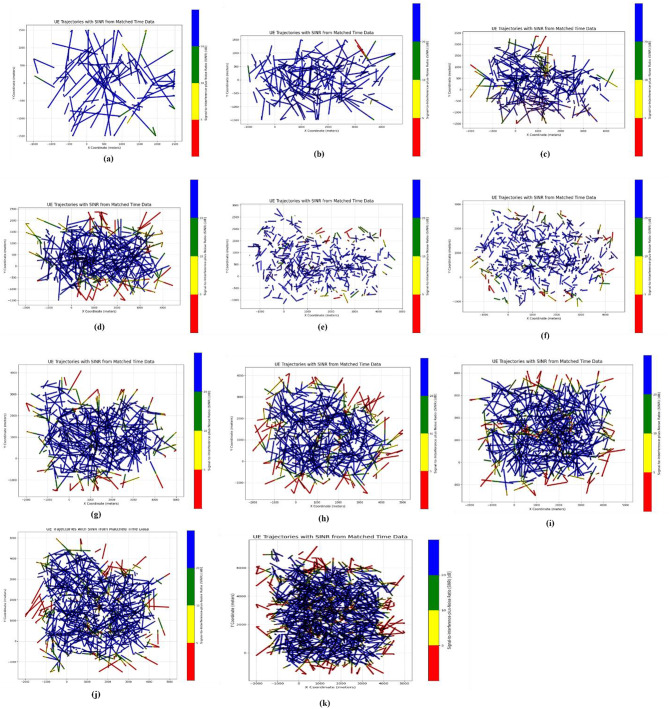 Figure 10
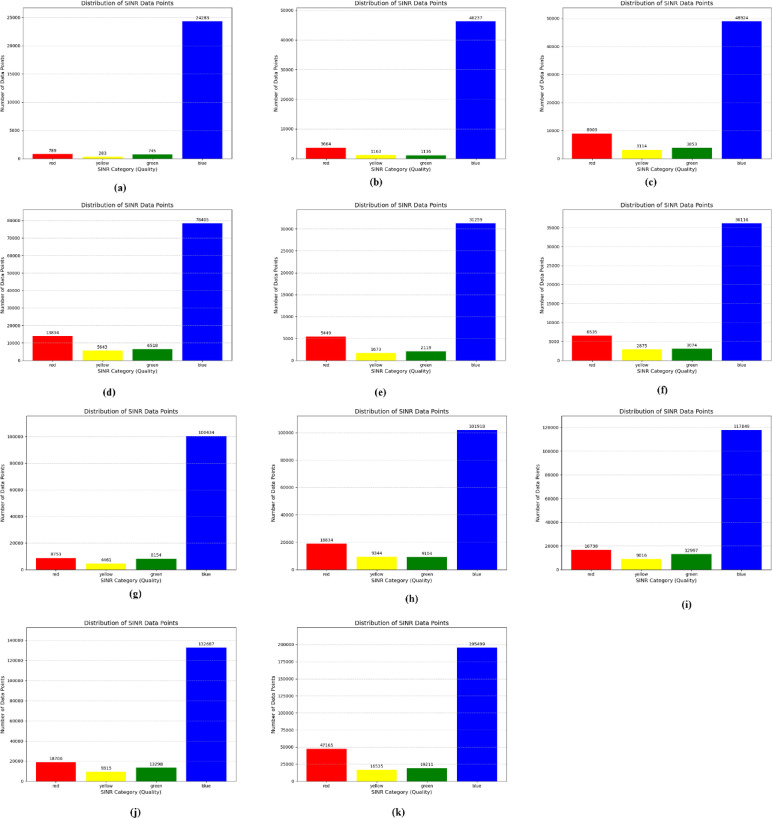 Figure 11
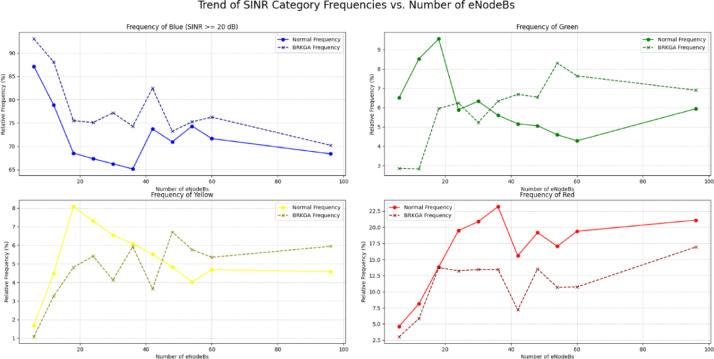 Figure 12
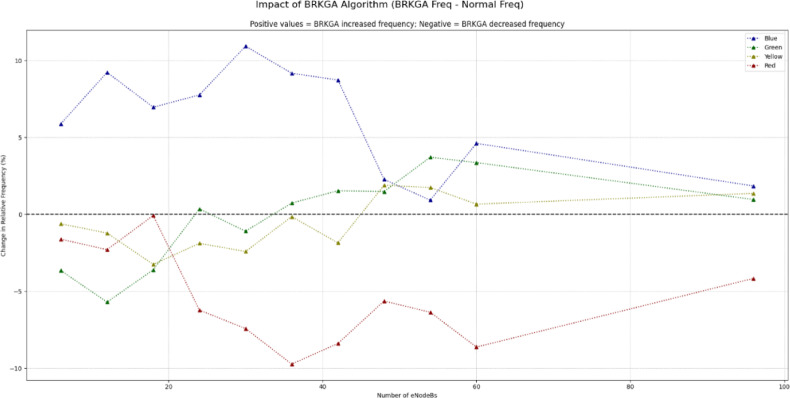 Figure 13
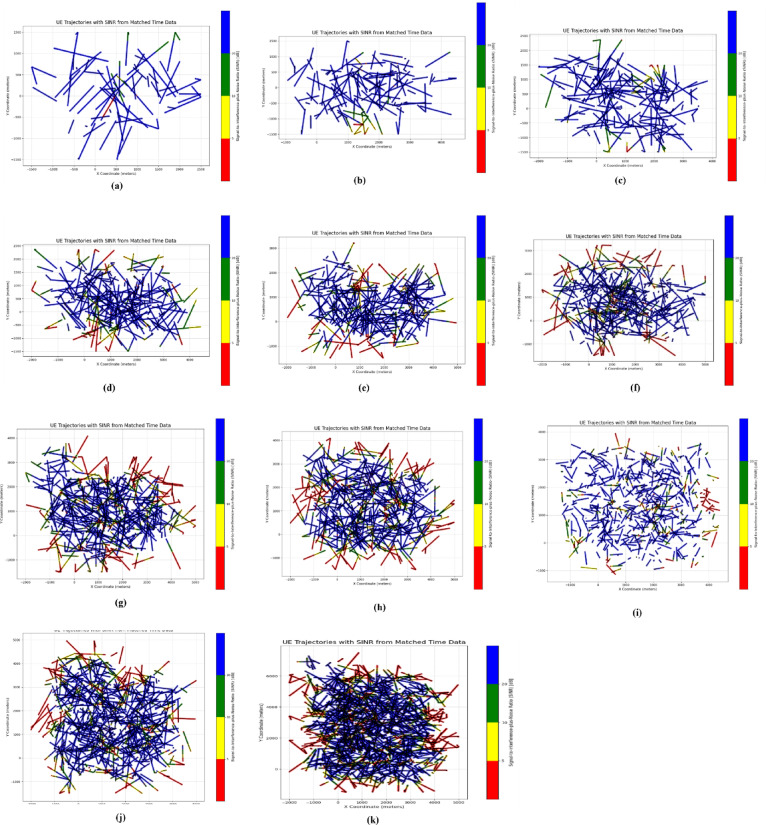 Figure 14
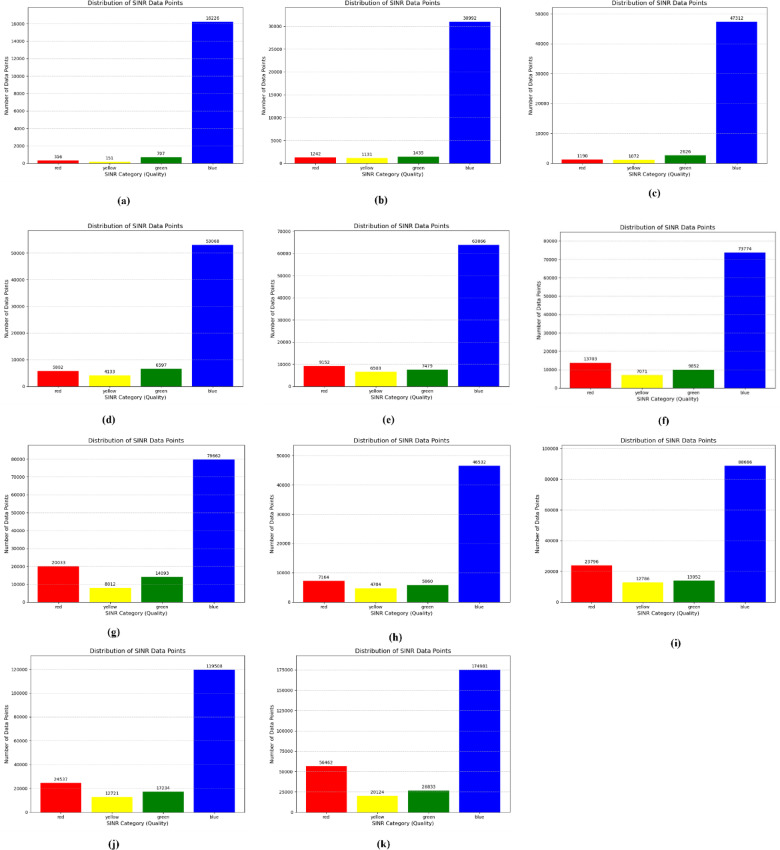 Figure 15
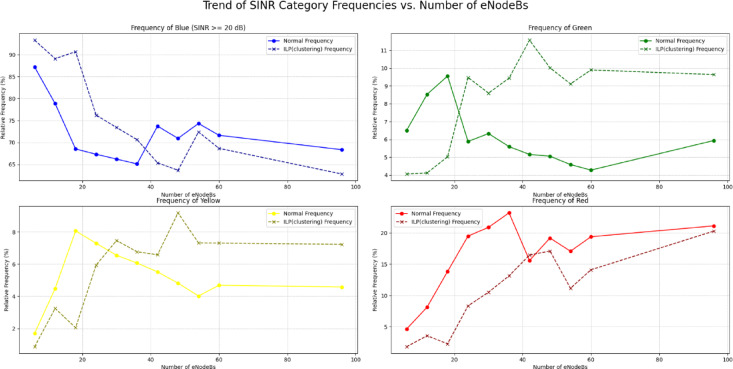 Figure 16
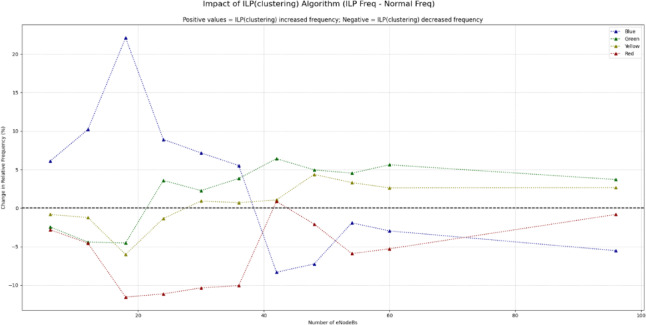 Figure 17
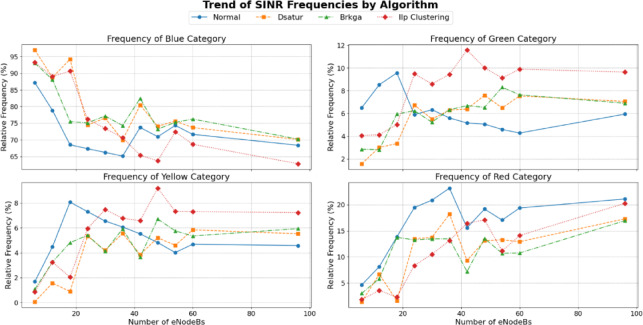 Figure 18
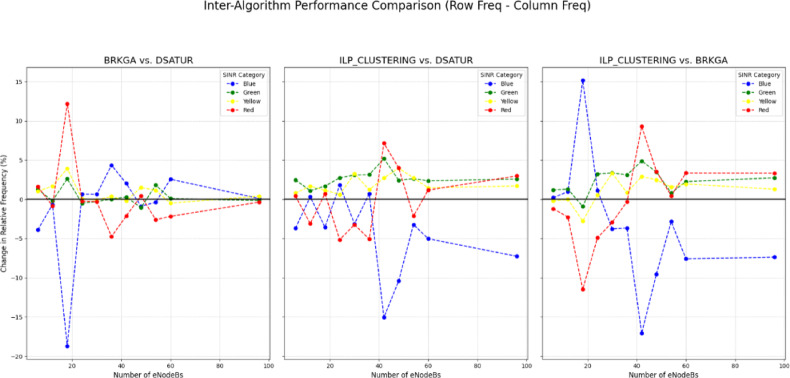 Figure 19
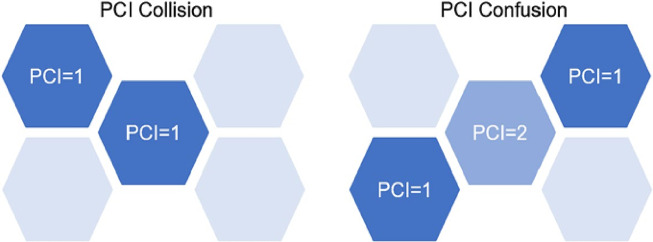 Figure 1
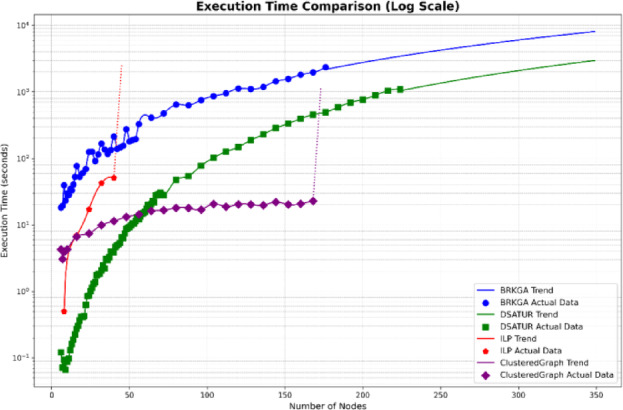 Figure 20
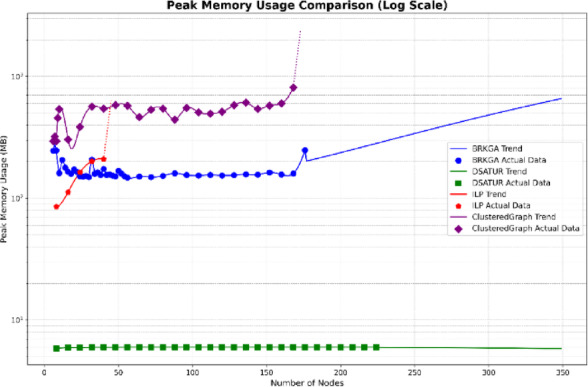 Figure 21
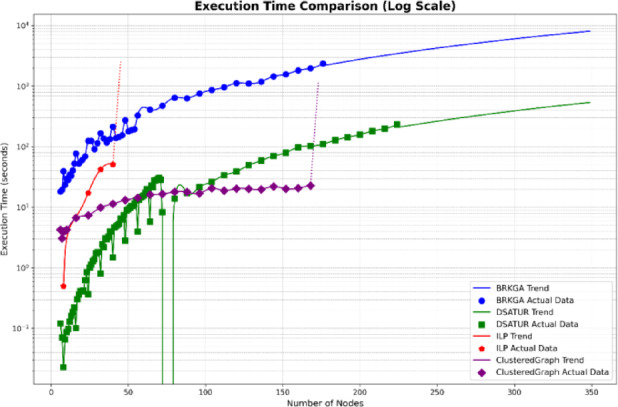 Figure 22
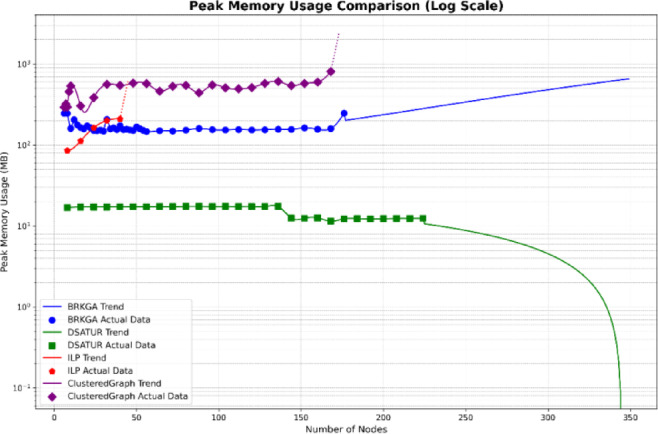 Figure 23
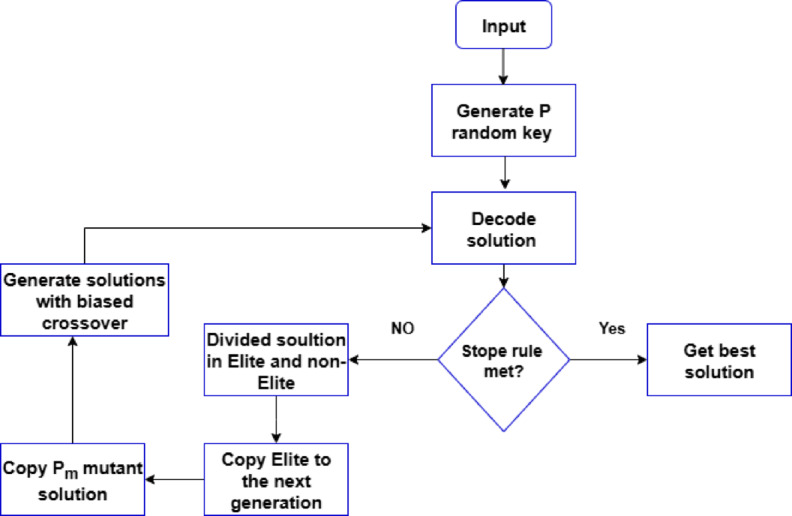 Figure 2
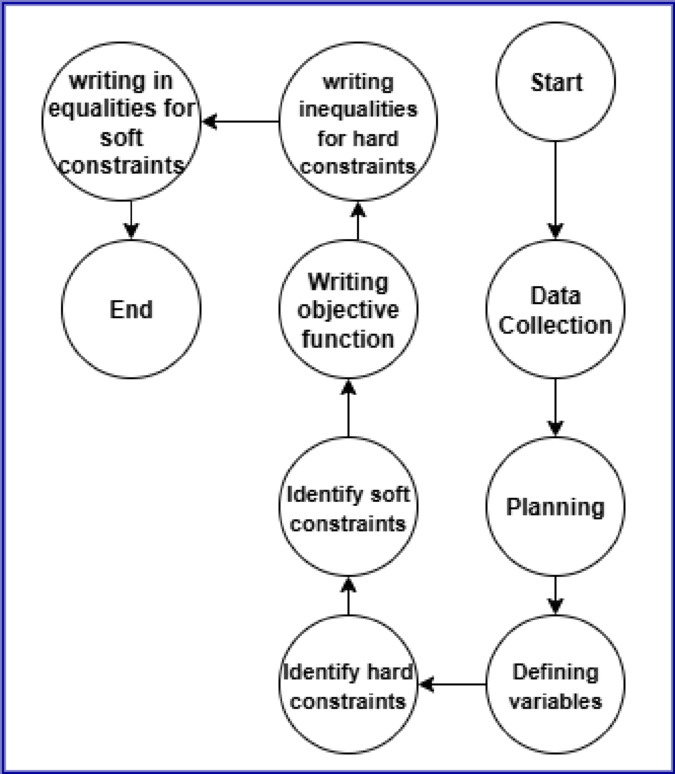 Figure 3
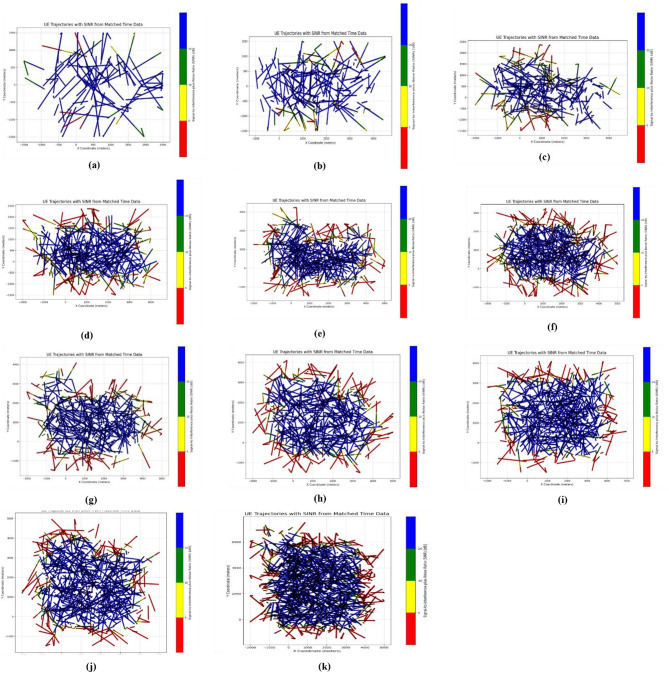 Figure 4
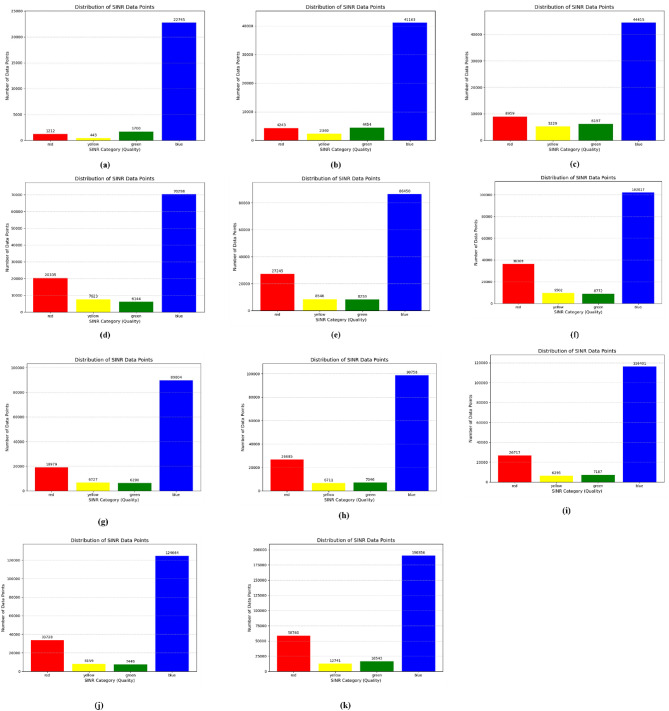 Figure 5
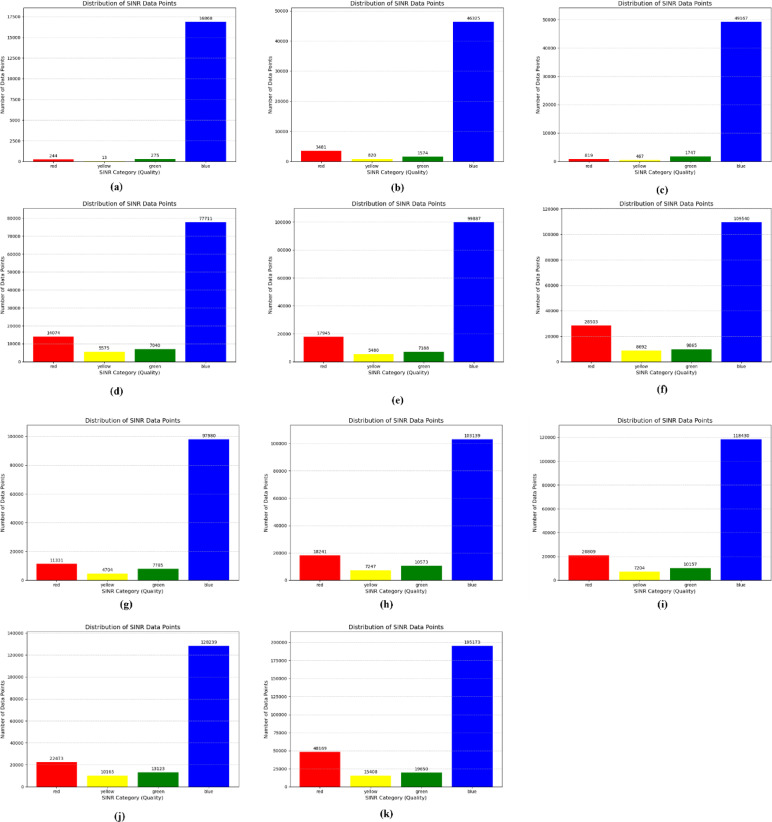 Figure 6
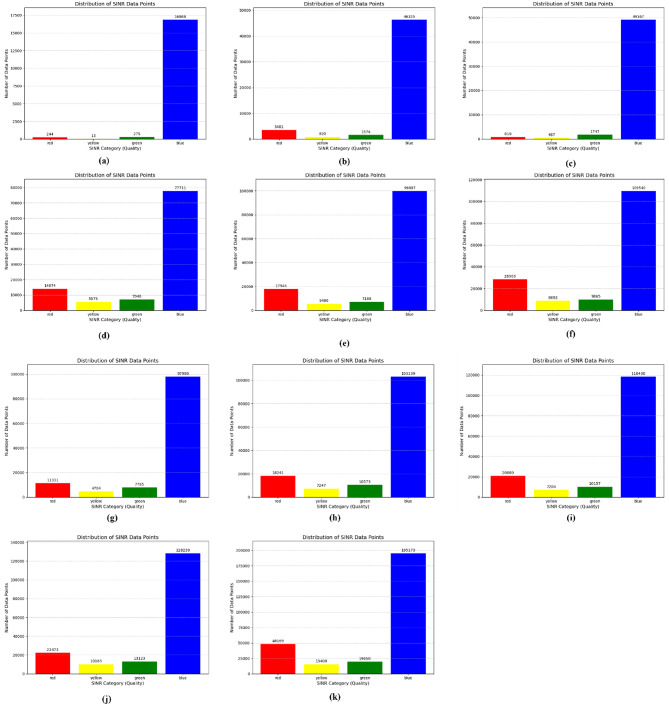 Figure 7
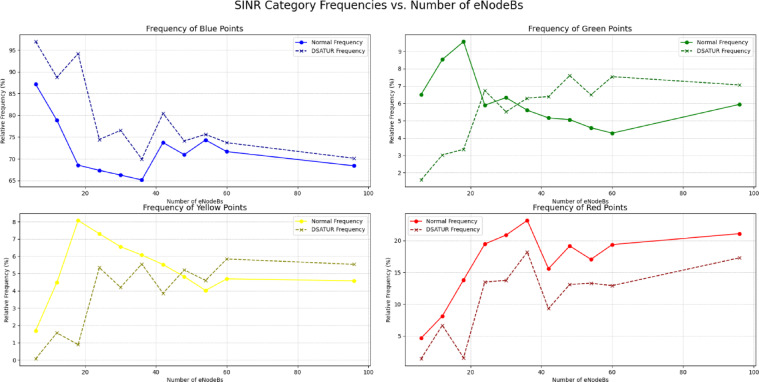 Figure 8
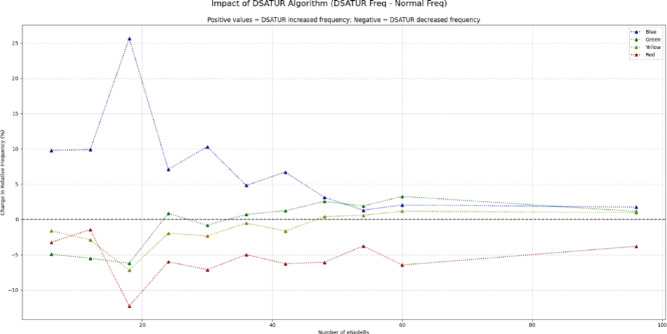 Figure 9
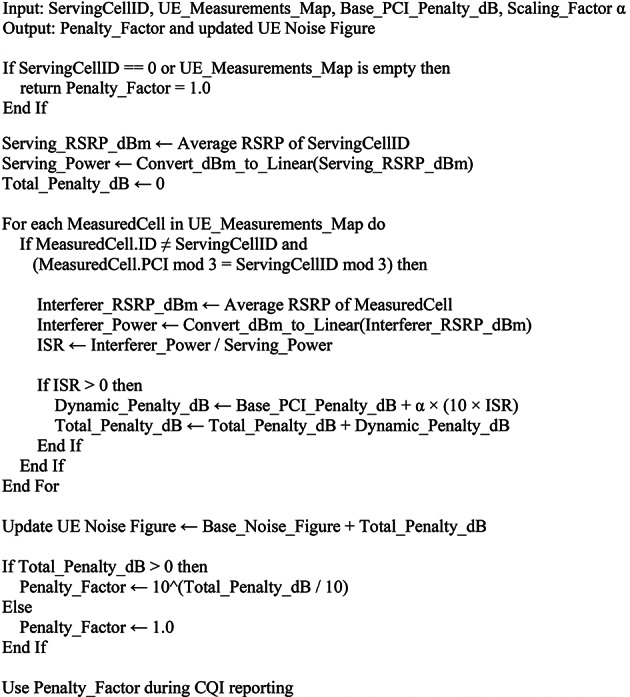 Figure 24
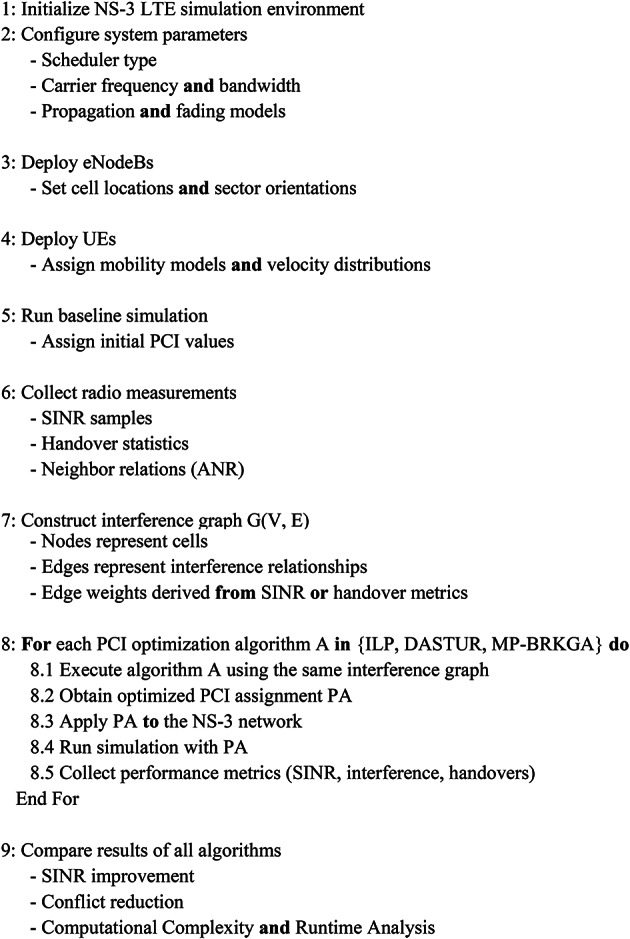 Figure 25
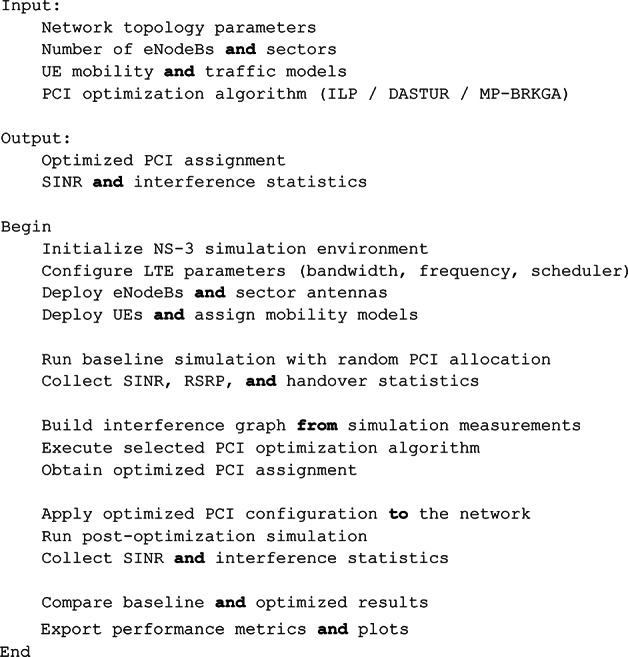 Figure 26
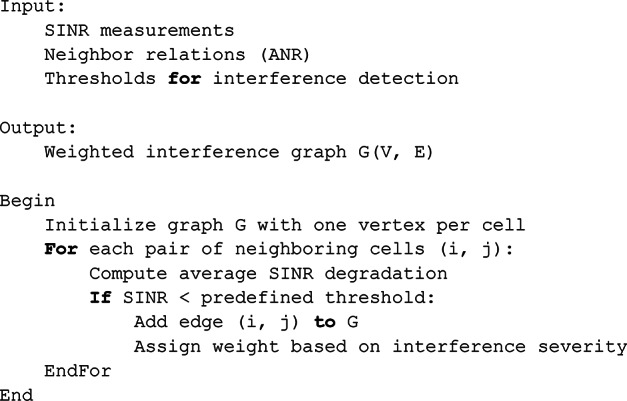 Figure 27
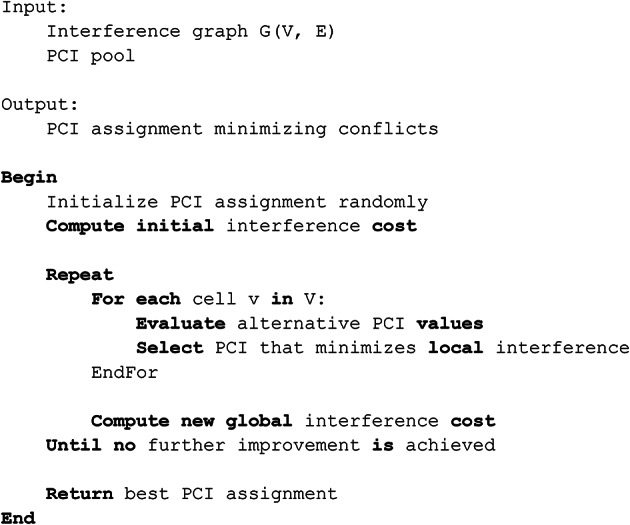 Figure 28
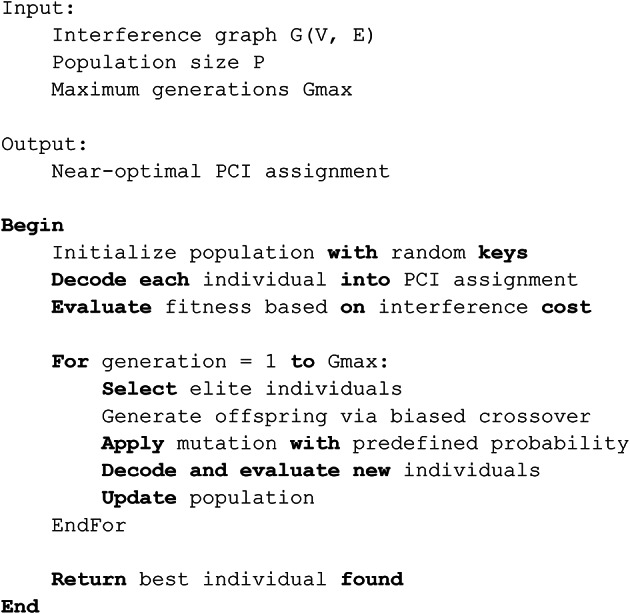 Figure 29
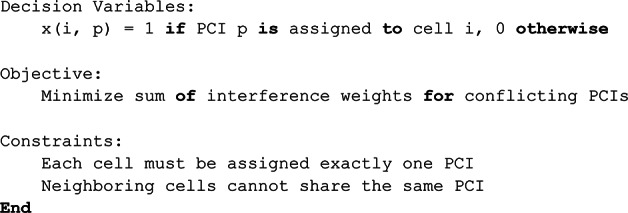 Figure 30
Peer Reviews
No public reviews on file for this paper yet. If you reviewed it on a platform where reviews are public (OpenReview, ICLR, NeurIPS, ICML), you can paste yours below so the community can read it here.
Videos
No videos yet. Explain this paper in a talk, walkthrough, or lecture? Add one.
Taxonomy
TopicsAdvanced MIMO Systems Optimization · Advanced Data and IoT Technologies · IoT Networks and Protocols