Transition to electronic prescriptions in pharmacies: Workflows, services, and access to medication – A mixed methods approach
Alexander Graf, Maike Henningsen, Maximillian Zinner

TL;DR
This study examines how electronic prescriptions affect pharmacies in Germany, finding that while they offer potential benefits, technical issues and low profitability pose significant challenges.
Contribution
The study provides new insights into the challenges and opportunities of implementing electronic prescriptions in pharmacies using a mixed methods approach.
Findings
Nearly half of pharmacists supported ePs, but 37% opposed due to technical issues and workflow disruptions.
Over half of pharmacists believed ePs worsened in-pharmacy pick-up for patients.
Digital transfer improved medication delivery for 28.5% of pharmacists, but many faced increased competition and low profitability.
Abstract
Germany's declining number of pharmacies raised concerns about patients' access to medication. To address this, pharmacies have started offering (digital) services, including analog and digital options such as phone consultation or medication delivery. According to existing literature, these services could improve access to medication. However, before the introduction of electronic prescriptions (ePs) in 2022, using these services in Germany was cumbersome. Given this context, the aim of the study was to examine the challenges and potentials of electronic prescriptions in German pharmacies. A two-stage sequential mixed methods approach was used, combining semi-structured interviews with an online survey among 1215 pharmacists. Nearly half of surveyed pharmacists (49.3%) supported the transition to electronic prescriptions, while 37.0% opposed it. Technical errors were widespread…
Genes, proteins, chemicals, diseases, species, mutations and cell lines named across the full text — each resolved to its canonical identifier and authoritative record.
Click any figure to enlarge with its caption.
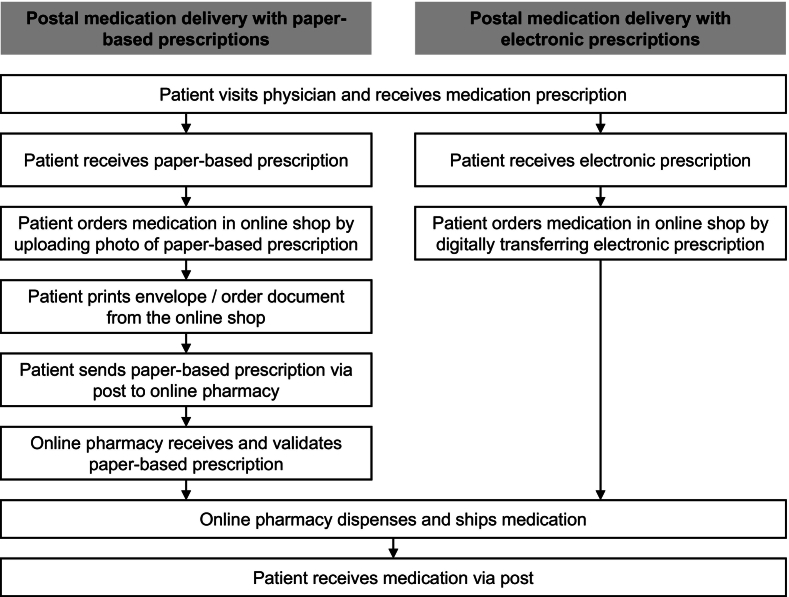 Figure 1
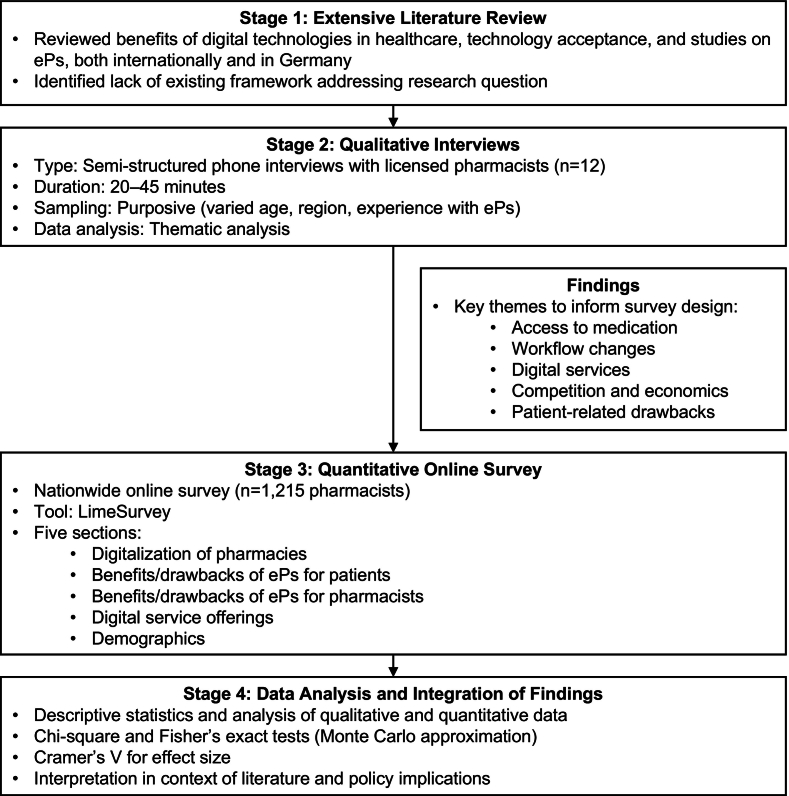 Figure 2
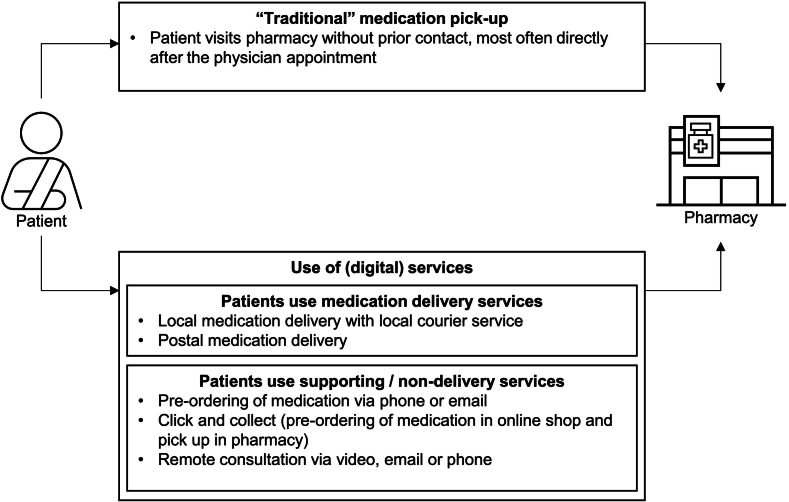 Figure 3
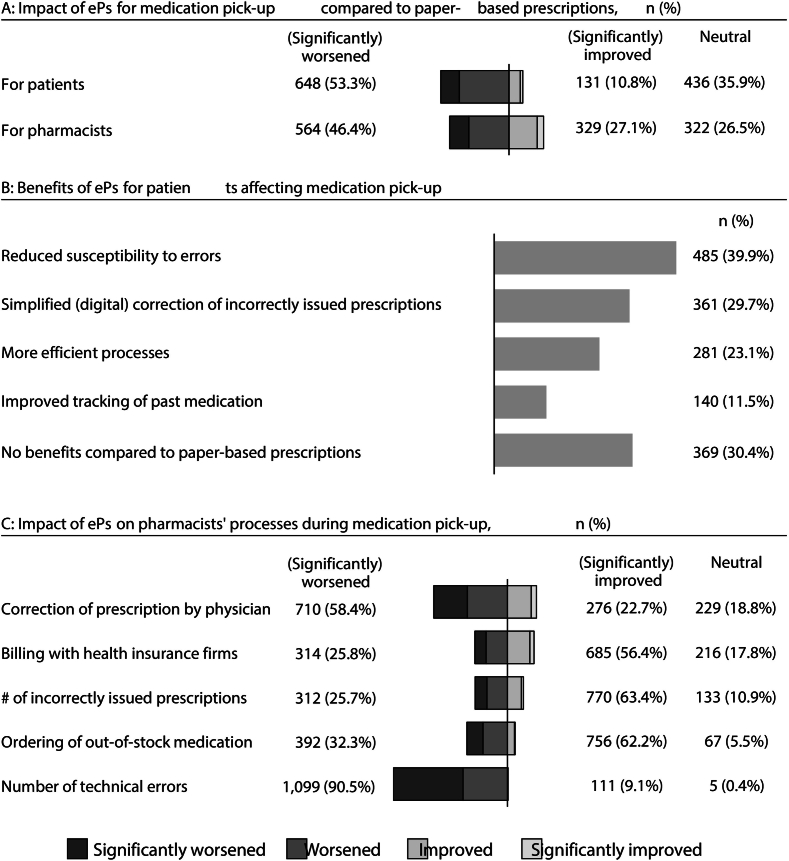 Figure 4
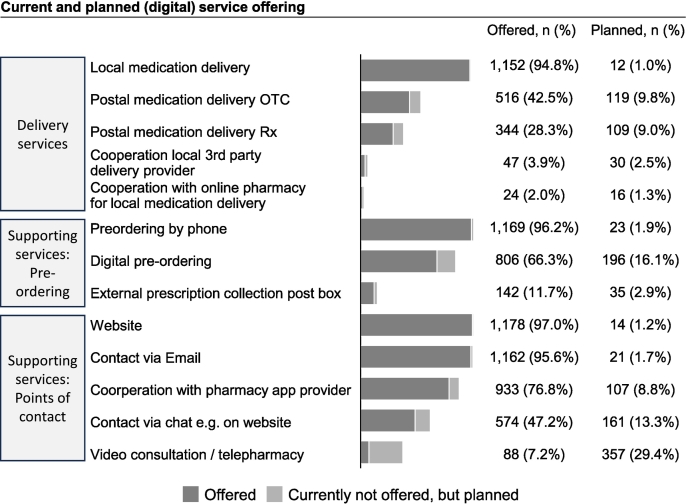 Figure 5
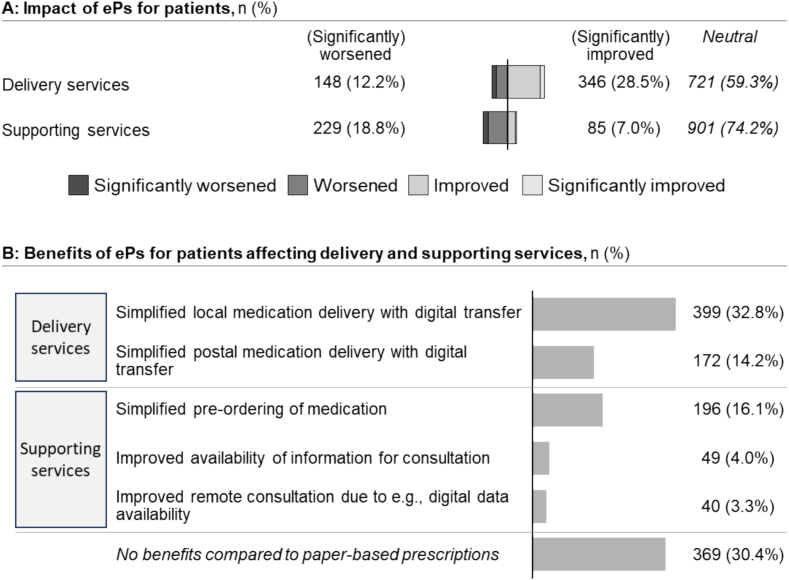 Figure 6
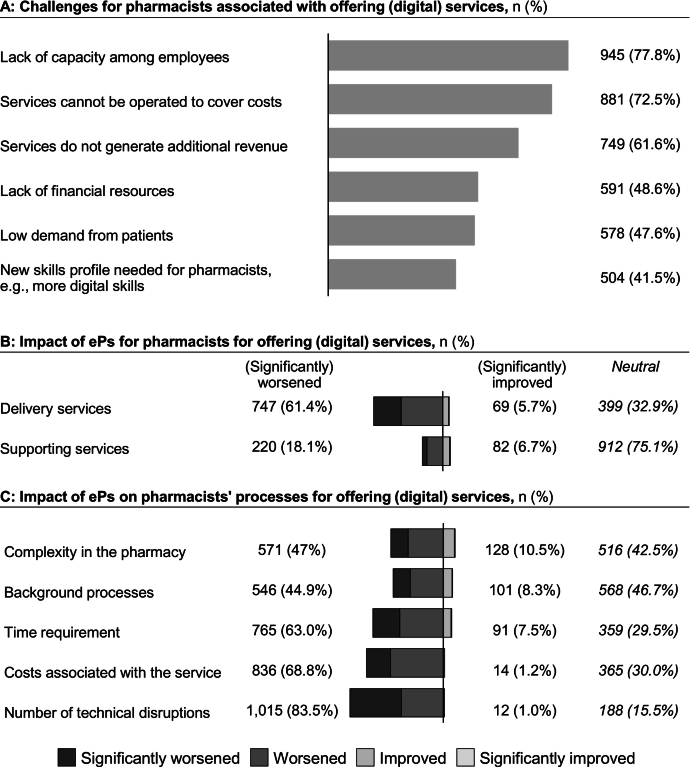 Figure 7
Peer Reviews
No public reviews on file for this paper yet. If you reviewed it on a platform where reviews are public (OpenReview, ICLR, NeurIPS, ICML), you can paste yours below so the community can read it here.
Videos
No videos yet. Explain this paper in a talk, walkthrough, or lecture? Add one.
Taxonomy
TopicsElectronic Health Records Systems · Pharmaceutical Practices and Patient Outcomes · Pharmaceutical Quality and Counterfeiting
Introduction
1
Germany's declining number of pharmacies has raised concerns about patients' access to medication.1 Between 2013 and 2022, the number of pharmacies fell by 12.6% to 18,000, which is lower than in 1980, resulting in a pharmacy density 31% below the European Union (EU) average number of pharmacies per inhabitant.2 Key drivers include competitive pressure, succession challenges, and a shrinking number of pharmacy students.3
Although most patients still reported satisfactory access to pharmacies, experts anticipate a strong decline in accessibility,3 particularly in less populated areas, where access to pharmacies is already limited.4 At the same time, the number of annual prescriptions has increased in recent years,5 and medication shortages6 have forced patients to make multiple trips to pharmacies. To counter these challenges, pharmacies started offering (digital) services such as medication delivery, preordering, and click & collect.7 These services may improve access to medication, especially through postal medication delivery.8, 9, 10
Postal medication delivery has been allowed in Germany since 2004, and by 2021, approximately 15% of pharmacies held a delivery license.11 Before the introduction of electronic prescriptions (ePs) in 2022,12 which are medical prescriptions that are issued, stored, and redeemed electronically,13 paper-based prescriptions made postal medication delivery cumbersome14: Patients had to physically mail their prescriptions to the pharmacy, which could dispense medication only after receiving the original document, often causing multi-day delays. Previous literature concluded that ePs could simplify postal medication delivery in Germany.15^,^16
The German eP system uses a central database that can be securely accessed by physicians and pharmacists. Patients receive prescriptions either fully digitally via their health insurance card or as a printed QR code, and can transfer ePs digitally to pharmacies via different apps.17 Appendix A.1 illustrates the different processes of traditional and eP-based postal medication delivery in Germany.
Compared to countries such as Estonia or the UK, which have long-established e-prescription systems,10 Germany has been slow to implement ePs. For example, in Denmark, over 88% of prescriptions are exchanged electronically.13
This study therefore examines the potential of ePs to improve workflow efficiencies for pharmacists, patients' service usability, and patients' access to medication in Germany.
Theory and methods
2
A literature review identified no suitable framework adequately addressing the research question; therefore, a mixed methods approach consisting of semi-structured qualitative interviews and a quantitative online survey with topic experts (licensed pharmacists) was used (Appendix A.2). This method followed a thematic analysis approach for developing a conceptual model.18
Qualitative interviews
2.1
Explorative, qualitative interviews were conducted to investigate pharmacy workflows, the introduction of ePs, and (digital) service offerings in Germany. Since few patients were using ePs at the time, licensed pharmacists, who are professionally trained with a university degree in pharmacy and authorized to dispense prescription medications,19 were identified as the most knowledgeable group.
A semi-structured interview guide (Appendix A.3) was developed based on literature about the benefits of digital technologies in healthcare,20^,^21 technology acceptance,22^,^23 and studies on ePs, both internationally24^,^25 and in Germany.12^,^26 Purposive sampling27 was employed to approach a diverse group of pharmacists by phone and via email. The interviews were conducted one-on-one by phone, lasting 20–45 min, and documented through extensive note-taking.
Analysis followed Braun and Clarke's thematic framework.28 Notes were reviewed to identify meaningful information, aggregated and categorized (e.g., benefits of ePs), and compared across interviews. After each interview round, consolidated notes were discussed among the researchers to identify emerging themes and areas to further investigate in subsequent interviews. Themes were identified through repeated discussion among the research team and reflected pharmacists' perspectives on the overall digitalization and introduction of ePs in Germany, the benefits and drawbacks of ePs for patients and pharmacists, and the effects of ePs on (digital) services in pharmacies.
Interviews were conducted until the research team concluded thematic saturation, when no substantially new insights were generated, and additional interviews only confirmed existing findings. Identified themes informed the design of the subsequent online questionnaire.
Quantitative online survey
2.2
The survey was developed using LimeSurvey29 and was pretested with nine pharmacists and researchers. Based on their feedback, adjustments were made to wording and survey flow. Content validity was ensured through expert review by these pharmacists and health services researchers, who confirmed the appropriateness and completeness of the questions and answer options.30 The final questionnaire (Appendix A.4) included 12 main and 9 demographic questions, organized into five thematic blocks: Digitalization of pharmacies in Germany, benefits and drawbacks of ePs for patients, benefits and drawbacks of ePs for pharmacists, (digital) service offerings utilizing ePs, and demographic information.
A five-point Likert scale was used for most questions. To simplify reporting in the text, “strongly agree” and “agree” were aggregated into “agree”, and “strongly disagree” and “disagree” into “disagree”.
Licensed pharmacists across Germany were invited to participate in the anonymous online survey through their publicly available email addresses. No reminders were sent or incentives were offered. Reporting follows the “Checklist for Reporting Results of Internet E-Surveys” (CHERRIES).31
Although the analysis primarily focused on descriptive statistics, additional statistical tests were conducted using RStudio (version 2022.12.0 + 353). Chi-square and Fisher's exact tests (Monte Carlo approximation, 2000 replicates) were used where appropriate.20^,^32^,^33
Ethics approval
2.3
The study's design was approved by the ethics committee of Witten/Herdecke University (reference No. 49/2022) and conducted in compliance with all relevant data protection laws.
Results
3
Qualitative interviews
3.1
The interviews were conducted between November 11, 2023, and January 15, 2024. After twelve interviews, thematic saturation was observed. Table 1 summarizes interviewee characteristics.Table 1. Demographics of interviewed pharmacists.Table 1IDGenderAge groupPharmacy sizePharmacy location by city inhabitantsShare of medication distributed outside of pharmacyExperience with ePsBy # of locationsBy # of employeesP1Female26–352 locations10–12Fewer than 500025–80%MediumP2Male36–452 locations10–125000 to 20,0005–10%HighP3Female26–351 location10–125000 to 20,0001–5%HighP4Female46–553 locations10–1220,000 to 100,0005–10%MediumP5Male26–354 locations4–6More than 500,0005–10%LowP6Female46–552 locations4–620,000 to 100,000Less than 1%LowP7Female36–452 locations4–6100,000 to 500,0005–10%MediumP8Male56–651 location10–125000 to 20,00010–25%HighP9Female36–451 location4–65000 to 20,0001–5%HighP10Male>652 locations13–1520,000 to 100,0001–5%MediumP11Male26–352 locations16–19More than 500,0001–5%LowP12Female36–451 location10–125000 to 20,0001–5%Medium
Pharmacists described their core process as medication dispensing, comprising “traditional” medication pick-up in the pharmacy without prior interaction and (digital) service utilization, such as medication delivery services and supporting services (Fig. 1). According to pharmacists, the introduction of ePs had both positive and negative impacts on medication dispensing for pharmacists and patients.Fig. 1. Separation of medication dispensing into “traditional” medication pick-up and the utilization of (digital) services offered by pharmacies: Illustration of how pharmacists interact with patients. Upper part shows “traditional” in-pharmacy pick-up without prior digital interaction, while the lower part depicts (digital) service utilization, including medication delivery and supporting services.Fig. 1
Perceived benefits of ePs
3.1.1
Pharmacists noted that the digital prescription transfer improved medication delivery, particularly postal medication delivery.“The main benefit of ePs is the digital transfer. Patients can send their prescription directly from their phone, which speeds up postal medication delivery as they don't have to send the prescription via post anymore, but they need special apps to read the health insurance card.”P10
Furthermore, pharmacists reported fewer prescription errors due to illegible handwriting, missing signatures, or incomplete information. They highlighted automatic validation to help flag inconsistencies in dosage, interactions, or patient data before dispensing.“Although it didn't happen that often, but with ePs, I no longer need to call the doctor to clarify unreadable handwriting.”P4
Additionally, administrative and logistical processes, such as billing with health insurance companies or reordering of out-of-stock medications, were also simplified.“With paper-based prescriptions, a driver typically collected all prescriptions once a week by truck, whereas with ePs, this process is handled digitally.”P1
These perceived benefits were mainly emphasized by younger pharmacists and those with more experience using digital tools, who viewed ePs as a necessary step toward broader healthcare digitalization.
Perceived challenges of ePs
3.1.2
Despite benefits, 11 of 12 pharmacists described recurring technical problems that disrupted daily workflows, including system crashes and connection issues.“After redeeming 3-5 ePs, the system usually crashes and I need to restart the Telematik Infrastructure connector (device to establish secure connection to redeem ePs), which takes 5-10 minutes. I can't redeem any ePs during that time.”P2
Furthermore, pharmacists mentioned delays of up to three hours for ePs to be available in the system, forcing patients to wait or return later.“The physician around the corner has set their system to bulk signature, where the physician signs 20 ePs at the same time. The system only uploads signed ePs, which sometimes means the eP is not uploaded for 2-3 hours. If patients come directly from the physician and their eP is not uploaded, they need to come back later.”P9
Community pharmacies specific challenges
3.1.3
Pharmacists mentioned limited digital readiness as a major challenge for themselves. They emphasized that improvements to postal medication delivery primarily benefit large online pharmacies, which have established online presences and processes for postal medication delivery.“Hosting an online shop is difficult for us. None of us know how to do that, and we are already understaffed. It's difficult to find pharmacists that want to work in this small town. Big [online delivery pharmacies] players have infrastructure and processes in place and can push us out of business.”P1
Key operational challenges included lack of technical expertise, capacity constraints, and financial barriers. Observed challenges varied for different demographics: Interviewees from rural areas (e.g., P9) emphasized capacity constraints and limited technical infrastructure as main barriers, whereas younger pharmacists and those from urban settings (e.g., P5, P11) focused on financial constraints.
Pharmacists did not observe a significant increase in revenue after introducing medication delivery, citing low patient demand mainly due to perceived long delivery times and limited awareness of digital options.“Patients usually just stop by the pharmacy on their way home from the physician to pick up the medication.”P6“In case of prescription medication, patients usually immediately need the medication (e.g., antibiotics), and as a result rather take a longer drive than wait a day for a postal delivery.”P8“I don't think patients are aware of postal medication delivery because, for example, we also don't advertise for it.”P4
Overall, pharmacists acknowledged that ePs may drive broader pharmacy digitalization, but noted that these developments have not yet fully translated into tangible improvements.“Once everything runs smoothly, I can imagine ePs will make work easier. But right now, it's just more effort for everyone.”P5“I think ePs are the right direction. It just needs time and better support for smaller pharmacies.”P7
Quantitative online survey
3.2
The survey was live from March 4 to April 28, 2024 and yielded 1215 completed responses, with a minor share of “prefer not to answer / I don't know” responses. The sample (Table 2) was largely representative of the German pharmacist population, aligning with national averages in age, location, and pharmacy size.2 However, female pharmacists were underrepresented in the sample (57.2% vs. the 2022 national average of 73.6%) and were on average younger than male pharmacists (42.8% of female pharmacists were below the age of 45 years vs. 35% of male pharmacists). Pharmacies with one location were overrepresented (61.4% vs. the national average of 55.4%).2Table 2. Demographics of survey.Table 2. Characteristic, n = 1215Respondents, n (%)GenderMale496 (40.8%)Female695 (57.2%)Diverse24 (2.0%) Age in years< 2514 (1.2%)26–35168 (13.8%)36–45297 (24.4%)46–55362 (29.8%)56–65299 (24.6%)>6557 (4.7%)Prefer not to say / I don't know18 (1.5%) Pharmacy size: # of locations1 location746 (61.4%)2 locations231 (19.0%)3 locations116 (9.5%)4 locations93 (7.7%)Prefer not to say / I don't know29 (2.4%) Pharmacy size: # of employees1–392 (7.6%)4–6287 (23.6%)7–9339 (27.9%)10–12197 (16.2%)13–15106 (8.7%)16–1972 (5.9%)20 or more87 (7.2%)Prefer not to say / I don't know35 (2.9%) Pharmacy location by city inhabitants<5.000169 (13.9%)5.000–20.000423 (34.8%)20.001–100.000298 (24.5%)100.001–500.000168 (13.8%)>500.000141 (11.6%)Prefer not to say / I don't know16 (1.3%) Medication delivery licenseYes325 (26.7%)No847 (69.7%)Prefer not to say / I don't know43 (3.5%) Share of medication distributed outside of pharmacy<1%257 (21.2%)1–5%434 (35.7%)5–10%244 (20.1%)10–25%160 (13.2%)25%–80%55 (4.5%)>80%4 (0.3%)Prefer not to say / I don't know61 (5.0%)
General attitudes toward ePs
3.2.1
Nearly half of pharmacists (49.3%, 599/1215) supported the transition to ePs (agreed with “I approve the transition from paper-based prescriptions to ePs”), while 37.0% (450/1215) disagreed. Support was higher among female pharmacists (53.4%, 371/695) than male pharmacists (43.8%, 217/496), and among younger pharmacists (<36 years, 59.9%, 109/182 in favor) compared to those over 55 years (41.3%, 147/356, = 41, P < .005, Cramer V = 0.11, 95% CI = 0.08–0.14). Support was higher among pharmacists in larger pharmacies by number of employees ( = 39, P < .05, Cramer V = 0.11, 95% CI = 0.09–0.14) and number of locations ( = 27, P < .01, Cramer V = 0.10, 95% CI = 0.07–0.13). No effect of pharmacists' attitude was observed for pharmacy location by city size ( = 22, P > .1, Cramer V = 0.08, 95% CI = 0.06–0.11).
“Traditional” medication pick-up in the pharmacy
3.2.2
More than half of pharmacists (53.3%, 648/1215) believed that ePs worsen medication pick-up in pharmacies for patients, and 46.4% (564/1215) believed ePs worsen pharmacists' workflows (Fig. 2A). Impact on pharmacists' workflows was perceived similarly across genders (47.7% 237/496 of male and 44.8% 312/695 of female). However, male respondents perceived the impact of ePs for patients more negatively (58.4% 290/496 of male and 49.0% 314/695 of female). Pharmacists who were more positive about ePs (based on the statement “I approve the transition from paper-based prescriptions to ePs”) perceived changes during medication pick-up in the pharmacy more positively for both patients and themselves ( =348–449, P < .001, Cramer V = 0.27–0.30, 95% CI = 0.24–0.30 & 0.28–0.34).Fig. 2. Impact of ePs on traditional medication pick-up and pharmacists' work processes: A: Pharmacists' assessment of impact of ePs on medication pick-up for patients and pharmacists; B: Reported benefits of ePs for patients (multiple-choice question; responses indicate the number of pharmacists selecting each benefit category); C: Impact of ePs on pharmacists' work processes, showing the proportion reporting improvements or worsening in specific areas (e.g., number of technical errors).Fig. 2
The worsening of medication pick-up for patients could stem from low perceived benefits of ePs, as 30.4% (369/1215) of pharmacists saw no benefits (Fig. 2B). Additionally, 81.1% (985/1215) mentioned that digitalization is generally challenging for patients, especially for non-digitally affine patients.
For pharmacists, the worsening of medication pick-up was linked to limited improvements in work processes and increased technical errors (e.g., delayed synchronization or system downtime; Fig. 2C). Pharmacists who experienced fewer technical errors were more positive toward ePs ( =192, P < .005, Cramer V = 0.20, 95% CI = 0.18–0.26). Younger pharmacists perceived more pharmacy workflow improvements than older pharmacists (age in years compared to impact for pharmacists, =37, P < .01, Cramer V = 0.10, 95% CI = 0.08–0.13). Additionally, other demographic variables (e.g., city size, number or size of pharmacies) had no significant effect on improvements.
(Digital) service offering
3.2.3
Fig. 3 shows the current and planned (digital) services of surveyed pharmacies. Most pharmacies (88.1%, 1071/1215) already offered five or more (digital) services, primarily focusing on supporting services (e.g., pre-ordering by phone offered by 96.2%, 1169/1215, website 97.0%, 1178/1215, email contact 95.6%, 1162/1215) and some planned to expand offerings, including digital pre-ordering (16.1%, 196/1215) or video consultation (29.4%, 357/1215).Fig. 3. Current and planned (digital) services in German pharmacies: Number of pharmacies that currently offer (dark bars) and plan to offer (light bars) services, grouped into medication delivery services, supporting services for pre-ordering, and supporting services for patient contact. OTC = non-prescription medicines; Rx = prescription medicines.Fig. 3
While most pharmacists reported distributing less than 5% of medication outside of the pharmacy (59.9%, 691/1154), and only 5.1% (59/1154) dispensed more than 25% externally (Table 2), almost all pharmacies (94.8%, 1152/1215) offered local courier medication delivery, with little variation across urban and rural settings. Postal medication delivery was less common, offered by 42.5% (516/1215) for over-the-counter medication (OTC) and 28.3% (344/1215) for prescription medication (Rx). Fewer than 10% planned to introduce postal medication delivery (9.8%, 119/1215 for OTC and 9.0%, 109/1215 for Rx).
Impact of ePs on (digital) services for patients
3.2.4
Most pharmacists (59.3%, 721/1215) assessed the impact of ePs on medication delivery for patients as neutral and 28.5% (346/1215) reported improvements (Fig. 4A). Age or gender had little effect on perceived improvements (e.g., 29.4%, 146/496 of male vs. 28.4%, 198/695 of female pharmacists reported improvements).Fig. 4. Impact and perceived benefits of ePs for patients on (digital) services: A: Pharmacists' assessments of ePs' potential to improve or worsen delivery services and supporting services for patients; B: Reported benefits of ePs for patients (multiple-choice question; responses indicate the number of pharmacists selecting each benefit category).Fig. 4
Improvements for patients were mainly driven by the digital transfer of ePs (Fig. 4B). While 32.8% believed this improves local medication delivery, only 14.2% believed it simplifies postal medication delivery. Pharmacists who were more positive toward ePs also perceived greater benefits for patients ( =223, P < .005, Cramer V = 0.21, 95% CI = 0.19–0.25).
Impact of ePs on (digital) services for pharmacists
3.2.5
Offering (digital) services was generally seen as challenging for pharmacies (Fig. 5A): 77.8% (945/1215) mentioned limited staff capacity, 61.6% believed these services do not generate additional revenue (749/1215) and 72.5% believed these are not profitable (881/1215). This was linked to increased cost (68.8%, 836/1215) and low patient demand (47.6%, 578/1215).Fig. 5. Challenges and impacts of ePs on pharmacists' services and workflows: A: Reported challenges of offering (digital) services (multiple-choice question; responses indicate the number of pharmacists selecting each category); B: Impact of ePs on (digital) services for pharmacists, showing the proportion reporting improvements or worsening; C: Impact of ePs on pharmacists' work processes, showing the proportion reporting improvements or worsening in specific areas (e.g., complexity in the pharmacy).Fig. 5
The results indicated that ePs do not improve (digital) services for pharmacists, as 61.4% (747/1215) reported that medication delivery services worsened with ePs (Fig. 5B). This was linked to workflow inefficiencies, technical issues (see Section 3.2.2), increased costs, and staff capacity needs (Fig. 5C). While gender had minimal influence on perceptions, younger pharmacists were less negative: 50.5% (92/182) of those under 35 reported worsening compared with 64.4% (241/374) of pharmacists over 55. Pharmacists who were more positive about ePs reported fewer negative effects ( =358, P < .005, Cramer V = 0.27, 95% CI = 0.25–0.34). Despite drawbacks, pharmacists cited increased customer attractiveness (63.4%, 770/1215) and competition from online pharmacies (56.9%, 691/1215) as reasons for offering services.
Discussion
4
In this study, qualitative interviews and an online survey were used to explore pharmacists' experiences with ePs and their potential to improve patients' access to medication in Germany, focusing on medication dispensing. By combining both qualitative interview narratives and quantitative survey results, this study provides a more comprehensive understanding of pharmacists' acceptance, use patterns, and perceived benefits and challenges of ePs.
While extant literature has concluded that ePs can improve access to medication both during “traditional” medication pick-up and through (digital) services offered by pharmacies, especially medication delivery,8, 9, 10 the findings of this study indicate that this potential remains largely unrealized in Germany due to technical, economic, and patient-related barriers.
Technical maturity of eP system
4.1
Surveyed pharmacists reported frequent technical errors (e.g., system crashes) affecting both medication pick-up and (digital) services, consistent with previous, international research.34^,^35 Interview data provided concrete examples of how these disruptions affected workflows and patient experience (e.g., repeated restarts or delayed prescription uploads that forced patients to return later). Even minor disruptions increased workload and reduced willingness to engage with (digital) services. Hence, technical maturity appears to reduce performance expectancy and increase effort expectancy, negatively affecting technology adoption, in line with the predictors of acceptance discussed in the Unified Theory of Acceptance and Use of Technology (UTAUT) Framework.22
These challenges reflect the early stage of Germany's eP implementation. International comparisons show that countries like Sweden and Estonia, with more mature eP systems, experienced fewer disruptions, allowing more seamless workflows and tangible benefits for patients.13^,^36 Technical errors tend to decrease over time as systems mature.15 Hence, ongoing improvements by the Gematik, the organization responsible for the eP rollout in Germany, could improve prescription redemption for patients and pharmacists in the future.37
“Traditional” medication pick-up
4.2
While the qualitative interviews suggested that ePs have a limited effect on “traditional” medication pick-up for patients as the general process is unchanged, most surveyed pharmacists reported a worsening for patients. Pharmacists also reported worsened work processes for themselves. According to UTAUT, perceived usefulness depends both on patient outcomes and users' workflow experience. High effort expectancy due to disruptions diminishes perceived usefulness,22^,^23^,^38 which may explain why pharmacists in the survey associated limited benefits with ePs, despite extant literature identifying multiple.15^,^39^,^40
Nonetheless, pharmacists in both interviews and the survey observed a reduction in medication errors consistent with literature,41 mainly due to automated validation and the elimination of illegible handwriting. Pharmacists who experienced workflow improvements also reported greater improvements for patients, aligning with existing technology adoption literature.42
(Digital) services
4.3
Both the interviews and the survey confirmed that pharmacists in Germany perceived offering (digital) services as challenging, which is in line with literature.43 Key barriers included financial drawbacks, low patient demand, and limited staff capacity, particularly in smaller pharmacies.
Drawbacks for pharmacists
4.3.1
High perceived drawbacks for users are a driver of overall low perceived usefulness of digital healthcare applications.22^,^44 Beyond technical errors (Section 4.1), pharmacists associated (digital) services with economic drawbacks.
Operating economically is essential for pharmacies to secure their own survival, and most pharmacists did not expect (digital) services to generate revenue or to increase profitability. Many feared that ePs would strengthen large online delivery pharmacies, perceived as the main competitors to traditional German community pharmacies. These competitors were already able to generate revenue, and some also profit from medication delivery,45 potentially due to better economies of scale.46 The digital transfer of ePs could further improve their business model.47 Nonetheless, ePs have driven increased digitalization of community pharmacies in other countries (e.g., introduction of automatic medication pick-up stations in Finland).48
Pharmacists also mentioned missing technical knowledge and digital capabilities. Younger pharmacists showed more positive attitudes toward ePs and (digital) services compared to older pharmacists, consistent with evidence that digital affinity decreases with age among healthcare professionals.22^,^49 This likely reflects differences in digital literacy rather than structural differences between pharmacies.
Patient demand
4.3.2
Most pharmacists in the survey experienced limited patient demand for (digital) services, an important factor for perceived usefulness of digital healthcare technologies.22^,^42^,^50
The limited demand may be linked to the fact that not all patients were technically able to digitally transfer their ePs, mostly due to the lack of a health insurance card with a Near Field Communication (NFC) tag. In Germany, the health insurance card was historically not equipped with an NFC tag; however, an NFC-enabled card is required as a digital authentication tool that allows patients to securely access, store, and transmit electronic prescriptions.51 Other countries did not face this issue because e-prescription infrastructures differ; for example, Sweden introduced patient smart cards used for ePs as early as the 1980s.13
Additionally, at the time of the study, many physicians had nearby pharmacies, allowing patients to pick up prescriptions immediately3 and reducing the need for medication delivery services, as mentioned also by interviewed pharmacists. However, if pharmacy closures continue,5 patient demand for (digital) services may increase. Nonetheless, interest in medication delivery has increased,52^,^53 which might explain why some pharmacies plan to introduce medication delivery services.
These patient-related barriers are consistent with UTAUT constructs of social influence and facilitating conditions, emphasizing the importance of patient readiness for successful eP adoption.22
Levers to improve ePs
4.4
Based on these findings, the main lever to realize ePs' potential to improve access to medication is reducing technical errors, as improved technical stability enhances perceived usefulness.38^,^44 Furthermore, pharmacists play a key role in expanding (digital) services and raising patient awareness.42 Policymakers could address pharmacists' challenges by ensuring economic viability of (digital) services and providing targeted digital trainings, particularly for older pharmacists. Ensuring patients' access to ePs' full functionality, including NFC-ready health insurance cards, is essential.51
ePs potential beyond the pharmacy
4.5
While the points discussed above show that ePs currently do not improve access to medication during dispensing, ePs might nonetheless improve access during other steps of the patient journey. Potential benefits include a reduced need for in-person visits for follow-up prescriptions12 and the facilitation of digital healthcare applications like electronic patient records.54 Findings from other countries concluded that the introduction of ePs has expanded digital healthcare service offerings for patients.55, 56, 57.
(Digital) services also influence patient counseling and monitoring. Although medication delivery could reduce face-to-face counseling opportunities, AI-assisted tools and integrated digital systems could support adherence monitoring and personalized care.58^,^59
International relevance
4.6
While this study focuses on the German context, its findings on ePs in pharmacies, as well as the used methods contribute to international technology acceptance research. Similar challenges identified in this study, have also been reported internationally during early phases of eP implementation.60^,^61 The study therefore provides transferable insights for policymakers and health system planners in other countries, for example by identifying levers to improve eP implementation in pharmacy settings.
In addition, similarities can be observed across the rollout of different digital healthcare technologies.20^,^62 The identified drivers and barriers are thus relevant not only for countries implementing ePs, but also for those introducing other digital healthcare tools, such as video consultations. Moreover, the methods used in this study offer a transferable framework that can be adapted for cross-national research and contribute to the broader international technology acceptance literature.
Additionally, the observed tension between community pharmacies and large online pharmacies reflects global trends in pharmacy digitalization.15 While market concentration is a common outcome of digitalization, it raises concerns in healthcare.63 Germany's experience shows that, despite regulatory safeguards,16 small community pharmacies may struggle to remain competitive. These findings highlight a potential risk for healthcare systems and may help policymakers in other countries anticipate unintended consequences of digitalization and consider measures to support the long-term viability of community pharmacies.48
Limitations and future research
4.7
While the methodology was developed with a focus on accuracy and reliability, natural limitations exist. First, at the time of the study, the number of patients using ePs was relatively low, making licensed pharmacists the most appropriate respondents. Consequently, the results might differ if patients were surveyed directly, particularly regarding improvements for patients resulting from the introduction of ePs. With increasing eP adoption, future research should incorporate patient perspectives.
Second, while the large sample size strengthens the study, self-selection bias may exist due to voluntary participation of pharmacists.12 Email-based recruitment may have underrepresented less digitally active pharmacies, resulting in a sampling or response bias.64 Furthermore, pharmacists from large online pharmacies were underrepresented, and their experiences may differ given the different business model.14 Future research should address this gap. Furthermore, while the sample includes pharmacists from different city sizes, the typically close proximity to physicians may have influenced perceptions of delivery services.
Third, the interviews were documented via extensive note-taking, which may have led to a loss in detail compared to audio recording and verbatim transcription.65 Consequently, while major topics were captured, some nuances may have been missed. The structured interview guide was used as a tool to mitigate reliability issues.
Furthermore, the use of a five-point Likert scale may have introduced a central tendency bias, where survey participants avoid extreme categories and instead cluster their responses around the midpoint.66 Additionally, the aggregation of categories for readability could have reduced variability between “strongly” and “somewhat” responses.
Finally, the findings indicate that while the potential of ePs to enhance medication access has not yet been fully realized, future technical improvements, increased patient demand, and rapid policy or infrastructure changes may make the findings time-sensitive. As a result, future studies could replicate this approach to monitor and analyze these developments.
Conclusion
4.8
The findings suggest that while ePs have the potential to improve access to medication, particularly through (digital) services, this potential was limited in Germany due to technical instability, low patient digital literacy, and pharmacists' perceptions of limited usefulness. With continuing pharmacy closures, (digital) services like medication delivery might become increasingly important.
To realize the full potential of ePs, concrete policy measures are needed, including funding programs for small pharmacies, nationwide technical assistance, and targeted training campaigns for older pharmacists. Equally important is improving patient digital readiness, as low digital literacy remains a key barrier.
Looking ahead, the increasing maturity of ePs and growing consumer readiness may allow (digital) services to evolve from basic medication delivery options toward integrated care solutions (e.g., chronic care management and personalized medication support).67 More broadly, ePs play a key role in healthcare digitalization beyond medication dispensing.
In conclusion, realizing the full potential of ePs requires technical reliability, economic viability of (digital) services, and improved digital literacy for pharmacists and patients.
Summary table
What was already known on the topic:
- •ePs have been observed to improve access to medication for patients
- •ePs have led to an increase in (digital) service offerings, benefiting patients
- •Perceived usefulness of a healthcare application is linked to perceived benefits and drawbacks, effort expectancy and patient demand
What this study added to existing knowledge:
- •In Germany, the potential of ePs to improve access to medication is currently unrealized due to frequent technical errors and low perceived usefulness by pharmacists
- •While the digital transfer of ePs is seen as a benefit for benefit for patients, limited other improvements of ePs in Germany have been observed
- •ePs worsen pharmacists' work processes and are perceived as a threat to traditional pharmacies due to increased competition from large online delivery pharmacies
- •The main levers to unlock ePs' potential to improve access to medication in Germany are reducing technical errors, ensuring economic viability of (digital) services for pharmacists and enabling all patients to use ePs' full technical functionality
CRediT authorship contribution statement
Alexander Graf: Writing – original draft, Visualization, Validation, Methodology, Investigation, Formal analysis, Conceptualization. Maike Henningsen: Writing – review & editing, Methodology, Conceptualization. Maximillian Zinner: Writing – review & editing, Methodology, Conceptualization.
Declaration of competing interest
The authors declare that there is no conflict of interest.
The reference list from the paper itself. Each links out to its DOI / PubMed record.
- 1Klasing S.Dörje F.Hilgarth H.Metzger N.Richling I.Seidling H.M.Continuity of medication information transfer and continuous medication supply during hospital-to-home transitions - nationwide surveys in hospital and community pharmacies after implementing new legal requirements in Germany BMC Health Serv Res 24202499310.1186/s 12913-024-11208-439192253 PMC 11348592 · doi ↗ · pubmed ↗
- 2Deutsche Apothekerverband Apothekenwirtschaftsbericht 20232023
- 3Preißner Dr. Markus Schäfer Simone Gödde Jens-Peter Apotheken und aprobierte in Nordrhein-Westfalen: Status quo, Entwicklungen und Perspektiven 2023
- 4ABDA Die Apotheke — Zahlen, Daten, Fakten 20242024
- 5IQVIA Marktbericht Classic Q 2 20232023
- 6Nussli E.Serra-Burriel M.Vokinger K.N.Comparative analysis of drug shortages in the US and Germany (2016–2023)J Law Med Ethics 52202448849710.1017/jme.2024.10539435942 · doi ↗ · pubmed ↗
- 7Wahl S.Osmann B.Renger F.Czirfusz A.The digital transformation of pharmacy services in Germany SCWHI 152024636910.22359/cswhi_15_3_09 · doi ↗
- 8Jõgi R.Timonen J.Saastamoinen L.Laius O.Volmer D.Implementation of European cross-border electronic prescription and electronic dispensing service: cross-sectional survey J Med Internet Res 252023 e 4245310.2196/42453 PMC 1013200137014689 · doi ↗ · pubmed ↗