Update of the statement on safety of cannabidiol as a novel food
Dominique Turck, Torsten Bohn, Montaña Cámara, Jacqueline Castenmiller, Stefaan De Henauw, Ángeles Jos, Alexandre Maciuk, Inge Mangelsdorf, Breige McNulty, Androniki Naska, Kristina Pentieva, Alfonso Siani, Frank Thies, Francesco Cubadda, Helle Katrine Knutsen, Harry J. McArdle

TL;DR
This paper updates the safety assessment of cannabidiol (CBD) as a food supplement, highlighting unresolved concerns about liver toxicity, reproductive effects, and interactions with medications.
Contribution
The study provides a provisional safe dose for CBD and identifies critical safety gaps, especially for vulnerable populations.
Findings
CBD shows variable bioavailability and potential liver toxicity in animal and human studies.
CBD crosses the placenta and may cause neurodevelopmental effects and endocrine disruption.
A provisional safe dose of 0.0275 mg/kg bw per day is proposed for pure CBD food supplements.
Abstract
During the assessment of cannabidiol (CBD) as a novel food, in 2022 the NDA Panel identified significant data gaps. Concerns focused on potential adverse effects on the liver, gastrointestinal tract, endocrine, nervous and reproductive systems. Literature searches covering animal and human studies from the previous Statement until June 2024 confirmed the persistence of these gaps, as many of the new studies suffer from methodological limitations, including non‐standardised protocols, short durations and concomitant treatment with medicine. Pharmacokinetic studies confirmed that CBD's bioavailability is variable, influenced by delivery matrix and food intake. Its ability to cross the placenta and accumulate systemically raises further safety concerns. Animal studies revealed consistent liver toxicity, with liver weight and histopathological changes emerging as sensitive endpoints. Human…
Genes, proteins, chemicals, diseases, species, mutations and cell lines named across the full text — each resolved to its canonical identifier and authoritative record.
Click any figure to enlarge with its caption.
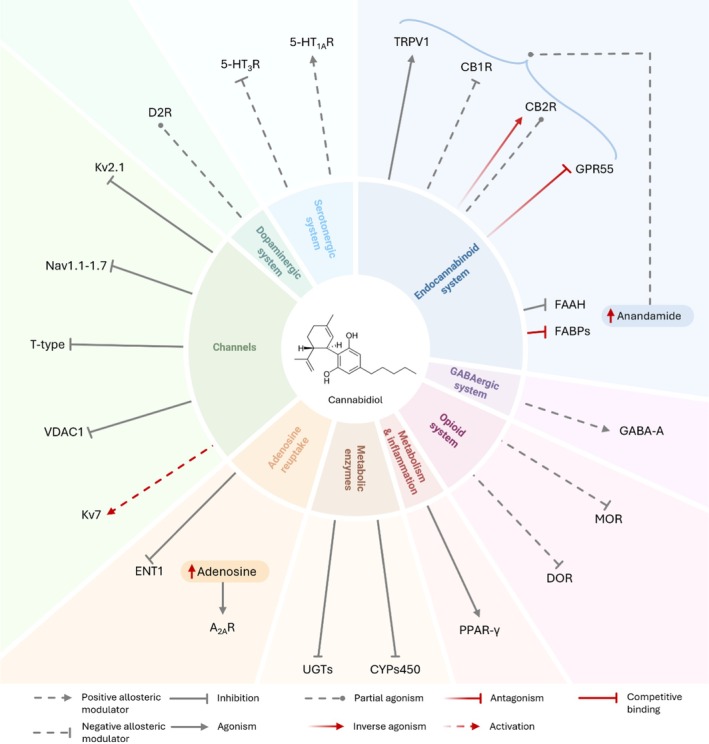 FIGURE 1
| Group | BMDL | BMD | BMDU |
|---|---|---|---|
| 1SD | 34.5 | 52.4 | 74.5 |
| 2SD | 11.1 | 18.9 | 29.0 |
| 3HW | 25.8 | 38.6 | 61.6 |
| 4HW | 20.5 | 32.1 | 47.4 |
| 5HW | 11.4 | 27.7 | 44.3 |
| Endpoints | EFSA NDA Panel ( | Present statement | Conclusion |
|---|---|---|---|
| ADME (Section |
The matrix used to deliver CBD and concomitant food consumption can have a marked effect on bioavailability of CBD. Kinetic behaviour of CBD in humans following long‐term exposure is not fully understood. The possibility that the long‐term accumulation observed in rats could also occur in humans is of concern and represents a data gap. |
New studies confirm that the matrix used to deliver CBD along with concomitant food intake, significantly and variably affect its bioavailability. The kinetic behaviour of CBD in humans following long‐term exposure remains not fully understood. This is further supported by new animal studies. | Data gap remains |
| Liver (Section | There is clear evidence for liver toxicity of CBD, demonstrated by liver hypertrophy in laboratory animals and increases in liver enzymes in experimental animals and in human studies. No NOAEL can be derived from these studies. |
The updated literature search confirms that the liver is a major target of CBD in animal studies, with liver weight and histopathological changes being the most sensitive indicators. Clinical trials in humans confirm the concerns regarding CBD‐induced liver toxicity. Moreover, they demonstrate CBD's potential to exacerbate hepatotoxicity caused by concomitant drug use. | Data gap remains |
| Interaction with drug metabolism (Section |
Evidence of CBD interaction with neurological drugs used to treat epilepsy is available, while data on potential interactions with other drugs are lacking. The interaction with drugs, because of common metabolic pathways, would also impact on the kinetics of CBD. This concern needs to be addressed. |
Most studies have focused on interactions between CBD and neurological drugs used to treat epilepsy although data on potential interactions with other groups of drugs are becoming available. The clinical relevance of these interactions is often unclear. The interactions between other drugs and CBD, because of common metabolic pathways, would also impact on the kinetics of CBD. | Data gap remains |
| Gastrointestinal tract (Section | There is a lack of studies specifically designed to investigate gastrointestinal effects during longer‐term exposure to CBD in healthy human population groups. | The results of the newly retrieved studies regarding gastrointestinal effects of CBD have major limitations. However, at lower doses no effect on the gastrointestinal tract has been observed, while in studies at higher doses diarrhoea, decrease in appetite and vomiting were recorded. | Data gap remains |
| Neurological, psychiatric and psychologic effects (Section |
The Panel notes that most human studies from the open literature concerning CBD were designed to investigate the efficacy of pharmacological use of CBD preparations rather than on safety‐related aspects. In studies with healthy volunteers, only short‐term effects after single administration of CBD preparations were investigated in most cases. Often only one dose was tested, and dose–response relationships for neurological effects of CBD could therefore not be established. The paucity of information on potential long‐term effects of CBD in healthy individuals and the limited information on dose–response relationships reflect major knowledge gaps. |
The Panel highlights significant data gaps in the literature, particularly regarding the safety profile of CBD in healthy individuals. Studies are often conducted with only one dose and for a short period of time. As a result, critical information on dose–response relationships and potential neurological or neuropsychiatric effects remains lacking. Robust data on the long‐term effects of CBD and dose‐dependent outcomes in healthy individuals are lacking. | Data gap remains |
| Endocrine system (Section | Evidence suggests that oral exposure to CBD affects the endocrine system. The Panel notes an important knowledge gap in animal studies on the potential endocrine effects of exposure to CBD, in particular in females. Furthermore, given the effects on IL10 expression (Section |
The new data suggest that subacute and subchronic exposure to CBD alter thyroid function in both males and females with decrease of T4 levels in adult animals and in offspring after in utero and lactational exposure. Adrenal weight and histology are also altered in both male and female rats. The new studies suggest that sex hormone levels are not significantly affected by oral exposure to CBD. | Data gap remains |
| Reproductive system (Section | Evidence suggests that CBD affects the reproductive system. The Panel notes an important knowledge gap in animal studies on the potential reprotoxic and teratogenic effects of exposure to CBD, in particular in females and in relation to lower doses. | The new data available suggest that the integrity of reproductive organs may be affected both in adult and after in utero and lactational exposure in the offspring. Exposure to high doses of CBD during pregnancy may trigger severe maternal toxicity and alter pregnancy outcomes. | Data gap remains |
| Developmental neurotoxicity and behaviour | Not specifically addressed |
(Section The studies suggest that prenatal CBD exposure can result in adverse, long‐lasting and sex‐specific neurodevelopmental outcomes. | Data gap identified |
| Developmental toxicity | Not specifically addressed |
(Section The data are limited to intraperitoneal studies; however, they suggest that CBD treatment during pregnancy or adolescence may affect liver function, liver metabolism and possibly cardiac cells. The possible effects after oral exposure should be investigated. | Data gap identified |
| Genotoxicity (Section | Considering the above, the Panel identified data gaps regarding the potential genotoxicity of CBD for all three genetic endpoints (gene mutation, structural and numerical chromosomal alterations), which should be assessed based on the characteristics of the NF. | Genotoxicity of CBD is related to possible contaminants derived by the production process, the composition and formulation of the CBD under assessment. Therefore, it is necessary to assess genotoxicity for CBD NF applications. |
Peer Reviews
No public reviews on file for this paper yet. If you reviewed it on a platform where reviews are public (OpenReview, ICLR, NeurIPS, ICML), you can paste yours below so the community can read it here.
Videos
No videos yet. Explain this paper in a talk, walkthrough, or lecture? Add one.
Taxonomy
TopicsCannabis and Cannabinoid Research · Ginkgo biloba and Cashew Applications · Carcinogens and Genotoxicity Assessment
INTRODUCTION
1
Background and Terms of Reference as provided by the requestor
1.1
Background
1.1.1
Regulation (EU) 2015/2283 lays down rules for the placing of novel foods (NFs) on the market within the European Union (EU).1 According to the regulation, in order to ensure the harmonised scientific assessment of NFs in the EU, such assessments should be carried out by EFSA. In performing its scientific assessment EFSA should assess, inter alia, all the characteristics of the NF that may pose a safety risk to human health and consider possible effects on vulnerable groups of the population. To date,2 four dossiers of synthetic cannabidiol (CBD) and 16 dossiers of CBD extracted from hemp are under risk assessment. Additionally, 24 applications are under validity check.
In 2021, the EFSA NDA Panel undertook a comprehensive assessment of all the information available in the scientific literature on CBD as pure substance beyond the information provided on the current NF applications with the following aim:
- To fully characterise the toxicological profile of CBD as individual substance,
- To assess the potentially adverse effects associated to CBD consumption reported in the literature,
- To assess the impact of the reported potential of CBD to interfere with drug metabolism, and
- To assess the long‐term effects in humans from chronic consumption of CBD as food.
The NDA Panel adopted the outcome of this assessment in 2022 [‘Statement on the safety of cannabidiol as a novel food: data gaps and uncertainties’ (M‐2021‐00683) (EFSA‐Q‐2021‐00735)].
In view of new evidence having become available since the publication of this Statement, the NDA Panel is asked to prepare an updated Statement to transparently review the current data gaps status identified in the available scientific literature regarding the safety of CBD as a NF.
Terms of Reference
1.1.2
The NDA Panel is requested by EFSA to update its Statement on the safety of CBD as a NF [‘Update of the statement on safety of cannabidiol as a novel food’ (M‐2025‐00032) (EFSA‐Q‐2025‐00218)]. The Statement shall present and discuss the new evidence having become available since the publication of this Statement on the safety of CBD as NF.
Scope of the statement
1.2
The scope of the current document is to:
- provide an update on the uncertainties and data gaps identified for the safety assessment of CBD as a NF based on the assessment of the most recent published scientific literature,
- identify a reference point and derive a provisional safe dose of CBD,
- provide guidance on the applicability of the specific appraisal route based on octanol–water partition coefficient (K_ow_) thresholds to assess if CBD is fully dissolved in oil or if nanoparticles are present in CBD‐related NFs.
The update Statement has been subject to public consultation (from 9 September to 14 October 2025) to gather inputs from stakeholders. This document represents the views of EFSA based on the experience gained to date with the evaluation of applications and systematic review of literature published between 2021 and 2024, and it may be updated in the future following additional scientific evidence available.
DATA AND METHODOLOGIES
2
Data
2.1
Literature searches (in Web of Science, Scopus, SciFinder, PubMed) covering relevant animal and human studies (focusing on liver, gastrointestinal, neurological and psychiatric, immunological, endocrine and reproductive toxicity endpoints) have been conducted to cover the period from 12 August 2021 to 7 June 2024 to identify the safety concerns for CBD as a NF. The NDA Panel performed a systematic review on animal and human studies conducted with CBD (with purity > 95%).
Protocols of the literature search for human and animal studies (in Appendix D of Annexes A and B) were developed in line with existing methodology (EFSA Scientific Committee, 2023).
A manual literature search was conducted for CBD molecular and cellular targets, ADME and drug–drug interaction.
Methodologies
2.2
A benchmark dose (BMD) analysis was performed using the EFSA ‘Bayesian BMD’ webtool, in line with the guidance of the Scientific Committee on BMD modelling (EFSA Scientific Committee, 2022). The analysis used data from 90‐day studies submitted as part of NF applications under Regulation (EU) 2015/22833 before 31 January 2025 that met the following criteria: conducted in accordance with Good Laboratory Practices (GLP) and OECD TG 408 and using CBD NF with a purity > 95%.
REGULATORY ASPECTS
3
In light of the judgement in Case C‐663/184 issued by the European Court of Justice, the European Commission has considered that CBD can be qualified as food, provided that the other conditions of Article 2 of the General Food Law are met.5 As CBD was not widely consumed in the EU before May 15, 1997 it has been classified as a Novel Food. As of 27 August 2025, the Commission has received over 200 applications for CBD as a Novel Food, with 17 currently undergoing risk assessment at EFSA.6
EFSA published a Statement in 2022 summarising existing knowledge on the safety of CBD consumption and identifying key data gaps that must be addressed before drawing definitive conclusions (EFSA NDA Panel, 2022). Since then, the number of scientific publications on this topic has increased significantly. In response, EFSA has decided to update its Statement, incorporating a review of literature published after 12 August 2021 (Annexes A and B) to evaluate whether the previously identified data gaps have been resolved.
Changes in the status of CBD authorisation and assessment after 2022
3.1
At present, Epidyolex® (or Epidiolex® outside the EU), a prescription medicine used to treat specific types of epilepsy (Lennox–Gastaut syndrome, Dravet syndrome and tuberous sclerosis complex) and containing highly purified cannabidiol (CBD), remains the only authorised CBD medicinal product on the European Union market.
Since the publication of the Statement of European Food Safety Authority (EFSA), there have been no changes to CBD authorisation in Europe. CBD products intended for oral consumption remain unauthorised under the existing Novel Food Regulation.
In its 2022 Statement, EFSA raised concerns regarding the potential reproductive toxicity of CBD. In February 2025, the French Agency for Food, Environmental and Occupational Health and Safety (ANSES) submitted a proposal for the classification of CBD as a presumed human reproductive toxicant under Regulation (EC) No 1272/2008 on Classification, Labelling and Packaging (CLP) of chemical substances and mixtures.7 This proposal was based on studies demonstrating adverse effects of CBD on fertility and fetal development.
Different regulatory approaches have been adopted by non‐EU authorities regarding the authorisation of CBD (for non‐medical uses):
- United Kingdom: in October 2023, the Advisory Committee on Novel Foods and Processes (ACNFP) and the Committee on Toxicity (COT) published a Statement based on new scientific evidence. They set a provisional acceptable daily intake (ADI) of 10 mg/day for an average 70 kg adult for pure CBD (≥ 98% purity). These revised figures replace the previous safe dose of 1 mg/kg per day (70 mg/day in adults) established in 2020 in the ‘Position paper on the potential risk of CBD in CBD food products8’.
- Switzerland: the Federal Department of Home Affairs and Federal Food Safety and Veterinary Office issued a letter in 2021 recommending a maximum daily oral dose of 12 mg CBD for an adult, emphasising that this limit should not be exceeded. The Swiss authorities are also calling for stricter regulation and more toxicological studies to ensure consumer safety.9
- United States: the FDA has determined that existing regulatory frameworks for foods and supplements are not appropriate for CBD; therefore, such products are not authorised under existing US regulations.10
- Australia: the Therapeutic Goods Administration (TGA) approved low‐dose CBD containing products for over‐the‐counter access as of 15 December 2020. ‘The decision will allow TGA approved low‐dose CBD containing products, up to a maximum of 150 mg/day, for use in adults, to be supplied over‐the‐counter by a pharmacist, without a prescription’.11
- Canada: the Science Advisory Committee on Health Products Containing Cannabis concluded in 2022 that CBD is safe and tolerable for short‐term use (a maximum of 30 days) at doses from 20 milligrams per day (mg/day) to a maximum dose of 200 mg/day via oral administration for healthy adults provided they discuss the use of all other medications and substances used with their pharmacist.12
Previously identified data gaps and uncertainties
3.2
The 2022 CBD Statement of EFSA highlighted several critical data gaps that prevented any conclusion on the safety of CBD as novel food (EFSA NDA Panel, 2022). A major concern was the lack of reliable studies addressing CBD intake in healthy populations, as most available research focuses on therapeutic contexts involving pharmaceutical grade products such as Epidyolex®. These studies presented several limitations and show effects on the liver, gastrointestinal tract, nervous system and psychological functions thus a no observed adverse effect level (NOAEL) cannot be established.
Animal studies have demonstrated reproductive and developmental toxicity. However, the extent to which these effects occur in humans, particularly in women of childbearing age and in young adults (18–25 years of age) whose neuronal systems are still developing, remains uncertain.
Given these data gaps and uncertainties, the Panel concluded in 2022 that the safety of CBD as a novel food could not be established (EFSA NDA Panel, 2022).
Target population and uses
3.3
According to EFSA's ‘Guidance on the scientific requirements for an application for authorisation of a novel food in the context of Regulation (EU) 2015/2283’ (EFSA NDA Panel, 2024) different approaches can be used to assess dietary exposure depending on the proposed uses of NF.
If CBD is intended as an ingredient for food supplements, applicants need to demonstrate the safety of CBD only for the intended target population, and labelling measures could be proposed by applicants to limit the maximum daily dose or to specify other restrictions or precautions regarding the consumption of CBD.
As a food ingredient, Article 5(6) of Commission Implementing Regulation (EU) 2017/2469 states that ‘where it cannot be excluded that a novel food intended for a particular group of the population would be also consumed by other groups of the population, the safety data provided shall also cover those groups’. The underlying reason for the requirement to provide safety data for all population groups is that labelling measures are considered by EU risk managers in the NF regulation not to be an appropriate tool to prevent consumption of a NF by non‐target population groups (e.g. children, and pregnant or lactating women), when the NF is used as an ingredient added to foods other than food supplements or added to foods that fall under the scope of Regulation (EU) No 609/2013, i.e. foods intended for infants and young children, foods for special medical purposes and total diet replacement for weight control.
This Statement focuses on the evaluation of CBD used as a food supplement or as an ingredient in food supplements.
ASSESSMENT OF LITERATURE DATA
4
Molecular and cellular targets of CBD
4.1
CBD can trigger a variety of biological effects mediated by intricate mechanisms of action, involving multiple molecular and cellular targets throughout the body tissues (Maccarrone et al., 2023; Manzoni et al., 2025; Peng et al., 2022; Stella, 2023), as illustrated in Figure 1.
CBD interacts with different components of the endocannabinoid system, which regulates and controls various physiological processes, including emotional behaviour, anxiety, sleep, appetite, learning and memory, pain perception, temperature regulation, inflammatory and immune responses, fertility, pregnancy and pre‐ and postnatal development (Lowe et al., 2021). Although CBD shows only limited binding affinity for cannabinoid receptors type 1 (CB1) and type 2 (CB2), it still influences their activity. It acts as a negative allosteric modulator of CB1 receptors and serves as a partial agonist of CB2 receptors, although under certain conditions it may also function as an inverse agonist at CB2 receptors (Maccarrone et al., 2023; Manzoni et al., 2025). While the precise nature of its direct interaction with CB1 and CB2 receptors remains debated, CBD is also thought to modulate these receptors indirectly by altering endocannabinoid tone. It inhibits fatty acid amide hydrolase (FAAH) (Bisogno et al., 2001), the primary enzyme responsible for anandamide (arachidonoylethanolamide, AEA) degradation and binds to fatty acid binding proteins (FABPs) (Elmes et al., 2015), which deliver AEA to FAAH. By competing for FABPs binding sites and by inhibiting FAAH, CBD may increase tonic AEA levels, indirectly activating CB1 and CB2 receptors (Maccarrone et al., 2023; Manzoni et al., 2025).
Beyond the classical cannabinoid receptors (CB1 and CB2), CBD interacts with GPR55, proposed as a putative third cannabinoid receptor, acting as an antagonist (Ross, 2009).
CBD also modulates serotonergic signalling by positively modulating 5‐HT1A and inhibiting 5‐HT3A receptors (Russo et al., 2005; Yang et al., 2010), and partially agonises dopamine D2 receptors (Seeman, 2016).
Schematic representation of the main CBD molecular targets. Adapted from Manzoni et al. (2025). 5‐HT1AR, 5‐hydroxytryptamine 1A receptor; 5‐HT3R, 5‐hydroxytryptamine 3 receptor; A2AR, adenosine receptor; CB1R, cannabinoid receptor 1; CB2R, cannabinoid receptor 2; CYPs450, cytochromes P450; D2R, dopamine receptor 2; DOR, δ opioid receptor; ENT1, equilibrative nucleoside transporter; FAAH, fatty acid amide hydrolase; FABPs, fatty acid binding proteins; GABA‐A, gamma‐aminobutyric acid type A receptor; GPR55, G‐protein receptor 55; Kv2.1, Kv7, voltage‐gated potassium channels; MOR, μ opioid receptor; Nav1.1 to Nav1.7, voltage‐gated Nav1.1 to Nav1.7 sodium channels; PPAR‐γ, peroxisome proliferator‐activated receptor gamma; TRPV1, transient receptor potential vanilloid 1; T‐type, T‐type calcium channels; UGTs, uridine 5'diphospho‐glucoronosyltransferases; VDAC, voltage‐dependent anion channel 1.
CBD inhibits adenosine reuptake by blocking its transporter, enhancing adenosine‐mediated anti‐inflammatory and neuromodulatory effects (Carrier et al., 2006; Ribeiro et al., 2012). Additionally, it functions as a negative allosteric modulator of μ and δ opioid receptors (Kathmann et al., 2006), and activates and desensitises TRPV1 channels, which are implicated in nociception and inflammation (Bisogno et al., 2001; Du et al., 2019). Its positive allosteric modulation of GABA‐A receptors may underlie the anxiolytic, anticonvulsant and analgesic properties attributed to CBD (Bakas et al., 2017).
CBD also activates PPARγ receptors, which regulate metabolic and inflammatory pathways (Iannotti & Vitale, 2021; Jadoon et al., 2016). In addition to receptor‐mediated actions, CBD influences oxidative stress, mitochondrial function, ion channels and enzymatic activity, highlighting its pleiotropic pharmacological profile (Manzoni et al., 2025). Furthermore, CBD acts as an inhibitor of various phase I and phase II drug‐metabolising enzymes potentially increasing the effects or side effects of drugs extensively metabolised by these enzymes (Nader et al., 2025; Nasrin et al., 2021; Stollberger & Finsterer, 2023) (see Section 4.4).
Absorption, distribution, metabolism and excretion (ADME)
4.2
The absorption of CBD from the gastrointestinal tract is generally low (EFSA NDA Panel, 2022). Different formulations ranging from oily or alcoholic solutions to preparations in capsules, even nano‐formulations and different matrices used to deliver CBD have been described, all reportedly influencing the pharmacokinetics of CBD. In addition, several studies have shown that food consumed at the same time can affect the bioavailability of CBD. This needs to be considered when assessing CBD as a food ingredient, with special attention to the type of formulation (e.g. nano‐formulation) used when delivering CBD as a food supplement.
Furthermore, the kinetic behaviour of CBD in humans following long‐term exposure has not been elucidated. The possibility that the long‐term accumulation observed in rats could also occur in humans is of concern and represents a data gap.
Animal studies
4.2.1
Pharmacokinetics were studied in adult male Sprague–Dawley (SD) rats that were given a single oral (gavage) dose of CBD (10 mg/kg bw of CBD in medium‐chain triglyceride (MCT) oil) (Schwotzer et al., 2023). The authors measured the levels of CBD, 6‐OH‐CBD, 7‐OH‐CBD and 7‐COOH‐CBD in plasma and brain tissue. CBD and all measured metabolites were detected in plasma within 5 min of oral dosing. T_max_ was reported to be 2h for CBD and its metabolites. Elimination half‐life could only be estimated for CBD (4.2 h) and 7‐COOH‐CBD (2.7 h). In the brain, CBD was detected within 5 min, whereas 6‐OH‐CBD and 7‐OH‐CBD within 30 min after oral dosing (7‐COOH‐CBD was reported as undetectable). T_max_ in the brain was estimated at 2 h for all detectable analytes, whereas C_max_ and AUC were highest for CBD.
Child and Tallon (2022) reported plasma pharmacokinetics and accumulation of CBD in muscle, liver and adipose tissue in adult SD male and female rats. The animals were administered CBD in MCT at 0 (control), 30, 11 or 230 mg/kg bw per day for 28 days by oral gavage. The dosing groups contained 6 males and 6 females each. The pharmacokinetics were assessed in the 115 mg/kg bw dose group on days 1 and 28. The males showed a significant reduction in T_max_ between days 1 and 28, whereas the females showed an increase in C_max_ by 36%. In addition, at day 28, AUC0‐24 was significantly greater (44%) in females than in males. Measurements of tissue levels of CBD at day 28 revealed that liver CBD levels were significantly higher in females than in males and that in both sexes adipose tissue CBD levels were ~10 to ~100 fold greater than in liver or muscle.
Fitzpatrick et al. (2024) studied the distribution of CBD in adult female rats and male and female pups (postnatal days (PND) 4 and 12) and in pregnant rats (gestation day 19). The authors used [^3^H]‐labelled CBD (≥ 98% purity, dissolved in 52% ethanol/sterile saline solution) administered at a dose of 10 mg/kg bw intraperitoneally to pups and non‐pregnant adults and fetuses (male and female) of pregnant rats at gestation day 19 or intravenously to pregnant rats at gestation day 19, to investigate tissue distribution, placental transfer and protein binding. Liquid scintillation counting was used to measure the levels of radioactivity. Consequently, the levels of CBD reported by the authors for the different compartments would be expected to reflect CDB together with any metabolite produced carrying the radiolabel. The authors reported that CBD rapidly entered both the developing and adult brains whereas entry into the cerebrospinal fluid was limited. The transfer of CBD across the placenta was limited as only about 50% of maternal blood plasma CBD concentration was detected in fetal plasma. The authors also showed that albumin was the main although not the only CBD‐binding protein at all ages.
In pregnant mice (14.5 day of gestation), Ochiai et al. (2021) injected 10 mg/kg CBD via the tail vein. No information on the purity of CBD was provided. Blood was collected at various times after injection, and distribution of CBD in the fetus and in fetal liver, brain and gut was also monitored. CBD was transferred from mother to fetus very rapidly (within 15 mins following injection) and decreased thereafter. The ratio of CBD in the fetus to maternal plasma reached a maximum after about 4h.
CBD levels were higher in the fetal liver initially, but also significantly increased in the fetal brain and gut. The fetal and maternal half‐lives for CBD were estimated to be about 5 and 2 h, respectively. Because of these results, the authors postulated that CBD intake once daily during pregnancy is unlikely to result in CBD accumulation in the mother or fetus.
There are some limitations to the study. For instance, only one intravenous (i.v.) dose of CBD was used, and the dose dependence could not be determined. The metabolites of CBD in the different compartments of the mother and fetus were not measured. CBD levels in the placenta were not recorded. Nonetheless, the study provides useful information on the transfer of CBD to the developing fetus during the second trimester in mice, including its distribution to the brain. The authors suggested that transfer across the placenta is by passive diffusion.
In the study by Coltherd et al. (2024), cats were administered once daily for 4 weeks 4 mg/kg bw of a CBD extract (supplemented to the diet). Comparison between the start of the study (day 0) and week 2 showed that the mean CBD plasma concentrations peaked at 2 h after dosing and that the AUC values computed over the 4 h sample period were significantly higher at week 2 than at the start of the study. No AUC values were reported by the authors for later time points. CBD metabolites were not measured and hence the relevance of this study is limited.
It should be noted that all the studies in pregnant animals used i.v. or intraperitoneal (i.p.) injection of CBD, which will clearly have an effect on its ADME.
Human studies
4.2.2
In a study with overweight or obese subjects, Abbotts et al. (2022) examined the relationship between CBD formulations and pharmacokinetics. The authors used five different formulations, three of which were described as water‐soluble and containing various food additives such as sorbitol, maltodextrin and gum arabic, as single ingredients or in combination. The authors also used two water‐insoluble formulations, one containing MCT coconut oil and one crystalline powder (> 99% purity). No further description was provided by the authors for any of the five formulations. Originally, the intention was to study both males and females, but only 14 males completed the study. The data showed that the water‐soluble formulations of CBD evoked the fastest T_max_, the highest C_max_ and highest relative AUC values compared with the non‐water‐soluble formulations. This showed that CBD administered in the water‐soluble formulations was absorbed more efficiently. For instance, for the water‐insoluble CBD formulation in MCT coconut oil, the C_max_ and relative AUC values were between 16%–28% and 23%–35%, respectively, of the values reported for the water‐soluble formulations. In contrast, the T_max_ value was increased 2.2‐fold to 3.3‐fold from the values obtained with water‐soluble formulations. Depending on the excipient, the absorption of the water‐soluble CBD (based on the relative AUC values) could be modified. For example, the authors reported that maltodextrin, which is thought to promote transport from the intestine, resulted in increased absorption of CBD.
In general, the pharmacokinetics of the CBD metabolites followed those of CBD, with COOH‐CBD being considerably (approximately 30x) higher than CBD and other metabolites being of similar concentrations to CBD.
A small number of participants completed the study, which is a limitation. In contrast to previous findings (EFSA NDA Panel, 2022), this study showed that CBD administered in water‐soluble formulations was more bioavailable than a formulation in oil. However, in view of the lack of information on the exact composition of the formulations used, a direct comparison is difficult.
The aim of the paper by Crippa et al. (2022) was to determine whether CBD would improve recovery from COVID‐19. Patients with COVID‐19 were given 300 mg/day CBD in MCT oil or placebo for 2 weeks. Plasma levels of CBD increased to a maximum of about 12 ng/dL (0.12 ng/mL) by day 6 and remained steady thereafter until day 14, the last day of CBD treatment. Following treatment, further samples were taken until day 28, by which time CBD levels had decreased to close to background levels but remained detectable.
Another paper (Hansen et al., 2024) examined the pharmacodynamics and pharmacokinetics of CBD and Δ^9^‐tetrahydrocannabinol, alone or in combination, in patients with multiple sclerosis. For the purposes of this Statement, only the group of patients given CBD alone (six patients) was considered. The patients were given CBD in gelatine capsules and blood samples were taken over a 24h period. Four patients were given three doses of 15 mg (total dose: 45 mg/day) per day, one patient was given two doses of 5 mg and one of 10 mg (total dose: 20 mg/day), and one patient was given a single dose of 10 mg CBD/day. The participants took the capsules with a non‐standardised meal, which further complicated data interpretation. The authors showed that only a small proportion of the dose was absorbed, supporting the data presented by Abbotts et al. (2022) and the conclusions from EFSA's previous CBD Statement (EFSA NDA Panel, 2022). However, Hansen et al., 2024) reported that CBD was quickly absorbed (0.07 h) and had a half‐life of about 5 h. These results are somewhat different from those published previously (T_max_ of 2–5 h, t_1/2_ of 10–24 h) and summarised in EFSA's CBD Statement of 2022 (EFSA NDA Panel, 2022). This paper has significant limitations, also acknowledged by the authors, related to sample size, problems in collecting samples, time between samples and non‐standardised meal.
Conclusions from new ADME data
4.2.3
The new studies confirm that the matrix used to deliver CBD and food consumed at the same time can have a marked and variable effect on the bioavailability of CBD. When systemically available, CBD can cross the placenta and is detected in the fetus. Furthermore, the kinetic behaviour of CBD in humans following long‐term exposure has not been elucidated, and it is not known whether long‐term accumulation occurs in humans. This remains a data gap.
Liver
4.3
Animal studies
4.3.1
A summary of the data reported below is given in Table 1 of Appendix A.
The results of the literature search are reported in Figure 1 and Table 1 of Annex A.
Since the previous Statement (EFSA NDA Panel, 2022), two additional 90‐day studies with SD rats became available that were performed according to OECD TG 408 (Henderson, Lefever, Heintz, et al., 2023, vehicle olive oil; Tallon & Child, 2023, vehicle MCT oil), and a reproduction and developmental toxicity screening test according to OECD TG 421 (Henderson, Welsh, Rogers, et al., 2023). Only studies with repeated CBD exposures are described here. As in previous studies with rats, hypertrophy of liver cells and/or increases in relative liver weight were the most sensitive endpoints. In the study by Tallon and Child (2023), the LOAEL was 30 mg/kg bw for liver cell hypertrophy in male, and the NOAEL was 30 mg/kg bw for relative liver weight increase in female and male rats. In the study by Henderson, Lefever, Heintz, et al. (2023), the NOAEL was 50 mg/kg bw per day for liver cell hypertrophy in male and female rats, the relative liver weight was increased in males from 80 mg/kg bw and in females from 120 mg/kg bw. No changes in liver enzymes were observed up to 140 mg/kg bw by Henderson, Lefever, Heintz, et al. (2023) and up to 460 mg/kg bw by Tallon and Child (2023). In the reproduction and developmental screening test (Henderson, Welsh, Rogers, et al., 2023), there was a dose‐dependent increase in liver cell hypertrophy (in F0) and liver weight (F0 and F1), which was statistically significant starting at the middle dose (100 mg/kg bw per day) in female and male rats.
Two studies on the tolerability of long‐term CBD supplementation in dogs (Bradley et al., 2022, CBD purity not specified, vehicle sunflower oil; Corsato Alvarenga et al., 2024, vehicle MCT oil), for 6 and 9 months, respectively, were identified in the updated literature search. Concerning liver toxicity, both studies investigated only clinical chemical endpoints but not liver histopathology or liver weight. In both studies a statistically significant increase in alkaline phosphatase (ALP) was detected at 4 mg/kg bw, the only dose tested in the study by Bradley et al. (2022) and in a dose‐dependent manner at 5 and 10 mg/kg bw in the study by Corsato Alvarenga et al. (2024). Other liver enzymes were not affected in the study by Bradley et al. (2022) at 4 mg/kg bw, whereas alanine aminotransferase (ALT) was increased at 10 but not at 5 mg/kg bw in the study by Corsato Alvarenga et al., 2024). The ALP increase correlated with increased bone alkaline phosphatase (BALP) activity (Bradley et al., 2022), suggesting the bone as possible source of the ALP increase. However, the possible correlation with liver ALP was not investigated.
The new studies in dogs confirmed earlier findings reported in EFSA NDA Panel (2022) that ALP is a sensitive endpoint in dogs. In line with EFSA NDA Panel (2022), liver cells hypertrophy and increased liver weights are observed at similar dose levels.
Clinical chemical indicators of liver toxicity were also investigated in cats (Coltherd et al., 2024). The cats were exposed in two subsequent studies: animals were treated with placebo oil or with 4 mg CBD/kg bw per day for 4 weeks or for 26 weeks. In the 4‐week study a not statistically significant increase in ALT and AST was observed, however, in the subsequent 26‐weeks study, no effects on liver enzymes were seen in the CBD treated group.
Human data
4.3.2
A summary of the data reported below is given in Table 2 of Appendix A.
The results of the literature search are reported in Figure 1 and Table 1 of Annex B.
After the literature search was completed, the Panel became aware of a study performed by Florian et al., 2025 that addressed partly questions raised by the Panel in the previous Statement. This study was also highlighted by several commentators during the Public Consultation.
The study is a RCT with a parallel design (Florian et al., 2025), conducted in 201 healthy adult participants (both male and female, aged 29–44 years, of different ethnicities), who were randomised to receive 2.5 mg of CBD (Epidiolex®)/kg bw twice daily (5mg/kg/day, corresponding according to the authors to about 400 mg/day; n = 151) or placebo (n = 50) for 4 weeks. Clinical chemistry and haematology assessments were performed on days −1, 1, 7, 14, 21, 28, 29 and 35 (after a week of follow up). The primary study endpoint was the percentage of participants with ALT or AST level greater than three times the upper limit of normal (ULN). The secondary liver endpoint was the percentage of participants meeting withdrawal criteria for potential drug‐induced liver injury (DILI) (U.S. Food and Drug Administration, 2009), which was defined in the study as ALT or AST ≥ 3 times the ULN with the presence of clinical symptoms and/or eosinophilia (> 5%) or ALT or AST level ≥ 5 times the ULN or an ALP ≥ 2 times the ULN with accompanying elevations of GGT or ALT ≥ 3 times the ULN and simultaneous elevation of bilirubin concentration exceeding 2 times the ULN. When potential DILI criteria were met, repeat liver serum levels were collected every 24–48 h until laboratory values stabilised or began a steady decrease, after which laboratory testing was performed weekly until resolution.
The presence of a viral aetiology was excluded using immunoglobulin and antigen‐ based viral serological testing.
A total of eight participants (5.6%; five females) in the CBD group showed ALT elevations exceeding three times the ULN (primary endpoint), of which 7 (4.9%) met the withdrawal criteria for DILI (secondary endpoint) consisting of ALT elevations > 3 times the ULN and accompanying eosinophilia (> 5%). Overall, the percentage of participants exceeding the ULN for parameters was 26.5% vs. 11% in controls for ALT, 11.3% vs. 2% for AST, 9.3% vs. 2% for GGT, 6.6% vs. 6% for ALP, 9.9% vs. 6% for total bilirubin. Cases of DILI were identified after about 3 weeks of treatment and resolved within 1 to 2 weeks after cessation of CBD. No cases of AST or ALT elevations exceeding three times the ULN were observed in the placebo group. The Panel notes that eosinophilia paralleled and occasionally preceded transaminase elevations in all cases of DILI observed in this study, suggesting an involvement of the immune system in CBD‐induced hepatotoxicity. It should be noted that the short duration of the study (28 days) may contribute to an underestimation of adverse effects on the liver.
This event rate is consistent with that reported in a previous studies in healthy volunteers (Crippa et al., 2021; Taylor et al., 2020; Watkins et al., 2021). These studies had already been evaluated by the Panel (EFSA NDA Panel (2022).
Several human intervention studies in patient populations under concomitant medications for the treatment of chronic disease conditions have reported cases of aminotransferase levels > 3 times the ULN in CBD treated patients.
In a randomised, placebo‐controlled, double‐blind, parallel‐group study by Pramhas et al. (2023), 86 patients with osteoarthritis treated with paracetamol (3 g/day) were randomised to consume CBD (600 mg/day) or placebo (43 per group) for 8 weeks. A placebo group not taking paracetamol was not included. Increases above baseline in liver AST, ALT or GGT activities during the active study period were detected in five placebo treated subjects and in 15 CBD treated subjects. Two‐ (at 4 or 8 weeks) or three‐fold (at any time) increases in AST (n = 2), ALT (n = 3) or GGT (n = 11) were detected in CBD treated patients but not in patients on placebo. Difference was only statistically significant for GGT. Liver enzyme values had returned to normal at 4 weeks after withdrawal of CBD.
A post‐hoc analysis of a randomised, placebo‐controlled, phase 3 trial in patients with drug‐resistant epilepsy associated with tuberous sclerosis complex was conducted in the study by Wu et al. (2022). Patients received placebo (n = 76), 25 (n = 75) or 50 mg/kg bw per day (n = 73) of Epidyolex® for 16 weeks and antiseizure medications. ALT or AST levels were more than three‐fold higher than the ULN in 9 (12%) patients in 25 mg/kg bw dose and 19 (26%) patients in the 50 mg/kg bw dose, whereas no cases were detected in the placebo group. Of the 28 patients with transaminase elevations, 22 were on concomitant valproate.
In the open‐label extension trial by Scheffer et al. (2021) of two randomised double‐blind placebo‐controlled studies (Devinsky et al., 2017; Miller et al., 2020), already addressed in EFSA NDA Panel (2022), patients with Dravet syndrome received 20–30 mg Epidyolex®/kg bw per day (median duration 63 weeks, mean modal dose 22 mg/kg bw per day). ALT and/or AST were increased > 3‐fold compared to the ULN in 69 (22%) patients receiving Epidyolex®, 58 (84%) of whom were on concomitant valproic acid treatment. GGT (reference value not specified), was increased in 10% of the patients. No results are provided for patients receiving placebo. An interaction between CBD and valproic acid leading to an increased risk of liver enzymes elevations had been previously reported (Devinsky et al., 2017; Miller et al., 2020).
Another open‐label extension trial is available from Thiele et al., 2022, based on Thiele et al. (2021) cited in EFSA NDA Panel (2022). In this study, patients with tuberous sclerosis complex received 25 or 50 mg/kg bw per day Epidyolex® (mean modal dose 27 mg/kg bw per day) for up to 1 year (median 267 days). Greater than 3‐fold elevations in serum ALT or AST levels were detected in 9% of the patients, of whom 71% were taking valproate.
Three double‐blind, placebo‐controlled, RCTs with a parallel design conducted in patient populations treated with medications for different chronic conditions have reported no effect of CBD as compared to placebo on liver enzymes analysed as continuous variables (group values). No criteria for liver toxicity were defined in these studies.
In a study by Zheng et al. (2023), 44 male and female patients with non‐surgical gastroparesis and delayed gastric emptying of solids were randomised to receive Epidyolex® up to 20 mg/kg bw per day (mean dose 9.43 mg/kg bw per day; n = 21) or placebo (n = 23) for 4 weeks. No significant differences in blood concentrations of ALT, AST or total bilirubin between the intervention and placebo groups were found at the end of the trial. Patients were under pharmacological treatment for several and heterogeneous medical conditions.
In the study by Pinto et al. (2024), 35 patients with bipolar depression were randomised to receive either CBD in corn oil (n = 19) or placebo (n = 16)) for 12 weeks. The treatment started with 150 mg/day of CBD that was increased to 300 mg/day when no efficacy was observed. Only 15 patients per group completed the study and their results were analysed. Liver enzymes were assessed at the beginning and end of the intervention. No significant differences in blood concentrations of ALT, AST or GGT or changes thereof between the intervention and placebo groups were found. Patients received various medications, mainly antidepressants.
In the study by Hansen et al. (2023), 134 patients with multiple sclerosis or spinal cord injury (n = 15) were randomised to receive either tetrahydrocannabinol (THC; 22.5 mg/day; n = 32), CBD (45 mg/day; 31), THC and CBD in combination at the reported doses (n = 31) or placebo (n = 40) for 6 weeks. ALT, ALP and bilirubin were measured at baseline, in the middle and at the end of the intervention period. The authors stated that no changes were seen in the evaluated blood samples, but data were not shown. Patients were treated with other medications, including antispastics and analgesics.
Conclusion on new data available for liver effects
4.3.3
Publications assessing CBD toxicity consistently identify the liver as a sensitive target in animal studies. Although some findings suggest that dogs may be more sensitive than rats, the most robust data come from studies in rats, where changes in liver weight and histopathology have been identified as sensitive endpoints.
Human clinical trials in healthy adults showed aminotransferase elevations > 3 times the ULN in about 6%–7% of participants receiving CBD at doses of about 5 mg/kg bw per day (about 300–400 mg/day), most of which met the criteria for DILI (Crippa et al., 2021; Florian et al., 2025). Human studies in patients highlight the potential of CBD to exacerbate hepatotoxicity when used concurrently with other medications (e.g. valproic acid). The NDA Panel concludes that the available human studies are insufficient to establish a safe dose of CBD in relation to liver toxicity.
CBD interaction with drug metabolism
4.4
Phase I and II metabolic pathways
4.4.1
CBD is extensively metabolised by cytochromes P450 (CYPs) and UDP‐glucuronosyltransferases (UGT) and therefore has the potential to interact with both phase I and II metabolism of drugs and other compounds (Bansal et al., 2020; Nader et al., 2025; Nasrin et al., 2021; Stollberger & Finsterer, 2023).
In the case of phase I metabolism, it has been shown that CBD can inhibit CYP1A2, CYP2B6, CYP2C9, CYP2C19, CYP2D6, CYP2E1 and CYP3A4/5. The mechanism of inhibition of the different CYP isoforms is through competitive inhibition of the enzymes by CBD but also time‐dependent inactivation of several CYPs has been reported. These data were used by the different authors to predict a pharmacokinetic interaction risk between orally administered CBD and drugs metabolised by these CYP isoforms.
Similarly, it has been reported that CBD also inhibits UGT, such as UGT1A9, UGT2B4 and UGT2B7 (Mazur et al., 2009; Millar et al., 2018; Nasrin et al., 2021; Stollberger & Finsterer, 2023). A levothyroxine–CBD interaction was reported (Cáceres Guido et al., 2021), indicating a possible interaction of CBD with thyroid hormone metabolism (see also Section 4.6.1).
CBD–drug pharmacokinetic interactions
4.4.2
The in vitro inhibition of phase I and II drug‐metabolising systems by CBD is well documented. There is also an increasing body of evidence documenting the clinical relevance of the interaction of CBD with the pharmacokinetics of other drugs in patients, particularly antiepileptic drugs (EFSA NDA Panel, 2022). For example, Ben‐Menachem et al. (2020) showed that CBD administration to patients receiving stiripentol led to a small increase in stiripentol plasma concentrations, C_max_ (17%) and AUC (30%). Geffrey et al. (2015) investigated the interaction between CBD and co‐administered clobazam in children with epilepsy. Metabolism of CBD was affected with increases in C_max_ of 73% and AUC of 47% for CBD and 7‐OH‐CBD. Clobazam concentrations also increased on average by 60%. Similar effects were observed when the antiepileptic drugs topiramate, rufinamide, zonisamide and eslicarbazepine as well as the immunosuppressant drug tacrolimus were co‐administered with CBD (Gaston et al., 2017; Leino et al., 2019). A phase II trial conducted in epileptic patients reported no interaction between CBD and clobazam but interaction with its major active metabolite N‐desmethylclobazam (VanLandingham et al., 2020). However, in a study in healthy volunteers (Morrison et al., 2019), CBD had little effect on clobazam kinetic parameters (C_max_ and AUC).
In a study previously described (EFSA NDA Panel, 2022) Thai et al. (2021) demonstrated that CBD inhibited caffeine metabolism. More recently, Pramhas et al. (2023) reported a randomised, placebo‐controlled, double‐blind, parallel‐group study with 43 patients with osteoarthritis per group treated either with paracetamol (3 g/day) or with paracetamol (3 g/day) and CBD (600 mg/day) for 8 weeks that showed liver toxicity after CBD co‐treatment (see Section 4.3.2).
Conclusions on new data available for the interaction of CBD with drug metabolism
4.4.3
Most studies have focused on interactions between CBD and neurological drugs used to treat epilepsy although data on potential interactions with other groups of drugs are becoming available. The clinical relevance of these interactions is often unclear. It should be noted that interactions between other drugs and CBD would also impact on the kinetics of CBD because of common metabolic pathways. This concern needs to be addressed. Overall, many of the data gaps identified previously (EFSA NDA Panel, 2022), including the possibility of enzyme induction in humans, remain.
Gastrointestinal tract
4.5
A summary of the below data is reported in Table 2 of Appendix A.
The results of the literature search are reported in Figure 1 and Table 1 of Annex B.
Six RCTs were conducted in adult patients with differing diagnoses (Crippa et al., 2022: COVID‐19 with mild to moderate symptoms, CBD 300 mg/day; Hansen et al., 2023: Multiple sclerosis or spinal cord injury, CBD 45 mg/day; Pramhas et al., 2023: Knee osteoarthritis, CBD 600 mg/day; Zheng et al., 2023: Gastroparesis with delayed gastric emptying, CBD mean dose 10 mg/kg bw per day; Narang et al., 2023: Post‐ureteroscopy stent‐related pain, CBD 20 mg/day; Gallassi et al., 2024: Crack use disorder, CBD 600 mg/day). In all these studies, patients received oral CBD as add‐on treatment to their standard medication over periods ranging from 14 days to 10 weeks. Primary endpoints of these studies were effects on the symptoms of the respective underlying diseases, while gastrointestinal‐related effects were noted as secondary or other outcomes. In one trial (Zheng et al., 2023), diarrhoea was found significantly more common in the CBD group than in the placebo group and another trial (Gallassi et al., 2024) reported fewer episodes in the CBD group regarding diarrhoea and constipation. However, the studies by Zheng et al. (2023) performed in patients with gastroparesis, and Gallassi et al. (2024) in subjects with reported crack use disorder, suffered from high drop‐out rates and both conditions limiting the interpretation of the findings. In the other trials, gastrointestinal effects including diarrhoea, abdominal pain, change in bowel habits, gastrointestinal reflux, nausea, constipation, dry mouth, flatulence or dysgeusia did not differ between CBD and placebo groups.
Wu et al. (2022) carried out a post‐hoc analysis of an RCT on patients with a median age of 11.3 years suffering from epilepsy associated with tuberous sclerosis complex. The patients received CBD in doses of either 25 or 50 mg/kg bw per day over 4‐week titration followed by 12‐week maintenance period as add‐on to anti‐seizure medications. Diarrhoea was reported as the most common adverse effect, which resolved during the 16‐week trial in most patients but lasted longer in the CBD‐receiving group than in the placebo group.
In two open‐label extension trials on epilepsy, patients with Dravet syndrome (median age 9.3 years; Scheffer et al., 2021) and tuberous sclerosis complex (median age 10.8 years; Thiele et al., 2022) received mean modal CBD daily doses of 22 and 27 mg/kg bw in addition to their existing medication over periods of 444 and 267 days, respectively. Common gastrointestinal‐related adverse effects in both studies were diarrhoea and vomiting. The study by Scheffer et al., 2021) reported no notable differences in overall adverse effects by CBD dose (≤ 20, > 20–25 or > 25 mg/kg bw per day), whereas Thiele et al. (2022) reported occurrence of these adverse effects by CBD doses ≤ 25 and > 25 mg/kg bw per day in 40% versus 47% of patients respectively for diarrhoea, and for vomiting in 13% versus 28% patients respectively.
Conclusion on new data available for gastrointestinal tract effects
4.5.1
The newly retrieved studies regarding gastrointestinal effects of CBD have major limitations. They were conducted in patients under medical treatment and effects of CBD on the gastrointestinal systems were assessed only as secondary or other outcomes. Additional limitations of the individual studies relate to the testing of one dose only, high drop‐out rates or unclear adherence to the protocol. However, at doses below 300 mg/day no effect on the gastrointestinal tract has been observed, while in studies at higher doses diarrhoea and vomiting were recorded.
Neurological, psychiatric and psychologic effects
4.6
A summary of the below data is reported in Table 2 of Appendix A.
The results of the literature search are reported in Figure 1 and Table 1 of Annex B.
Mechanistic studies suggest that CBD interacts with multiple molecular targets and modulates various signalling pathways through both receptor‐dependent and receptor‐independent mechanisms (Figure 1).
Numerous potential targets of CBD (discussed in Section 4.1) are expressed throughout the nervous system, including cannabinoid, serotonin, GABA‐A, opioid, vanilloid or dopamine receptors. The magnitude and nature of the effects of CBD depend on several factors, including receptor interplay, CBD dose and duration of exposure, the presence of disease or medical conditions, and concurrent use of other pharmacological agents.
No relevant animal studies were identified.
Several recent clinical studies have evaluated the neurological, psychiatric and psychologic effects of CBD in patients with diverse medical conditions.
A double‐blind RCT evaluated the safety, tolerability and preliminary efficacy of CBD (600 mg daily for 9 weeks plus 1 week recovery) compared to standard pharmacological treatment for reducing crack cocaine use in individuals with crack use disorder (Gallassi et al., 2024). CBD‐induced fewer adverse events (e.g. dizziness, memory impairment) as compared to the control group. This study faced several limitations, including the inability to implement sex‐based stratification due to low female enrolment, high drop‐out rates likely influenced by the COVID‐19 pandemic, social vulnerability of the participants and lack of control of compliance to the treatment.
In patients with mild to moderate COVID‐19, CBD (300 mg daily for 2 weeks) produced mild and transient central nervous system‐related undesirable effects, such as somnolence, fatigue, appetite changes and lethargy comparable to those reported in the placebo group (Crippa et al., 2022).
In a study designed to assess whether CBD (75–300 mg for 12 weeks) alleviates symptoms of Restless Legs Syndrome/Willis‐Ekbom Disease or improve sleep quality in patients with Parkinson's disease and REM sleep behaviour disorder (De Almeida et al., 2023), adverse events appeared to be evenly distributed between the CBD and placebo groups. However, the sample size was rather small (12 placebo and 6 CBD treated) for analyses of secondary safety outcome measures.
Similarly, in a study assessing the effect of CBD treatment (300 mg once a week for 8 weeks) in patients with refractory anxiety (Kwee et al., 2022), no differences in adverse events were observed between the CBD and placebo. However, CBD was administered only once a week, and therefore, the relevance of these findings cannot be generalised to chronic CBD exposure.
In another study (Narang et al., 2023), patients received 20 mg CBD for 3 days after ureteroscopy and a significant increase in dizziness on post‐operative day 1 was reported compared to patients receiving placebo. However, given the post‐operative conditions, these findings cannot be used for the safety assessment of CBD.
In post‐traumatic stress disorder (PTSD) patients, a single oral dose of CBD (300 mg) reduced anxiety and cognitive impairments during nonsexual trauma recall (Bolsoni et al., 2022a, 2022b). In patients with early psychosis, acute CBD administration (600 mg) attenuated insular activation during the processing of motivationally salient stimuli (Gunasekera et al., 2023). However, the focus on acute effects of the study does not allow the extrapolation to long‐term exposure.
In a randomised, placebo‐controlled, double‐blind, parallel‐group study by Pramhas et al. (2023), patients with osteoarthritis were treated either with paracetamol (3 g/day) or with paracetamol and 600 mg/day of CBD for 8 weeks. No significant effects were reported for fatigue, sleep disturbance, change in appetite and changes in mood. However, given the short duration of the study, the relevance of these findings for the safety assessment on neurological effects following long‐term CBD exposure is limited.
In a study that assessed the effects of THC, CBD (45 mg/day) and their combination on neuropathic pain and spasticity in patients with multiple sclerosis treated for 6 weeks, adverse effects (e.g. dizziness) were reported most frequently in the groups receiving THC alone or in combination with CBD. However, such effects were not observed following CBD treatment alone (Hansen et al., 2023).
In open‐label oral studies CBD treatment reduced seizure frequency in patients with Dravet syndrome (Scheffer et al., 2021) and in patients with tuberous sclerosis complex (Thiele et al., 2022). The most common adverse effects were somnolence, convulsion and seizure, and changes in appetite. Similarly, in a double‐blind, randomised, parallel‐group phase 3 trial (Wu et al., 2022), using treatment with up to 50 mg/kg bw per day for a total of 16 weeks of CBD, the authors reported decrease of appetite and somnolence as major neurological adverse effects.
Wall et al., 2022 reported that a single oral dose (600 mg) of CBD produced a mixed pattern on functional connectivity assessed through resting‐state fMRI, enhancing connectivity in the associative network while causing minor disruptions in limbic and sensorimotor networks.13
Collectively, the recent clinical findings indicate CBD treatment can affect the central nervous system.
Conclusion on new data available for neurological, psychiatric and psychologic effects
4.6.1
The Panel highlights significant data gaps in the new literature on the neurological, psychiatric and psychologic effects of CBD, particularly regarding its safety profile in healthy individuals. Most recent human studies have focused on evaluating the therapeutic efficacy of CBD in specific patient populations, rather than assessing its safety in the general population and often only one dose was tested. As a result, there is still a lack of critical information on dose–response relationships and potential neurological or neuropsychiatric effects. Given CBD's interaction with multiple molecular targets involved in neurophysiological regulation, the absence of robust data on its long‐term effects and dose‐dependent outcomes in healthy individuals represents a substantial data gap.
These results underscore the need for larger, well‐controlled trials with standardised dosing regimens, sex‐based analyses and longer follow up to better define CBD's safety profile across general populations.
Endocrine system
4.7
A summary of the below data is reported in Table 1 of Appendix A.
The results of the literature search are reported in Figure 1 and Table 1 of Annex A.
Thyroid hormones
4.7.1
Animal studies
4.7.1.1
In a reproduction and developmental toxicity screening test carried out according to OECD TG 421 (Henderson, Welsh, Rogers, et al., 2023), rats were exposed to the vehicle (olive oil), 30, 100 or 300 mg/kg bw per day CBD by oral gavage. The parental generation (F_0_) was exposed before (14 days) and during the mating phase, and dams were continuously exposed through gestation and lactation. F_1_ pups were exposed through gestation, lactation and up to PND 43. Treatment‐related mortality, moribundity and decreased body weight and food consumption were observed in high dose F_0_ adult animals (one male found dead, seven females euthanised; one pair did not produce offspring).
Thyroid hormone concentrations in the parental generation were analysed. F_0_ males [study day (SD) 28] and females [lactation day (LD) 21] displayed a dose‐dependent decrease in T4 serum concentrations that was statistically significant in the middle and high dose groups. F_0_ females also showed a statistically significant decrease in T3 concentrations in the high dose group (but the sample size was limited to the three remaining animals). This was accompanied by an increase in thyroidal epithelial hypertrophy and hyperplasia in both sexes, starting from the middle dose. No statistically significant changes in thyroid and parathyroid weights were reported. The Panel notes that no information on TSH concentrations was provided.
Thyroid hormone levels in the F_1_ generation were also analysed. At PND4, pooled male and female samples showed a dose‐dependent decrease in T4, with statistical significance in the high dose group. At PND21, no effects on T4 levels were observed. Slightly lower mean absolute and higher mean relative to bw thyroid and parathyroid weights were noted in F_1_ males and females in the highest dose group on PND21, but these differences were not statistically significant.
Tallon and Child (2023) carried out three studies. In a 14‐day oral dose‐range finding toxicity study, rats were gavaged with the vehicle (MCT oil), 115, 230 or 460 mg/kg bw per day of CBD. Statistically significant increases in absolute and/or relative thyroid/parathyroid weights were observed in the middle and high dose groups.
In a 15‐day prenatal developmental toxicity study based on OECD TG 414 (Tallon & Child, 2023), female rats aged 10–12 weeks were orally administered a solution of CBD in MCT oil (final concentration of 31–33%) at doses of 30, 115, 230 and 460 mg/kg bw per day from gestation day (GD) 5 to 19. A significant decrease in T4 at GD 20 was observed in females treated with the two highest doses. No significant changes in T3 and TSH levels were observed. Thyroid weights were not reported.
In a 90‐day repeated dose toxicity study, carried out according to OECD TG 408 by the same authors (Tallon & Child, 2023), using the same test item and dose range, a statistically significant reduction in T4 was noted in females, starting at 115 mg/kg bw per day and in males starting at 230 mg/kg bw per day. A significant increase in T3 was observed in males only at the dose of 115 mg/kg bw per day of CBD (reported to be within historical control data), while a dose of 230 mg/kg bw per day caused a significant reduction in TSH in both females and males.
In males only, thyroid and parathyroid weights were statistically significantly increased starting from 115 mg/kg bw per day. The histopathological analysis reported a test‐related and dose‐dependent follicular cell hypertrophy of the thyroid gland in both males and females starting from 115 mg/kg bw per day.
In the 90‐day oral toxicity study in SD rats conducted according to OECD TG 408 by Henderson, Lefever, Heintz, et al., 2023), rats were dosed with the vehicle (olive oil), 50, 80, 120 or 140 mg/kg bw per day CBD. TSH levels increased significantly in both sexes starting at 80 mg/kg bw per day. No statistically significant changes were detected for T3, T4 levels and no histopathological findings in the thyroid and parathyroid were reported up to the highest dose tested.
Human studies
4.7.1.2
Human data on the thyroid effects of CBD remain sparse. In the randomised, double‐blind, placebo‐controlled clinical trial in 201 adults described in Section 4.3.2 (Florian et al., 2025), no differences were observed between the 5 mg/kg per day CBD (administered as 2.5 mg/kg twice daily for 28 days) and placebo groups for TSH, total T3 and free T4 in all participants. The Panel notes that the study was not designed to assess endocrine endpoints, and that the duration of the study does not allow to conclude on endocrine toxicity after long‐term CBD exposure.
Adrenals
4.7.2
In a 14‐day repeated dose oral (dose‐range finding) toxicity study by Tallon and Child (2023), rats were gavaged with the vehicle (MCT oil), 115, 230 or 460 mg/kg bw per day CBD. Absolute adrenal gland weights and adrenal gland‐to‐body/brain weight ratios were statistically increased in females of the high dose group.
In the OECD‐compliant 90‐day study by the same authors (Tallon & Child, 2023), where rats were orally administered a solution of CBD in MCT oil at doses of 30, 115, 230 and 460 mg/kg bw per day, a dose‐dependent increase in absolute adrenal gland weight and in the adrenal‐to‐brain weight ratio was observed in females at 230 and 460 mg/kg bw per day. Increases in the adrenal‐to‐body weight ratio were noted in females starting from 115 mg/kg bw per day and in males at 460 mg/kg bw per day only. The histopathological analysis reported vacuolation in the adrenal cortex of both sexes at 30 and 460 mg/kg bw per day.
In the 14‐day repeated dose oral toxicity study by Henderson, Lefever, Heintz, et al. (2023), rats were gavaged with the vehicle (olive oil), 30, 70 or 150 mg/kg bw per day CBD. Absolute adrenal gland weights and adrenal gland‐to‐body weight ratios were unchanged in males. In females, absolute adrenal gland weight was statistically significantly increased in the high dose group; adrenal weight relative to body weight displayed a non‐statistically significant, dose‐dependent increase.
In the 90‐day oral toxicity study in rats conducted according to OECD TG 408 by Henderson, Lefever, Heintz, et al. (2023), females showed a statistically significant increase in absolute and/or relative adrenal weight starting from 80 mg/kg bw per day CBD, while males displayed an isolated increase in adrenal‐to‐bw ratio after exposure to 120 mg/kg bw per day CBD. Histopathological analyses revealed increased incidence and severity in vacuolation with increasing doses of CBD in males, with statistical significance starting at 120 mg/kg bw per day.
In a reproductive and developmental toxicity screening test carried out according to OECD TG 421 (Henderson, Welsh, Rogers, et al., 2023), rats were exposed to the olive oil vehicle, 30, 100, 300 mg/kg bw per day CBD by oral gavage. F_0_ males (SD 28) and females (LD 21) displayed a dose‐dependent increase in adrenal weights, with statistical significance starting at the middle dose. Higher adrenal gland weights correlated with microscopic findings of adrenal cortical hypertrophy, adrenal gland enlargement and/or pale discoloration. However, corticosteroid hormone levels were not investigated.
Sex hormones
4.7.3
Animal data
4.7.3.1
In a 34‐day oral toxicity study (Carvalho et al., 2022), where male mice were orally exposed to the vehicle (sunflower oil), 15 or 30 mg/kg bw per day CBD, no statistically significant effects were noted in serum progesterone, total testosterone and oestradiol concentrations after daily oral exposure to 15 or 30 mg/kg CBD.
In the reproduction and developmental toxicity screening test carried out according to OECD TG 421 by Henderson, Welsh, Rogers, et al. (2023), where rats were exposed to olive oil (vehicle), 30, 100, 300 mg/kg bw per day CBD by oral gavage, F_0_ male testosterone concentrations did not significantly differ from the control after a 28‐day exposure premating and during mating. The Panel notes that two males in the high dose group displayed values higher than the upper limit of quantification of testosterone.
In the OECD‐compliant 90‐day study by Tallon and Child (2023), in which 8‐week‐old rats were orally administered a solution of CBD in MCT oil at doses of 30, 115, 230 and 460 mg/kg bw per day, no statistically significant changes in testosterone or oestradiol levels were observed across study groups in both males and females, except for a statistically significant increase in oestradiol in males from the highest dose 35‐day recovery group.
Human studies
4.7.3.2
In the randomised, double‐blind, placebo‐controlled clinical trial in 201 adults described in Section 4.3.2 (Florian et al., 2025), no differences were observed between the 5 mg/kg/day CBD (administered as 2.5 mg/kg twice daily for 28 days) and placebo groups for inhibin B and total testosterone in all participants. The Panel notes that the study was not designed to assess endocrine endpoints, that the duration of the study does not allow to conclude on endocrine toxicity after long‐term CBD exposure.
Conclusion on new data available for endocrine effects
4.7.4
The new data suggest that subacute and subchronic exposure to CBD alter thyroid function in both male and female animals. T4 concentrations appear to be consistently decreased in adult animals after various degrees and durations of CBD administration. In some reports, the decrease in T4 was accompanied by changes in thyroid histological structure (epithelial hypertrophy). In utero and lactational exposure appears to produce similar effects in the offspring. Dose‐dependent thyroidal effects are seen starting at 30 mg/kg bw per day and reached statistical significance starting from 100 mg/kg bw per day.
Adrenal weight and histology are also altered in both male and female rats. Findings were dose‐dependent and display statistical significance starting from 80 mg/kg bw per day.
Although indications were found that CBD can potentially affect gonadotropins and sex hormone levels (EFSA NDA Panel, 2022), the three new studies described above suggest that sex hormone levels are not significantly affected by oral exposure to CBD. The Panel notes that blood collection time at necropsy, which can substantially impact sex hormone measurements, was not mentioned.
Reproductive system
4.8
A summary of the below data is reported in Table 1 of Appendix A.
The results of the literature search are reported in Figure 1 and Table 1 of Annex A.
Reproductive tract
4.8.1
Reproductive organ weights and histopathology
4.8.1.1
In the reproductive and developmental toxicity screening test carried out according to OECD TG 421 by Henderson, Welsh, Rogers, et al. (2023), in which rats were exposed to olive oil (vehicle), 30, 100, 300 mg/kg bw per day CBD by oral gavage, F_0_ males displayed a dose‐dependent, non‐statistically significant decrease in prostate and epididymal weights relative to body weight, and an isolated statistically significant increase in relative testicular weight (organ to body weight ratio) in the high dose group. No associated histopathological alterations were reported. At the highest dose tested, F_1_ animals displayed a statistically significant increase in testicular, decrease in epididymal and decrease in ovarian weights, both absolute and relative to brain weight.
In the OECD‐compliant 90‐day study by Tallon and Child (2023), rats were orally administered a solution of CBD in MCT oil (vehicle) at doses of 30, 115, 230 and 460 mg/kg bw per day. Neither testicular nor ovarian weights were affected. A treatment‐related vacuolisation in the interstitial cells was observed in ovary in females treated with 115 mg/kg bw per day.
In the subchronic oral toxicity study in SD rats conducted according to OECD TG 408 by Henderson, Lefever, Heintz, et al. (2023), exposure to CBD did not affect reproductive organ weights after 90 days, but the weight of ovaries (with oviducts, absolute and relative to bw) increased significantly in the high dose 28‐day recovery group females (140 mg/kg bw per day).
Fertility
4.8.2
Oestrous cyclicity
4.8.2.1
In the OECD‐compliant 90‐day study by Tallon and Child (2023), where 8‐week‐old rats were orally administered a solution of CBD in MCT oil at doses of 30, 115, 230 and 460 mg/kg bw per day, a statistically significant reduction in the number of oestrous cycles was noted in females during weeks 6 to 7 in the 230 mg/kg bw per day group. No other statistical changes were recorded in terms of mean cycle length or number of cycles.
In the reproduction and developmental toxicity screening test carried out according to OECD TG 421 by Henderson, Welsh, Rogers, et al. (2023), where rats were exposed to olive oil (vehicle), 30, 100 or 300 mg/kg bw per day CBD by oral gavage, non‐statistically significant increases in oestrus cycle lengths in F_0_ females were observed in all treated groups.
Sperm quality
4.8.2.2
In a 34‐day‐(4 spermatogenic cycles) oral toxicity study in mice (Carvalho et al., 2022), 15 and 30 mg/kg bw per day CBD diluted in sunflower oil did not affect final body, testicular or epididymal weight or epididymal sperm count. Mice exposed to 30 mg/kg bw per day of CBD showed a reduction in the percentage of mobile spermatozoa and in curvilinear velocity, while straight line and average path velocity decreased in both treated groups. Both CBD doses affected spermatogenesis, in particular proliferation and the formation of haploid germ cells, as evidenced by staging, as well as seminiferous epithelium height. Sperm quality was also significantly affected by CBD exposure, with increased deoxyribonucleic acid (DNA) damage, decreased antioxidant enzyme activity and increased lipid peroxidation in cauda sperm. Finally, the frequency of acrosome‐intact spermatozoa was decreased in the high dose group, and the number of abnormal acrosomes raised in both CBD groups. These data suggest that exposure to CBD affects spermatogenesis and sperm quality starting at 15 mg/kg bw per day.
In the reproduction and developmental toxicity screening test carried out according to OECD TG 421 by Henderson, Welsh, Rogers, et al. (2023), where rats were exposed to olive oil (vehicle), 30, 100 or 300 mg/kg bw per day CBD by oral gavage, F_0_ males displayed a dose‐dependent, non‐statistically significant decrease in sperm concentration, while sperm motility and morphology remained unaffected. The Panel notes that the duration of exposure of F_0_ males did not cover the duration of the entire process of spermatogenesis, which might have hampered the identification of changes in sperm parameters.
In the OECD‐compliant 90‐day study by Tallon and Child (2023), rats were orally administered a solution of CBD in MCT oil at doses of 30, 115, 230 and 460 mg/kg bw per day. A statistically significant decrease in homogenisation‐resistant spermatid (HRS) counts was observed in males in the highest dose recovery group, suggesting spermiation disruption or defects.14
Fertility and pregnancy outcome
4.8.2.3
In the reproduction and developmental toxicity screening test carried out according to OECD TG 421 by Henderson, Welsh, Rogers, et al. (2023), where rats were exposed to olive oil (vehicle), 30, 100 or 300 mg/kg bw per day CBD by oral gavage, a slight, non‐statistically significant increase in pre‐coital interval was observed for F_0_ animals. F_0_ reproductive and gestational parameters (mating, fertility and pregnancy indices, mean gestation length, number of implantations, post‐implantation loss) were not affected. There was no statistically significant effect of exposure to CBD on F_1_ litter outcomes and postnatal survival in the low and middle dose groups. However, in the high dose group, severe maternal toxicity (seven mothers were euthanised) and litter losses were reported. Both sexes showed significantly lower weights from PND 4 to 21.
In a 15‐day prenatal developmental toxicity study carried out by Tallon and Child (2023), female rats aged 10–12 weeks were orally administered a solution of CBD in MCT oil at doses of 30, 115, 230 and 460 mg/kg bw per day from GD 5 to 19. No test item‐related effects were observed on pregnancy rate, maternal or placental gross abnormalities, or premature deliveries, nor in the mean number of corpora lutea, implantations, resorptions, pre‐ or post‐implantation losses, or gravid uterine weights.
Pregnant Wistar rat dams received daily i.p. injections of either a vehicle solution or 3 mg/kg bw per day of CBD from GD 6 to parturition (Vanin et al., 2024). CBD exposure did not lead to observable changes in maternal or neonatal outcomes, including gestational length, maternal food intake, pregnancy weight gain, litter size and pup survival to PND 4.
Conclusion on new data available for reproductive toxicity
4.8.3
The new data available suggest that the integrity of reproductive organs may be affected by exposure to CBD. In utero and lactational exposure to CBD appear to produce similar effects in the offspring. Effects after oral exposure were observed starting from 115 mg/kg bw per day. In females, oestrous cyclicity may be affected by exposure to CBD starting at 30 mg/kg bw per day. In males, new data also suggest that CBD may affect sperm chromatin integrity, spermiation and overall sperm quality starting at 15 mg/kg bw per day. Finally, exposure to high doses of CBD during pregnancy may trigger severe maternal toxicity and alter pregnancy outcomes.
Developmental neurotoxicity and behaviour
4.8.4
A summary of the below data is reported in Table 1 of Appendix A.
The results of the literature search are reported in Figure 1 and Table 1 of Annex A.
Recent preclinical studies have explored the impact of developmental exposure to CBD on brain function and behaviour.
Neurodevelopmental consequences of CBD exposure have been reported in rodents. In rats, daily administration of CBD (30 mg/kg bw, i.p.) from GD 7 to parturition statistical reduced body weight at birth and induced sex‐specific alterations in anxiety‐like behaviour, cognitive performance and sensory processing during adolescence (DeVuono et al., 2024). These behavioural outcomes were associated with sex‐ and treatment‐specific neuronal and transcriptional changes in the prefrontal cortex and ventral hippocampus (DeVuono et al., 2024).15
In mice, oral CBD administration (20 mg/kg bw per day) from 2 weeks prior to mating through gestation and lactation led to sex‐specific alterations in working memory, anxiety‐like behaviour and widespread changes in brain DNA methylation in adult offspring (Wanner et al., 2021). Similarly, oral CBD administration (50 mg/kg bw per day) to pregnant mice from embryonic day (ED) 5 until birth disrupted neurodevelopment and postnatal behaviour in the offspring in a sex‐specific manner (Swenson et al., 2023). Specifically, prenatal CBD exposure increased thermal pain sensitivity in male offspring, reduced prefrontal cortical excitability in female offspring and impaired problem‐solving behaviour in females (Swenson et al., 2023). In line with these findings showing sex‐specific effects of prenatal CBD administration on brain function and behaviour in the offspring, low‐dose prenatal CBD exposure of mice (3 mg/kg bw per day, subcutaneous, GD5–GD18) was also shown to induce sex‐specific differences in birth weight, early communicative behaviour and cognitive abilities (Iezzi et al., 2022, 16).
Conclusion on new data available for developmental neurotoxicity and behaviour
4.8.4.1
The studies suggest that prenatal CBD exposure can result in adverse, long‐lasting and sex‐specific neurodevelopmental outcomes.
Developmental toxicity
4.8.5
A summary of the below data is reported in Table 1 of Appendix A.
The results of the literature search are reported in Figure 1 and Table 1 of Annex A.
Pregnant dams were exposed intraperitoneally to vehicle or 3 mg/kg bw per day CBD from ED 6.5 to ED 18.5 and necropsied at ED 19.5 (Allen et al., 2024, 17). CBD exposure led to a statistically significant ~10% reduction in fetal weight. Most placental structural parameters remained unchanged, but there was a small yet significant reduction in the fetal blood space perimeter‐to‐area i.e. ratio and in the number of endothelial and SynTII cells, indicating possible disruption in placental blood exchange. Gene expression analysis via immunostaining and RNA sequencing suggested that CBD may impair glucose transport, angiogenesis and key metabolic pathways. Taken together, these data suggest that CBD may alter placental structure and contribute to fetal growth restriction.
Pregnant rats received daily i.p. injections of either a vehicle solution or 3 mg/kg bw per day of CBD from GD 6 to parturition (Vanin et al., 2024). By 3 months of age, male offspring exposed to CBD displayed glucose intolerance. I.p. glucose administration led to higher glucose peak blood concentrations and calculated AUC values for 3‐month‐old male, but not female, offspring exposed to CBD in utero as compared to controls. While pancreatic morphometry did not reveal differences in β‐cell or α‐cell mass in the 3‐month‐old males that had been exposed to CBD, transcriptomic analyses on the liver indicated alterations in expression of certain genes potentially related to glucose homeostasis or to liver development, suggesting long‐lasting developmental effects of in utero exposure to CBD.
In a developmental study (Lee et al., 2024) in which pregnant rats were exposed to the vehicle (1:18 cremophor:saline), 3 or 30 mg/kg bw per day CBD via i.p. injection from GD 6 to birth (GD 22), no effect of CBD was observed on gestational length, maternal weight gain or food intake. Litter size was slightly (−9%), non‐statistically significantly smaller in the high dose group. There was no effect on birth weight or heart‐to‐body weight ratio at birth or at PND 21. However, male offspring displayed a statistically significant decrease in stroke volume and cardiac output in both CBD groups, as well as a reduction in ejection fraction in the high dose group at PND 21. Cardiac gene expression revealed a decrease in CB2 receptor messenger ribonucleic acid (mRNA) expression in PND 21 males in the high dose group, consistent with a decrease in CB2 protein expression. In females, significant reduction in cardiac Mgll (degradation of 2‐AG) transcript was observed in both CBD groups, but it was not associated with protein change. PND 1 males displayed a statistically significant reduction in cardiac CB2 receptor transcripts in the high dose group, and reduction in Daglα in both dose groups. Bulk RNA‐seq analyses revealed transcriptomic change associated with CBD exposure (mitochondrial upregulated pathways, neuronal and developmental downregulated pathways).
With regard to metabolic markers, the study performed by Reyes‐Cuapio et al. (2021) demonstrated that juvenile exposure to CBD can influence triglyceride levels and antioxidant activity in the liver in adulthood. In this 14‐day study, juvenile male rats (from PND 30) were intraperitoneally injected daily with a solution of CBD in polyethylene glycol/saline (5:95 v/v) at doses of 0, 5, 10 or 30 mg/kg bw. The results showed that at the highest doses tested, CBD significantly decreased triglyceride levels in the liver and the same doses caused a reduction in antioxidant levels (assessed via 2,2‐diphenyl‐1‐picrylhydrazyl (DPPH) activity).
Conclusion on new data available for developmental toxicity
4.8.5.1
The data reported above are limited to i.p. studies; however, they suggest that CBD treatment during pregnancy or adolescence may affect liver function, liver metabolism and possibly cardiac cells and function.
Presence of small particles, including nanoparticles
4.9
Depending on purity and production methods, CBD‐related NFs may be available either as powders and viscous extracts obtained from Cannabis sativa or as chemically synthesised CBD. Formulations used to deliver CBD may contain small particles, including nanoparticles, which may affect the ADME of CBD. Therefore, investigation on the presence of small particles according to the appropriate EFSA guidance (EFSA Scientific Committee, 2021a) should be conducted both in case of powder and viscous extract formulations, as extracts near saturation could lead to the presence of suspended particles resulting from the solubility equilibrium.
CBD is lipophilic with a log K_ow_ of ca. 6.5 and, therefore, has a low water solubility. A specific appraisal route based on K_ow_ thresholds can be followed to assess if CBD is fully dissolved in oil or small particles, including nanoparticles, are present in CBD‐related NFs (Annex B – EFSA Scientific Committee, 2021b). A schematic decision tree to facilitate application of this appraisal route is provided in Appendix B.
On the basis of K_ow_ consideration, NFs consisting of ≥ 98% pure CBD in edible oils can be assumed to be dissolved, thereby losing any crystalline or particulate nature, provided that the following conditions are met:
- Based on scientific literature, considerations on the CBD concentration and its related solubility in the designed food‐grade oil matrix (i.e. type(s) of oil) must demonstrate that CBD dissolution is fully ensured for all foreseeable consumer use conditions.
- In‐solution stability over the entire shelf‐life is experimentally demonstrated or supported by a valid scientific rationale (e.g. comparing CBD solubility in the chosen oil matrix with concentrations in final formulations), ensuring that no precipitation occurs in (super)saturated solutions due to temperature fluctuations.
As cannabinoids are a group of chemically similar compounds, the same considerations apply to NFs consisting of mixtures containing ≥ 98% of total cannabinoids (including CBD) if marketed as formulations in edible oil solutions. However, on top of the above‐presented conditions, the K_ow_ value must be provided for each of the cannabinoids present in the NF, with the least lipophilic compound (i.e. with the lowest log K_ow_) meeting the required threshold of log K_ow_ ≥3.
The presence of certain impurities (e.g. non‐cannabinoid substances) may cause the dissolution behaviour of the organic material to deviate from that predicted from log K_ow_. Therefore, for NF consisting of < 98% total cannabinoids intended to be marketed in edible oil solutions, additional considerations are needed. These include a detailed characterisation of non‐cannabinoid impurities to the highest degree analytically possible, and the evaluation of indirect effects such as possible surface chemical modifications of CBD crystals/particles that may alter the theoretical dissolution behaviour of CBD.
For all final formulations that involve and do not affect full solubility of CBD in edible oils regardless the delivery format, the above considerations apply. However, for final formulations that are not based on edible oil solutions (e.g. tablets), the log K_ow_ appraisal route is not applicable to overrule the potential dietary exposure of consumers to small particles, including nanoparticles. In such cases, experimental data on particle size distribution are needed according to the applicable EFSA guidance (EFSA Scientific Committee, 2021a).
If based on such guidance a relevant fraction of small particles is confirmed, ADME pathways and toxicological proprieties of CBD may be altered and the toxicity testing approach may need to be modified accordingly (EFSA Scientific Committee, 2021a). Likewise, if the manufacturing or formulation of the NF foresees the use of nanotechnology resulting in the production of a nanomaterial or a nano‐formulated form, the relevant guidance EFSA Scientific Committee (2021b) applies. This is because any reduction of the particle size or modification of the surface chemistry of CBD particles or processes promoting the formation of nano‐emulsions to achieve a better water solubility and/or improved absorption would challenge current ADME and toxicological considerations outlined in this Statement.
In conclusion, where the specific appraisal route based on K_ow_ thresholds is not applicable, the presence of small particles and/or nanoparticles must be assessed according to the relevant EFSA guidance documents (EFSA Scientific Committee, 2021a, 2021b) to ensure that the appropriate design for the ADME and toxicological studies is implemented, and that the safety assessment of CBD is conducted appropriately.
Genotoxicity
4.10
The assessment of potential genotoxicity is a fundamental component of the NF risk assessment. Although current publications, such as Henderson, Welsh, Trexler, et al. (2023), suggest that CBD itself does not induce genotoxicity, factors such as the formulation (e.g. nano‐formulation) and the production process may introduce genotoxic hazards. Therefore, the Panel considers it is necessary to assess genotoxicity for CBD NF applications.
CRITICAL EFFECTS OBSERVED IN 90‐DAY STUDIES SUBMITTED BY APPLICANTS
5
Twenty CBD applications are currently under assessment including 10 separate 90‐day subchronic toxicity studies with different degrees of CBD purity. Each study was independently evaluated by the Panel.
This analysis provided evidence for several recurrent effects associated with CBD exposure:
- organ weight changes: notable, dose‐dependent increases in organ weights have been often recorded in animals of both sexes, including liver, adrenal glands and kidneys. Elevated liver weight was frequently associated with histopathological findings indicative of liver hypertrophy.
- thyroidal and hormonal alterations: changes in thyroid weight and fluctuations in hormonal concentrations have also been observed, suggesting potential endocrine‐related effects.
Following the evaluation of these studies, liver was identified as the most sensitive and consistently affected organ, and liver weight‐to‐body weight ratio was determined as the most critical parameter for further analysis. Considering the robustness of the data available, the Panel conducted a benchmark dose (BMD) modelling to identify a provisional reference point (RP) and support the risk assessment of the safety of CBD.
Benchmark dose (BMD) modelling
5.1
The BMD analyses were performed using the EFSA Bayesian BMD webtool, an online application that uses the R‐package BMABMDR to carry out data preparation, model fitting, model averaging and plotting. The BMD analyses were conducted in accordance with the EFSA BMD guidance (EFSA Scientific Committee, 2022). A covariate analysis was the preferred option considering that parameters could be dependent or not on the covariate under study (covariates used see below).
In selecting the relevant studies, the Panel applied the following criteria:
- studies conducted according to OECD TG 408 and following GLP,
- studies performed with CBD with a purity > 95% (in accordance with the criteria applied for literature search), either extracted or synthetic,
- studies in which animals were orally exposed to CBD.
When running the BMD modelling, the Panel adopted the following settings:
- a Benchmark Response (BMR) of 10% was considered biologically relevant when related to the increase in liver to body weight ratio. The decision was supported by the repository on BMD analyses available on Zenodo at: https://zenodo.org/records/11536997,
- the rat strain (Sprague–Dawley (SD) or Han Wistar (HW)) and the study facilities were used as covariates to adjust for any potential variability linked to the different strain and study facilities,
- upon evaluation of the consistency of the trends observed in both sexes in the studies included, only individual data for females were modelled as they were the most sensitive for the endpoint selected,
- outliers identified by the applicants in the dataset were included in the analysis to ensure completeness of the data.
BMD modelling results
5.1.1
A total of five 90‐day subchronic toxicity studies were identified that fulfilled all the above criteria, two performed with SD rats and three with HW rats. Two SD studies and two HW studies used extracted CBD, while one HW study used synthetic CBD. In all studies, CBD was dissolved in oil matrixes (corn oil or MCT oil). Additionally, it should be noted that despite the purity criteria for study selection was set at the value > 95%, all the studies considered in the BMD calculation used a CBD with purity ≥ 98%, with a maximum combined percentage of ^8^Δ‐THC and ^9^Δ‐THC of < 0.05%. Table 1 shows an overview of the results of the BMD analysis using liver to body weight ratio as an endpoint in females (see also Appendix C).
These modelling results are used as the basis for the selection of the RP. The Panel notes that the lowest BMDL_10_ was 11.1 mg/kg bw per day of CBD and selected 11 mg/kg bw per day as the RP for hepatotoxicity induced by CBD.
DISCUSSION
6
During the risk assessment of CBD as a novel food, EFSA identified several knowledge gaps relevant to evaluating its safety. These gaps were outlined in the original version of the Statement on the safety of cannabidiol as novel food (EFSA NDA Panel, 2022). Literature from human and animal studies indicated a potential for effects of CBD on the liver, gastrointestinal tract, endocrine system and nervous system. Additionally, several animal studies raised concerns about reproductive toxicity, prompting the need for further clarification. To cover data gaps and to identify a reference point, requests were made for additional animal and human data, which, to date, have not been provided by the applicants.
Therefore, EFSA evaluated the publicly available literature since the publication of the original Statement (EFSA NDA Panel, 2022). The Panel considers that previously identified concerns regarding CBD safety are reinforced by the new data that have become available since then (see Table 2).
The literature reviewed by EFSA on CBD toxicity identifies the liver as a sensitive and consistently affected organ in animal studies, a finding that is also supported by some human studies. However, the latter do not allow deriving a daily dose of CBD at which liver toxicity does not occur upon long‐term consumption.
Although evidence from the literature suggests that gastrointestinal effects can occur at doses of CBD higher than those affecting the liver, the same cannot be assumed for neurological and psychiatric endpoints in humans. Additionally, the analysis of recent animal studies raises additional concerns about reproductive and neurodevelopmental toxicity during gestation, lactation and adolescence, including adverse neurobehavioural effects.
Furthermore, two data gaps remain poorly understood: the kinetic behaviour in humans following long‐term exposure with possible long‐term accumulation of CBD, and the potential effect of CBD on the immune system.
The Panel considers that the newly identified studies available in the literature do not sufficiently address the previously identified data gaps.
In addition, EFSA carried out data analyses based on the body of evidence submitted by the applicants, to identify a provisional safe dose for CBD.
EFSA identified five subchronic toxicity studies on pure (> 95%) CBD conducted in accordance with GLP and OECD TG 408. The liver to body weight ratio in rats (an endpoint consistently affected by CBD exposure, as evidenced both in the literature and studies made available to EFSA by the applicants) was considered the most relevant endpoint for BMD modelling. Females displayed a higher sensitivity to this effect than males.
A reference point for hepatotoxicity of 11 mg/kg bw per day (BMDL_10_) was calculated using BMD modelling.
The Panel considers that the following uncertainty factors should be taken into consideration to derive a safe dose of CBD:
- 100 to account for inter‐ and intraspecies variability.The uncertainty factor (UF) of 100 takes into account interspecies differences and human variability (intraspecies variability) in toxicokinetics (TK) and toxicodynamics (TD). The Panel concluded that the evidence from human studies was not sufficient to identify a pathway or chemical‐specific adjustment factors that would support a deviation from the default value for TK for interspecies differences. In addition, there was evidence that humans may be more sensitive to liver toxicity than rats.Concerning human variability (i.e. intraspecies variability), the well‐documented interaction of CBD with liver enzymes raised concerns regarding the potential impact of CYP‐polymorphisms and drug–drug interactions. The available human studies are not sufficient to decrease the default UF for intraspecies variability.
- 2 to extrapolate from subchronic to chronic exposure.
- 2 to account for uncertainties linked to adverse effects that could occur at lower doses in tissue or organ systems other than liver (e.g. neurological and psychiatric adverse effects, reproductive and neurodevelopmental toxicity, including neurobehavioural and potential effects on the immune system).
Based on the above considerations, the Panel applied a total UF of 400 to the BMDL_10_ of 11 mg/kg bw per day. This results in a provisional safe dose for CBD of 0.0275 mg/kg bw per day, corresponding to a dose of approximately 2 mg of CBD per day for a 70‐kg adult.
CONCLUSIONS
7
The Panel concludes that:
- The new literature published since the EFSA CBD Statement (EFSA NDA Panel, 2022) is not sufficient to address the data gaps and uncertainties previously identified.
- Uncertainties remain regarding the kinetic behaviour and the effects of long‐term consumption of CBD on the liver, neurological functions and the reproductive and immune systems.
- Data gaps related to neuronal development are of particular concern, since it continues in humans up to approximately 25 years of age. Additionally, CBD interacts with drug‐metabolising enzymes, indicating a potential for interactions with medicinal drugs.
- Taking all the above into account, the safety of CBD as a novel food cannot be established for doses exceeding 0.0275 mg/kg body weight per day, which corresponds to approximately 2 mg/day for a 70 kg adult, until the relevant safety data become available.
- This provisional value applies to CBD formulations consumed as food supplements with a purity equal or greater than 98%, for which the production process is considered safe, genotoxicity has been ruled out and that do not involve exposure to small particles, including nanoparticles.
- The safety of CBD use in individuals under 25 years of age, pregnant or lactating women, and those on concurrent medications, cannot be established.
ABBREVIATIONS2‐AG2‐arachidonoylglycerol5‐HT1A5‐hydroxytryptamine 1A receptor5‐HT3A5‐hydroxytryptamine 3A receptorA1adenosine 1AAarachidonic acidACNFPAdvisory Committee on Novel Foods and ProcessesADIacceptable daily intakeADMEabsorption, distribution, metabolism and excretionAEAanandamideALPalkaline phosphataseALTalanine aminotransferaseANSESAgency for Food, Environmental and Occupational Health and SafetyASTaspartate aminotransferaseAUCarea under the curveBALPbone alkaline phosphataseBCRPbreast cancer resistance proteinBMDbenchmark doseBMDLbenchmark dose lower credible limitBMDUbenchmark dose upper credible limitBMRbenchmark responsebwbody weightCBcannabinoid receptorsCBDCannabidiolCIcredible intervalCLPclassification, labelling and packagingC_max_ maximum concentrationCOTCommittee on Toxicity of Chemicals in Food, Consumer Products and the EnvironmentCOVID‐19Coronavirus disease 2019CYPcytochromesD2dopamine receptor 2DMSOdimethyl sulfoxideDNAdeoxyribonucleic acidDPPH2,2‐diphenyl‐1‐picrylhydrazylEDembryonic dayEMAEuropean Medicines AgencyEMTendocannabinoid membrane transporterENTequilibrative nucleoside transporterFAAHfatty acid amide hydrolaseFABPfatty acid binding proteinsFAIMfood additive intake modelFDAFood and Drug AdministrationFISHfluorescence in situ hybridisationFSHfollicle stimulating hormoneGABAgamma‐aminobutyric acidGGTgamma‐glutamyl transferaseGLPGood Laboratory PracticesGMPGood Manufacturing PracticeGPRG‐protein‐coupled receptorHACCPhazard analysis critical control pointsHRShomogenisation‐resistant spermatidHWHan Wistari.p.intraperitoneali.v.intravenousILinterleukinIZUMO1izumo sperm‐oocyte fusion 1K_ow_ octanol–water partition coefficientLDlactation dayLGSLennox–Gastaut syndromeLHluteinising hormoneLOAELlowest observed adverse effect levelMCTmedium‐chain triglyceridesMORMu Opioid receptormRNAmessenger ribonucleic acidNDA PanelPanel on Nutrition, Novel Foods and Food AllergensNFNovel foodNOAELno observed adverse effect levelOATorganic anion transporterOATPorganic anion transporting polypeptidesOECDOrganisation for Economic Cooperation and DevelopmentOprm1opioid receptor Mu 1PLCζphospholipase zetaPNDpostnatal dayPPARγperoxisome proliferator‐activated receptor gammaPTSDpost‐traumatic stress disorderRCTrandomised controlled trialsREMrapid eye movementRNAribonucleic acidSCGEsingle cell gel electrophoresisSDSprague/Dawley; standard deviation; study dayT3triiodothyronineT4thyroxineTDtoxicodynamicsTGTest GuidelineTHCtetrahydrocannabinolTKtoxicokineticsT_max_ time to peak drug concentrationTRPV1transient receptor potential vanilloid 1TSCtuberous sclerosis complexTSHthyroid‐stimulating hormoneUDPuridine 5′‐diphosphateUFuncertainty factorUGTUDP‐glucuronosyltransferasesULNupper limit of normalv/vvolume/volumeVR 1vanilloid receptor 1
REQUESTOR
EFSA
QUESTION NUMBER
EFSA‐Q‐2025‐00218
COPYRIGHT FOR NON‐EFSA CONTENT
EFSA may include images or other content for which it does not hold copyright. In such cases, EFSA indicates the copyright holder and users should seek permission to reproduce the content from the original source.
PANEL MEMBERS
Dominique Turck, Torsten Bohn, Montaña Cámara, Jacqueline Castenmiller, Stefaan De Henauw, Karen Ildico Hirsch‐Ernst, Ángeles Jos, Alexandre Maciuk, Inge Mangelsdorf, Breige McNulty, Androniki Naska, Kristina Pentieva, Alfonso Siani, and Frank Thies.
LEGAL NOTICE
Relevant information or parts of this Statement have been blackened in accordance with the confidentiality requests formulated by the applicants pending a decision thereon by the European Commission.
Supporting information
Annex A: Technical Report on CBD literature search on animal studies performed in support to the EFSA's Update of the statement on safety of cannabidiol as a novel food.
Annex B: Technical Report on CBD literature search on human studies performed in support to the EFSA's Update of the statement on safety of cannabidiol as a novel food.
Annex C: Public consultation on the Update of the statement on safety of cannabidiol as a novel food.
Annex D: Individual contributions submitted by stakeholders during the public consultation.
The reference list from the paper itself. Each links out to its DOI / PubMed record.
- 1Abbotts, K. S. S. , Ewell, T. R. , Butterklee, H. M. , Bomar, M. C. , Akagi, N. , Dooley, G. P. , & Bell, C. (2022). Cannabidiol and Cannabidiol metabolites: Pharmacokinetics, interaction with food, and influence on liver function. Nutrients, 14(10), 2152. 10.3390/nu 14102152 35631293 PMC 9144241 · doi ↗ · pubmed ↗
- 2Allen, S. , Natale, B. V. , Ejeckam, A. O. , Lee, K. , Hardy, D. B. , & Natale, D. R. C. (2024). Cannabidiol exposure during rat pregnancy leads to labyrinth‐specific vascular defects in the placenta and reduced fetal growth. Cannabis and Cannabinoid Research, 9(3), 766–780. 10.1089/can.2023.0166 38364116 PMC 11304342 · doi ↗ · pubmed ↗
- 3Bakas, T. , van Nieuwenhuijzen, P. S. , Devenish, S. O. , Mc Gregor, I. S. , Arnold, J. C. , & Chebib, M. (2017). The direct actions of cannabidiol and 2‐arachidonoyl glycerol at GABA(a) receptors. Pharmacological Research, 119, 358–370. 10.1016/j.phrs.2017.02.022 28249817 · doi ↗ · pubmed ↗
- 4Bansal, S. , Maharao, N. , Paine, M. F. , & Unadkat, J. D. (2020). Predicting the potential for cannabinoids to precipitate pharmacokinetic drug interactions via reversible inhibition or inactivation of major cytochromes P 450. Drug Metabolism and Disposition, 48(10), 1008–1017. 10.1124/dmd.120.000073 32587099 PMC 7543485 · doi ↗ · pubmed ↗
- 5Ben‐Menachem, E. , Gunning, B. , Arenas Cabrera, C. M. , Van Landingham, K. , Crockett, J. , Critchley, D. , Wray, L. , Tayo, B. , Morrison, G. , & Toledo, M. (2020). A phase II randomized trial to explore the potential for pharmacokinetic drug‐drug interactions with Stiripentol or valproate when combined with Cannabidiol in patients with epilepsy. CNS Drugs, 34(6), 661–672. 10.1007/s 40263-020-00726-4 32350749 PMC 7275018 · doi ↗ · pubmed ↗
- 6Bisogno, T. , Hanus, L. , De Petrocellis, L. , Tchilibon, S. , Ponde, D. E. , Brandi, I. , Moriello, A. S. , Davis, J. B. , Mechoulam, R. , & Di Marzo, V. (2001). Molecular targets for cannabidiol and its synthetic analogues: Effect on vanilloid VR 1 receptors and on the cellular uptake and enzymatic hydrolysis of anandamide. British Journal of Pharmacology, 134(4), 845–852. 10.1038/sj.bjp.0704327 11606325 PMC 1573017 · doi ↗ · pubmed ↗
- 7Bolsoni, L. M. , Crippa, J. A. S. , Hallak, J. E. C. , Guimarães, F. S. , & Zuardi, A. W. (2022 a). The anxiolytic effect of cannabidiol depends on the nature of the trauma when patients with post‐traumatic stress disorder recall their trigger event. Brazilian Journal of Psychiatry, 44(3), 298–307. 10.1590/1516-4446-2021-2317 35293520 PMC 9169481 · doi ↗ · pubmed ↗
- 8Bolsoni, L. M. , Crippa, J. A. S. , Hallak, J. E. C. , Guimarães, F. S. , & Zuardi, A. W. (2022 b). Effects of cannabidiol on symptoms induced by the recall of traumatic events in patients with posttraumatic stress disorder. Psychopharmacology, 239(5), 1499–1507. 10.1007/s 00213-021-06043-y 35029706 · doi ↗ · pubmed ↗