Streptomyces spp. in Arid and Savannah Ecosystems: Effects on the Inhibition of Actinomycetoma Pathogens
Mohamed E Hamid, Martin R Joseph, Ahmed B Abd Alla, Mogahid M El Hassan

TL;DR
This study compares Streptomyces bacteria in arid and savannah soils and finds that those in arid regions are more effective at inhibiting a pathogen linked to actinomycetoma.
Contribution
The study demonstrates that Streptomyces from arid ecosystems have higher inhibitory potential against Streptomyces sudanensis compared to those from savannahs.
Findings
Arid ecosystem isolates showed a higher mean inhibition value (2.8411) compared to savannah isolates (1.7139).
Statistical analysis confirmed a significant difference in inhibition (t = 2.589, p = 0.0126).
Arid soils had higher temperatures and lower rainfall compared to nutrient-rich savannah soils.
Abstract
Background Knowledge of the ecological and soil differences between arid and savannah ecosystems is essential for assessing their biodiversity and potential for agricultural and disease-controlling applications. Arid zones are characterized by extreme temperatures and limited rainfall, supporting unique soil types that influence microbial communities. This study examined soil Streptomyces spp., known for their antibiotic properties, focusing on their inhibitory effects against Streptomyces sudanensis, a pathogen associated with actinomycetoma. Methodology Soil samples (n = 7) were collected, and physicochemical parameters, along with enzyme activities, were analyzed. Streptomyces spp. were isolated, characterized morphologically and phenotypically, and identified molecularly via 16S rRNA gene sequencing. Their inhibitory effects against S. sudanensis were evaluated using agar-based…
Genes, proteins, chemicals, diseases, species, mutations and cell lines named across the full text — each resolved to its canonical identifier and authoritative record.
Click any figure to enlarge with its caption.
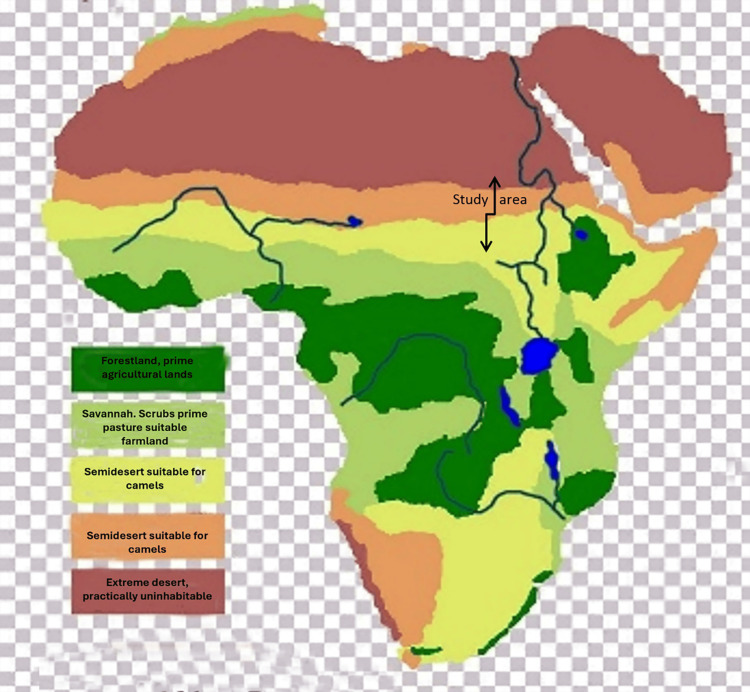 Figure 1
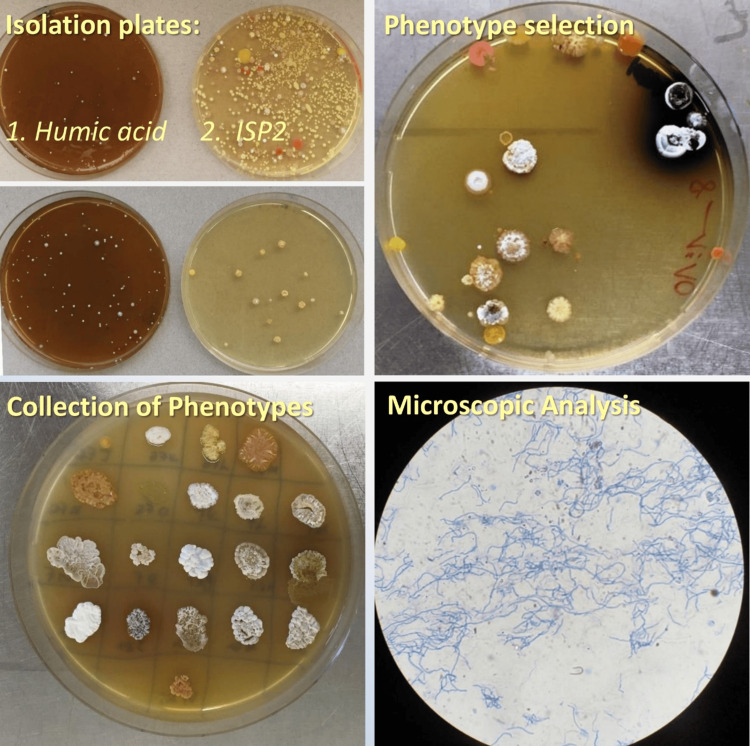 Figure 2
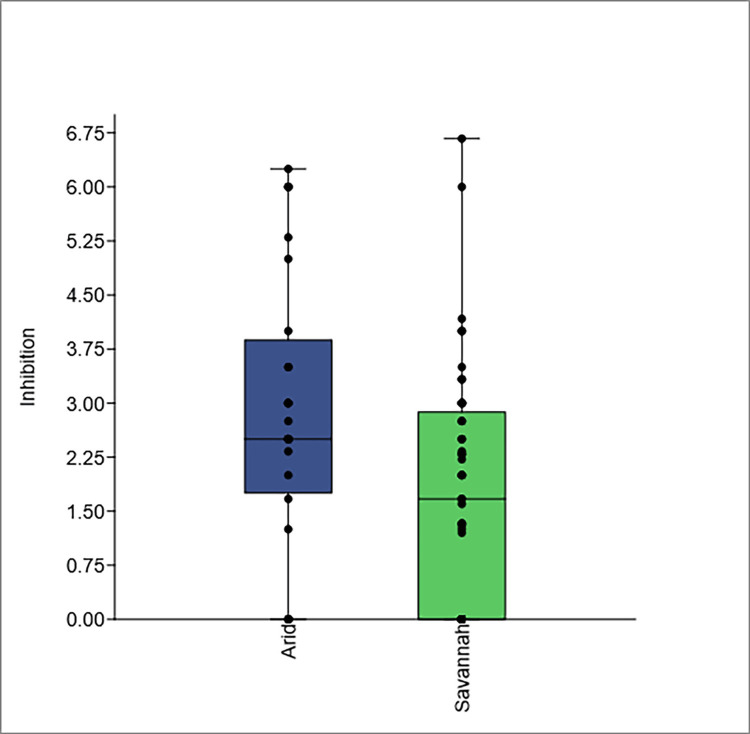 Figure 3
| Site code | Site name (coordinates) | Ecoregion | Soil type (common description) | Average annual temperature (°C) | Average annual rain (mm) | P (mg/100 g) | K (mg/100 g) | Soil pH | NAG activity (nmol/ hour.−1 g soil− 1) | GLU activity (nmol/ hour.− 1 g soil− 1) | CEL activity (nmol/ hour.− 1 g soil− 1) | PHO activity (nmol/ hour.− 1 g soil− 1) | XYL activity (nmol/ hour.− 1 g soil− 1) |
| 7 | Hussein Narti-1 (18.0299° N, 31.4301° E) | Arid | Yermosol (Desert sand) | 29.7 | 70 | 4.6 | 32.6 | 8 | 2.2 | 4.1 | - | 1.9 | 0.2 |
| 19 | Hussein Narti -2 (17.7861° N, 31.3137° E) | Arid | Yermosols (desert sand) | 29.7 | 70 | 5.3 | 38.3 | 8 | 2.4 | 4.9 | - | - | 0.2 |
| 8 | El Muglad (11.0347° N; 27.7491° E) | Savanna | Arenosols (stabilized sand dunes with silt or clay) | 28.5 | 501 | 2 | 28.2 | 6.4 | 25.8 | 54.3 | 5 | 85 | 8.4 |
| 10 | Nyala (12.0518° N 24.8805° E) | Savanna | Arenosols (stabilized sand dunes with silt or clay) | 27.2 | 398 | 1.5 | 19.2 | 7.1 | 9.5 | 19.3 | - | 27 | 1.9 |
| 14 | Umm Ruwaba (12.9028° N; 31.2283° E) | Savanna | Arenosols (stabilized sand dunes with silt or clay) | 27 | 375 | 6.7 | 22.2 | 6.8 | 0.7 | 9.9 | - | 24 | 0.2 |
| 23 | Al Fashir (13.6198° N; 25.3549° E) | Savanna | Arenosols (stabilized sand dunes with silt or clay) | 26 | 213 | 28.6 | 60 | 7.7 | 4 | 12.1 | 0.5 | 13.6 | 1.2 |
| 29 | Ad Damazin (11.7855° N; 34.3421° E) | Savanna | Vertisols (black clay) | 28.3 | 713 | 16.5 | 49.1 | 7.3 | 18.9 | 87.2 | 3.4 | 80.5 | 8.7 |
| Strain code | Identification | Identification and % nucleotide relatedness | Gb_ Accession | Inhibition zone (inhibition/biomass diameter, mm)* |
| 7A |
| 97.00% with | 0 | |
| 7B | Streptomyces griseostramineus | 99.89% with | 4 | |
| 7C |
| 97.63% with | 2.33 | |
| 7D |
| 99.33% with | 6.25 | |
| 7E |
| 98.80% with | 5.3 | |
| 7F | Streptomyces prasinosporus | 99.90% with | 3.5 | |
| 7G |
| 98.76% with | 3 | |
| 7H | Streptomyces leeuwenhoekii | 99.77% with | 2.5 | |
| 7I |
| 99.08% with | 2.5 | |
| 7J |
| 97.74% with | 2.5 | |
| 7K | Streptomyces enissocaesilis | 100% with | 0 | |
| 7L |
| - | NA** | 2.5 |
| 7M |
| 97.32% with | 0 | |
| 7N |
| 99.18% with | 5 | |
| 7O |
| 99.52% with | 6 | |
| 8A | Streptomyces albogriseolus | 99.79% with | 3 | |
| 8B | Streptomyces albogriseolus | 100% with | 0 | |
| 8C |
| 97.94% with | 4 | |
| 8D | Streptomyces variabilis | 99.90% with | 0 | |
| 8E | Streptomyces werraensis | 99.70% with | 0 | |
| 8F |
| 99.13% with | 1.33 | |
| 8G |
| 99.51% with | 2.33 | |
| 8H | Streptomyces albogriseolus | 99.77% with | 0 | |
| 8I |
| - | NA | 0 |
| 8J |
| - | NA | 1.67 |
| 8K |
| - | NA | 2.29 |
| 8L |
| 98.32% with | 3.33 | |
| 8M |
| - | NA | 2.22 |
| 8N |
| 99.37% with | 1.33 | |
| 8O |
| - | NA | 4 |
| 8R |
| 97.29% with | 4.17 | |
| 10A |
| - | NA | 0 |
| 10B | Streptomyces enissocaesilis | 99.30% with | 0 | |
| 10C | Streptomyces werraensis | 100% with | 1.2 | |
| 10D | Streptomyces enissocaesilis | 99.41% with | 0 | |
| 14A |
| - | NA | 2 |
| 14B |
| 97.80% with | 0 | |
| 14C |
| 96.83% with | 0 | |
| 14D |
| 96. 32% with | 0 | |
| 14E | Streptomyces djakartensis | 100% with | 0 | |
| 14F |
| - | NA | 0 |
| 14G |
| 96.52% with | 0 | |
| 14H |
| 98.88% with | 3 | |
| 14I |
| 96.30% with | 2.5 | |
| 14J | Streptomyces djakartensis | 100% with | 3 | |
| 14K | Streptomyces djakartensis | 100% with | 0 | |
| 19A |
| 94.79% with | 2.5 | |
| 19B |
| 98.54% with | 1.3 | |
| 19C |
| - | NA | 0 |
| 19D |
| 99.55% with | 1.25 | |
| 19E |
| 94.91% with | 2 | |
| 19F |
| - | NA | 0 |
| 19G |
| - | NA | 2.75 |
| 19H | Streptomyces griseostramineus | 99.77% with | 6 | |
| 19I | Streptomyces werraensis | 100% with | 6.67 | |
| 19J |
| 99.33% with | 3 | |
| 19K |
| 95.56% with | 3.5 | |
| 19L |
| - | NA | 1.67 |
| 23A |
| - | NA | 3.33 |
| 23B | Streptomyces fragilis | 99.68% with | 1.6 | |
| 29A |
| - | NA | 2 |
| 29B | Streptomyces werraensis | 99.88% with | 2.29 | |
| 29C | Streptomyces cinnabarinus | 98.48% with | 2.75 | |
| 29D | Streptomyces werraensis | 99.55% with | 0 |
Peer Reviews
No public reviews on file for this paper yet. If you reviewed it on a platform where reviews are public (OpenReview, ICLR, NeurIPS, ICML), you can paste yours below so the community can read it here.
Videos
No videos yet. Explain this paper in a talk, walkthrough, or lecture? Add one.
Taxonomy
TopicsMicrobial Natural Products and Biosynthesis · Legume Nitrogen Fixing Symbiosis · Plant-Microbe Interactions and Immunity
Introduction
*Streptomycetes *are high-G + C Gram-positive, spore-forming bacteria belonging to the *Streptomycetaceae *(order Actinomycetales), which includes more than 500 species [1]. These bacteria are generally distributed in soil and are more abundant than other soil bacterial genera. Soils are considered reservoirs for streptomycetes, including the few pathogenic species, and their propagules, with transmission to humans often occurring through contact with the sharp thorns of Acacia trees, which can carry streptomycete spores [2].
Streptomyces spp. are well known for their diverse metabolic capabilities, particularly their production of secondary metabolites with antimicrobial properties. They are widely distributed in soil ecosystems and play a crucial role in nutrient cycling and organic matter decomposition [3,4]. Soil characteristics, such as nutrient composition, moisture, and pH, significantly influence microbial community structure and function. Understanding these relationships is critical for harnessing the potential of Streptomyces as biocontrol agents. Actinomycetoma is a chronic granulomatous disease primarily caused by various microorganisms, with Streptomyces somaliensis and Streptomyces sudanensis being the most significant pathogens [5]. This condition affects the skin, subcutaneous tissues, and, in some cases, the bones, leading to the formation of tumor-like lesions. If left untreated, actinomycetoma can result in severe morbidity, including significant deformities and disability [6]. The prevalence of actinomycetoma in this region, mainly Central Sudan, particularly in Gezira State, Sennar, and the White Nile, has reported cases, especially in rural areas such as Sennar, North Kordofan, and the White Nile. Environmental conditions in these regions promote fungal growth and transmission, particularly linked to agricultural activities and walking barefoot, drawing attention to the need for effective management strategies. Recent studies suggest that exploring natural antagonistic agents present in the environment may provide new avenues for treatment and disease control [7].
Current research has focused heavily on the ecological roles of Streptomyces, but a critical knowledge gap exists concerning how soil properties influence their pathogenicity, especially in relation to actinomycetoma. Our research explores the link between soil properties and Streptomyces spp. distribution in arid and savannah ecosystems. We aim to assess their diversity, evaluate their inhibitory activity against S. sudanensis (an actinomycetoma pathogen), and compare isolates to known mycetoma strains. This work seeks to highlight *Streptomyces *spp. as promising biological agents for soil health and pathogen control.
Materials and methods
Soil sampling
Soil samples were collected from multiple sites within arid and savannah ecosystems during the dry season. This timing was important as it reflected the natural (hot and dry, Figure 1) conditions under which Streptomyces spp. survive. Soil samples (merging four subsamples from each site) were collected at a consistent depth of ~5 cm to ensure comparability, specifically targeting the surface microbiome, such as Streptomyces. This depth was chosen because the surface habitat is influenced by the ecosystem and can affect hosts, including humans, animals, and plants.
Map of African savanna grassland geography, highlighting the study area within the geographical borders of Sudan.Originally sourced from imgbin.com.
Soil physicochemical parameters and enzyme assays were conducted, as described before [7]. Soil samples were analyzed for soil type, average annual temperature (°C), average annual rainfall (mm), phosphorus (P) (mg/100 g), potassium (K) (mg/100 g), soil pH, and enzyme activities (N-acetylglucosaminidase, glucosidase, cellulase, phosphatase, xylanase in nmol/g soil). Moisture content was determined by drying and weighing, while enzyme activities were assessed using soil extracts and spectrophotometric techniques, expressed as activity per gram of soil to evaluate soil health and microbial activity [8].
Isolation of *Streptomyces *spp.
Streptomyces were isolated using high nitrogen content (HNC) medium (6% yeast extract, 0.05% SDS, 0.05% CaCl_2_, pH 7.0). Soil (0.5 g dry weight) was added to the HNC medium and incubated at 120 rpm and 42°C for one hour. The suspension was allowed to settle, and dilutions (1:5, 1:10, 1:30) were spread onto ISP2 and humic acid agar plates, with ISP2 supplemented with antibiotics to prevent contamination. Plates were incubated at 27°C for up to three weeks. Colonies with typical morphology were streaked on ISP2 for purification and stored at −20°C in 20% glycerol soil, as described previously [7].
Morphological examination
The morphological characteristics of the isolates were examined using light microscopy to assess colony morphology, spore formation, and other distinguishing features, as detailed previously [1]. This analysis involved assessing various features, including colony morphology, cellular shapes, and arrangements. Strains that exhibited similar characteristics were clustered together, resulting in the formation of preliminary *Streptomyces *color categories. These groupings will provide a foundation for more thorough investigations, enabling researchers to delve deeper into the diversity and potential applications of these isolates.
Molecular identification of soil isolates
The 16S rRNA gene was amplified using universal primers 27F and 1492R, following Rainey et al.’s method [9]. Amplification (20 μL) was performed with Promega Green Mix, and products were analyzed via 1% agarose gel electrophoresis on a Bio-Rad MyCycler.
For sequencing, chromosomal DNA was isolated from a seven-day culture using PEG 200. The same primers were used for amplification and sequencing, analyzed with the ABI 370XL DNA analyzer and SeqMan software.
DNA sequences were corrected with Chromas and aligned with 16S rRNA sequences in the EZbioCloud database to evaluate phylogenetic relationships. A phylogenetic tree was constructed using the MEGA X program with the Neighbor-Joining method and 100 bootstrap replications.
Inhibitory effects against Streptomyces sudanensis
The inhibition of S. sudanensis was evaluated using an agar-based bioassay, as described previously [7]. Fresh suspensions (0.1 mL) of Streptomyces isolates were placed on ISP2 agar plates previously streaked with S. sudanensis (DSM 41923). Multiple Streptomyces isolates were cultured per plate. The inhibition activities were calculated as the ratio between the inhibition zone (mm) against S. sudanensis and the colony size (mm) of soil streptomycetes. Inhibition zone/colony diameter (mm) provides a standardized measure of antimicrobial activity independent of the isolate’s colony size.
Statistical analysis
Data were analyzed using paired samples tests in PAST (Version 5.0.2; Hammer Ø, Harper DAT, & Ryan PD, Natural History Museum, University of Oslo, 1999-2024) to compare mean inhibition values between the arid and savannah ecosystems, calculating the mean difference and 95% confidence intervals. A t-test assessed the significance of the mean differences.
Results
Table 1 presents an overview of soil factors and environmental conditions across various sites in arid and savannah ecosystems. The data includes site names, coordinates, ecoregions, and soil types, alongside key environmental metrics such as average annual temperature and rainfall.
Arid sites (Hussein Narti-1 and Hussein Narti-2) exhibit high temperatures (29.7°C) and low rainfall (70 mm), with Yermosol soil types showing limited nutrient availability and low enzyme activity. In contrast, savannah sites, such as El Muglad and Nyala, demonstrate greater rainfall (up to 501 mm), slightly lower temperatures, and a variety of Arenosols and Vertisols. These savannah soils exhibit higher nutrient concentrations and enzyme activities, indicating a more dynamic and fertile environment compared to the arid regions. Overall, the results highlight significant differences in soil characteristics and environmental conditions between arid and savannah ecosystems.
A total of 64 strains were identified, predominantly belonging to the genus Streptomyces. Notable species among these include Streptomyces griseostramineus, Streptomyces albogriseolus, and Streptomyces werraensis. The isolation was achieved using humic acid and ISP2 media. Figure 2 illustrates the phenotype selection process, purification, and microscopic analysis. A remarkable variety of phenotypic variations is presented, along with microscopic images of their distinctive filamentous structures.
Isolation, selection of unique phenotypes, and microscopic analysis of Streptomyces species recovered from soil samples.
Table 2 summarizes the identification of various soil Streptomyces strains from arid and savannah ecosystems, detailing their similarity percentages to closely related species and corresponding GenBank accession numbers. This overview is based on 16S rRNA sequencing and provides insights into each strain’s closest species and the percentage of nucleotide relatedness. The inclusion of GenBank accession numbers facilitates further research and verification of the sequences.
The inhibition zones for the identified soil Streptomyces strains varied significantly, with several strains demonstrating notable activity (Table 1, Figure 3). For instance, strain 7B showed an inhibition zone of 4 mm, while strains 7D and 7O exhibited larger zones of 6.25 mm and 6 mm, respectively. Strain 19H also demonstrated substantial inhibition with a zone of 6 mm. Several strains, including 7A, 7K, and 8B, showed no inhibition activity at all. Overall, these results highlight the diverse inhibitory capacities of the identified Streptomyces strains against the target organism.
Box plot comparing inhibition values of soil Streptomyces spp. against Streptomyces sudanensis in arid (blue) and savannah (green) ecosystems.The arid ecosystem had a mean inhibition value of 2.8411 (N = 28) with a variance of 3.7218, while the savannah had a mean of 1.7139 (N = 49) and a variance of 2.7753. The difference in means was 1.1272, with a t-value of 2.6954 (p = 0.0086728) indicating statistical significance. Whiskers show the data range, and individual points indicate outliers. The inhibition value is the ratio of the inhibition zone (in mm) against Streptomyces sudanensis to the colony size of soil streptomycetes.
Analysis of soil samples from arid and savannah ecosystems revealed significant differences in mean values through t-tests (Figure 3). The arid ecosystem had a mean of 2.8411 (N = 28) and a variance of 3.7218, while the savannah ecosystem had a mean of 1.7139 (N = 49) with a variance of 2.7753. The difference in means was 1.1272, with 95% confidence intervals indicating a statistically significant distinction. The t-test yielded a t-value of 2.6954 and a p-value of 0.0086728, providing strong evidence against the null hypothesis of equal means. With unequal variances, the t-value was 2.589 (p = 0.012585).
Discussion
The diversity of actinomycetes, such as Streptomyces spp., is significantly influenced by a range of biotic and abiotic factors, including vegetation, soil type, and climate. Identification of how these factors shape microbial communities is essential for harnessing their ecological roles in agriculture and disease management, given their known pharmaceutical and biotechnological potential [10,11].
Our study successfully isolated Streptomyces using humic acid and ISP2 media, revealing notable phenotypic diversity. Microscopic images emphasize their characteristic filamentous structures, indicating broad functional capabilities [12]. Notably, Das et al. [13] have highlighted the underexplored potential of soil habitats in Northeast India for producing novel antimicrobial metabolites, addressing the challenge of antibiotic resistance.
The relationship between nutrient availability and microbial diversity is critical in savannah ecosystems, which exhibited lower inhibition values for Streptomyces [14]. Variations in grazing pressure can influence microbial populations and enzyme activities [15]. Streptomyces species adapt to nutrient-poor environments, enabling them to exert antagonistic effects against pathogens such as S. sudanensis. For example, the antimicrobial activity of Streptomyces huasconensis is linked to its production of diverse secondary metabolites [16].
Comparative analysis of inhibition values reveals significant ecological differences between arid and savannah ecosystems. In arid regions, higher average inhibition values (2.55 to 3.03) stem from high pH and low nutrient availability. In contrast, lower inhibition values in savannah ecosystems suggest a less specialized microbial community. Key statistical findings reinforce the conclusion that arid ecosystems harbor more effective Streptomyces strains for biological control. For instance, López-Reyes et al. [17] showed that Streptomyces sp. PR69 inhibited various plant pathogens, promoting plant growth.
Savannah ecosystems foster greater microbial growth due to favorable conditions, indicated by lower inhibition values. Enhanced nutrient availability and moisture lead to a more balanced microbial community, potentially reducing the dominance of Streptomyces. Furthermore, diverse plant species in these ecosystems can influence microbial interactions, affecting the ecological roles and antibiotic production of Streptomyces [18].
The genetic and morphological similarities between soil isolates and those linked to mycetoma cases underscore the ecological significance of certain Streptomyces strains in actinomycetoma epidemiology. While this study offers valuable insights, it has limitations. Conducted in specific regions of Sudan, findings may not be widely generalizable. A larger sample size could enhance statistical power, and focusing on additional environmental factors, such as microbial interactions and seasonal variations, is crucial. Isolation methods may not fully capture the diversity of Streptomyces strains, suggesting advanced techniques for future research. Lastly, while we primarily assessed antimicrobial properties against S. sudanensis, broader evaluations against other pathogens are needed to fully explore the biocontrol potential of Streptomyces spp.
Conclusions
This study emphasizes the importance of soil properties in influencing the diversity and inhibitory potential of Streptomyces spp. against S. sudanensis. Our findings reveal the ecological significance of specific Streptomyces strains in actinomycetoma epidemiology and emphasize the need for further research on their genetic and morphological traits. Improving our understanding of these microbial communities may lead to novel biocontrol strategies for actinomycetoma and other soil-borne diseases, while also enhancing soil health in sub-Saharan Africa to boost agricultural productivity and ecosystem resilience.
The reference list from the paper itself. Each links out to its DOI / PubMed record.
- 1The family streptomycetaceae, part I: taxonomy The Prokaryotes: A Handbook on the Biology of Bacteria Kämpfer P 538604 Berlin Springer 32006
- 2Streptomyces as symbionts: an emerging and widespread theme?FEMS Microbiol Rev Seipke RF Kaltenpoth M Hutchings MI 8628763620122209196510.1111/j.1574-6976.2011.00313.x · doi ↗ · pubmed ↗
- 3Actinobacteria from desert: diversity and biotechnological applications Front Microbiol Xie F Pathom-Aree W 7655311220213495612810.3389/fmicb.2021.765531 PMC 8696123 · doi ↗ · pubmed ↗
- 4Mycetoma : a review Am J Clin Dermatol Lichon V Khachemoune A 315321720061700754210.2165/00128071-200607050-00005 · doi ↗ · pubmed ↗
- 5Clinical features of mycetoma and the appropriate treatment options Res Rep Trop Med Agarwal P Jagati A Rathod SP Kalra K Patel S Chaudhari M 1731791220213426757510.2147/RRTM.S 282266 PMC 8275212 · doi ↗ · pubmed ↗
- 6Optimization of hydrolytic and oxidative enzyme methods for ecosystem studies Soil Biol Biochem German DP Weintraub MN Grandy AS Lauber CL Rinkes ZL Allison SD 13871397432011
- 7Diversity and geographic distribution of soil streptomycetes with antagonistic potential against actinomycetoma-causing Streptomyces sudanensis in Sudan and South Sudan BMC Microbiol Hamid ME Reitz T Joseph MR 332020203205089110.1186/s 12866-020-1717-y PMC 7017484 · doi ↗ · pubmed ↗
- 8The genus Nocardiopsis represents a phylogenetically coherent taxon and a distinct actinomycete lineage: proposal of Nocardiopsaceae fam. nov Int J Syst Bacteriol Rainey FA Ward-Rainey N Kroppenstedt RM Stackebrandt E 10881092461996 https://pubmed.ncbi.nlm.nih.gov/8863440/886344010.1099/00207713-46-4-1088 · doi ↗ · pubmed ↗