Traditional knowledge and utilization of wild edible plants in Swat district, Pakistan: implications for nutrition and food security
Shujat Ali, Salahud Din, Sayed Afzal Shah, Wahid Hussain, Rainer W. Bussmann

TL;DR
This study explores wild edible plants in Pakistan's Swat Valley, highlighting their role in nutrition, livelihoods, and cultural heritage.
Contribution
The study documents 175 wild edible plant species in Swat, Pakistan, with quantitative ethnobotanical indices and conservation assessments.
Findings
Herbs dominate wild edible plant use in Swat, with young shoots and fruits being the most consumed parts.
Berberis lycium is the most culturally important wild edible plant in the region.
Twenty-seven wild edible plant species are locally marketed, generating small incomes for households.
Abstract
Wild edible plants are critical for local nutrition, cultural heritage, and livelihoods, yet their diversity and traditional uses are underexplored in Pakistan. Swat Valley, a biologically and culturally rich region, relies on wild plants for food security, particularly among economically vulnerable households. Field surveys were conducted from 2018 to 2022 across 20 villages in six tehsils of Swat District. A total of 160 informants (100 males, 60 females; aged 20–90 years) were interviewed using semi-structured questionnaires, in-depth interviews, and personal observations. The quantitative ethnobotanical indices, including (UV), (RFC), and (UR), were calculated to assess cultural importance and usage patterns. A total of 175 wild edible plant species from 72 families were documented. Herbs dominated (62.3%), followed by shrubs (20.6%), trees (16%), and climbers (1.1%). Young shoots…
Genes, proteins, chemicals, diseases, species, mutations and cell lines named across the full text — each resolved to its canonical identifier and authoritative record.
Click any figure to enlarge with its caption.
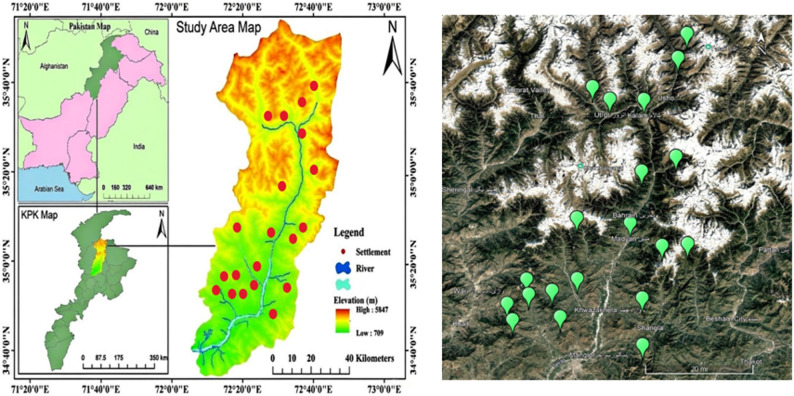 Figure 1
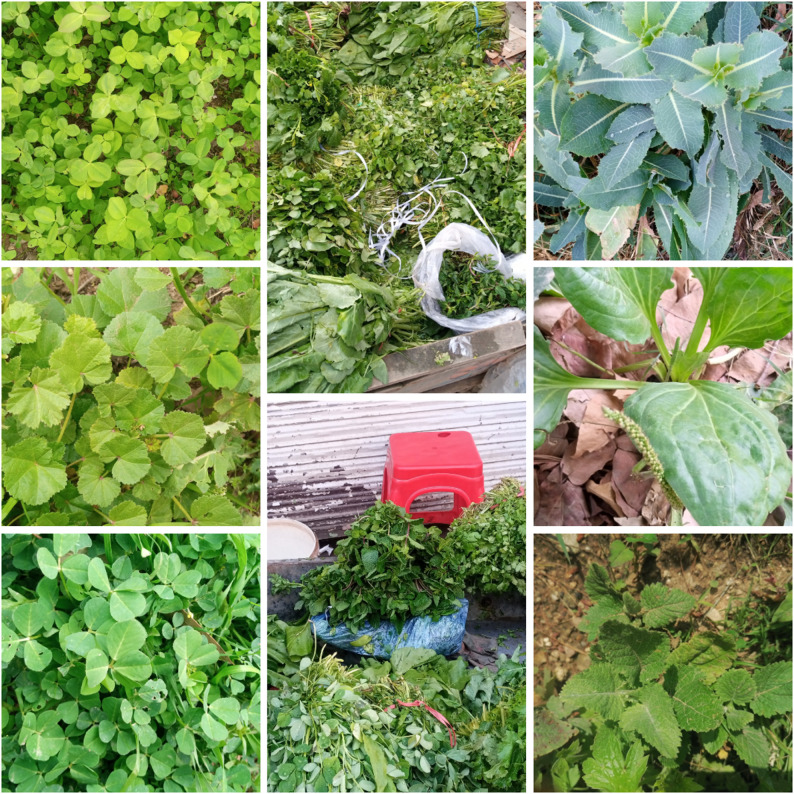 Figure 2
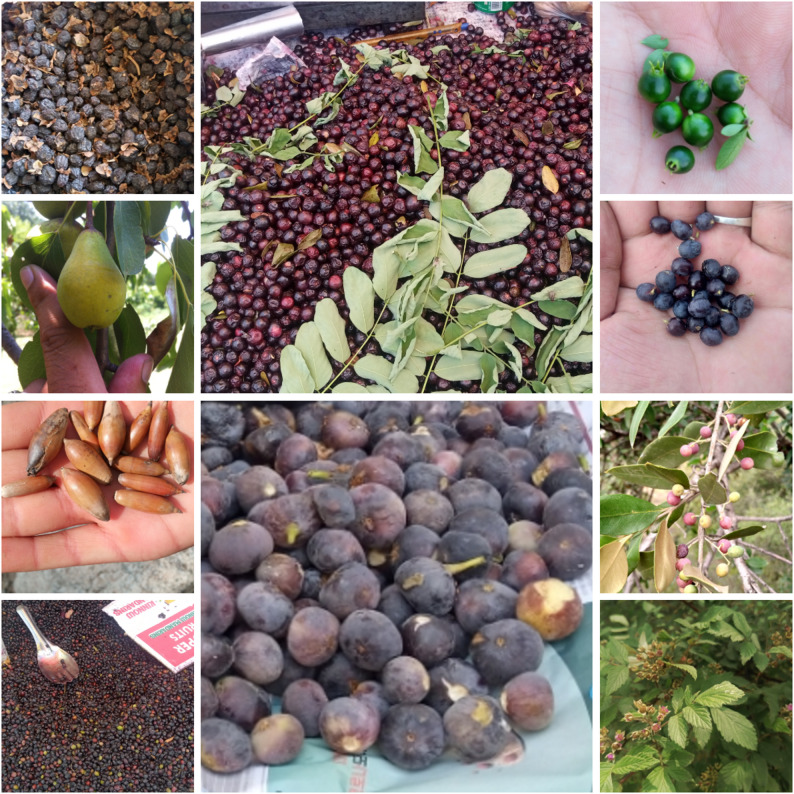 Figure 3
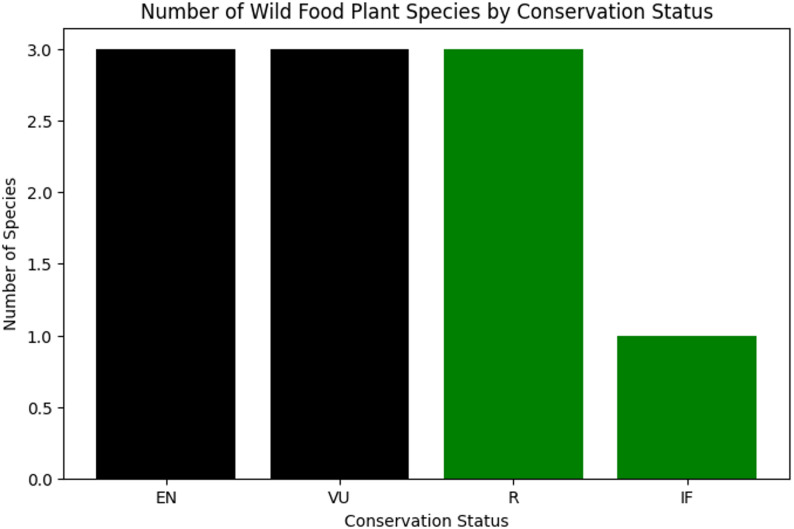 Figure 4
Peer Reviews
No public reviews on file for this paper yet. If you reviewed it on a platform where reviews are public (OpenReview, ICLR, NeurIPS, ICML), you can paste yours below so the community can read it here.
Videos
No videos yet. Explain this paper in a talk, walkthrough, or lecture? Add one.
Taxonomy
TopicsEthnobotanical and Medicinal Plants Studies · African Botany and Ecology Studies · Seed and Plant Biochemistry