Cattle manure suppresses methane consumption and enhances denitrification-associated nitrous oxide production in farm dams
Lukas Schuster, Chris Greening, Martino E. Malerba, Stacey Trevathan-Tackett, Nadeesha Athukorala, Francesco Ricci

TL;DR
Cattle manure in farm dams increases methane and nitrous oxide emissions by altering microbial communities, but fencing can reduce these emissions.
Contribution
Identifies specific microbial mechanisms by which cattle manure increases greenhouse gas emissions in farm dams.
Findings
Fencing farm dams reduces methane and nitrous oxide emissions by promoting aerobic methanotrophs.
Manure increases greenhouse gas emissions by causing eutrophication and hypoxia, which stimulate denitrifiers and inhibit methanotrophs.
New methanotroph species were identified through metagenome-assembled genomes in fenced dams.
Abstract
Farm dams (or agricultural ponds) are often heavily polluted freshwater systems because of nutrient-rich manure entering the water through direct deposition and runoff. Accordingly, these systems have among the highest greenhouse gas emissions per area, accounting for 41% of global freshwater methane emissions. Sustainable management actions, such as limiting livestock access through fencing, can significantly reduce nutrient concentrations and greenhouse gas emissions. However, the microbes, processes, and factors controlling greenhouse gas cycling in these systems have not been described. Here, we systematically compared the composition, functions, and activities of the microbes in paired fenced and unfenced cattle farm dams in southeastern Australia. We found that in situ methane (CH4) and nitrous oxide (N2O) emissions were strongly reduced in fenced dams. Even though methanogen…
Genes, proteins, chemicals, diseases, species, mutations and cell lines named across the full text — each resolved to its canonical identifier and authoritative record.
Click any figure to enlarge with its caption.
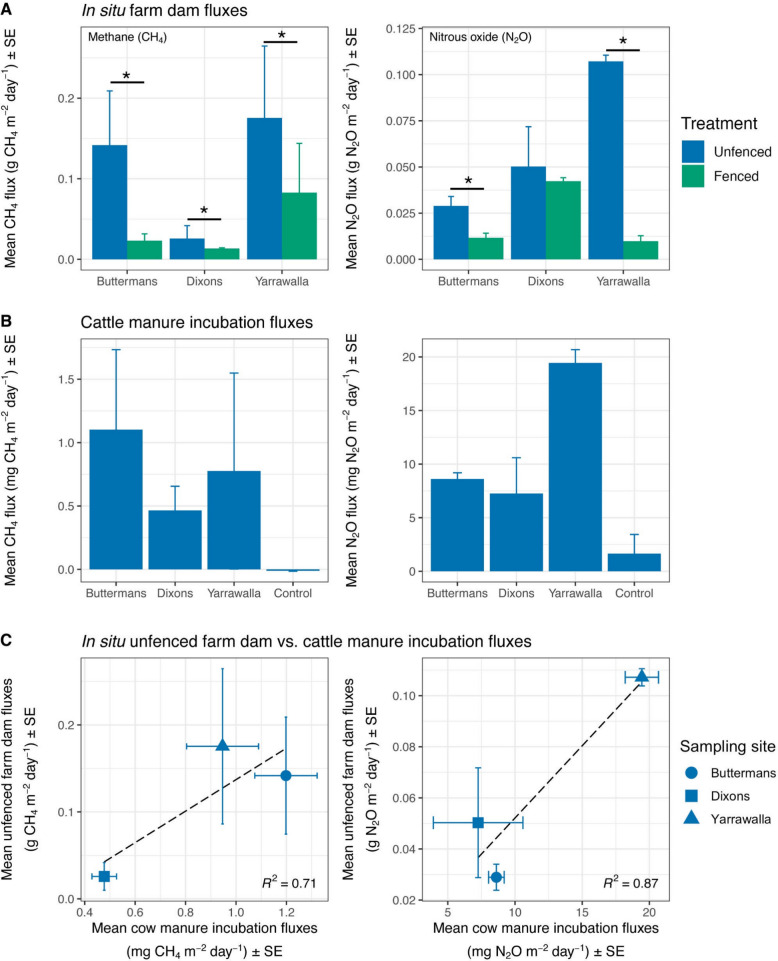 Figure 1
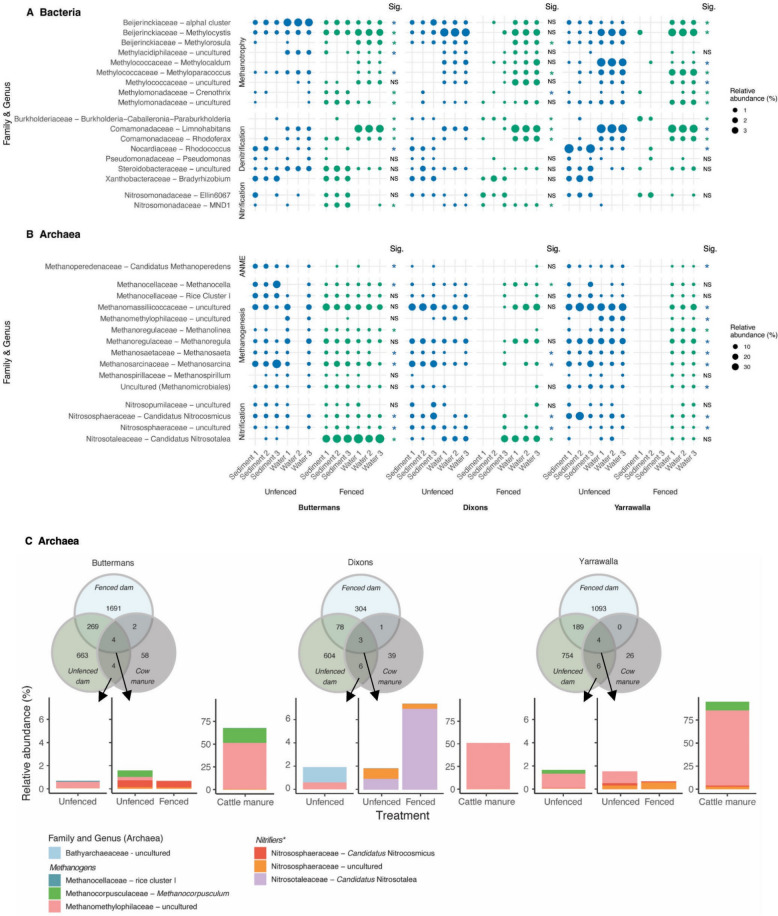 Figure 2
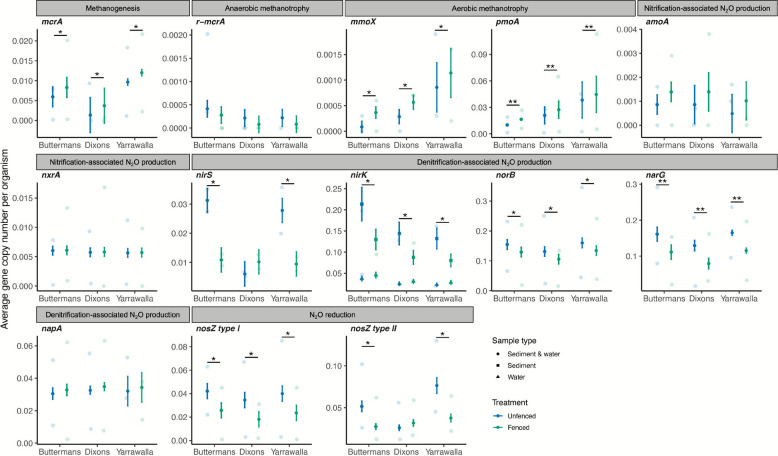 Figure 3
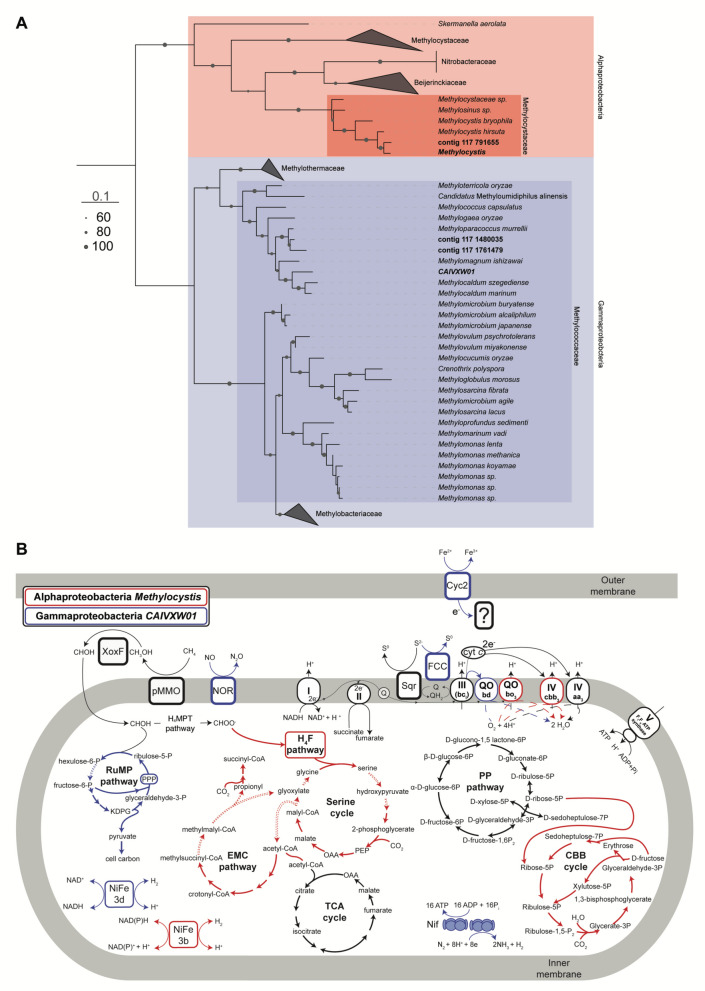 Figure 4
Peer Reviews
No public reviews on file for this paper yet. If you reviewed it on a platform where reviews are public (OpenReview, ICLR, NeurIPS, ICML), you can paste yours below so the community can read it here.
Videos
No videos yet. Explain this paper in a talk, walkthrough, or lecture? Add one.
Taxonomy
TopicsSoil and Water Nutrient Dynamics · Constructed Wetlands for Wastewater Treatment · Mine drainage and remediation techniques