Sustainable Polyaddition Path to Polyesters via Catalytic Homocoupling of Renewable Dicrotonate Monomers
Asif Shabbir, Mahsa Saeidi, Braden D. Pickle, Nicholas J. Tabbah, Michael L. McGraw

TL;DR
This paper introduces a sustainable method to create polyesters using renewable dicrotonate monomers and a simple catalyst, resulting in tunable, degradable materials.
Contribution
A new catalytic polyaddition method for synthesizing alkene-functionalized polyesters from renewable dicrotonates is presented.
Findings
Potassium tert-butoxide enables rapid polyester synthesis at room temperature with >99% conversion.
Polyester properties can be adjusted by varying the bridging diol used in the reaction.
The resulting materials are soft, amorphous, and degradable by hydrolysis.
Abstract
The development of biorenewable polyhydroxyalkanoate (PHA) chemistry has generated interest in crotonate-based monomers as versatile building blocks. Crotonates can be obtained through the pyrolysis of PHAs, offering both a sustainable end-of-life pathway for PHAs and a renewable route to crotonate monomers. This study presents a new polyaddition-type step-growth polymerization of dicrotonates in which alkene-functionalized polyesters are synthesized using potassium tert-butoxide as a simple base catalyst. The reaction proceeds rapidly at room temperature, achieving >99% conversion within seconds and requiring no byproduct removal. The properties of the resulting polyesters can be tuned via the choice of bridging diol, and the materials are degradable by hydrolysis. The polymers reported herein are soft, amorphous solids with predominantly cyclic architectures under standard conditions,…
Genes, proteins, chemicals, diseases, species, mutations and cell lines named across the full text — each resolved to its canonical identifier and authoritative record.
Click any figure to enlarge with its caption.
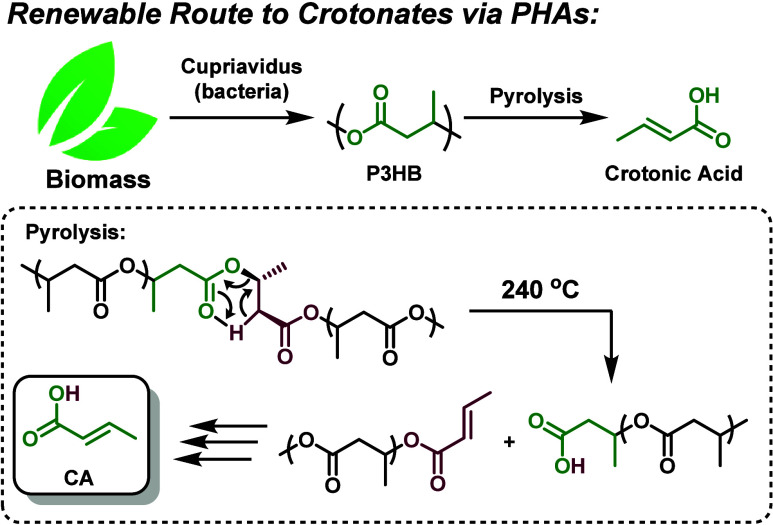 Figure 1
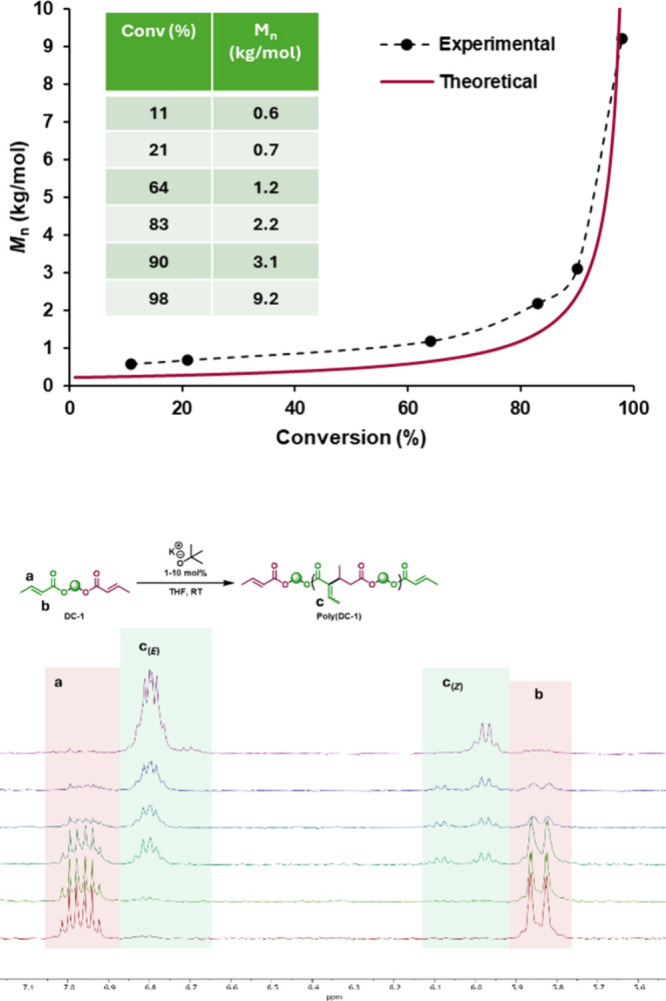 Figure 2
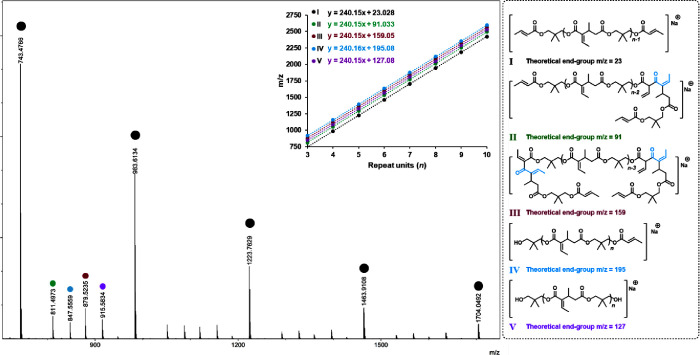 Figure 3
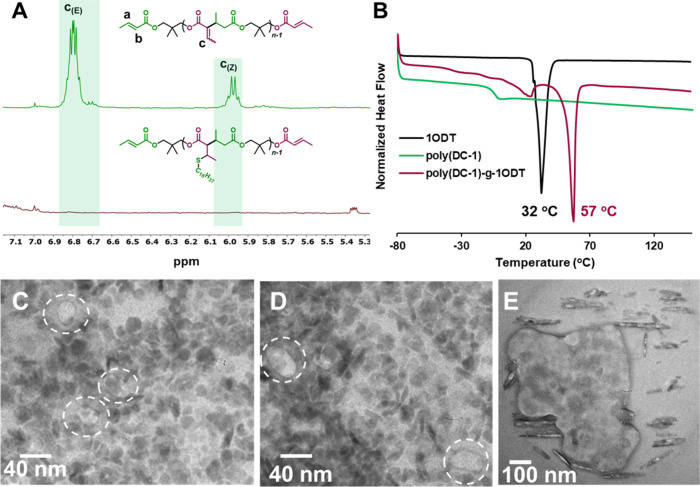 Figure 4
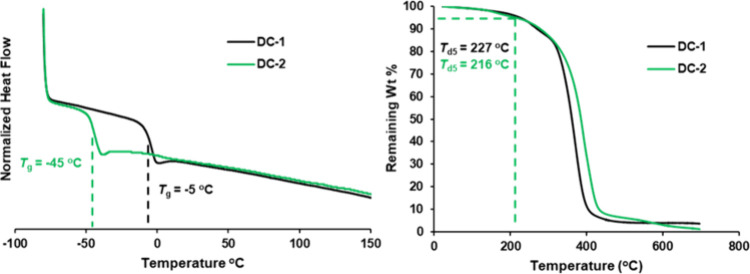 Figure 5
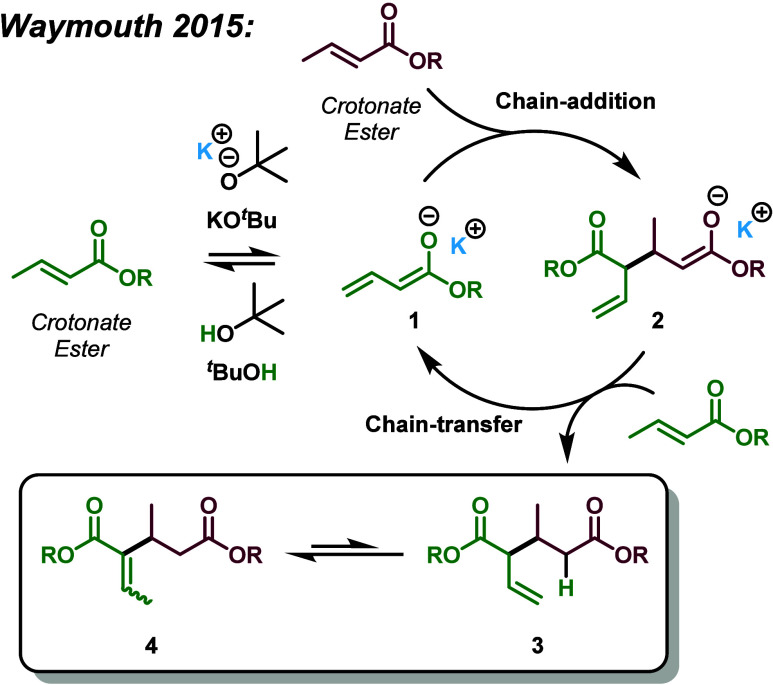 Figure 6
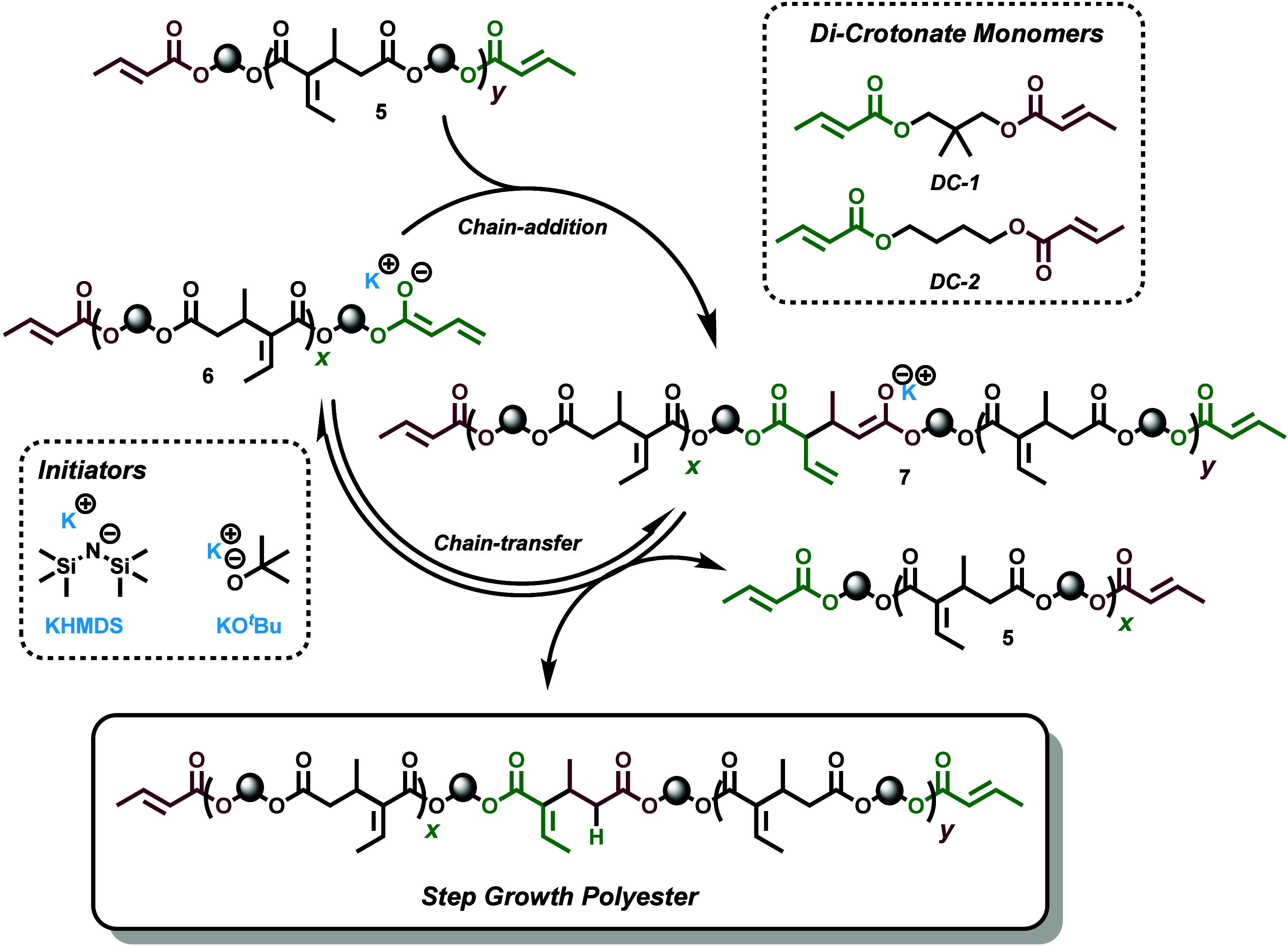 Figure 7
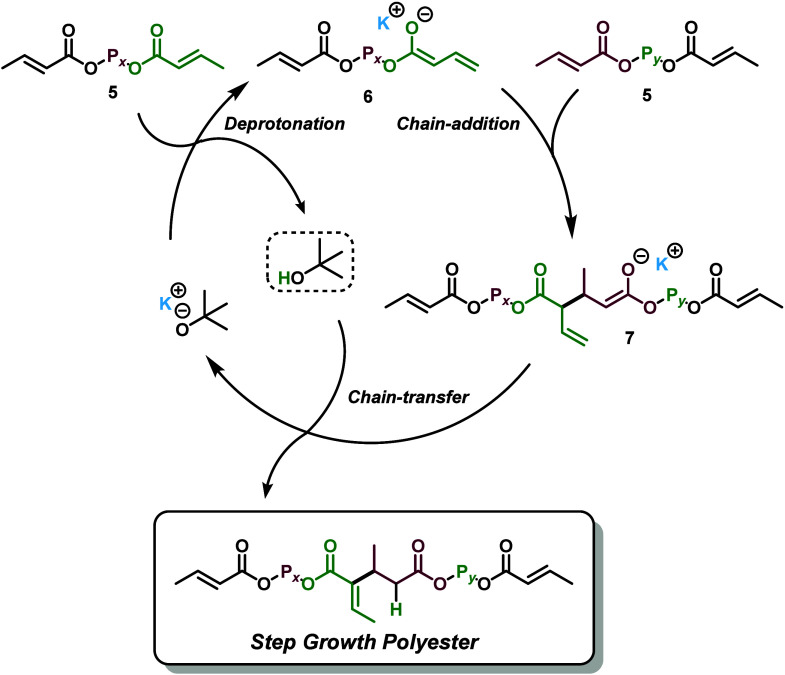 Figure 8
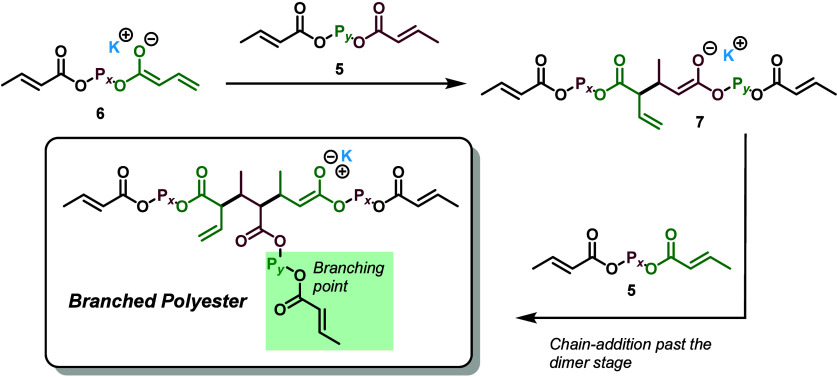 Figure 9
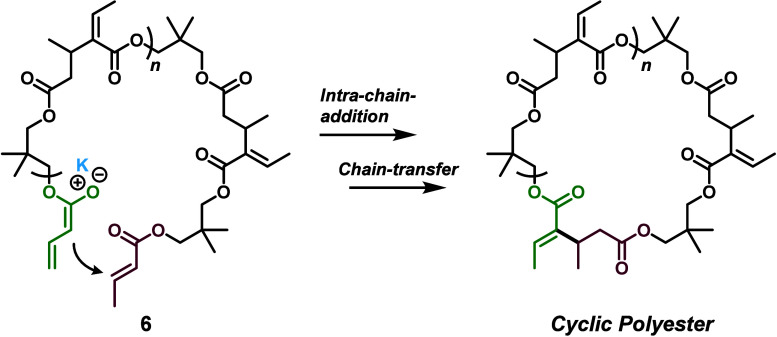 Figure 10
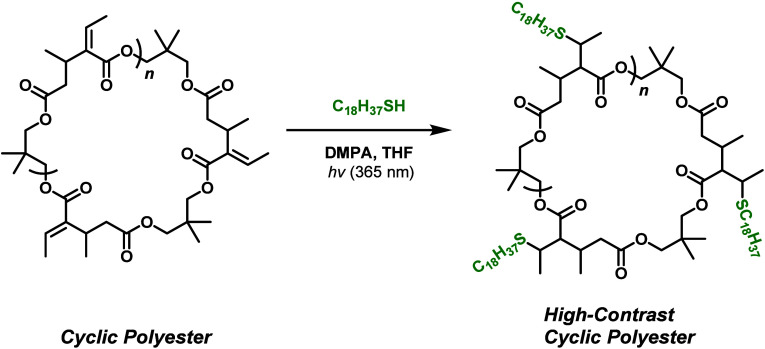 Figure 11
 Figure 12
 Figure 13
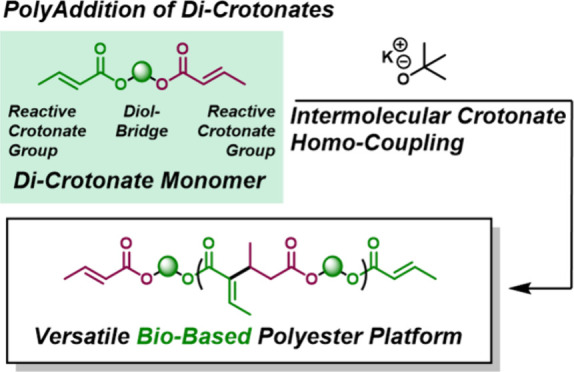 Figure 14
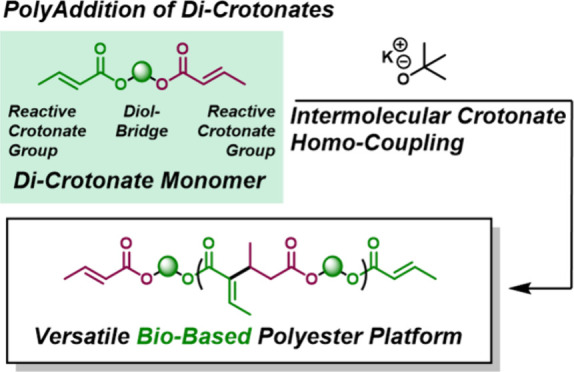 Figure 15
 Figure 16
 Figure 17
 Figure 18
Peer Reviews
No public reviews on file for this paper yet. If you reviewed it on a platform where reviews are public (OpenReview, ICLR, NeurIPS, ICML), you can paste yours below so the community can read it here.
Videos
No videos yet. Explain this paper in a talk, walkthrough, or lecture? Add one.
Taxonomy
Topicsbiodegradable polymer synthesis and properties · Polymer composites and self-healing · Carbon dioxide utilization in catalysis