Realizing Blume-Capel Degrees of Freedom with Toroidal Moments in a Ruby Artificial Spin Ice
Luca Berchialla, Gavin M. Macauley, Flavien Museur, Tianyue Wang, Armin Kleibert, Peter M. Derlet, Laura J. Heyderman

TL;DR
Researchers created a nanomagnet structure that mimics the Blume-Capel model, allowing observation of exotic magnetic phases and transitions.
Contribution
A Ruby lattice artificial spin ice is used to realize Blume-Capel degrees of freedom through toroidal moments.
Findings
A two-step ordering process of toroidal moments was demonstrated in the Ruby artificial spin ice.
The system exhibits a high-temperature crossover to an intermediate paratoroidic regime followed by a second-order transition to a ferrotoroidic state.
The observed phases align with the Blume-Capel model's phase diagram, including a tricritical point.
Abstract
Realizing exotic Hamiltonians beyond the Ising model is a key pursuit in experimental statistical physics. One such example is the Blume-Capel model, a three-state spin model, whose phase diagram features a tricritical point where second-order and first-order transition lines converge, leading to a coexistence of paramagnetic, ferromagnetic, and disordered phases. Here, we realize an artificial crystal of single-domain nanomagnets, placed on the links of the Ruby lattice, enabling real-space observation of the Blume-Capel degrees of freedom. These Blume-Capel degrees of freedom are represented by the presence, sign and interactions of the toroidal moments that emerge naturally in plaquettes of nanomagnets in the Ruby artificial spin ice. By precisely tuning the lattice parameters of the Ruby artificial spin ice, we demonstrate control over the two-step ordering process of the toroidal…
Genes, proteins, chemicals, diseases, species, mutations and cell lines named across the full text — each resolved to its canonical identifier and authoritative record.
Click any figure to enlarge with its caption.
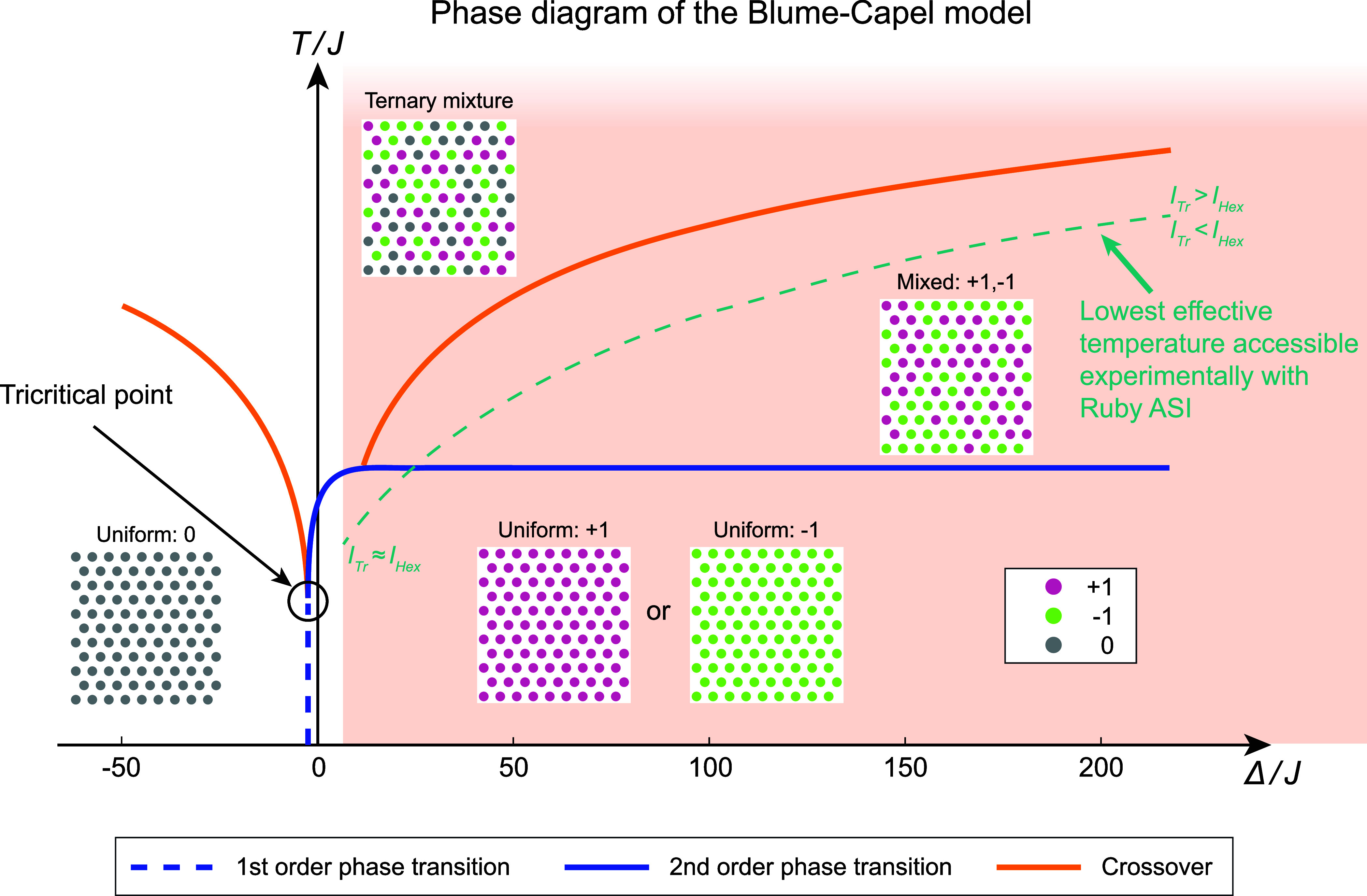 Figure 1
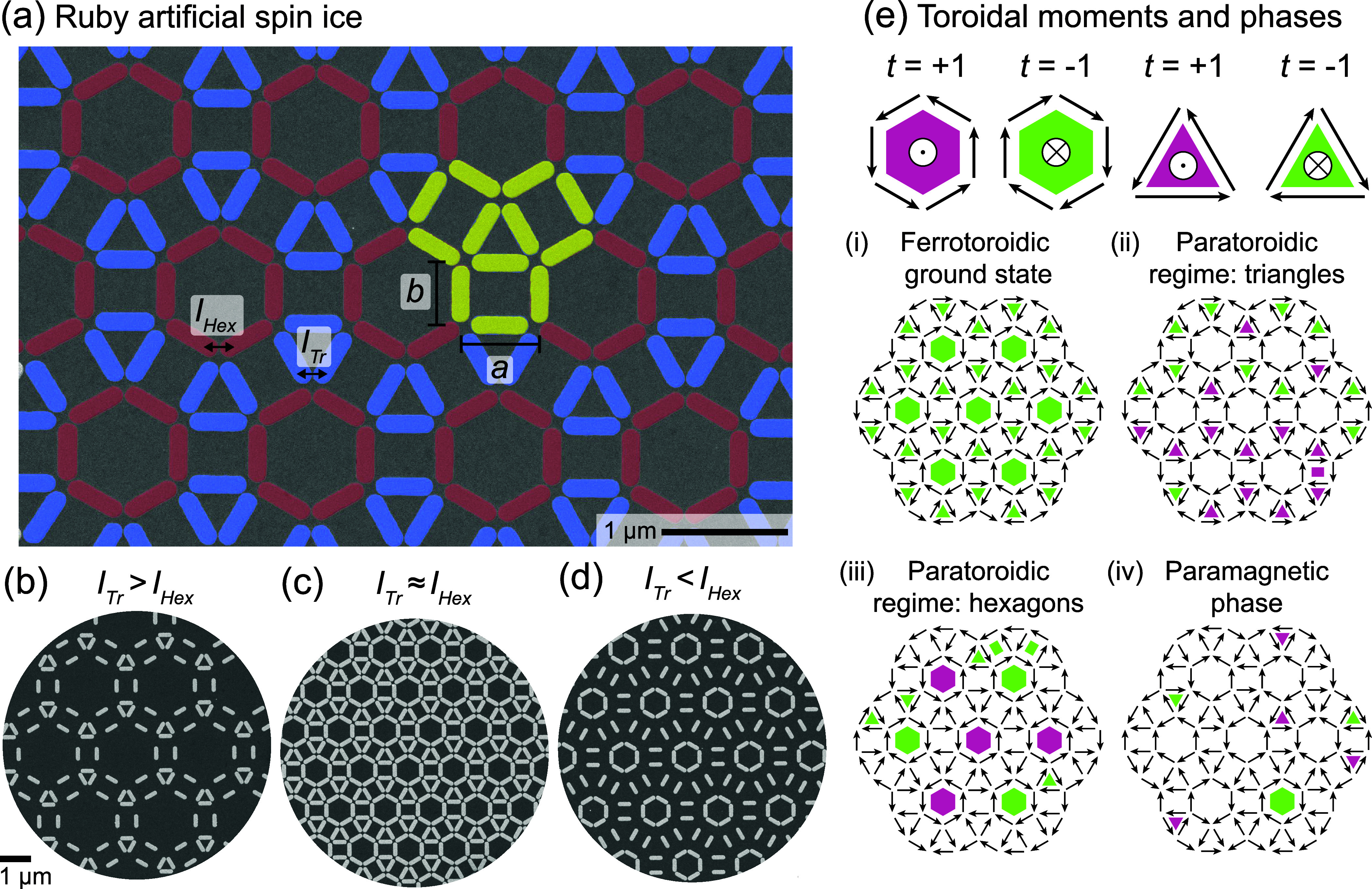 Figure 2
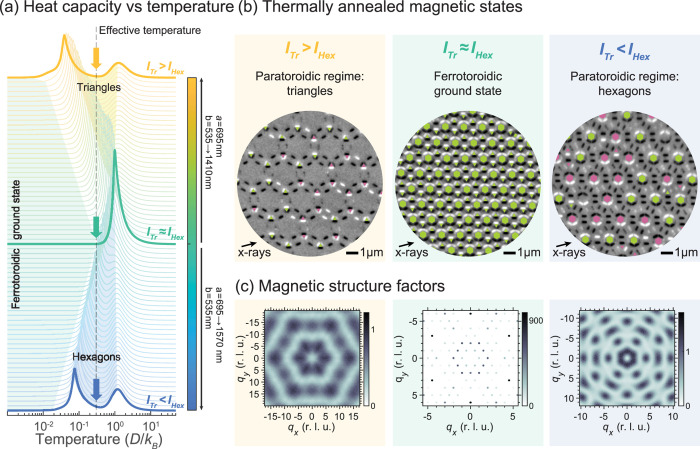 Figure 3
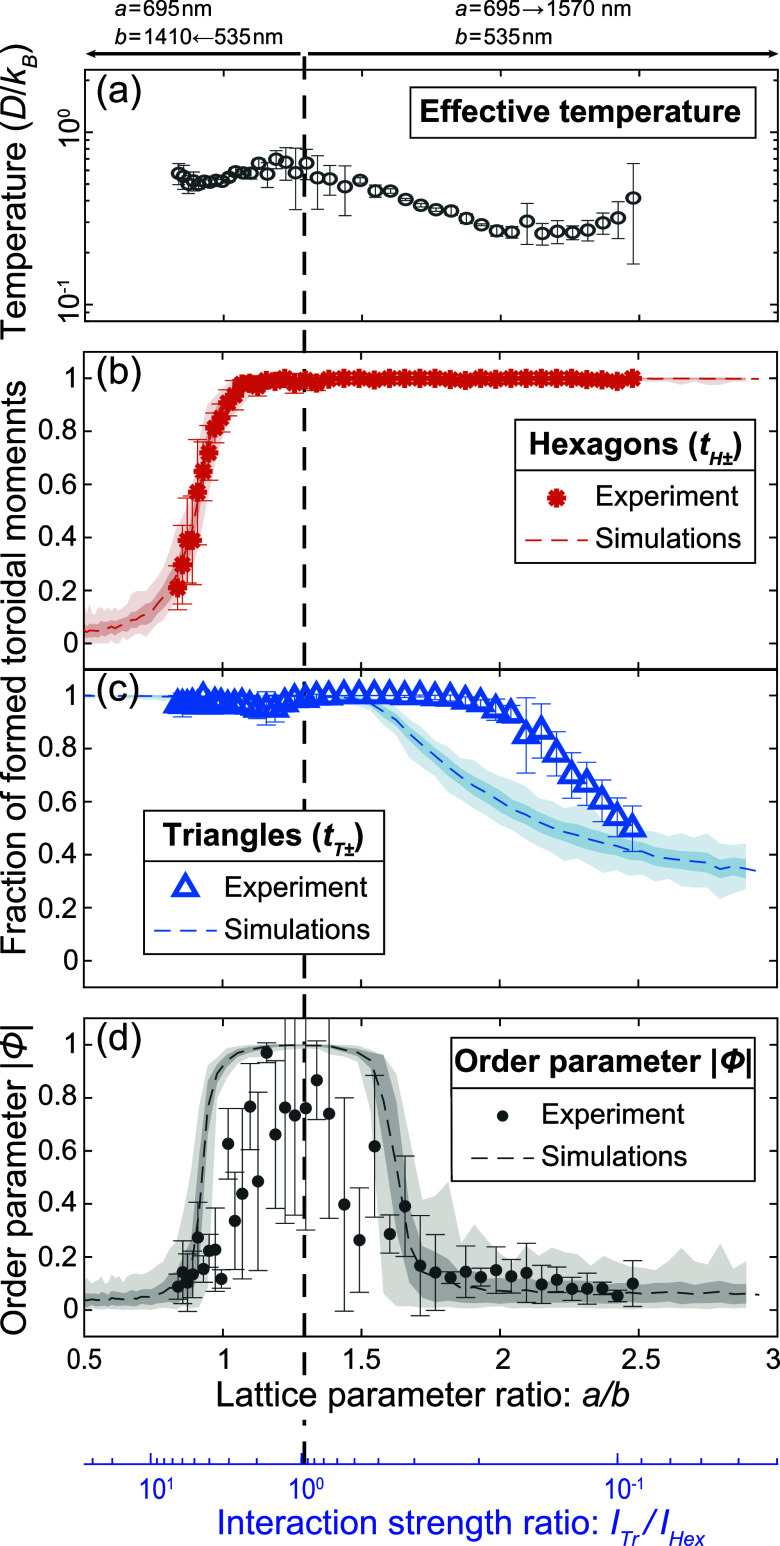 Figure 4
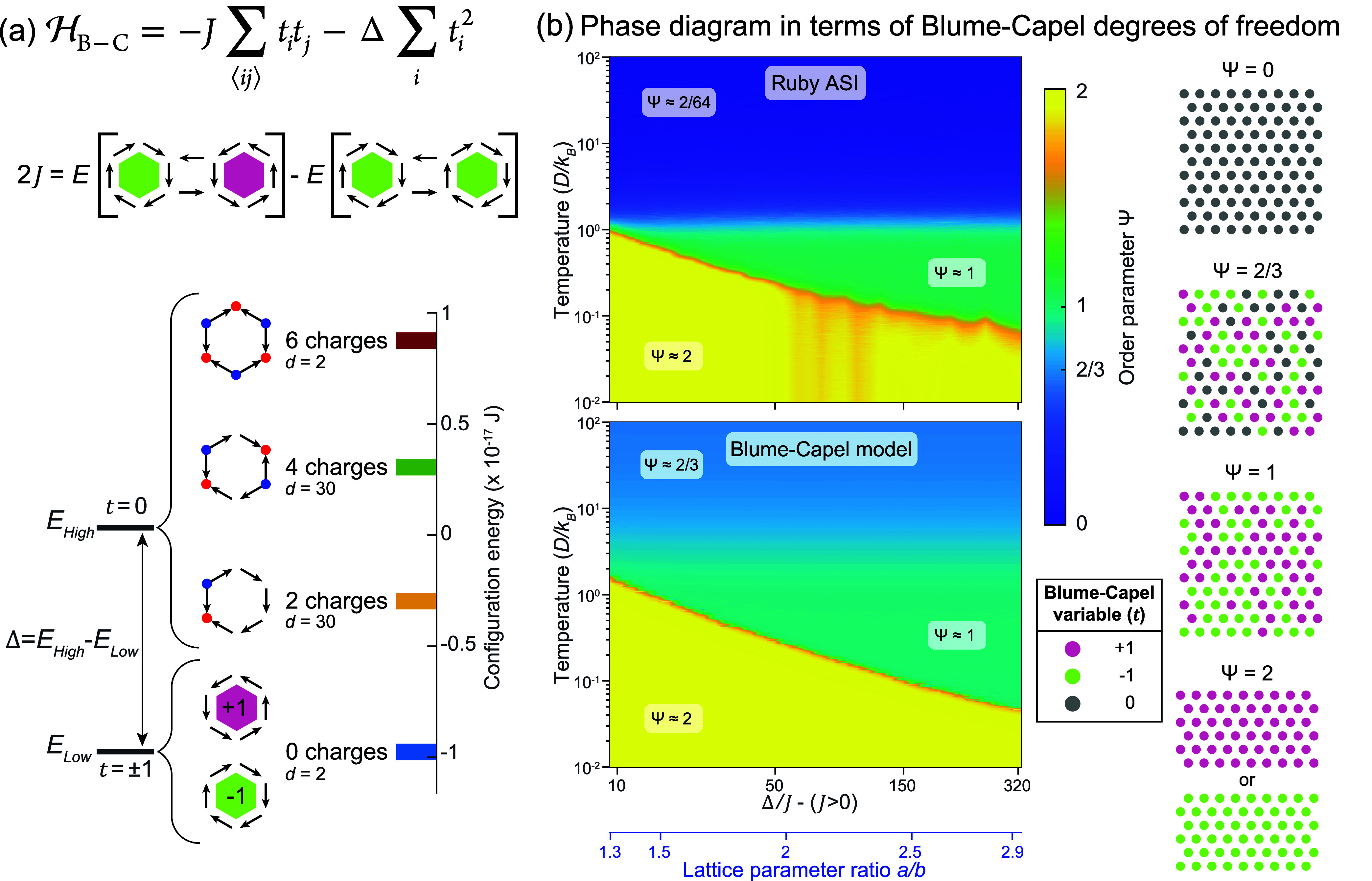 Figure 5
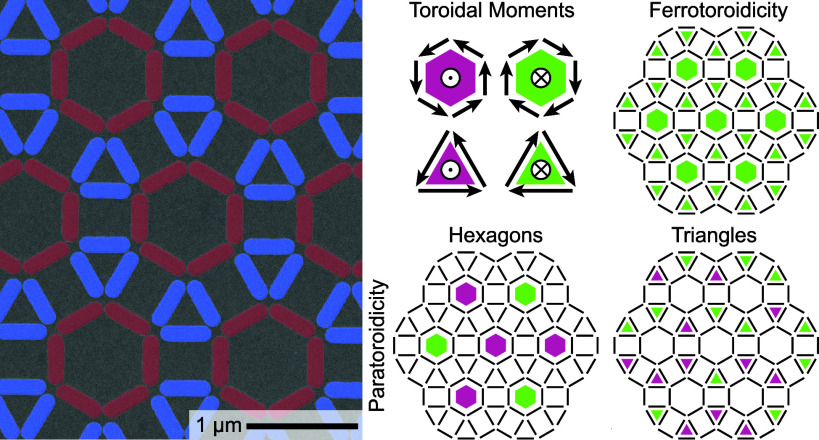 Figure 6
 Figure 7
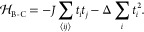 Figure 8
 Figure 9
 Figure 10
 Figure 11
 Figure 12
 Figure 13
 Figure 14
Peer Reviews
No public reviews on file for this paper yet. If you reviewed it on a platform where reviews are public (OpenReview, ICLR, NeurIPS, ICML), you can paste yours below so the community can read it here.
Videos
No videos yet. Explain this paper in a talk, walkthrough, or lecture? Add one.
Taxonomy
TopicsAdvanced Condensed Matter Physics · Quantum many-body systems · Theoretical and Computational Physics