Multicolor Upconversion Förster Resonant Energy Transfer Using Optimized Yb@YbTm Core@Shell Nanoparticles
Grzegorz Bękarski, Katarzyna Prorok, František Štětina, Małgorzata Misiak, Hans H. Gorris, Artur Bednarkiewicz

TL;DR
Researchers improved upconverting nanoparticle-based biosensing by optimizing nanoparticle design for better energy transfer efficiency and multicolor detection.
Contribution
A novel core@shell UCNP design with optimized Tm3+ concentration and multicolor FRET capabilities is introduced.
Findings
A 4% Tm3+ shell concentration maximized FRET efficiency with surface-bound dyes.
Four ATTO dyes were successfully differentiated using a single UCNP donor via spectral and time-domain analysis.
The study provides a framework for designing efficient, multicolor, and wash-free UC biosensing platforms.
Abstract
Upconverting nanoparticles (UCNPs) have emerged as promising alternative donors for resonance energy transfer (FRET)-based biosensing. However, employing UCNPs in FRET assays remains challenging because they display relatively small absorption cross sections and are relatively large as compared to the Förster distance. Thousands of individual donor ions in each UCNP are located within various distances from surface-bound acceptors, complicating the data analysis. While previous studies have explored how the composition and architecture of UCNPs influence FRET, many reports remain qualitative, and multicolor UC-FRET systems involving a single donor and multiple acceptors are less commonly studied than single-donor-single-acceptor systems. To address these challenges, we synthesized UCNPs with an absorbing core (Yb3+-doped)/active shell (Yb3+, Tm3+-doped) nanoparticles systematically…
Genes, proteins, chemicals, diseases, species, mutations and cell lines named across the full text — each resolved to its canonical identifier and authoritative record.
Click any figure to enlarge with its caption.
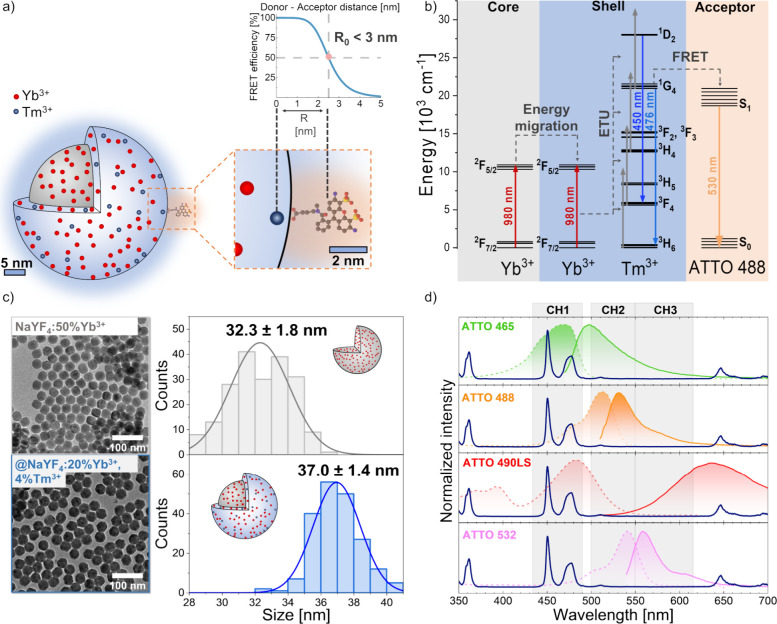 Figure 1
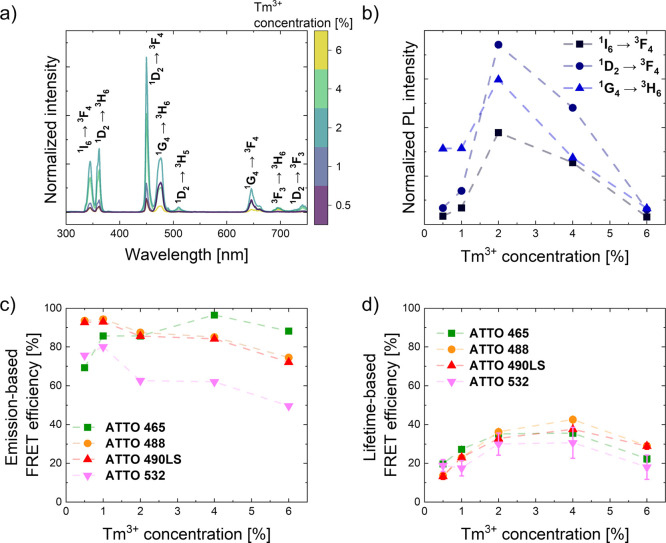 Figure 2
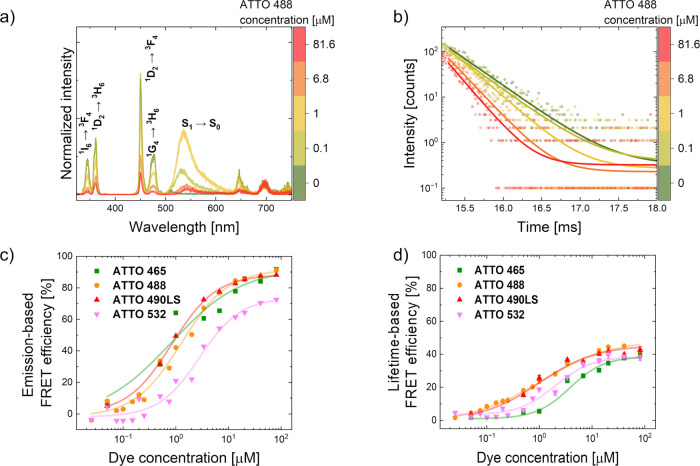 Figure 3
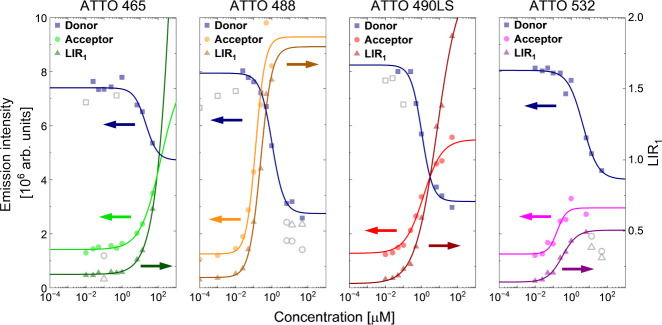 Figure 4
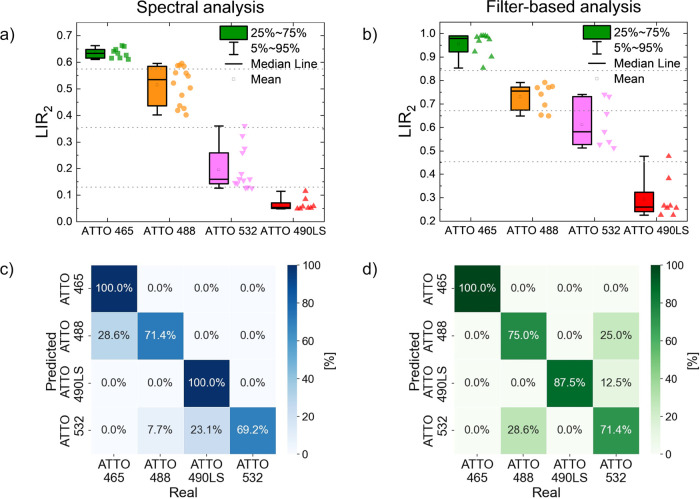 Figure 5
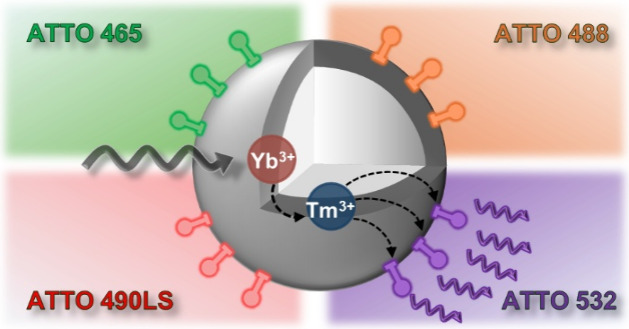 Figure 6
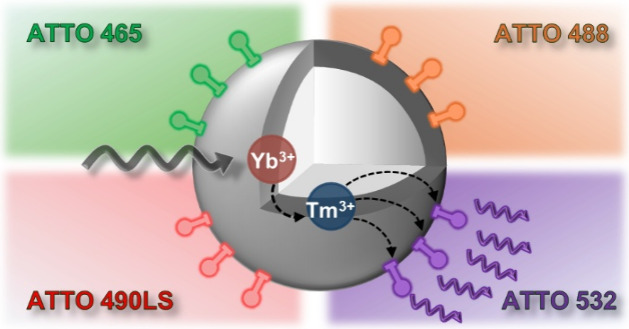 Figure 7
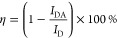 Figure 8
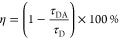 Figure 9
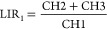 Figure 10
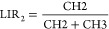 Figure 11
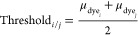 Figure 12
Peer Reviews
No public reviews on file for this paper yet. If you reviewed it on a platform where reviews are public (OpenReview, ICLR, NeurIPS, ICML), you can paste yours below so the community can read it here.
Videos
No videos yet. Explain this paper in a talk, walkthrough, or lecture? Add one.
Taxonomy
TopicsLuminescence Properties of Advanced Materials · Luminescence and Fluorescent Materials · Nanoplatforms for cancer theranostics