Body-responsive shape-memory polymers for biomedical applications
Ebrahim Tajik, Nima Reihani, Vahid Karamzadeh, Guosheng Tang, Hossein Ravanbakhsh

TL;DR
This paper reviews shape-memory polymers that respond to body conditions, focusing on their potential for smart biomedical implants and devices.
Contribution
The paper categorizes and analyzes body-responsive shape-memory polymers, emphasizing their design and biomedical applications.
Findings
Body-responsive SMPs can be categorized into temperature, water, and dual-responsive types based on their activation mechanisms.
Applications include tissue engineering, vascular interventions, and drug delivery, showcasing their versatility.
Emerging fabrication methods are enabling scalable production of these polymers for practical use.
Abstract
Shape memory polymers (SMPs) have emerged as versatile and adaptive materials in healthcare, offering transformative solutions for tissue repair and biomedical device interfaces. Their ability to undergo controlled shape changes in response to external stimuli has driven significant interest in developing smart implants for minimally invasive procedures. Precise material design and engineering that leverage physiological conditions, such as body temperature and bodily fluids, can unlock their potential for biomedical applications. This review focuses explicitly on SMPs activated by physiological stimuli, referred to here as “body-responsive” SMPs. By categorizing SMPs into temperature-responsive, water-responsive, and dual-responsive variants, their shape memory behavior is analyzed, with an emphasis on how the structural design governs the body-responsiveness of the SMPs. Current…
Genes, proteins, chemicals, diseases, species, mutations and cell lines named across the full text — each resolved to its canonical identifier and authoritative record.
Click any figure to enlarge with its caption.
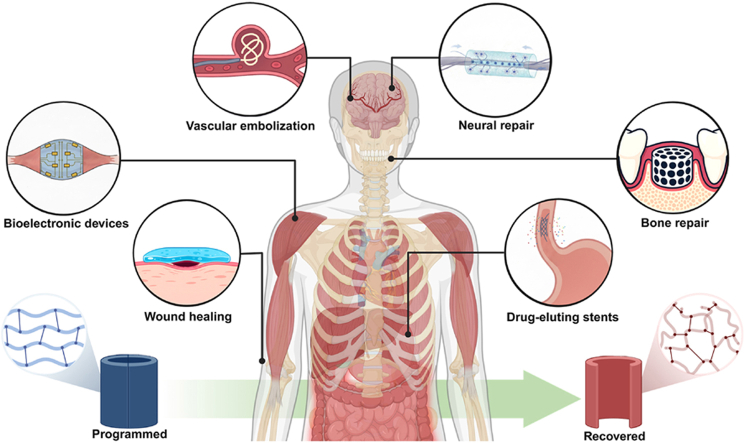 Figure 1
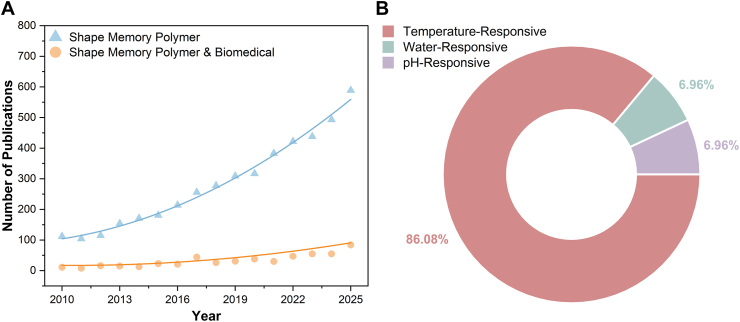 Figure 2
 Figure 3
 Figure 4
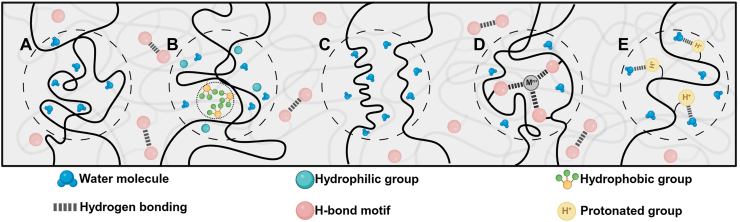 Figure 5
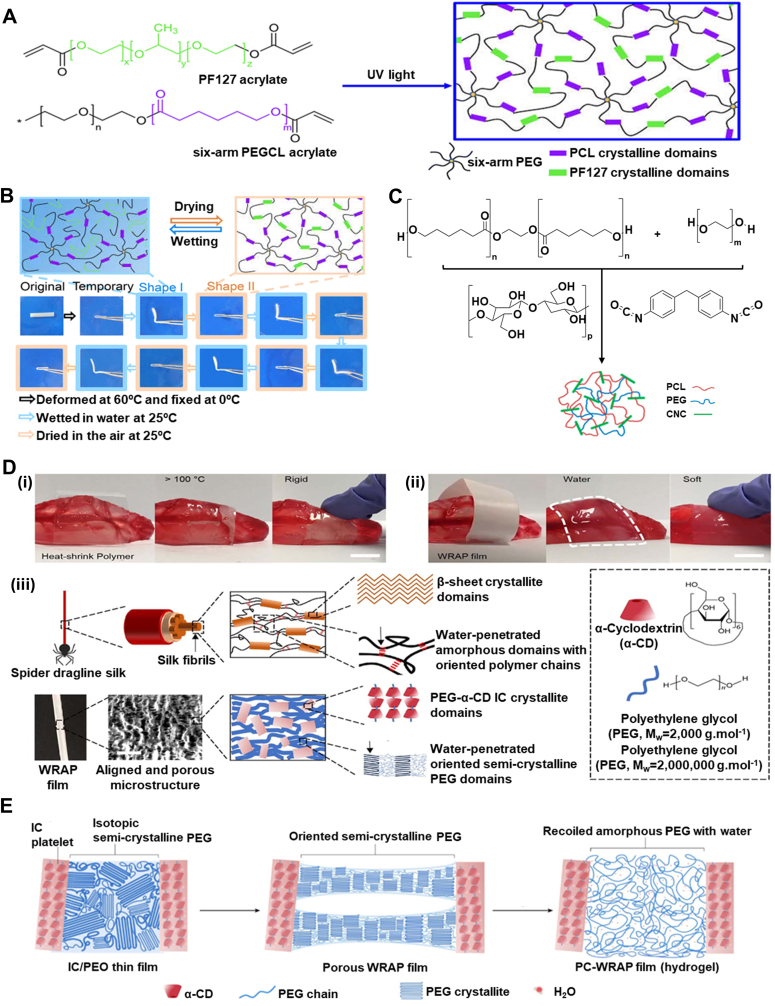 Figure 6
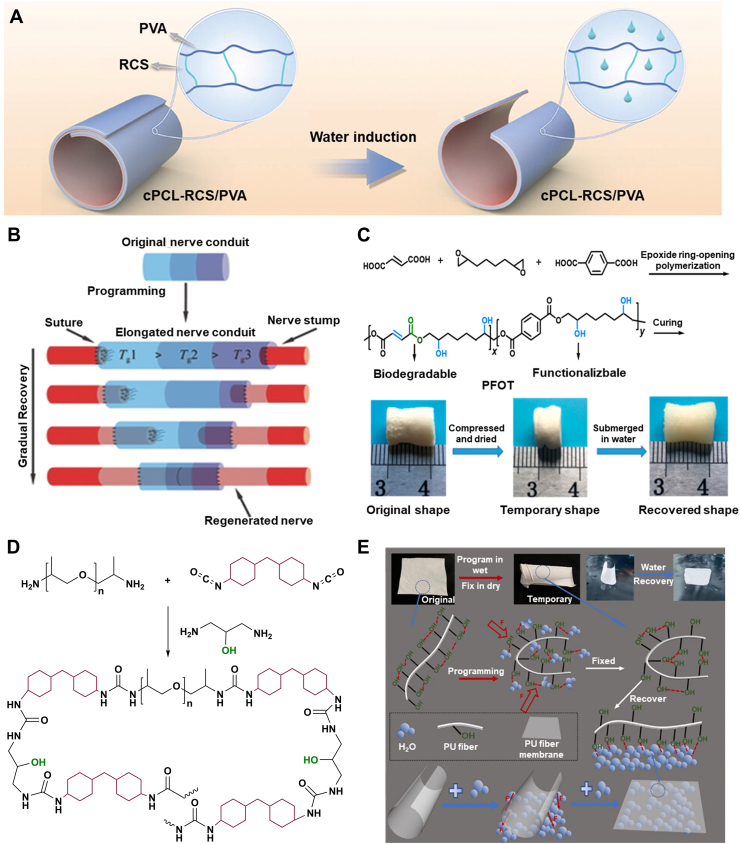 Figure 7
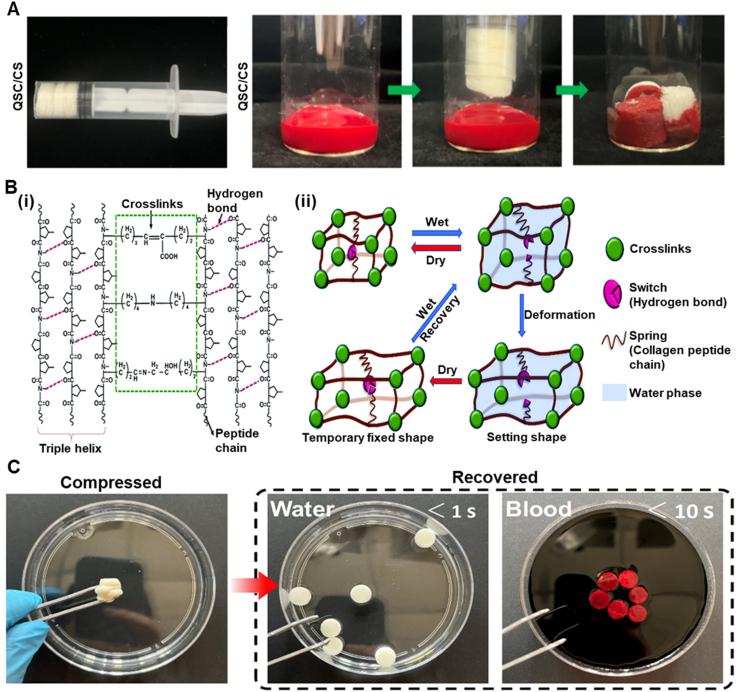 Figure 8
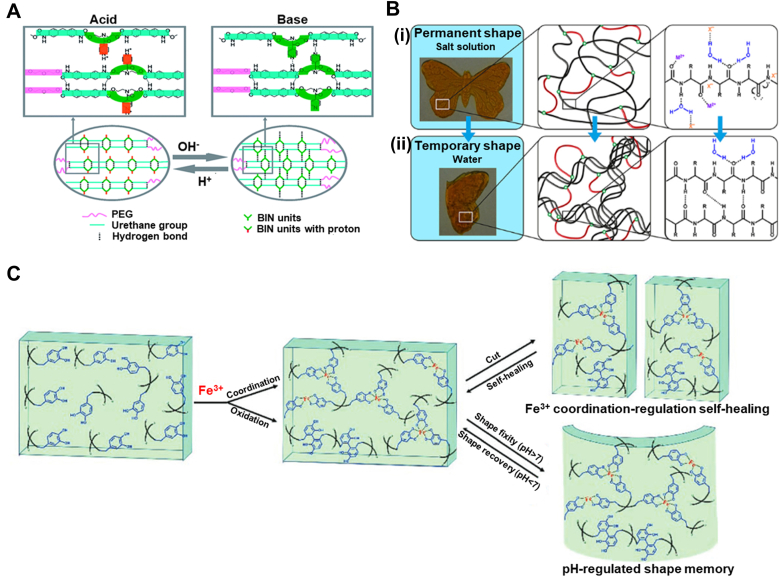 Figure 9
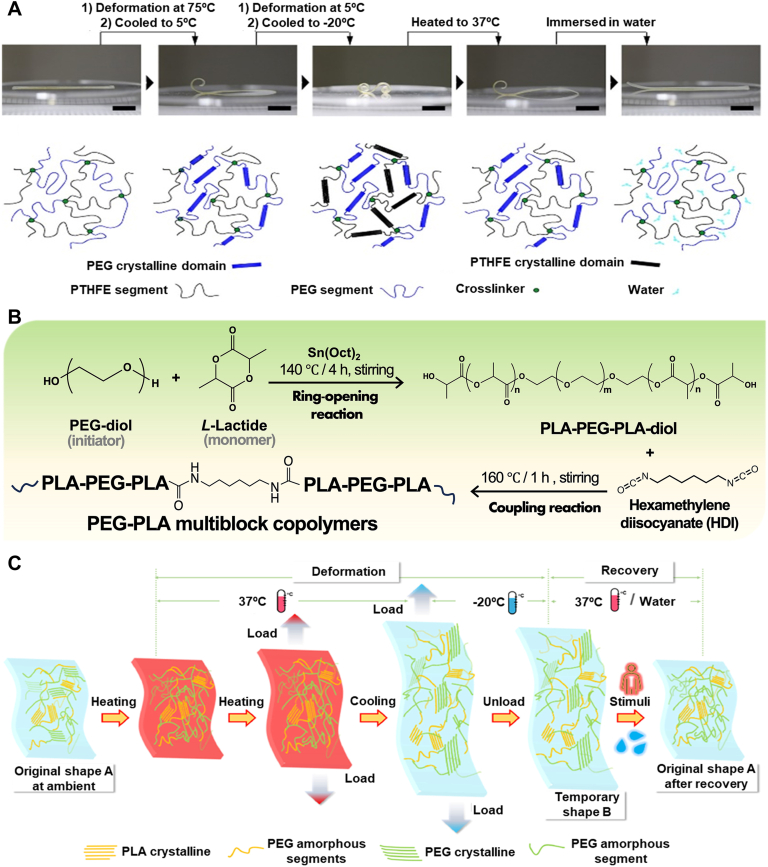 Figure 10
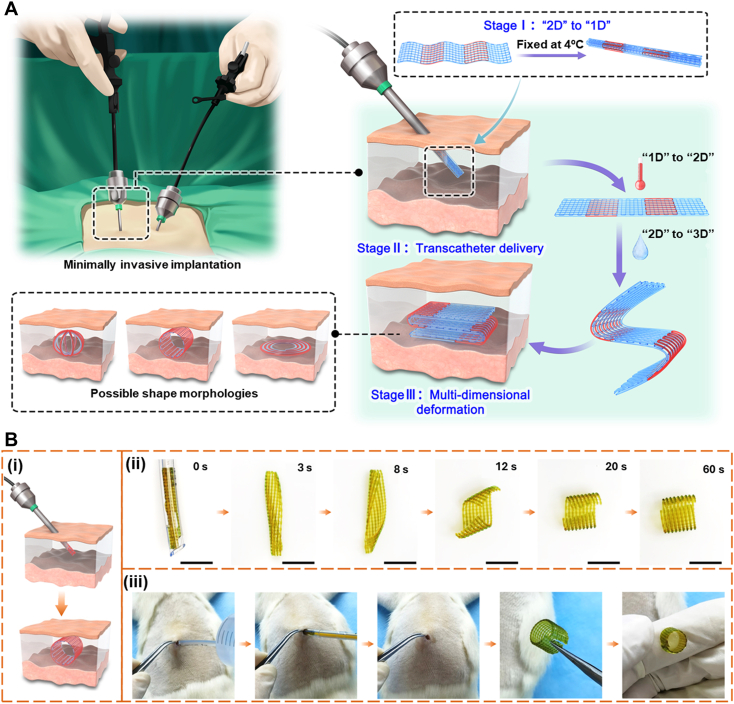 Figure 11
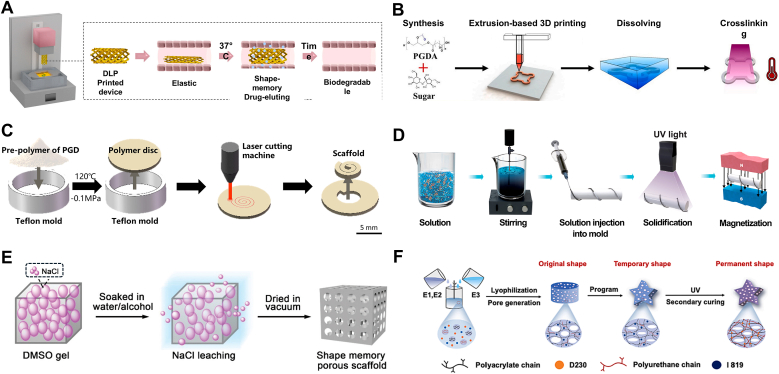 Figure 12
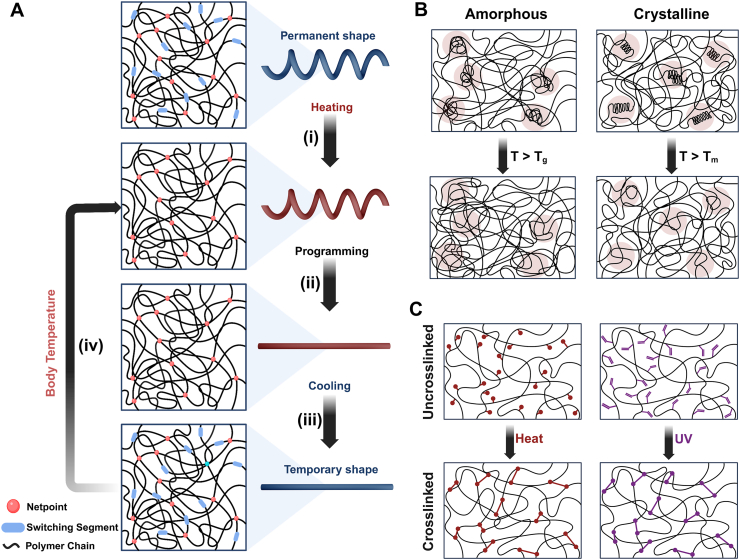 Figure 13
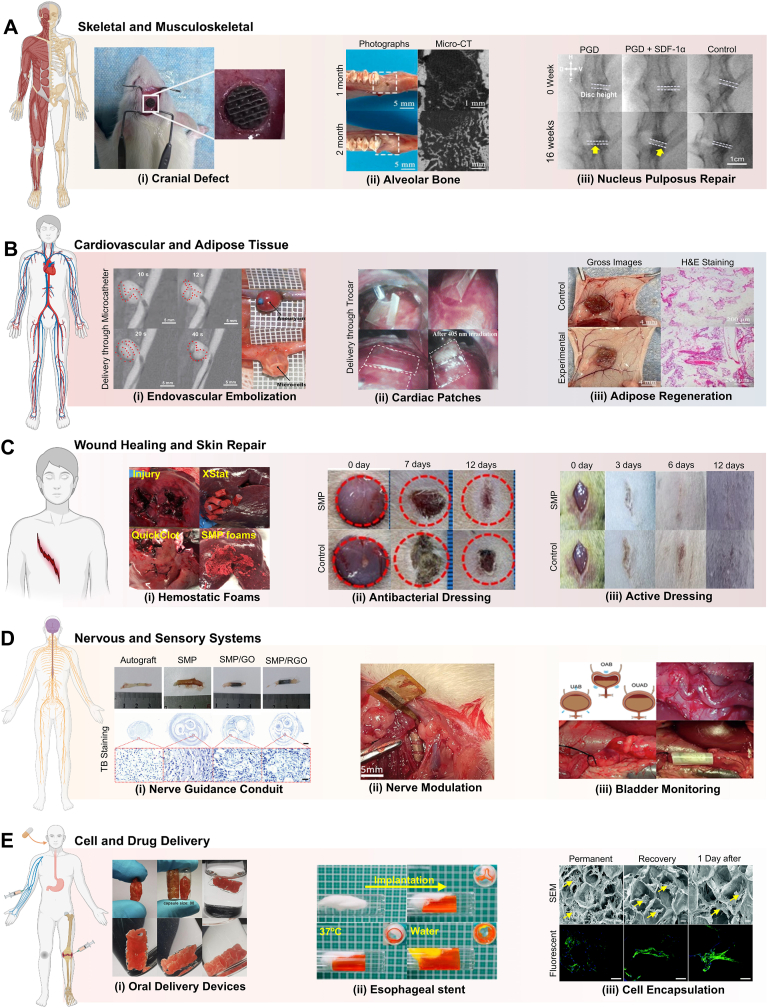 Figure 14
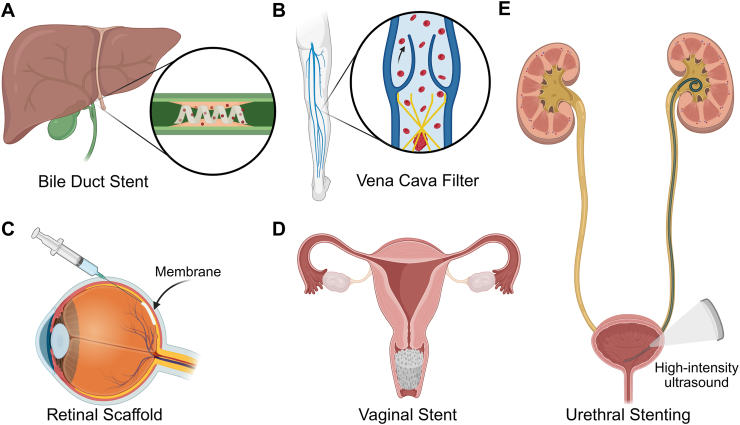 Figure 15
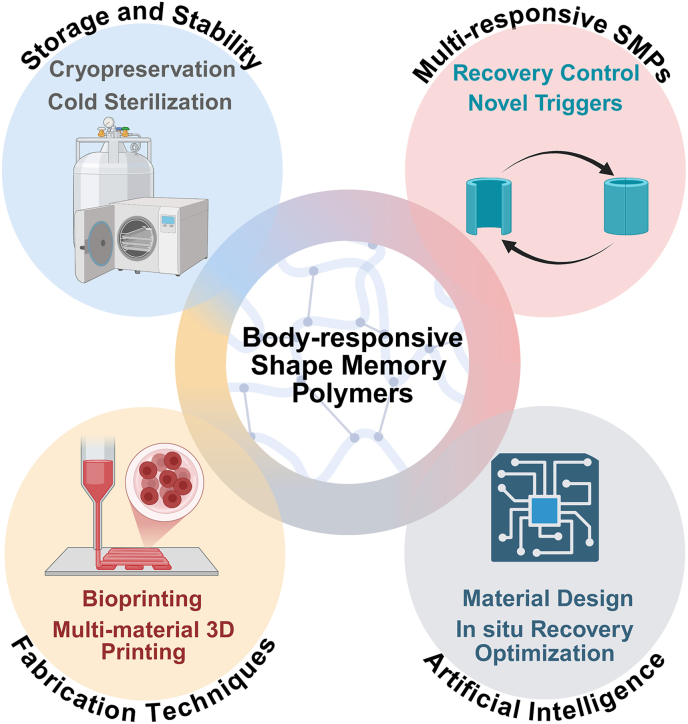 Figure 16
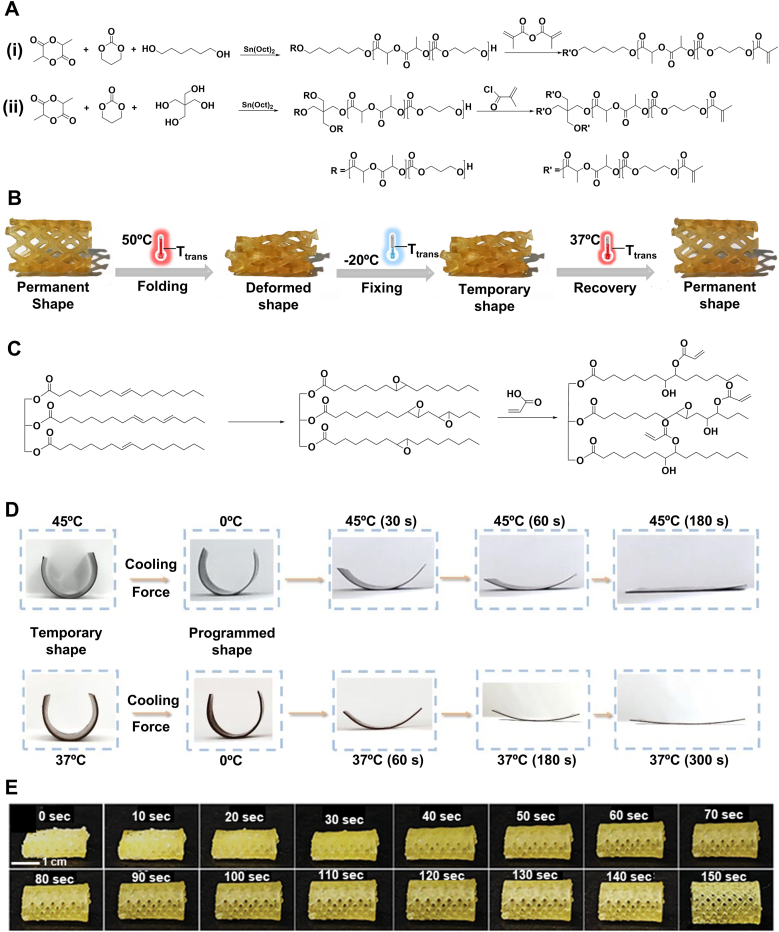 Figure 17
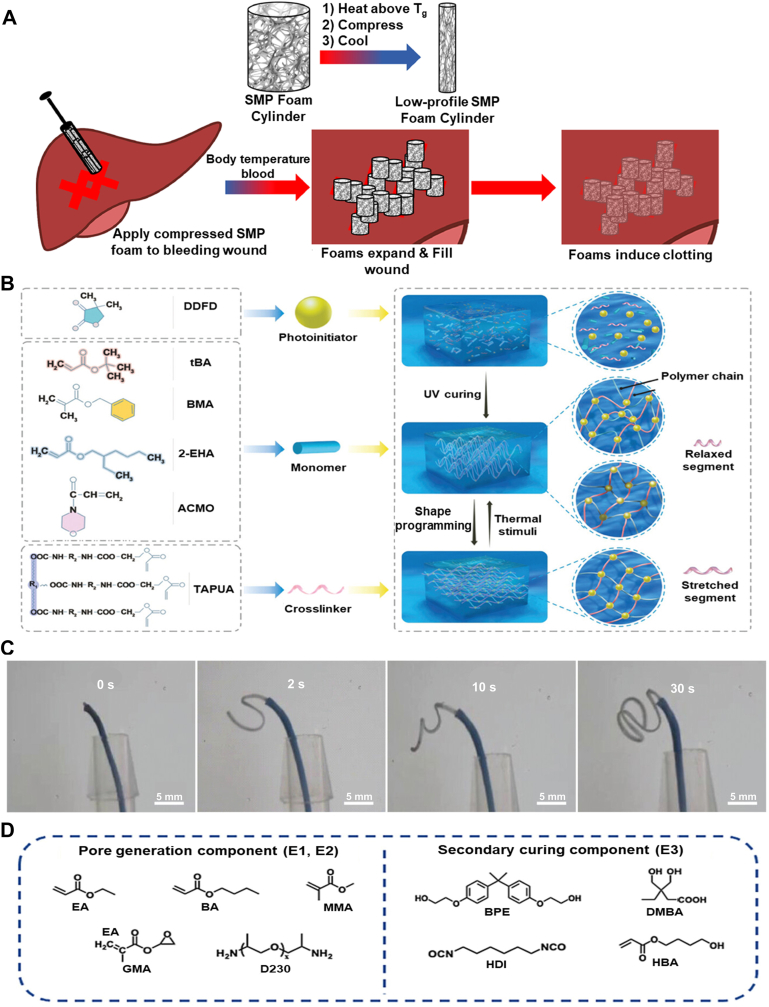 Figure 18
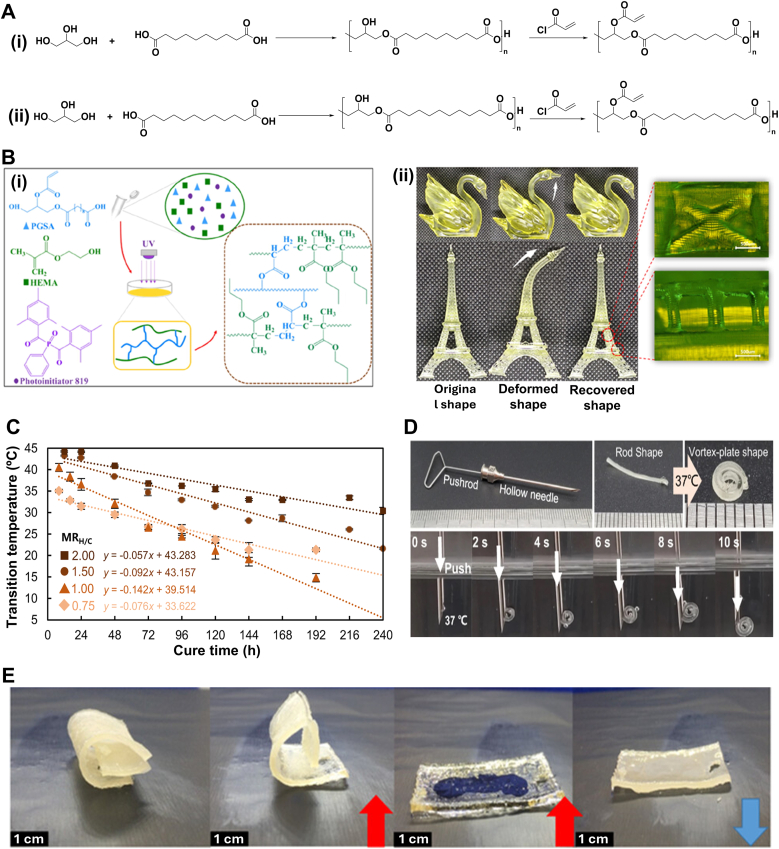 Figure 19
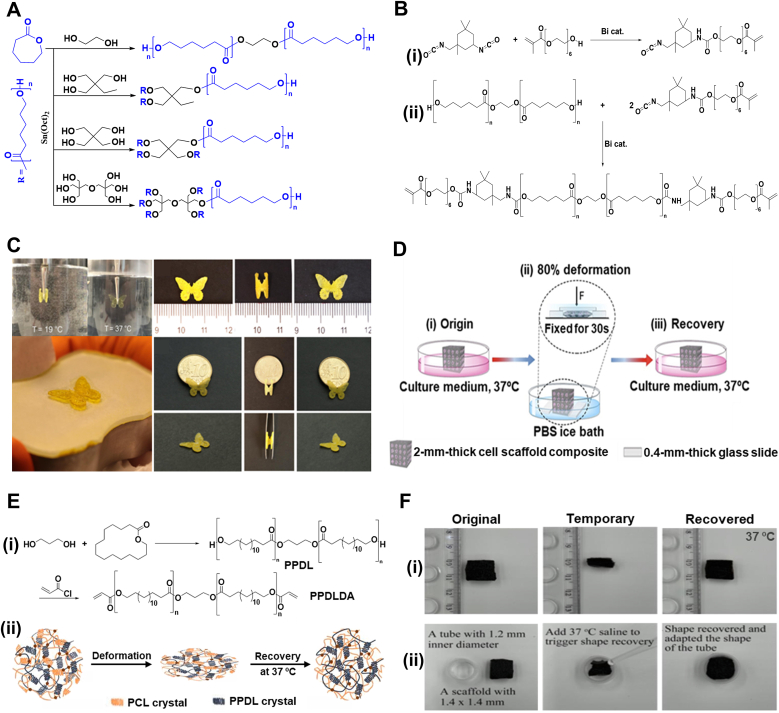 Figure 20
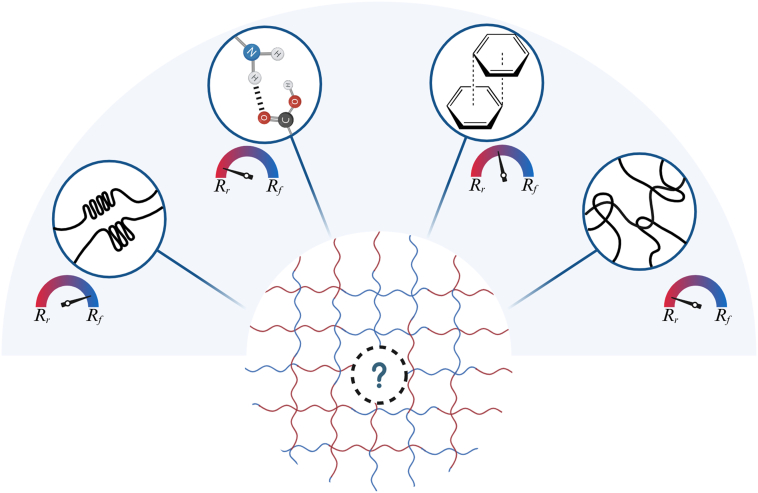 Figure 21
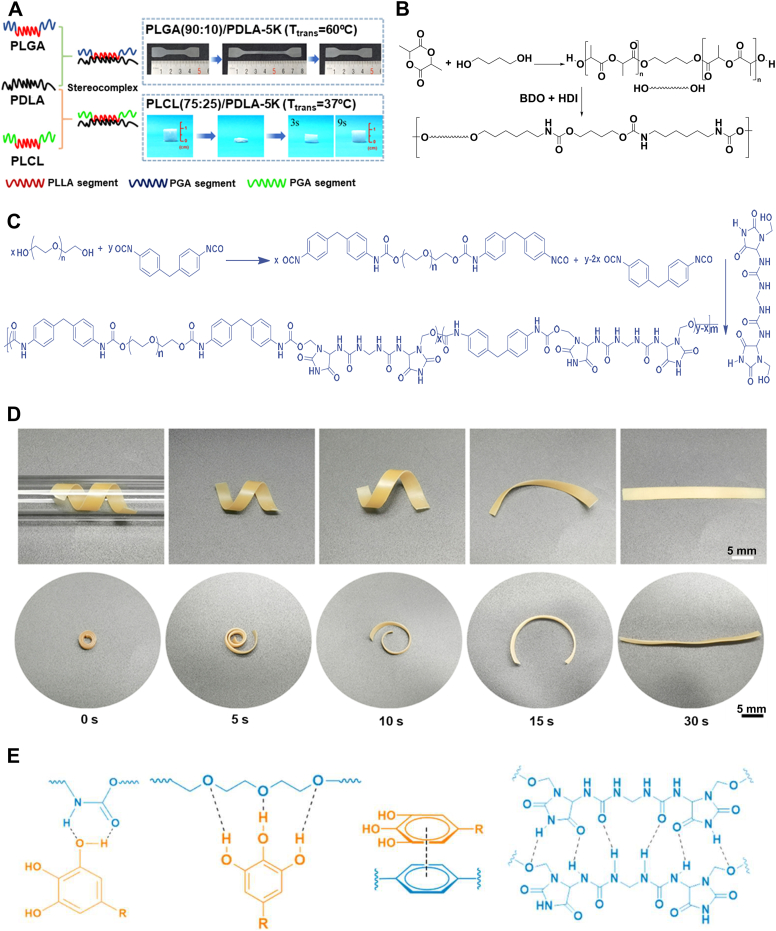 Figure 22
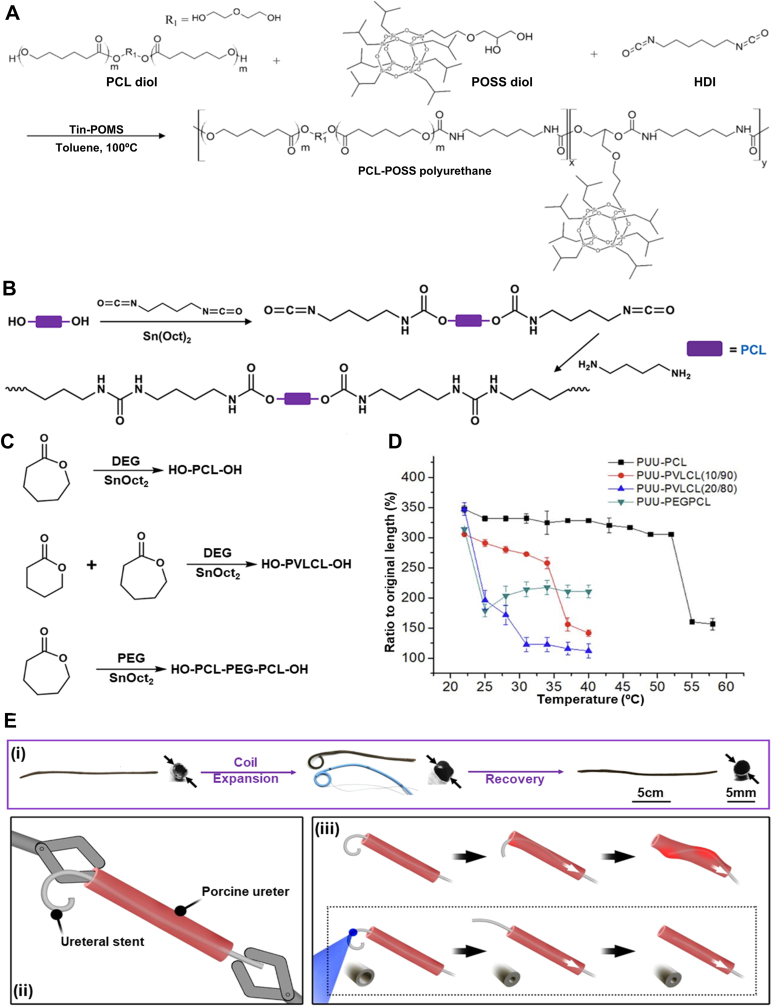 Figure 23
Peer Reviews
No public reviews on file for this paper yet. If you reviewed it on a platform where reviews are public (OpenReview, ICLR, NeurIPS, ICML), you can paste yours below so the community can read it here.
Videos
No videos yet. Explain this paper in a talk, walkthrough, or lecture? Add one.
Taxonomy
TopicsPolymer composites and self-healing · Advanced Materials and Mechanics · Hydrogels: synthesis, properties, applications