Structural brain alterations in anorexia nervosa: a global brain volume and anatomical likelihood estimation (ALE) meta-analysis combined with a functional decoding approach
Lara Keller, Leon D. Lotter, Claudia R. Eickhoff, Simon B. Eickhoff, Katharina Otten, Beate Herpertz-Dahlmann, Jochen Seitz

TL;DR
This study finds that anorexia nervosa causes significant brain volume loss, which partially recovers with weight gain but remains reduced for up to 1.5 years.
Contribution
The study combines global brain volume analysis and ALE meta-analysis to reveal structural brain changes and preserved regions in anorexia nervosa.
Findings
Acute anorexia nervosa is associated with significant gray and white matter volume reductions, especially in adolescents.
Brain volume improvements occur with weight restoration but do not fully normalize within 1.5 years of recovery.
Key brain regions like the cingulate gyrus and precuneus show consistent structural reductions in anorexia nervosa.
Abstract
•Acute AN shows a reduction of –4.79% gray matter and –2.48% white matter with numerically larger reductions in adolescents.•Brain volumes improve with weight restoration but remain reduced up to 1.5 years post‑recovery.•Anatomical likelihood estimation (ALE) indicates widespread gray matter and cortical thickness reductions.•Key areas affected in AN include the cingulate gyrus, precentral gyrus, and precuneus.•Preserved regions colocalize with brain areas for eating, food cues, threat, and reinforcement (FDR-corrected). Acute AN shows a reduction of –4.79% gray matter and –2.48% white matter with numerically larger reductions in adolescents. Brain volumes improve with weight restoration but remain reduced up to 1.5 years post‑recovery. Anatomical likelihood estimation (ALE) indicates widespread gray matter and cortical thickness reductions. Key areas affected in AN include the…
Genes, proteins, chemicals, diseases, species, mutations and cell lines named across the full text — each resolved to its canonical identifier and authoritative record.
Click any figure to enlarge with its caption.
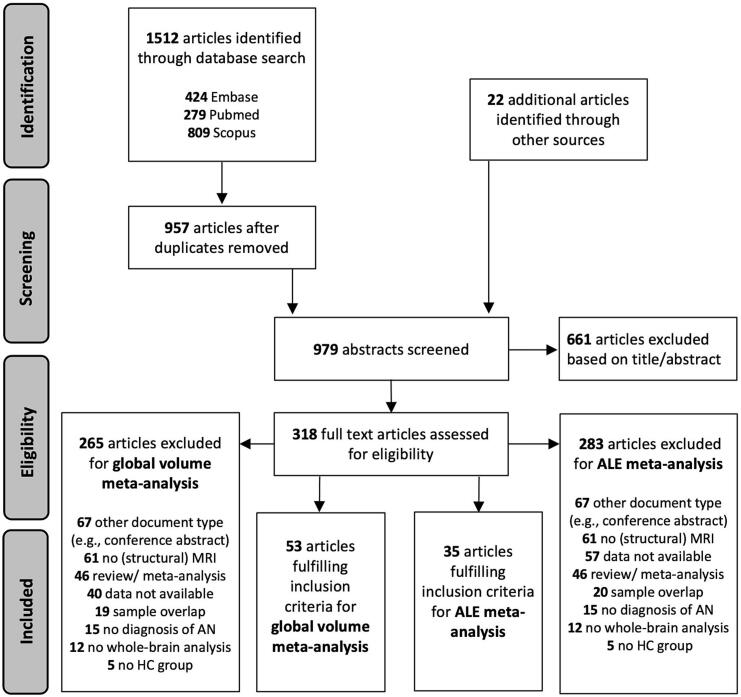 Figure 1
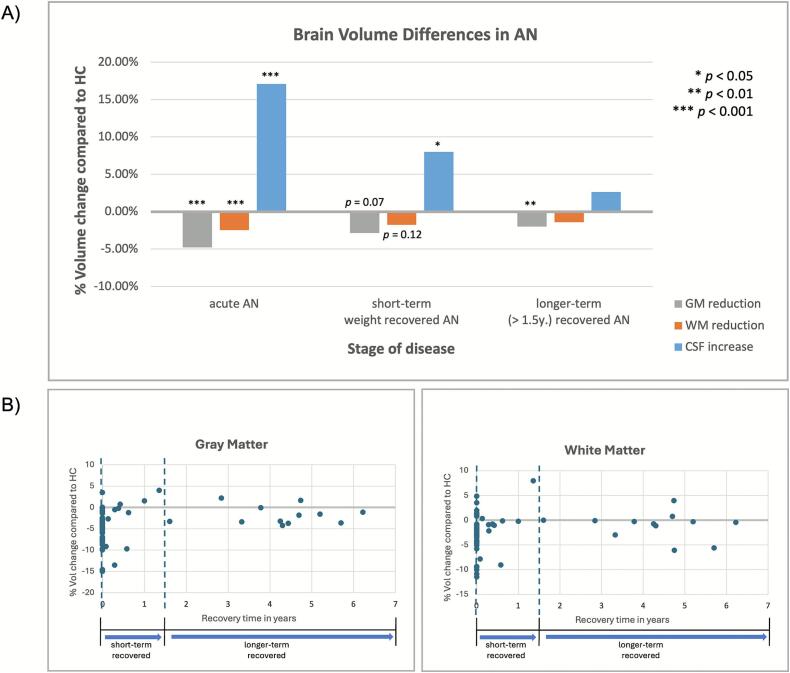 Figure 2
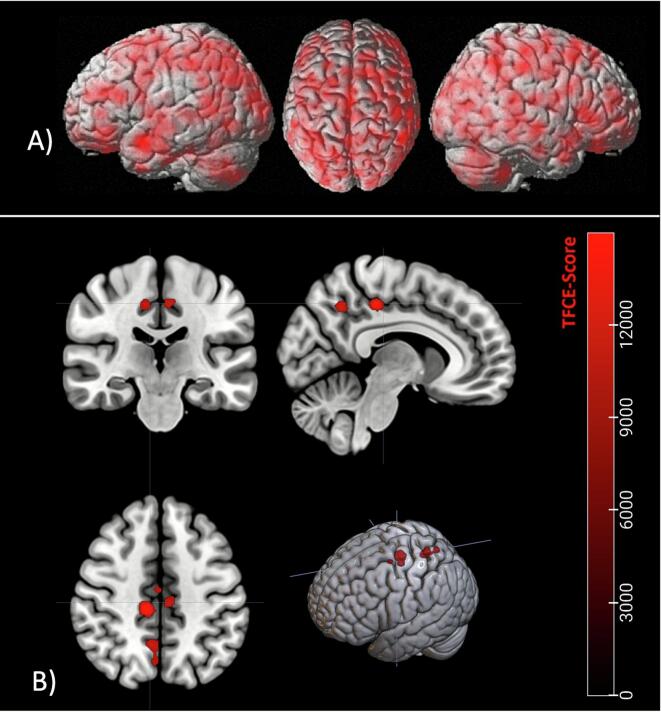 Figure 3
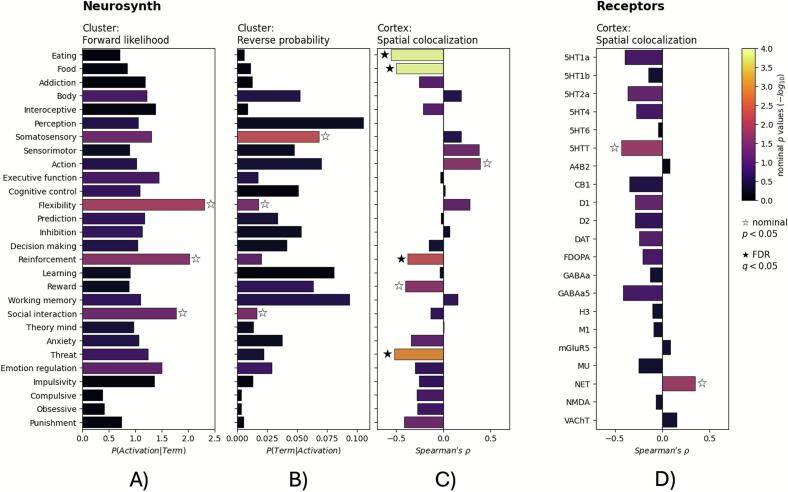 Figure 4
Peer Reviews
No public reviews on file for this paper yet. If you reviewed it on a platform where reviews are public (OpenReview, ICLR, NeurIPS, ICML), you can paste yours below so the community can read it here.
Videos
No videos yet. Explain this paper in a talk, walkthrough, or lecture? Add one.
Taxonomy
TopicsEating Disorders and Behaviors · Child Nutrition and Feeding Issues · Regulation of Appetite and Obesity