Simultaneous Holographic Molecular Binding Assays with Internal Calibration Standards
Kaitlynn Snyder, Andrew D. Hollingsworth, Fook Chiong Cheong, Rushna Quddus, David G. Grier

TL;DR
This paper introduces a new holographic method to detect molecules using probe beads and reference standards for accurate and simultaneous measurements.
Contribution
The novel contribution is a multicomponent holographic assay with internal calibration standards for label-free molecule detection.
Findings
Simultaneous measurements using two functionalized probe beads and inert reference beads yield consistent analyte concentration results.
Negative controls using alcohol dehydrogenase confirm the specificity of the binding assay.
A new all-optical method measures polymer brush grafting density and determines the specific volume of poly(ethylene oxide).
Abstract
Holographic molecular binding assays detect macromolecules binding to colloidal probe beads by monitoring nanometer-scale changes in the beads’ diameters with holographic microscopy. Measured changes are interpreted with Maxwell Garnett effective-medium theory to infer the surface coverage of analyte molecules and therefore to measure the analyte concentration in solution. We demonstrate a multicomponent holographic binding assay that tests for immunoglobulin G (IgG) using two different types of functionalized probe beads and provides internal negative controls using inert reference beads. The three label-free measurements are performed simultaneously and yield consistent results for the concentration of the analyte. Negative controls are validated by performing the same test on a solution of alcohol dehydrogenase (ADH), which has a similar molecular weight to IgG but does not bind to…
Genes, proteins, chemicals, diseases, species, mutations and cell lines named across the full text — each resolved to its canonical identifier and authoritative record.
Click any figure to enlarge with its caption.
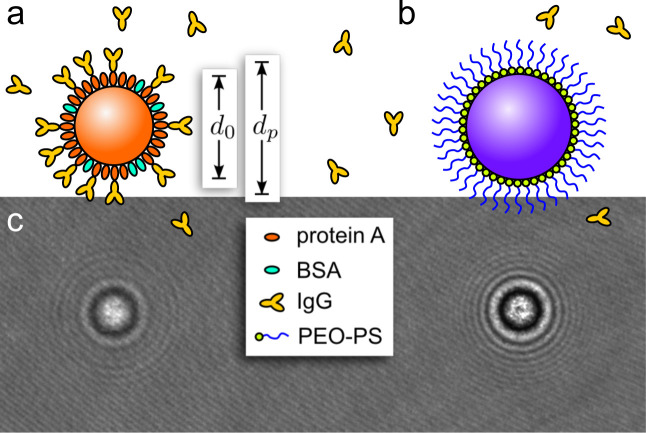 Figure 1
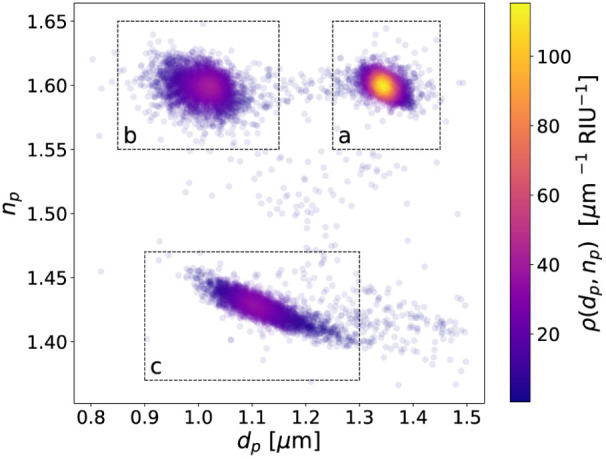 Figure 2
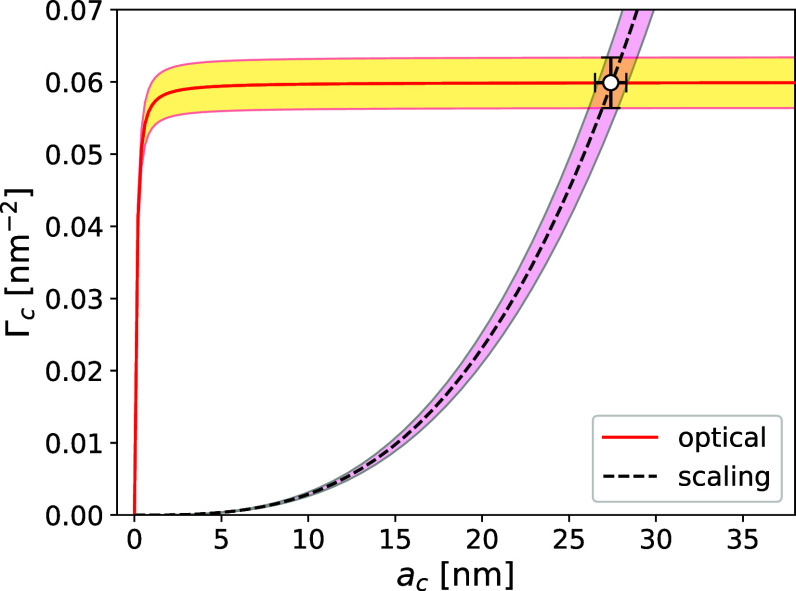 Figure 3
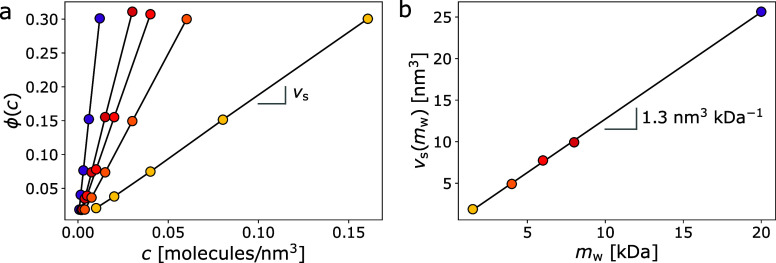 Figure 4
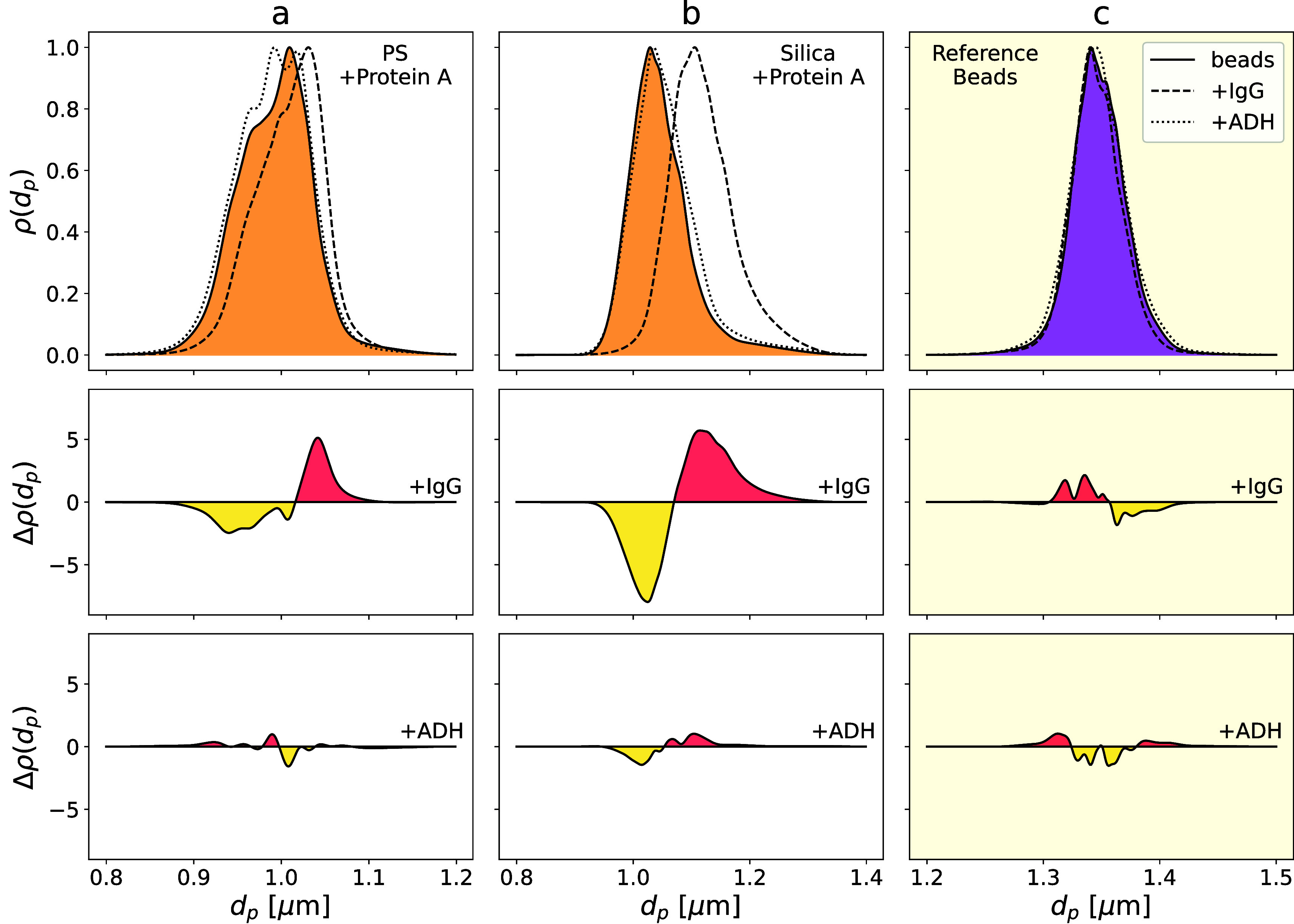 Figure 5
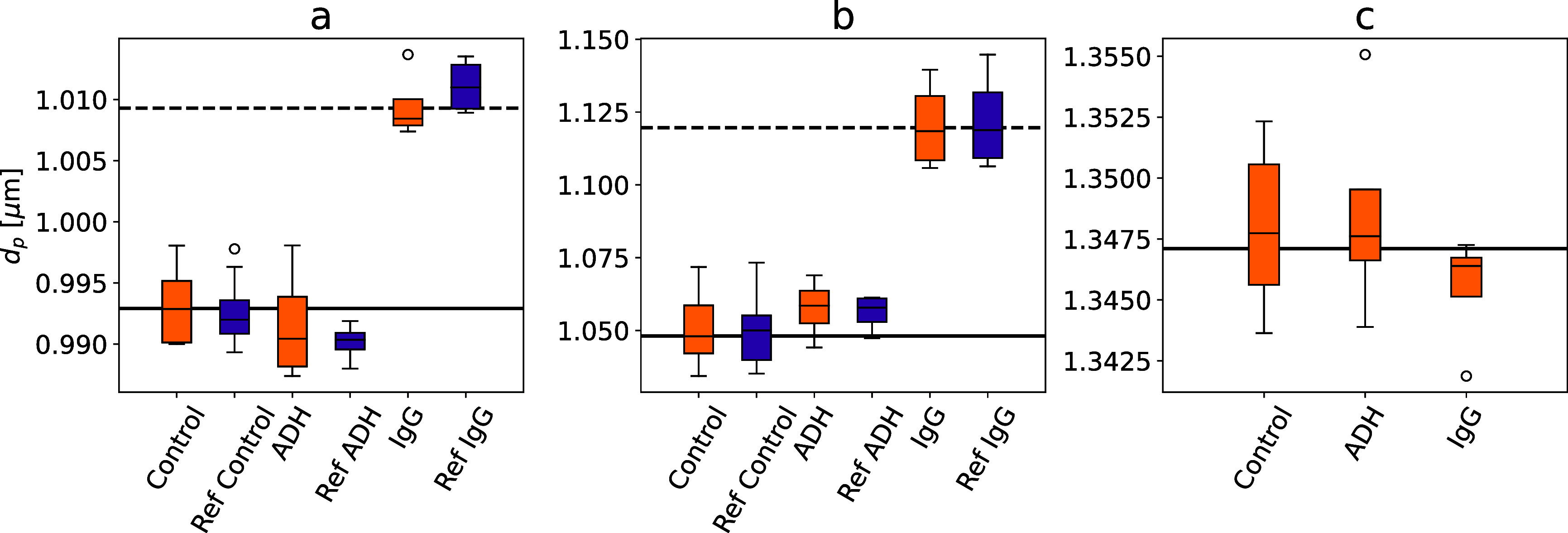 Figure 6
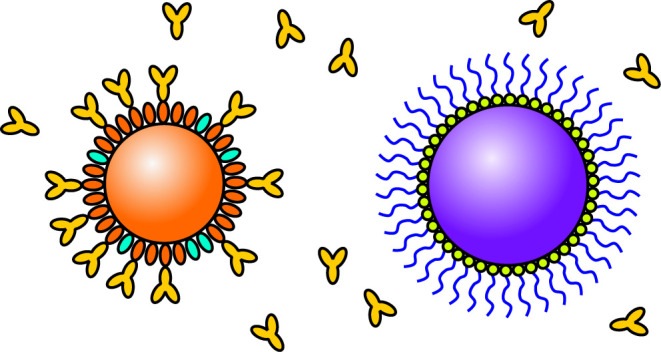 Figure 7
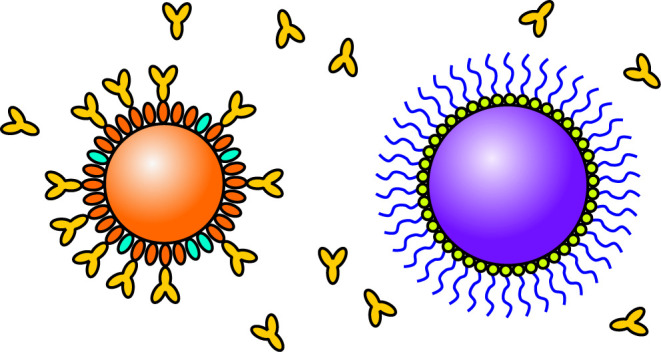 Figure 8
 Figure 9
 Figure 10
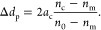 Figure 11
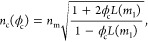 Figure 12
 Figure 13
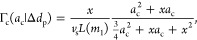 Figure 14
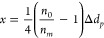 Figure 15
 Figure 16
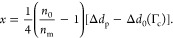 Figure 17
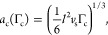 Figure 18
 Figure 19
 Figure 20
 Figure 21
 Figure 22
 Figure 23
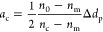 Figure 24
 Figure 25
 Figure 26
Peer Reviews
No public reviews on file for this paper yet. If you reviewed it on a platform where reviews are public (OpenReview, ICLR, NeurIPS, ICML), you can paste yours below so the community can read it here.
Videos
No videos yet. Explain this paper in a talk, walkthrough, or lecture? Add one.
Taxonomy
TopicsAdvanced Biosensing Techniques and Applications