Modeling and Experiments on Multilayered Barrier Coatings Containing Water-Sorbent Biopolymers
Solomon Stavros Melides, Ian Williams, Joseph L. Keddie

TL;DR
This paper explores using biopolymer layers in packaging to reduce water loss, offering a sustainable alternative to petroleum-based plastics.
Contribution
A novel theoretical model and design concept for multilayered barrier coatings with water-absorbent biopolymers.
Findings
Increasing the thickness and water-holding capacity of absorbent layers reduces water mass loss rate.
Dried absorbent layers (initial water activity of 0) provide the greatest reduction in water flux.
Thicker barrier layers on the low-activity side are most effective in reducing water permeability.
Abstract
Environmental regulations and consumer demand are driving the need for packaging materials to reduce or eliminate the use of petroleum-based plastics by replacing them with natural and degradable alternatives. Water flux through a barrier layer is governed by the differential in water activity between a high side (e.g., an aqueous solution) and a low side, such as humid air. We propose that a water-absorbent layer sandwiched between two barrier layers will act as a sponge and locally raise the water activity. It will thereby lower the activity differential across the first barrier layer and, hence, reduce the water flux through the multilayer for a set time period. We present a theoretical model that predicts the water flux through a multilayered structure of two or more barrier layers sandwiching hydrophilic layers that hold water according to an absorption isotherm. We use this model…
Genes, proteins, chemicals, diseases, species, mutations and cell lines named across the full text — each resolved to its canonical identifier and authoritative record.
Click any figure to enlarge with its caption.
 Figure 1
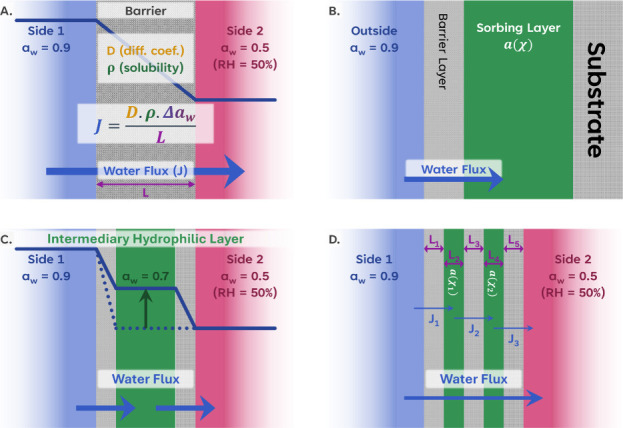 Figure 2
 Figure 3
 Figure 4
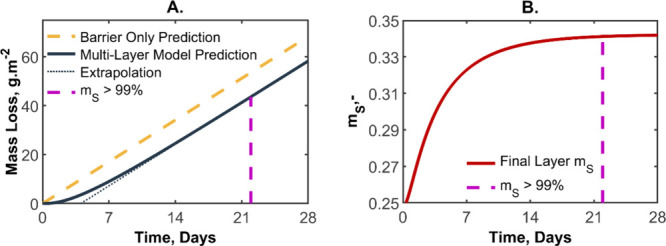 Figure 5
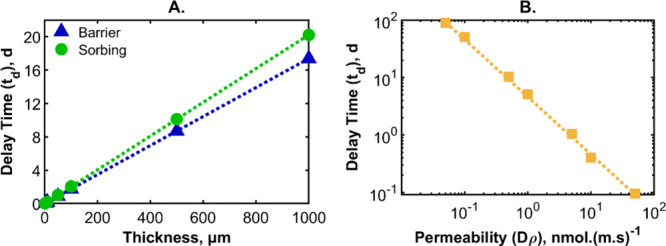 Figure 6
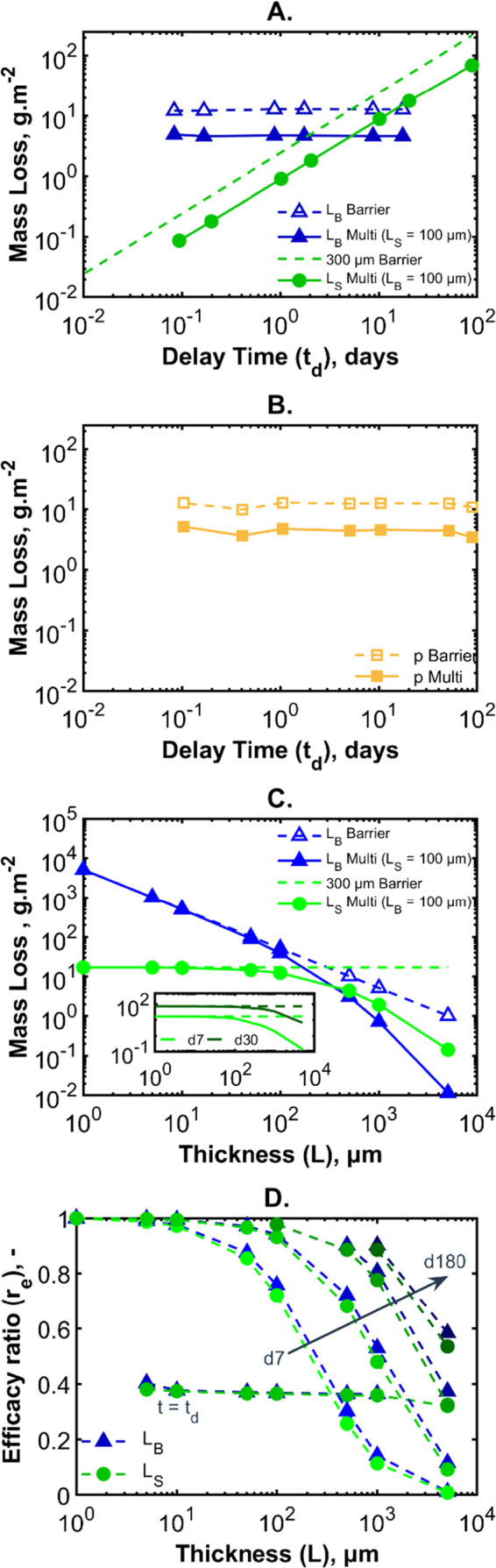 Figure 7
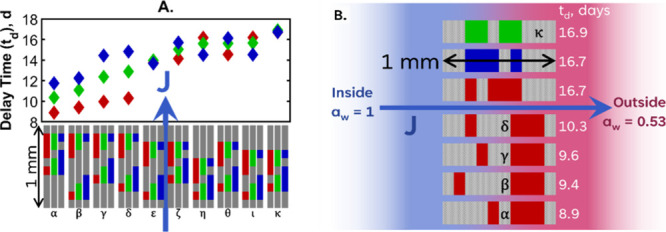 Figure 8
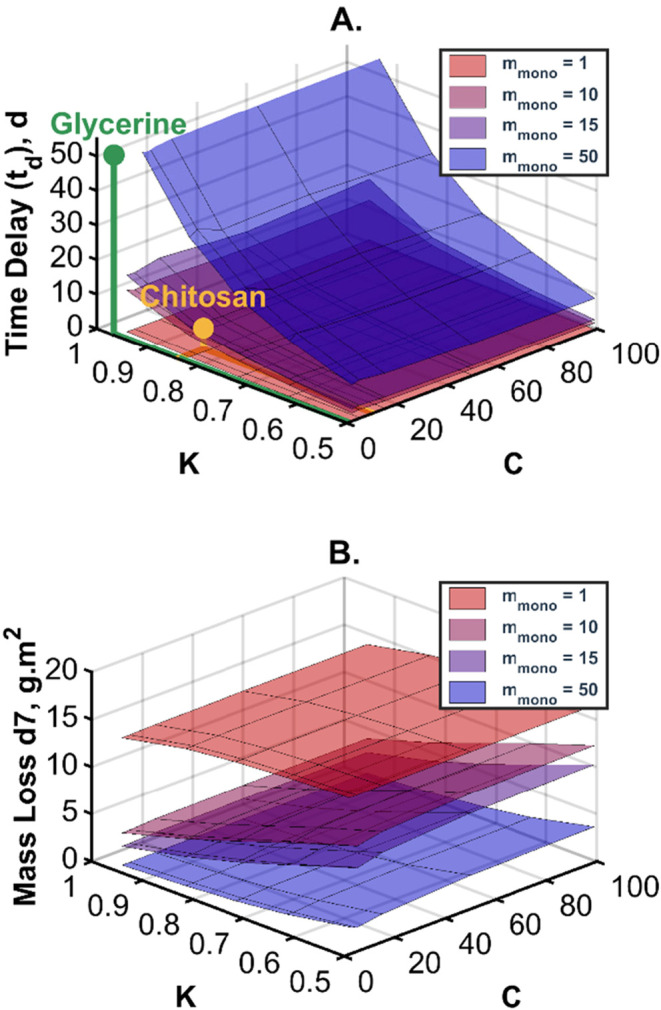 Figure 9
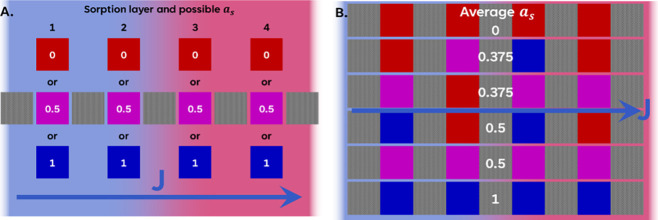 Figure 10
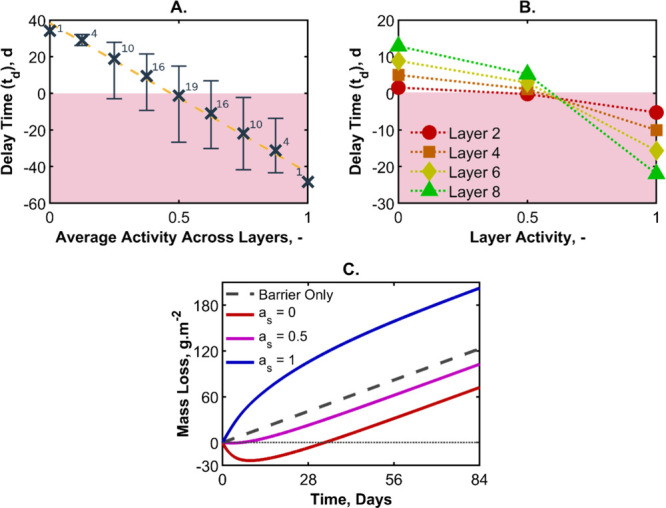 Figure 11
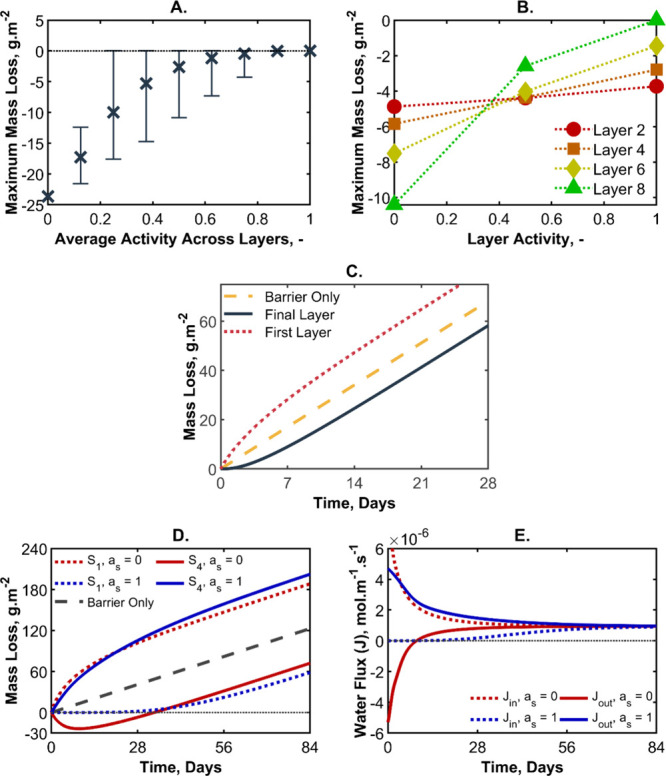 Figure 12
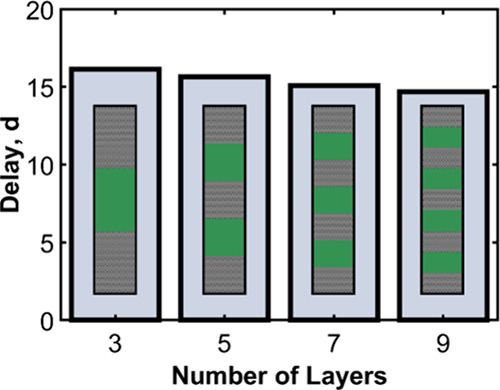 Figure 13
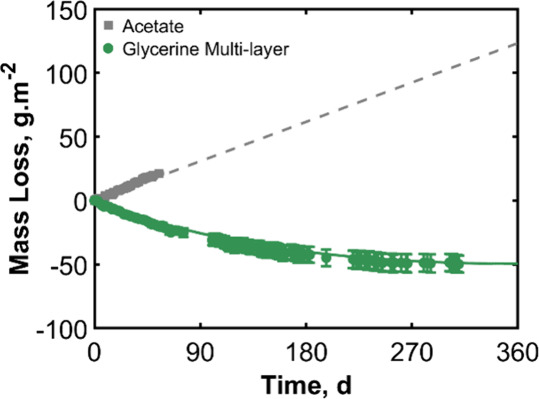 Figure 14
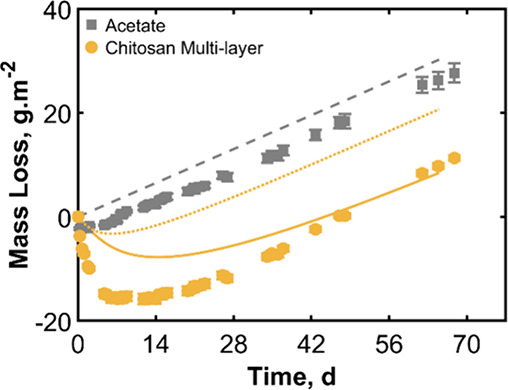 Figure 15
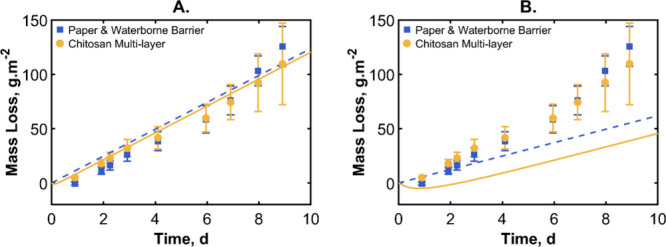 Figure 16
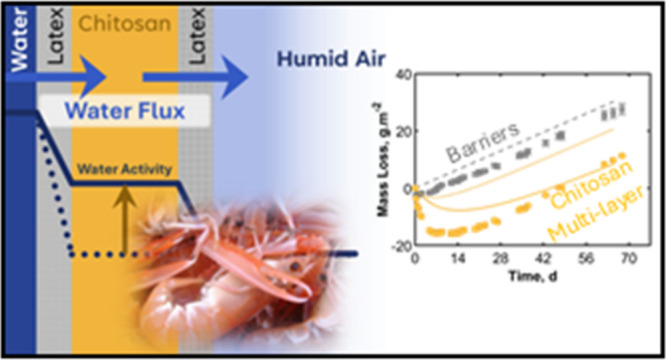 Figure 17
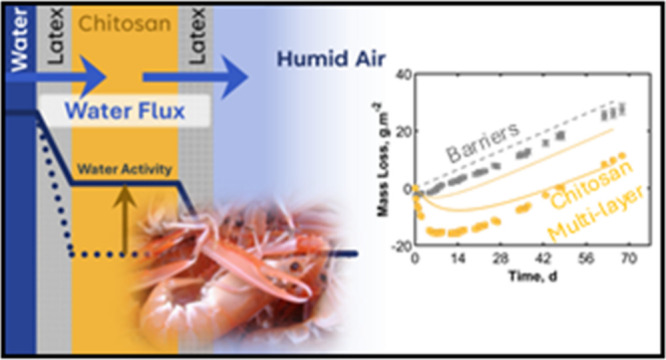 Figure 18
 Figure 19
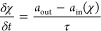 Figure 20
 Figure 21
 Figure 22
 Figure 23
 Figure 24
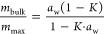 Figure 25
 Figure 26
 Figure 27
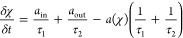 Figure 28
 Figure 29
 Figure 30
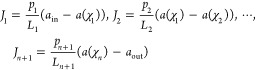 Figure 31
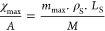 Figure 32
Peer Reviews
No public reviews on file for this paper yet. If you reviewed it on a platform where reviews are public (OpenReview, ICLR, NeurIPS, ICML), you can paste yours below so the community can read it here.
Videos
No videos yet. Explain this paper in a talk, walkthrough, or lecture? Add one.
Taxonomy
TopicsNanocomposite Films for Food Packaging · Surface Modification and Superhydrophobicity · Polymer composites and self-healing