Prospective Characterization Factors for Assessing Climate Change Impacts in Life Cycle Assessments
Marcos D. Barbosa Watanabe, Francesco Cherubini

TL;DR
This paper introduces new climate impact factors for future-oriented life cycle assessments, showing how emissions will affect climate change under different scenarios.
Contribution
The paper introduces consistent prospective characterization factors (pCFs) for climate change impact assessment in pLCA.
Findings
Methane and nitrous oxide pGWP100 values vary significantly compared to current factors.
Climate impacts for rice production increase by 8% using pGWP100.
Using pGTP100, impacts in sectors like steel and cement decrease substantially.
Abstract
Prospective life cycle assessment (pLCA) is a future-oriented approach that estimates the environmental impacts of products and systems under future technological changes, market dynamics, and policy shifts. However, pLCA lacks consistent prospective characterization factors (pCFs) to assess the climate impacts of future emissions and align the inventory and impact assessment phases. This work produces pCFs by integrating gas-specific climate parameters with future emission scenarios from the Integrated Assessment Models (IAM). Prospective Global Warming Potential (pGWP20, pGWP100) and Global Temperature change Potential (pGTP50, pGTP100) are computed for emission years until 2050. Relative to present-day CFs, methane pGWP100 varies from −8% to +23%, and nitrous oxide varies from −17% to +7%. CH4 pGTP100 shifts from −24% to +22%, while N2O pGTP100 shifts from −27% to +8%. For…
Genes, proteins, chemicals, diseases, species, mutations and cell lines named across the full text — each resolved to its canonical identifier and authoritative record.
Click any figure to enlarge with its caption.
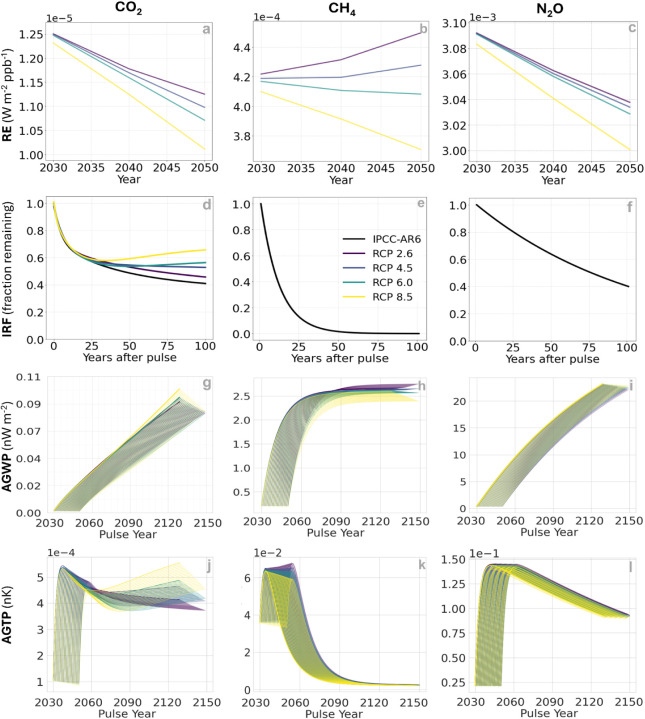 Figure 1
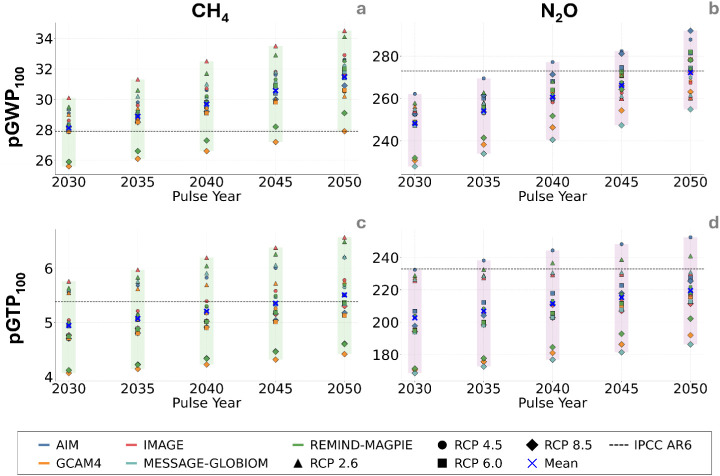 Figure 2
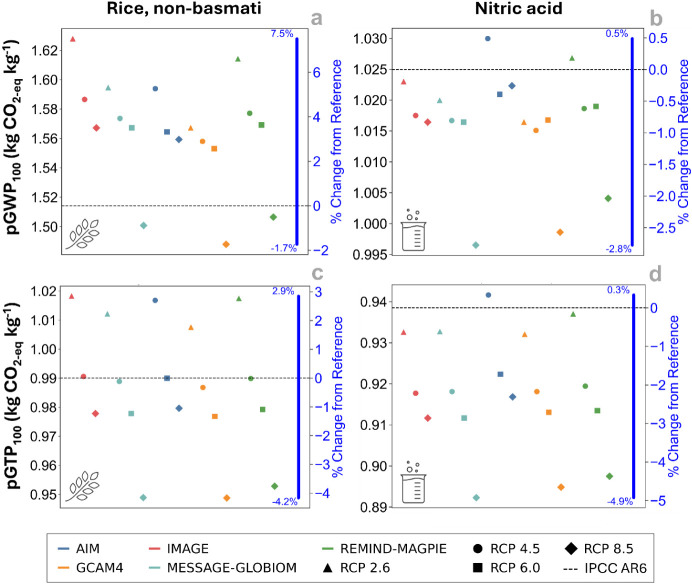 Figure 3
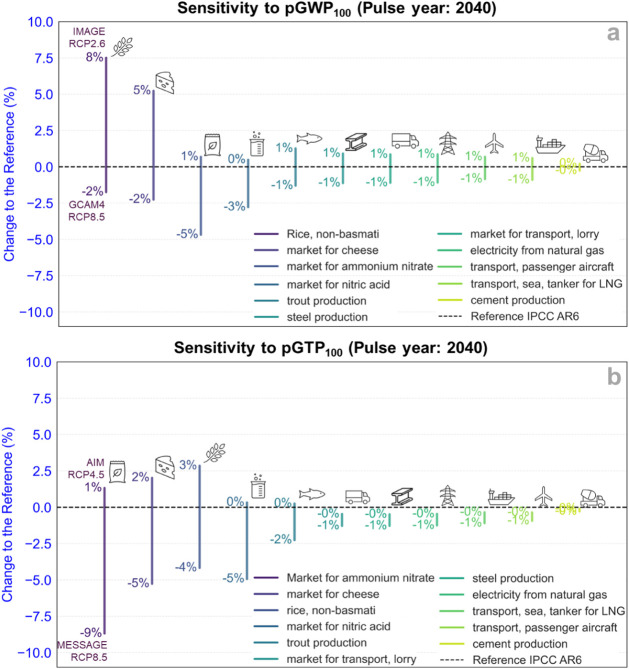 Figure 4
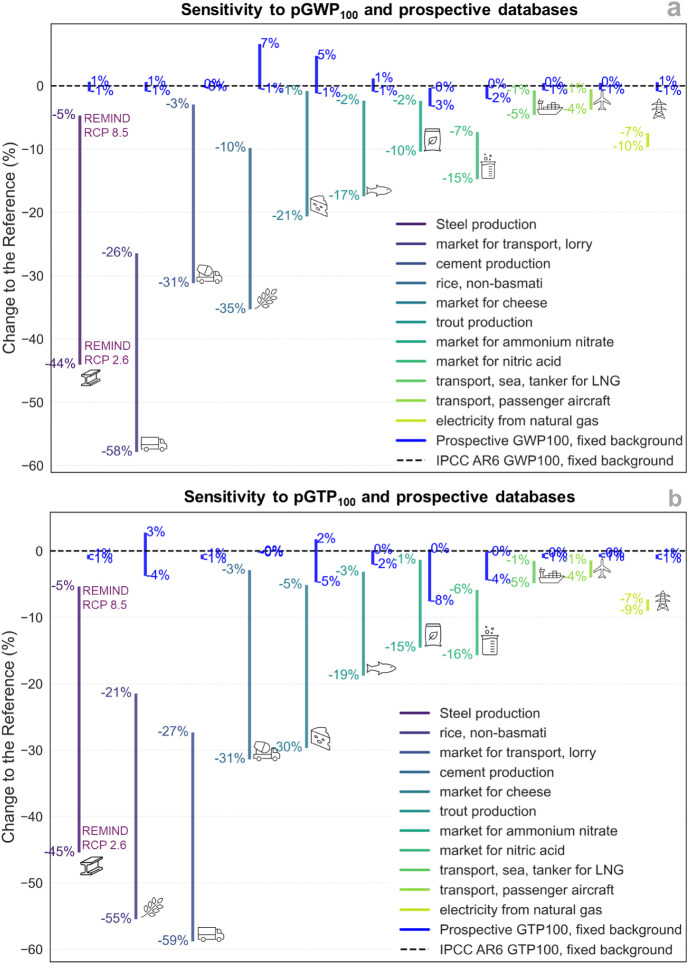 Figure 5
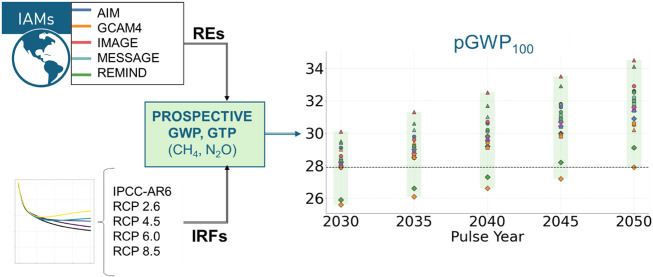 Figure 6
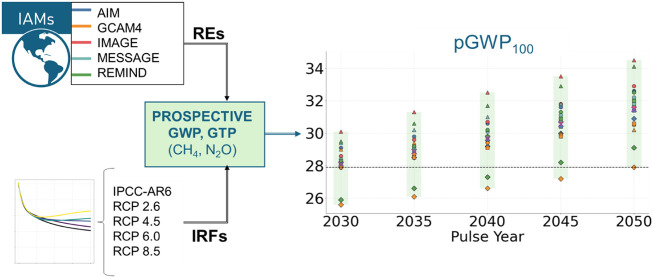 Figure 7
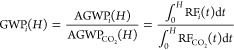 Figure 8
 Figure 9
 Figure 10
 Figure 11
 Figure 12
 Figure 13
 Figure 14
 Figure 15
 Figure 16
 Figure 17
 Figure 18
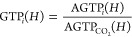 Figure 19
Peer Reviews
No public reviews on file for this paper yet. If you reviewed it on a platform where reviews are public (OpenReview, ICLR, NeurIPS, ICML), you can paste yours below so the community can read it here.
Videos
No videos yet. Explain this paper in a talk, walkthrough, or lecture? Add one.
Taxonomy
TopicsEnvironmental Impact and Sustainability · Agriculture Sustainability and Environmental Impact · Extraction and Separation Processes