Challenging Additivity: Comparing Predicted and Observed AhR Activity of Polycyclic Aromatic Compound (PAC) Mixtures Containing Active and Inactive Constituents
Kristin M. Eccles, Kimberly Gaston, Emily M. Green, Suramya Waidyanatha, Billie Stiffler, Shawn F. Harris, Cynthia V. Rider, Elizabeth Medlock Kakaley

TL;DR
This study compares predicted and observed toxicity of PAC mixtures using different models, finding that including inactive chemicals overestimates potency.
Contribution
The study introduces a framework for modeling PAC mixtures by prioritizing active components and using BMC-based methods.
Findings
Including inactive chemicals in mixture models leads to overestimation of potency.
Generalized concentration addition (GCA) paired with BMC10 modeling provides the best agreement with observed responses.
Scaling contributions to active components improves predictive accuracy.
Abstract
Class-based cumulative risk assessment approaches have been applied to high-priority environmental contaminants such as polycyclic aromatic compounds (PACs), yet uncertainties remain in their application. In this study, we evaluated the influence of inactive chemicals on mixture modeling outcomes and explored strategies for predicting the aryl hydrocarbon receptor (AhR)-mediated toxicity of PAC mixtures. Using an in vitro AhR reporter gene assay, we tested seven defined mixtures composed of six active and seven inactive PACs. Observed concentration–response curves were compared to predictions from three established mixture models, concentration addition (CA), independent action (IA), and generalized concentration addition (GCA), using both effective concentration eliciting 10% response (EC10) and benchmark concentration (BMC10) approaches. Including inactive chemicals without scaling…
Genes, proteins, chemicals, diseases, species, mutations and cell lines named across the full text — each resolved to its canonical identifier and authoritative record.
Click any figure to enlarge with its caption.
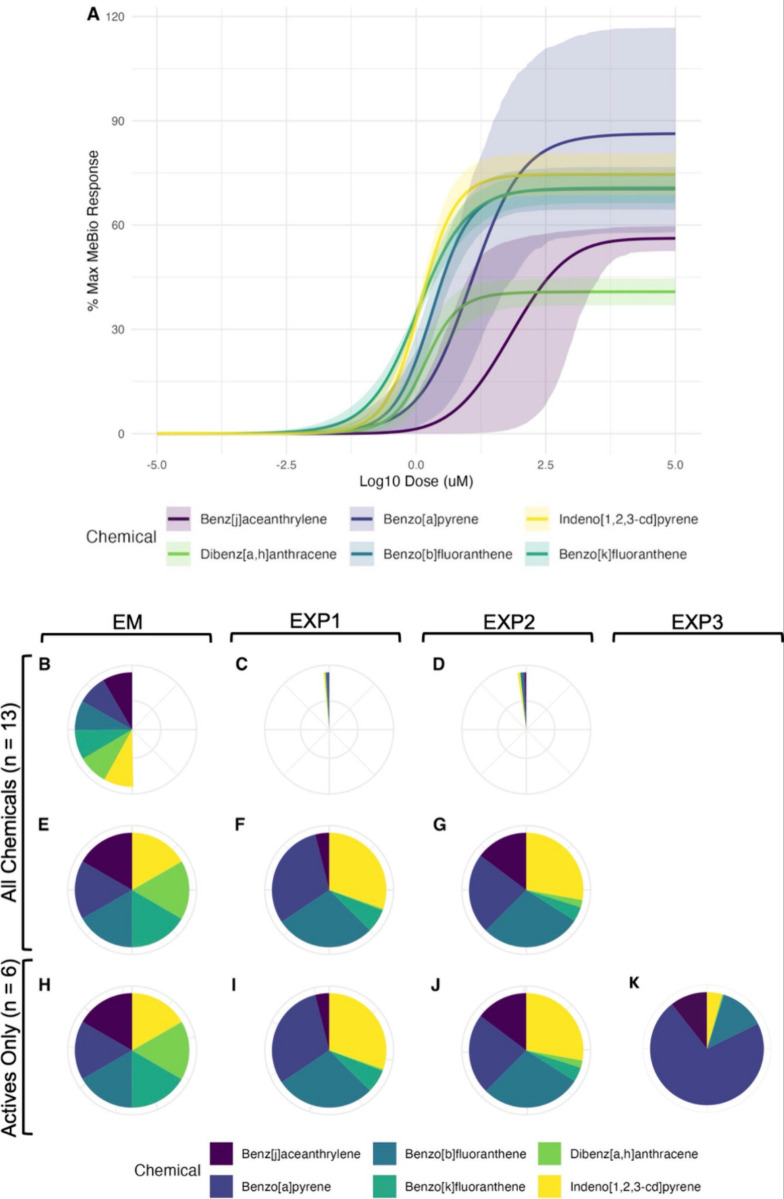 Figure 1
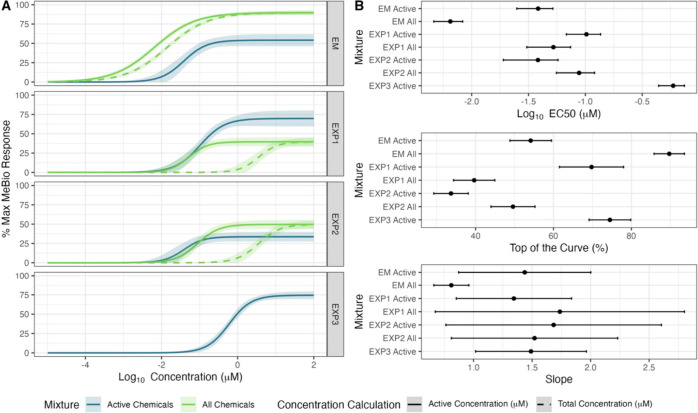 Figure 2
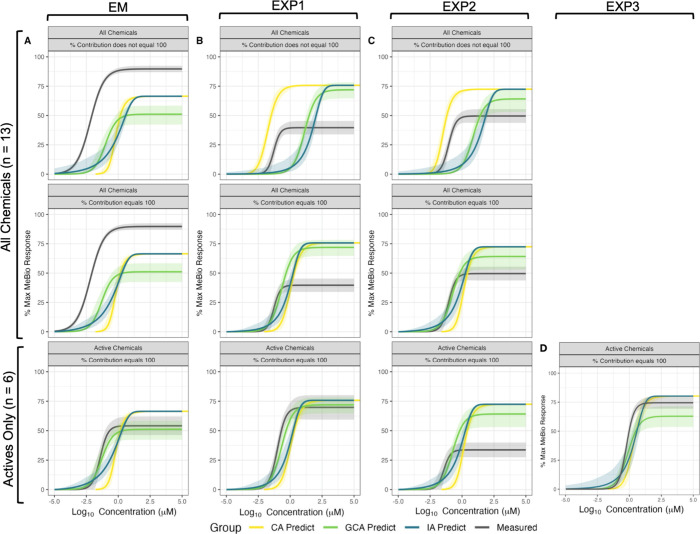 Figure 3
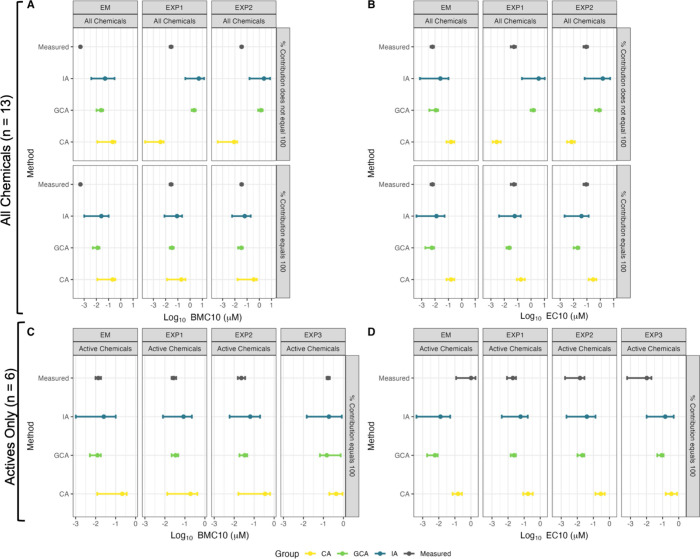 Figure 4
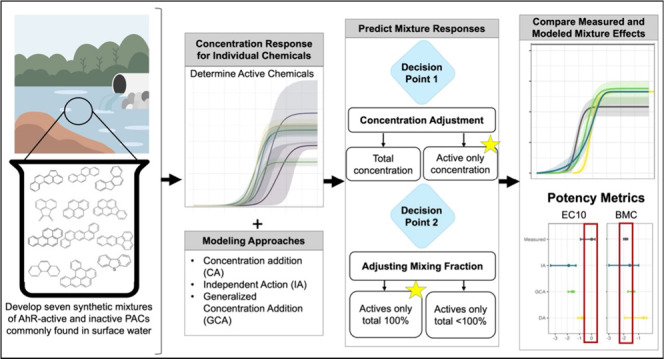 Figure 5
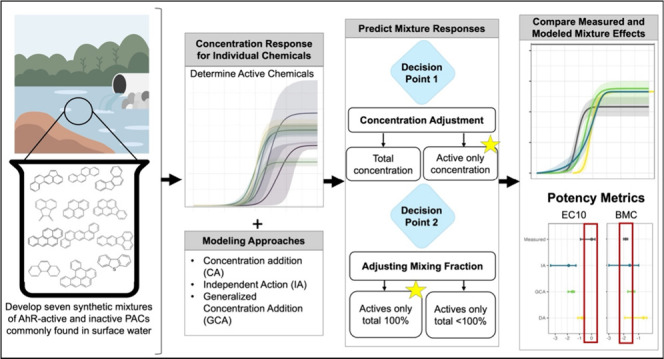 Figure 6
 Figure 7
 Figure 8
 Figure 9
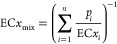 Figure 10
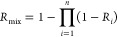 Figure 11
 Figure 12
Peer Reviews
No public reviews on file for this paper yet. If you reviewed it on a platform where reviews are public (OpenReview, ICLR, NeurIPS, ICML), you can paste yours below so the community can read it here.
Videos
No videos yet. Explain this paper in a talk, walkthrough, or lecture? Add one.
Taxonomy
TopicsToxic Organic Pollutants Impact · Effects and risks of endocrine disrupting chemicals · Environmental Toxicology and Ecotoxicology