Antibacterial activity of peptide derivatives of dermaseptins against multidrug-resistant Klebsiella pneumoniae and Staphylococcus epidermis
Houda Haddad, Reyadh R. AL-Rashidi, Ahmed Loghmari, Wissal Sahtout, Raja Boukadida, Rihem Dahmene, Emeny Ettouil, Houcemeddine Othman, Ines Ouahchi, Amira Zaϊri

TL;DR
This study explores the antibacterial potential of dermaseptin peptide derivatives against drug-resistant bacteria, showing they are effective and less toxic than traditional antibiotics.
Contribution
The study introduces modified dermaseptin peptides with improved antibacterial activity and reduced cytotoxicity against MDR bacteria.
Findings
Dermaseptin S4 derivatives showed higher antibacterial activity than B2 derivatives against both bacteria strains.
All tested analogs had MICs between 6.25 to 25 μg/mL and MBCs between 12.5 to 50 μg/mL.
Modifying peptides with additional positive charges enhanced their activity and reduced toxicity.
Abstract
The emergence of infections caused by multi-drug resistant bacteria (MDR) to antibiotic treatments poses a significant challenge in the healthcare field. Indeed, the resistance of MDR such as: Klebsiella pneumonia and Staphyloccus epidermidis to antibiotics has become an increasingly concerning issue, especially in hospital settings, necessitating the development of new therapies and more potent antimicrobial agents. Although numerous conventional antibiotic agents have been developed in recent years, but many of them still present toxicity to eukaryotic cells, despite their significant efficacy against multi-resistant microorganisms. Therefore, antimicrobial peptides (AMPs), particularly, dermaseptins (DRSs), are considered promising candidates against MDR, mainly due to their low toxicity and their different mode of action compared to conventional antibiotics. Indeed, these peptides…
Genes, proteins, chemicals, diseases, species, mutations and cell lines named across the full text — each resolved to its canonical identifier and authoritative record.
Click any figure to enlarge with its caption.
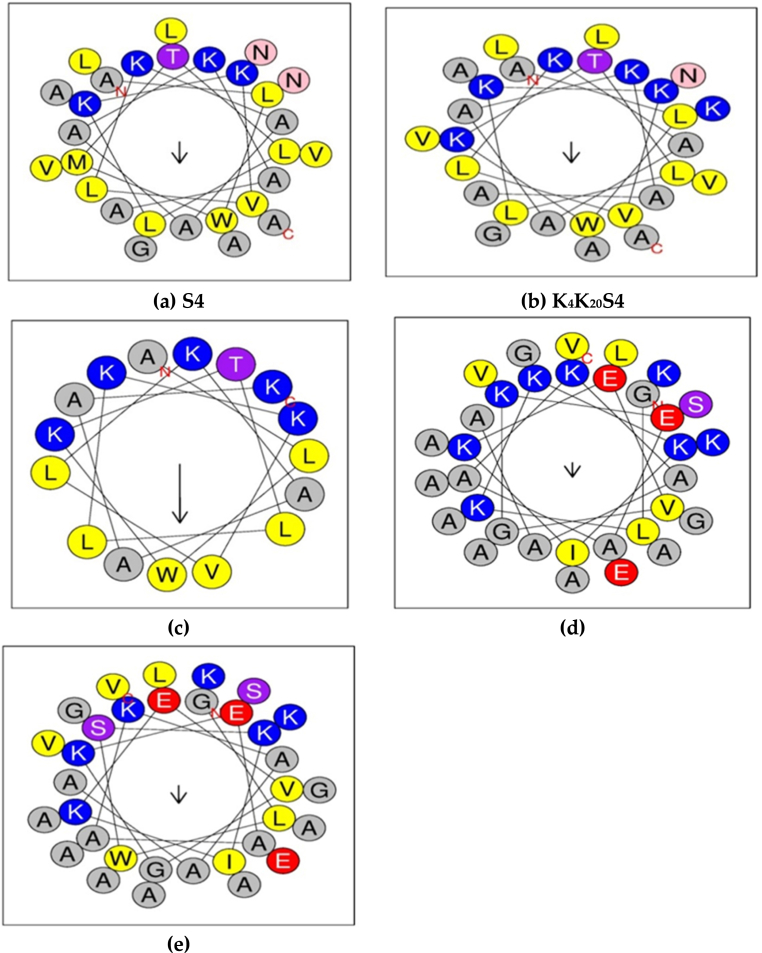 Figure 1
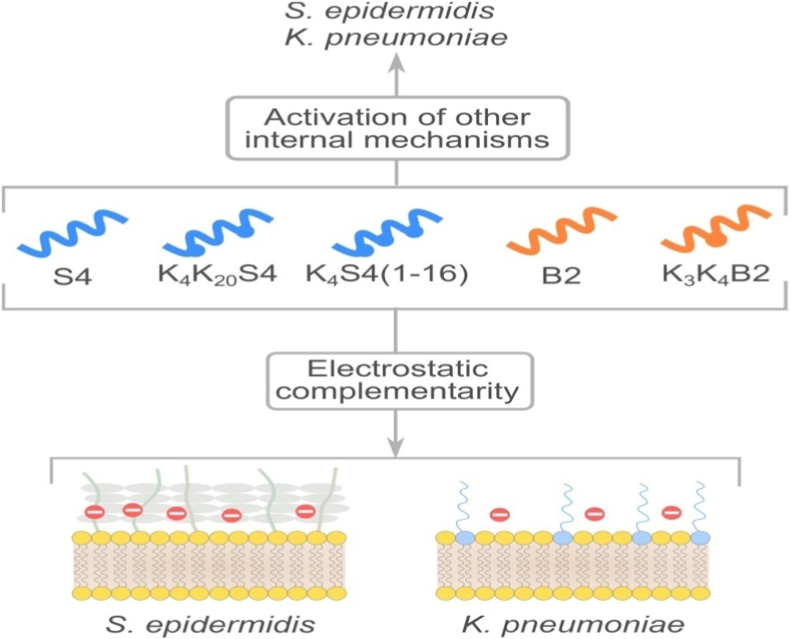 Figure 2
Peer Reviews
No public reviews on file for this paper yet. If you reviewed it on a platform where reviews are public (OpenReview, ICLR, NeurIPS, ICML), you can paste yours below so the community can read it here.
Videos
No videos yet. Explain this paper in a talk, walkthrough, or lecture? Add one.
Taxonomy
TopicsAntimicrobial Peptides and Activities · Biochemical and Structural Characterization · Neuropeptides and Animal Physiology