Recent advances in human papillomavirus vaccines and therapeutic strategies: Combating cervical and non-cervical cancers
Md Rezaul Islam, Abdur Rauf, Most Nazmin Aktar, Md Naeem Hossain Fakir, Sadiya Islam Trisha, Asraful Islam Asif, Md Harun Or Rashid, Md Ibrahim Khalil Al-Imran, Gazi Kaifeara Thufa, Farhana Prodhan Emu, Hassan A. Hemeg, Hanan A. Ogaly, Rekha Thiruvengadam, Seung-Hyun Kim

TL;DR
This review discusses recent progress in HPV vaccines and therapies to combat cervical and non-cervical cancers, emphasizing the need for combined prevention and treatment strategies.
Contribution
The paper provides an updated overview of new therapeutic strategies and vaccines for HPV-related cancers, highlighting DNA vaccines and immunotherapies.
Findings
Next-generation HPV vaccines aim to protect against a broader range of cancer-causing HPV types.
DNA-based vaccines and CRISPR/Cas9 gene editing show promise in early research for treating HPV-related tumors.
Combining vaccination, early detection, and personalized treatment is essential to reduce the global burden of HPV-related diseases.
Abstract
Human papillomaviruses (HPV) are a major cause of several cancers, particularly cervical cancer, and remain a serious public health challenge, particularly in low-resource countries. In addition to cervical cancer, HPV is linked to vulvar, vaginal, penile, anal, and oropharyngeal cancers, especially in men. The integration of HPV into the human genome plays a key role in cancer development. This review highlights the progress in HPV vaccination and new treatment approaches for non-cervical HPV-related cancers. Current vaccines provide strong protection against cervical cancer, and next-generation vaccines aim to protect against more types of cancer-causing HPV. New immunotherapy strategies, such as DNA-based vaccines and antigen-specific immunotherapy, are being developed to more effectively target HPV-driven cancers. Promising methods, such as CRISPR/Cas9 gene editing, therapeutic…
Genes, proteins, chemicals, diseases, species, mutations and cell lines named across the full text — each resolved to its canonical identifier and authoritative record.
Click any figure to enlarge with its caption.
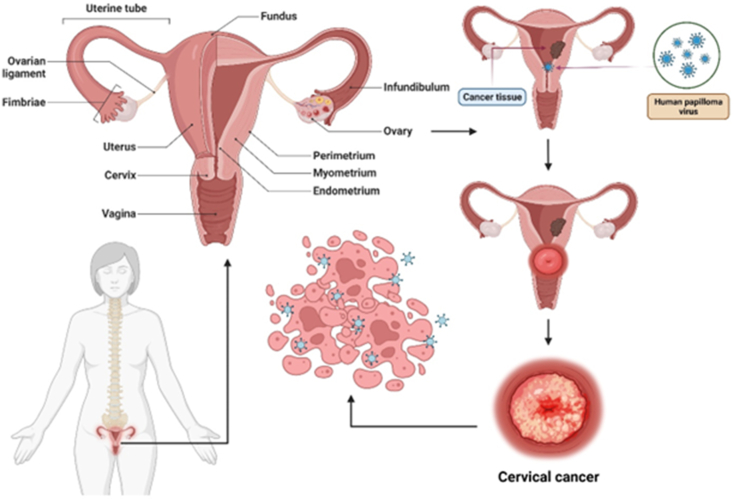 Figure 1
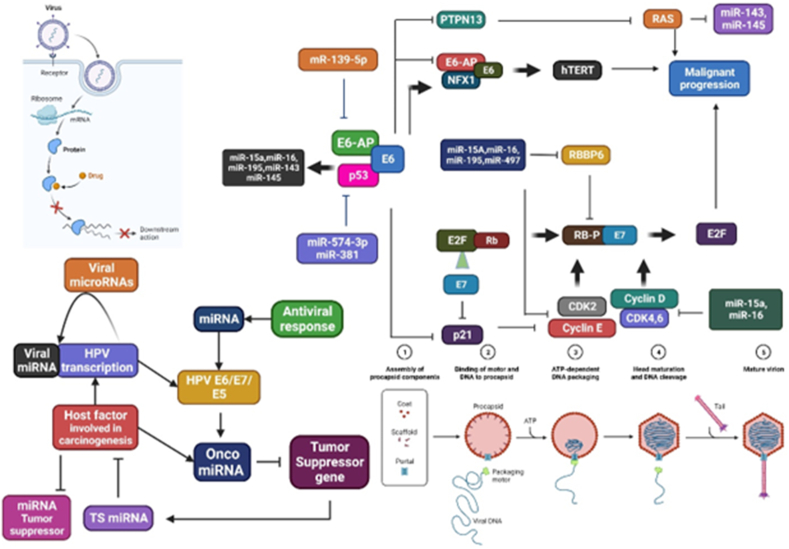 Figure 2
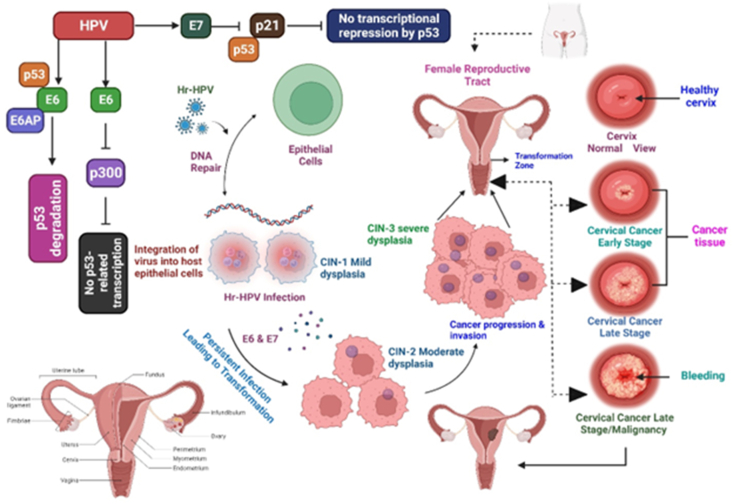 Figure 3
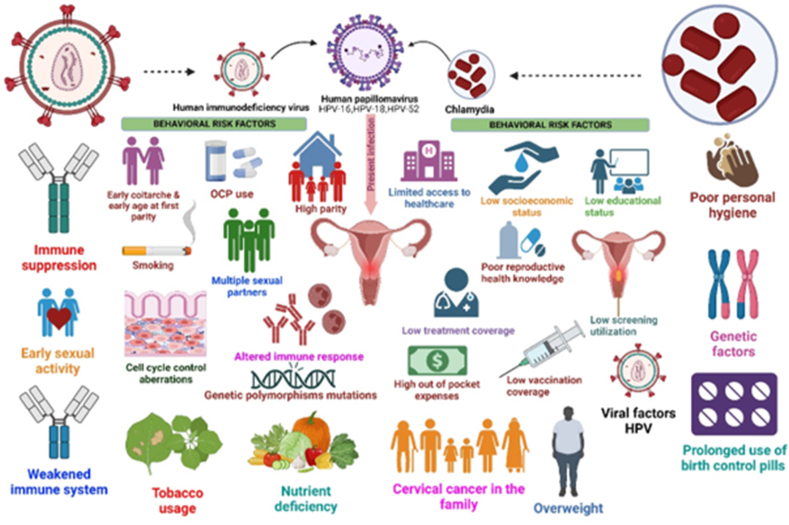 Figure 4
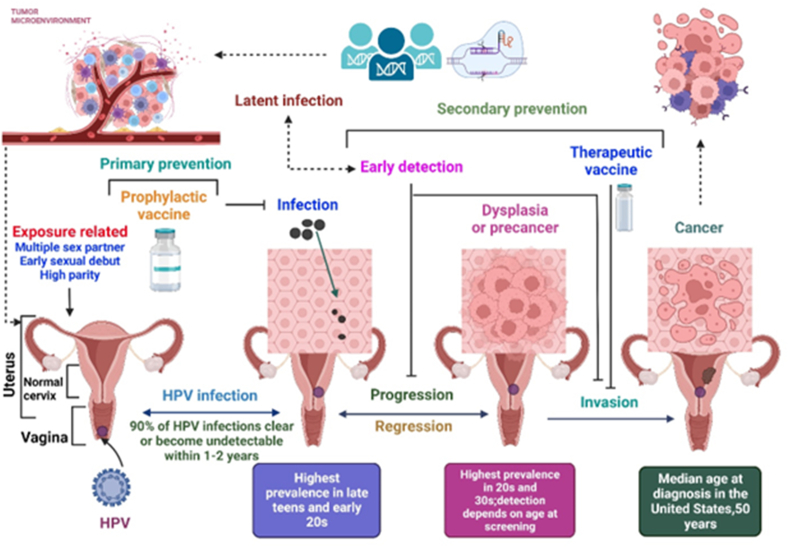 Figure 5
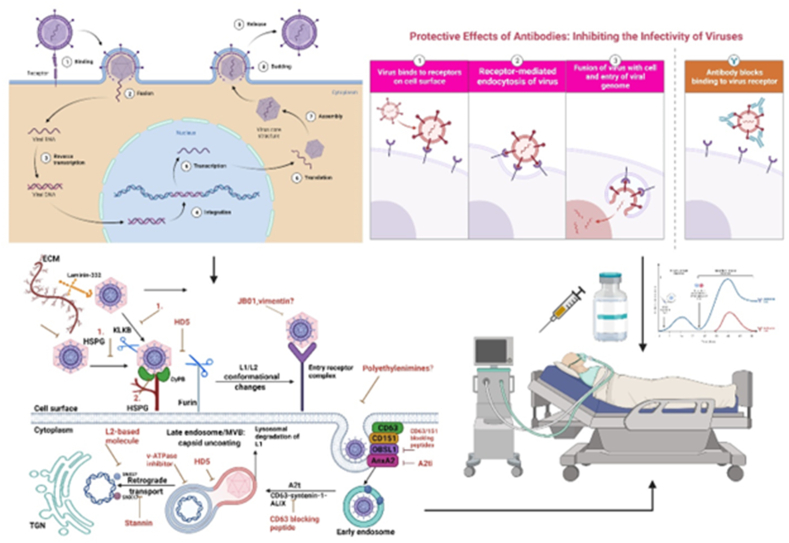 Figure 6
Peer Reviews
No public reviews on file for this paper yet. If you reviewed it on a platform where reviews are public (OpenReview, ICLR, NeurIPS, ICML), you can paste yours below so the community can read it here.
Videos
No videos yet. Explain this paper in a talk, walkthrough, or lecture? Add one.
Taxonomy
TopicsCervical Cancer and HPV Research · Immunotherapy and Immune Responses · Hepatitis B Virus Studies