Experimental and translational models of Alzheimer’s disease: From neurodegeneration to novel therapeutic insights
Nadeemullah Khan, Somnath De, Suhasini Boddu, Navya Pravala

TL;DR
This paper reviews innovative animal and organoid models for Alzheimer’s disease that mimic key features of the disease, offering new ways to study its causes and develop treatments.
Contribution
The paper introduces novel experimental models, such as optogenetics and synthetic tau fibrils, to induce Alzheimer’s-like pathology in animals and organoids.
Findings
Optogenetic and viral methods induce AD-like pathology in diverse species.
Bioengineered organoids grafted into hosts allow controlled AD-like feature onset.
Advanced tools like neuroimaging and multi-omics reveal disease dynamics.
Abstract
Neurodegeneration on demand represents a groundbreaking approach to modeling Alzheimer’s disease (AD) in animals, enabling precise study of its molecular and behavioral hallmarks. Novel techniques, including optogenetic activation of amyloidogenic pathways, viral vector-mediated delivery of mutated human genes (e.g., APP, MAPT), and synthetic tau fibril analogs, induce AD-like pathology, including amyloid-beta plaques, tau hyperphosphorylation, neuroinflammation, and synaptic loss in diverse species, ranging from transgenic rodents to cephalopods and cannies. Emerging platforms, such as bioengineered neural organoids grafted into immunocompromised hosts, allowed for the controlled onset of AD-like features, providing unique insights into disease progression. Advanced tools like real-time neuroimaging and single-cell multi-omics help elucidate the temporal and cellular dynamics of…
Genes, proteins, chemicals, diseases, species, mutations and cell lines named across the full text — each resolved to its canonical identifier and authoritative record.
Click any figure to enlarge with its caption.
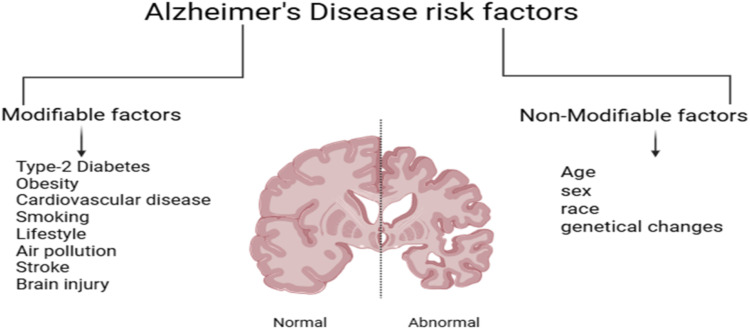 Figure 1
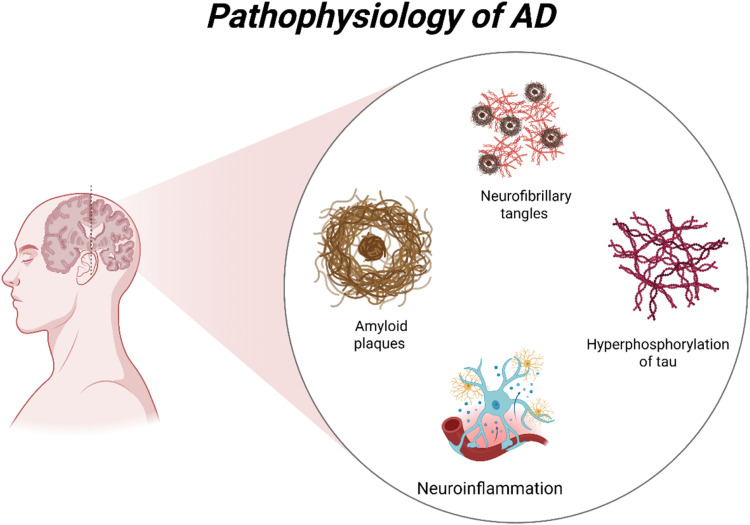 Figure 2
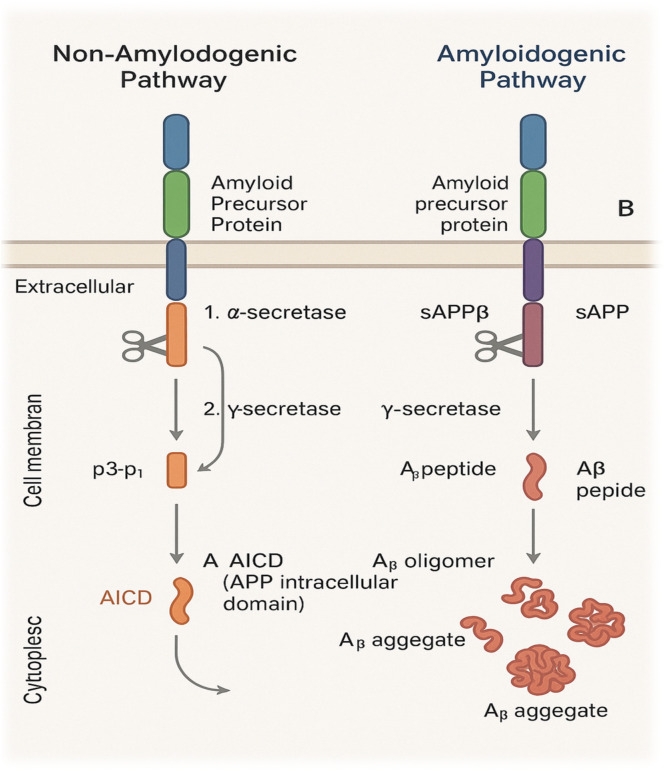 Figure 3
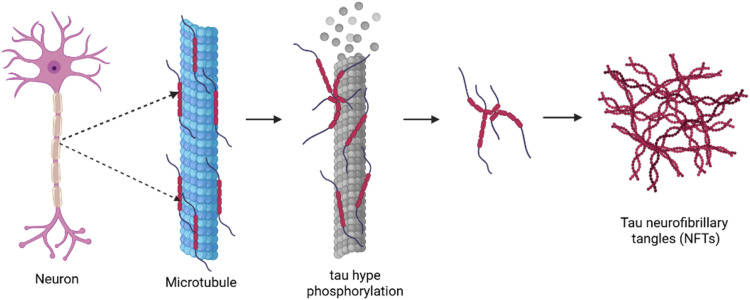 Figure 4
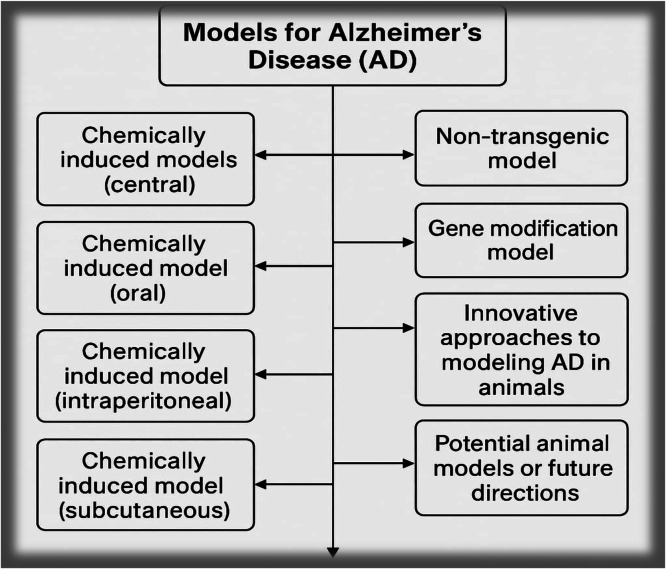 Figure 5
Peer Reviews
No public reviews on file for this paper yet. If you reviewed it on a platform where reviews are public (OpenReview, ICLR, NeurIPS, ICML), you can paste yours below so the community can read it here.
Videos
No videos yet. Explain this paper in a talk, walkthrough, or lecture? Add one.
Taxonomy
TopicsAlzheimer's disease research and treatments · Neurogenesis and neuroplasticity mechanisms · Genetics, Aging, and Longevity in Model Organisms