Nonequilibrium Acceleration and Time Forecasting of Cluster-Mediated Self-Assembly
Roy Furman, Michael Faran, Gili Bisker

TL;DR
Nonequilibrium driving speeds up self-assembly processes and can be predicted using specific methods depending on the type of interactions involved.
Contribution
The study systematically evaluates nonequilibrium driving's effectiveness and predictability in self-assembly simulations using different models.
Findings
Nonequilibrium driving significantly reduces the time to first assembly across multiple models.
Predictability of assembly time depends strongly on the nature of particle interactions.
Directed interactions in VMMC systems enhance predictability compared to undirected dynamics.
Abstract
Nonequilibrium driving accelerates self-assembly by breaking the trade-off between thermodynamic stability and kinetic accessibility. While this principle has inspired a variety of theoretical and computational approaches, its effectiveness and predictability within physically realistic simulation frameworks remain to be systematically explored. Here, we investigate its impact using the Virtual-Move Monte Carlo (VMMC) method, a widely adopted approach for simulating collective particle dynamics during self-assembly. We investigate when such acceleration is both effective and predictable for three models, namely, VMMC with directed specific interactions, VMMC with undirected specific interactions, and an undirected single-particle Monte Carlo (SPMC), serving as a benchmark. Across all cases, nonequilibrium driving significantly reduces the time to first assembly, underscoring its…
Genes, proteins, chemicals, diseases, species, mutations and cell lines named across the full text — each resolved to its canonical identifier and authoritative record.
Click any figure to enlarge with its caption.
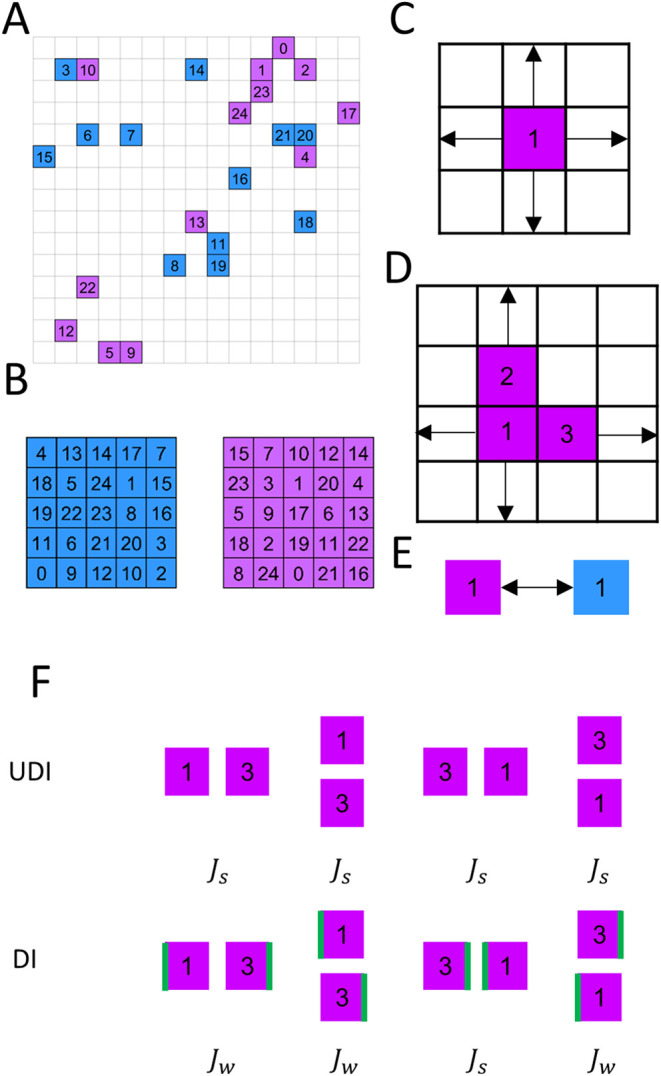 Figure 1
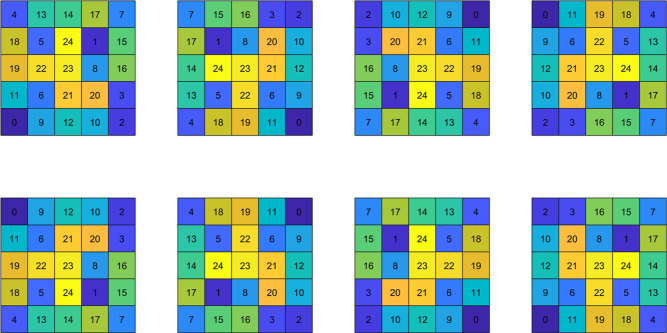 Figure 2
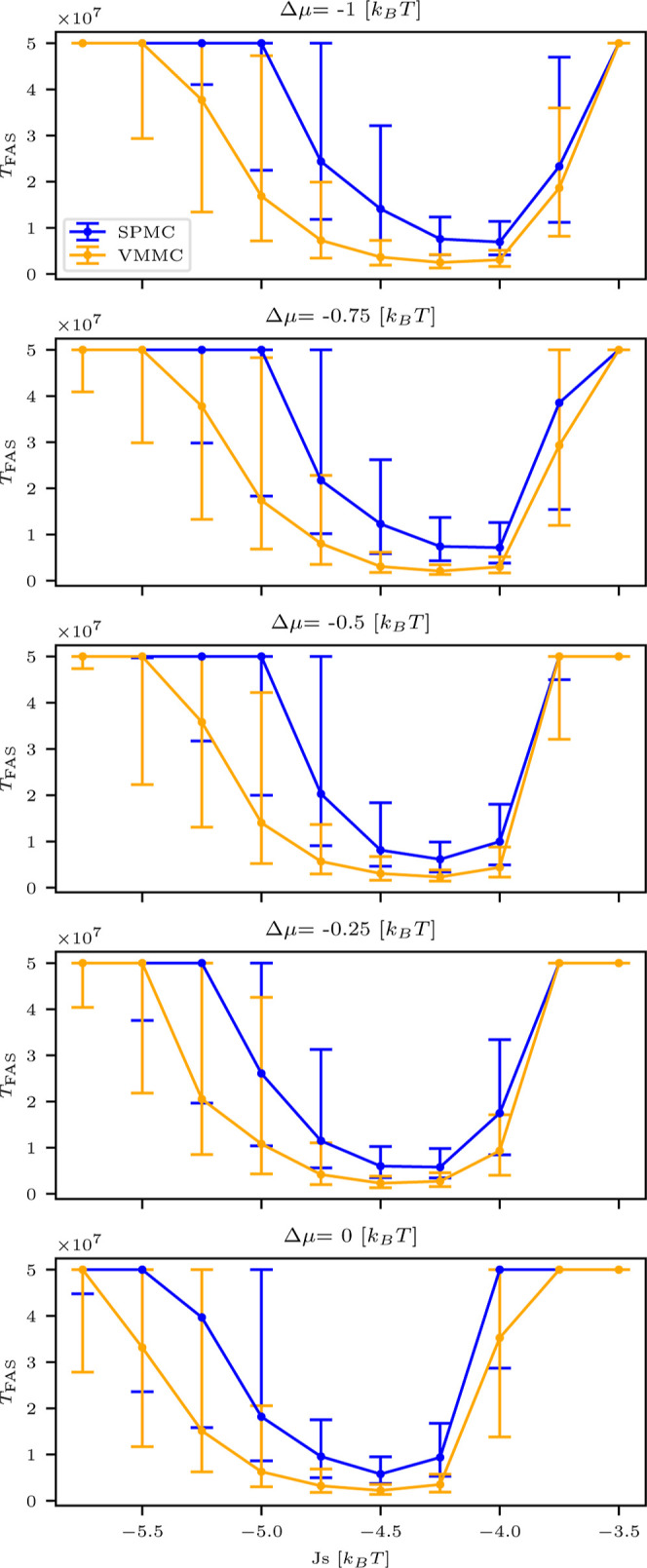 Figure 3
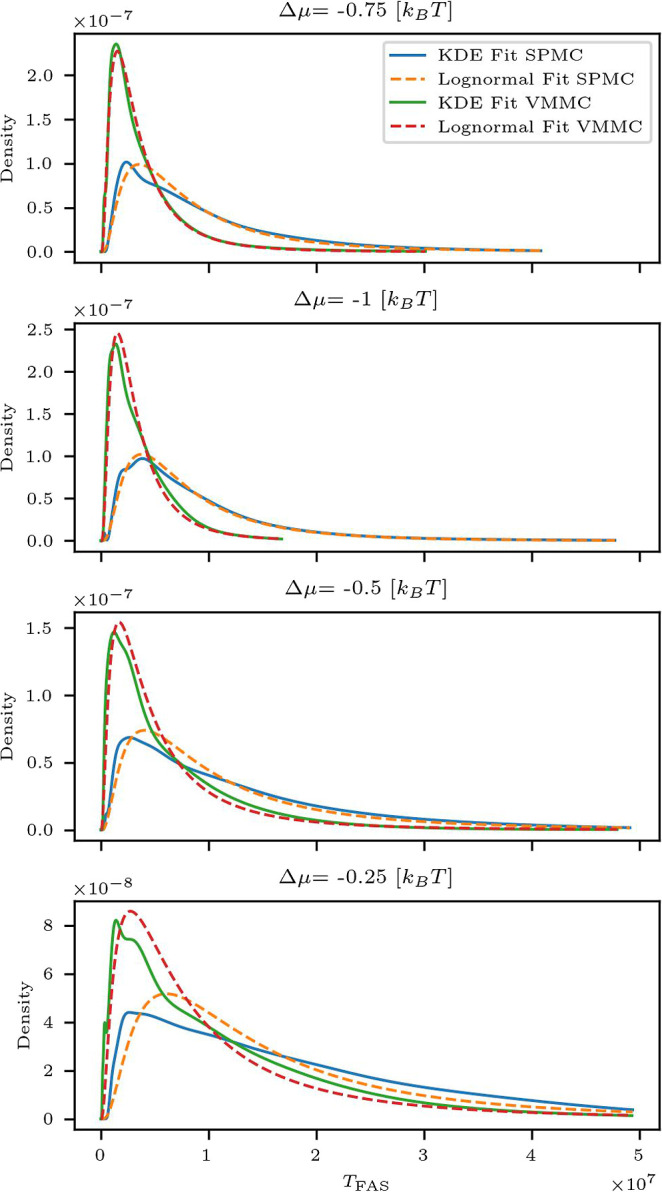 Figure 4
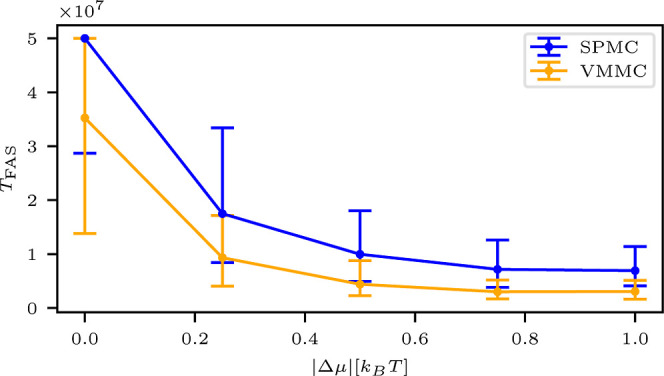 Figure 5
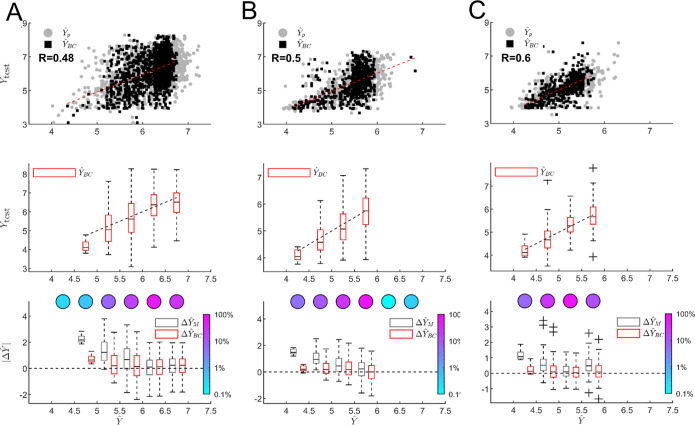 Figure 6
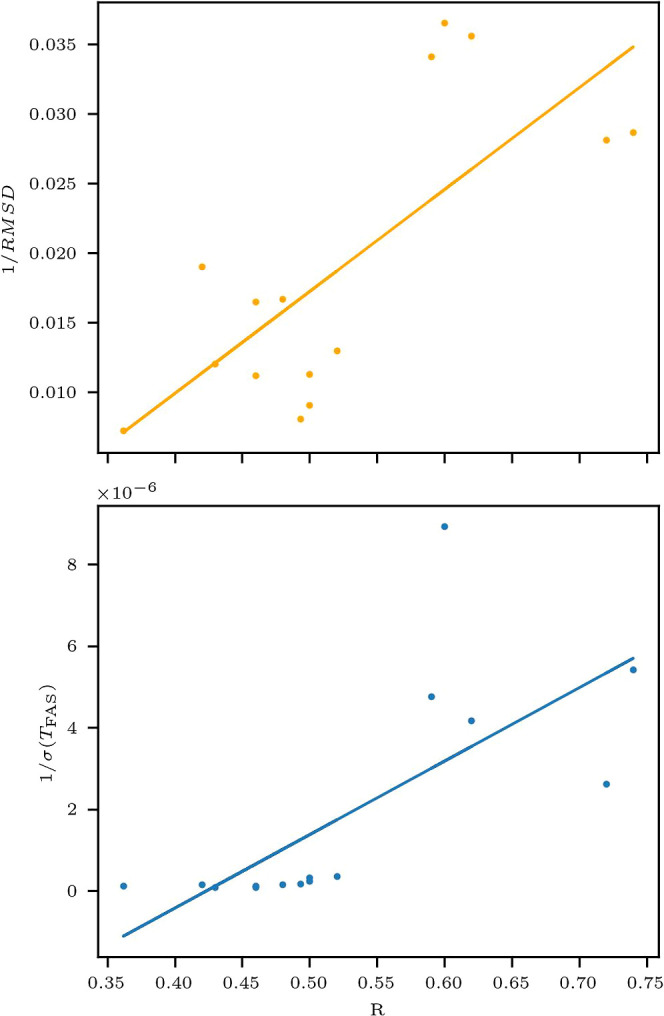 Figure 7
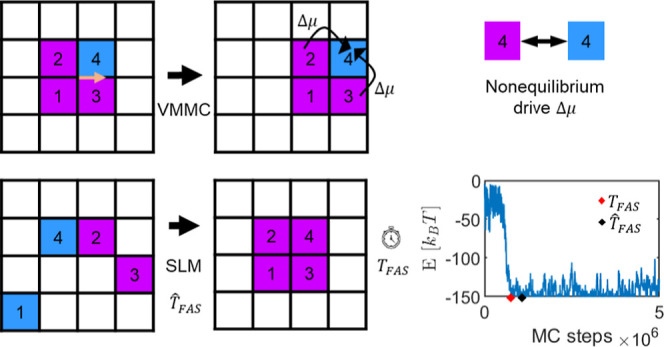 Figure 8
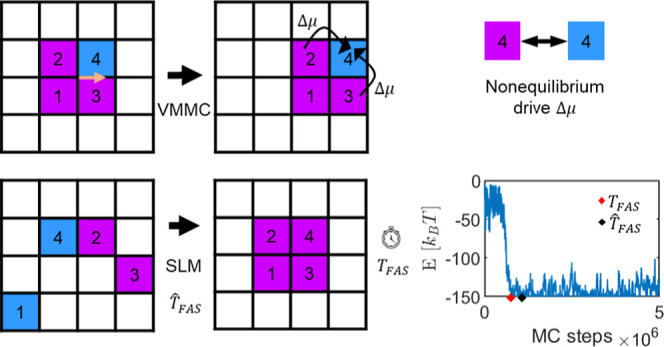 Figure 9
 Figure 10
 Figure 11
 Figure 12
 Figure 13
 Figure 14
 Figure 15
 Figure 16
 Figure 17
 Figure 18
 Figure 19
 Figure 20
 Figure 21
 Figure 22
 Figure 23
 Figure 24
 Figure 25
 Figure 26
 Figure 27
 Figure 28
 Figure 29
 Figure 30
 Figure 31
 Figure 32
 Figure 33
 Figure 34
 Figure 35
 Figure 36
 Figure 37
 Figure 38
 Figure 39
 Figure 40
 Figure 41
 Figure 42
 Figure 43
 Figure 44
 Figure 45
 Figure 46
 Figure 47
Peer Reviews
No public reviews on file for this paper yet. If you reviewed it on a platform where reviews are public (OpenReview, ICLR, NeurIPS, ICML), you can paste yours below so the community can read it here.
Videos
No videos yet. Explain this paper in a talk, walkthrough, or lecture? Add one.
Taxonomy
TopicsMicro and Nano Robotics · Modular Robots and Swarm Intelligence · Pickering emulsions and particle stabilization