Multi-omics profiling reveals microenvironmental remodeling as a key driver of house dust mite-induced lung cancer progression
Shams Al-Azzam, Isabella Stuewe, Sunandini Sharma, Miki Yamada-Hara, Arisachi Tanaka, Kegan Stringer, Merna Behnam, Norah Al-Azzam, Shuvro Nandi, Maria Zhivagui, Janelle Duong, Ting Yang, Scott Herdman, Maripat Corr, Nicholas J. G Webster, Eyal Raz, Ludmil B Alexandrov

TL;DR
Chronic exposure to house dust mites promotes lung cancer by altering the lung's immune environment, not through DNA mutations.
Contribution
The study identifies IL-17A as a key driver of HDM-induced lung tumor progression through immune remodeling.
Findings
HDM exposure accelerates tumor growth without changing mutation rates.
HDM suppresses T cell responses and promotes myeloid cell dominance in tumors.
IL-17A is essential for HDM-driven tumor promotion, unlike IL-1β.
Abstract
•Chronic house dust mite (HDM) exposure accelerates lung tumor growth through non-mutagenic, immune-mediated mechanisms.•HDM activates pro-inflammatory and immune programs in normal lung tissue but suppresses antitumor T cell responses in tumors.•Multi-omics profiling reveals epigenetic silencing of immune genes and a myeloid-enriched, lymphoid-deficient tumor microenvironment.•HDM-driven tumor promotion depends on IL-17A but not IL-1β, establishing IL-17A as a central driver of lung tumor promotion. Chronic house dust mite (HDM) exposure accelerates lung tumor growth through non-mutagenic, immune-mediated mechanisms. HDM activates pro-inflammatory and immune programs in normal lung tissue but suppresses antitumor T cell responses in tumors. Multi-omics profiling reveals epigenetic silencing of immune genes and a myeloid-enriched, lymphoid-deficient tumor microenvironment.…
Genes, proteins, chemicals, diseases, species, mutations and cell lines named across the full text — each resolved to its canonical identifier and authoritative record.
Click any figure to enlarge with its caption.
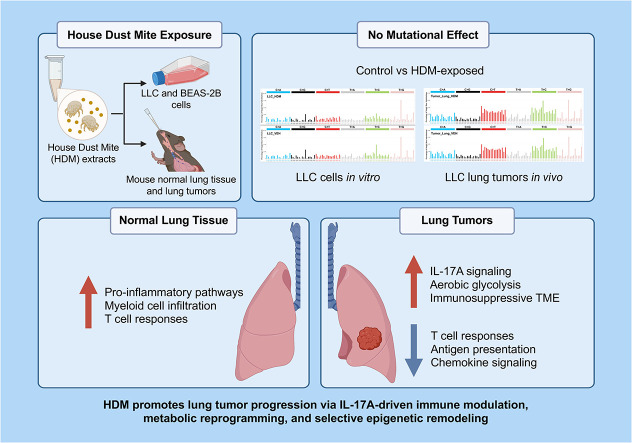 Figure 1
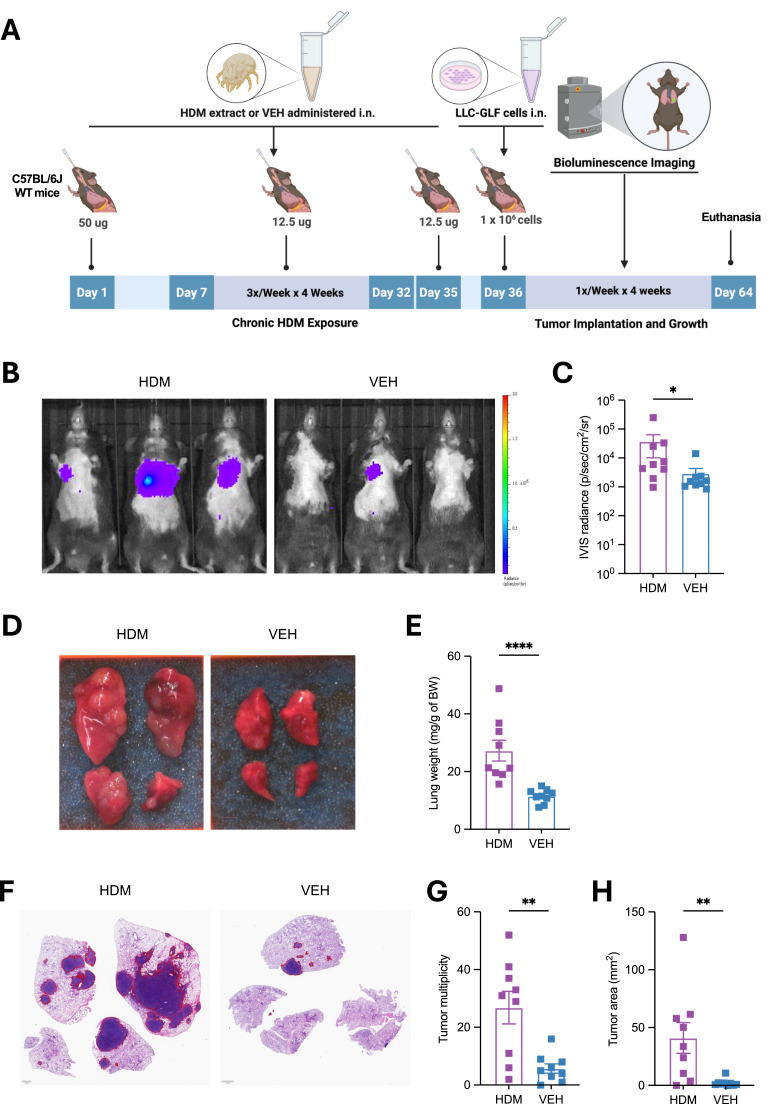 Figure 2
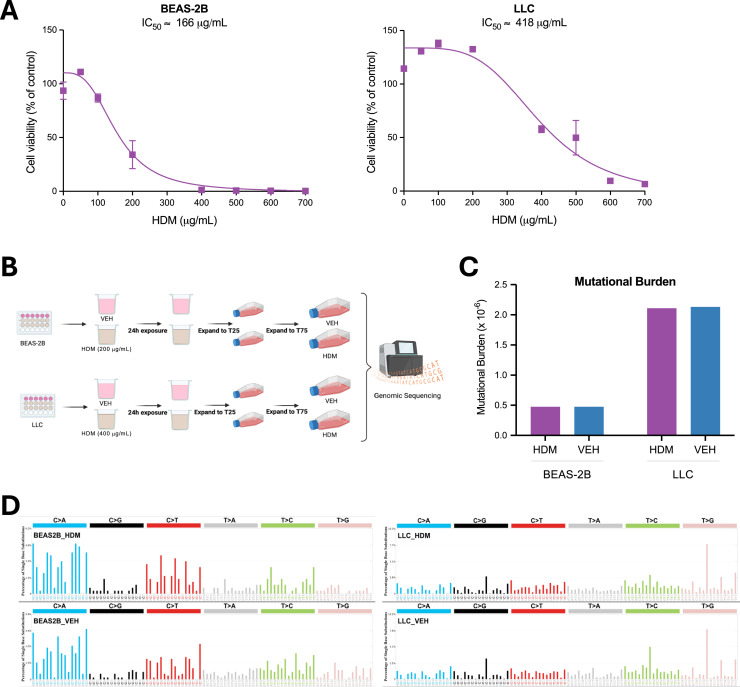 Figure 3
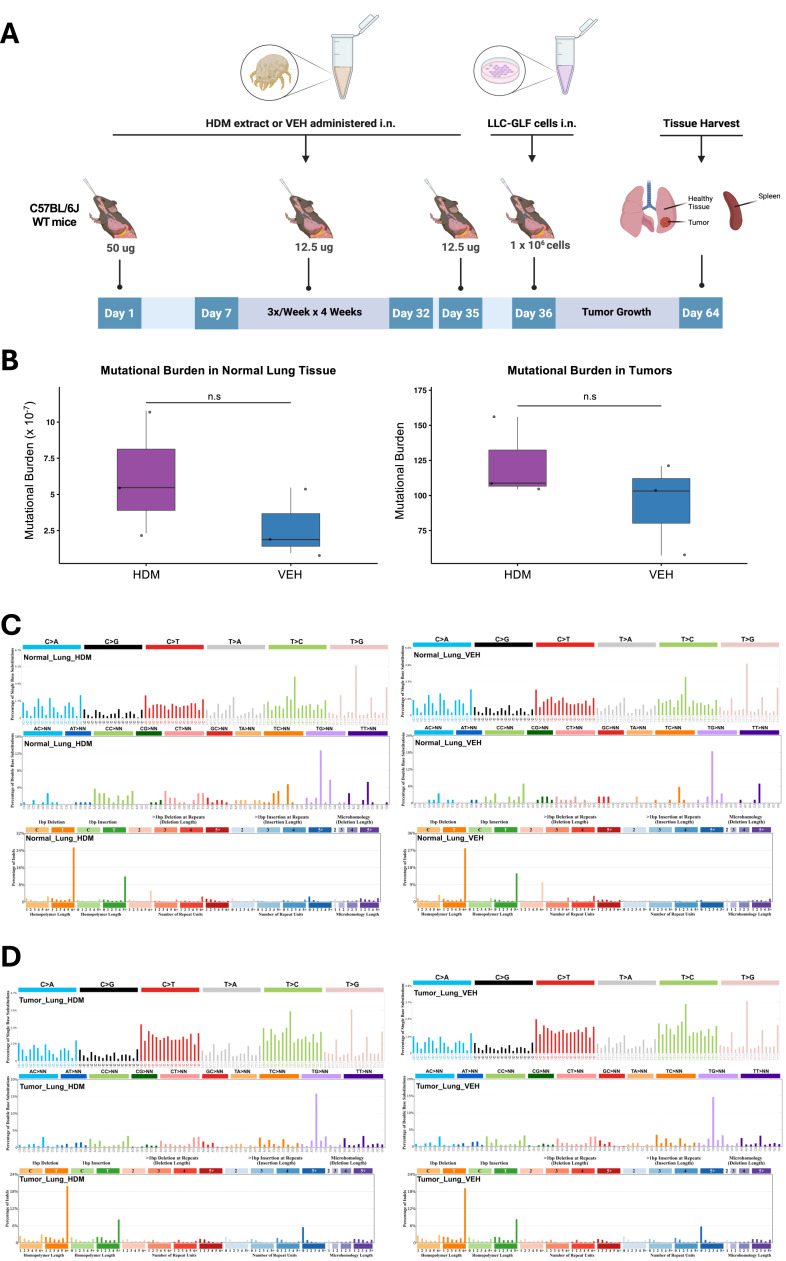 Figure 4
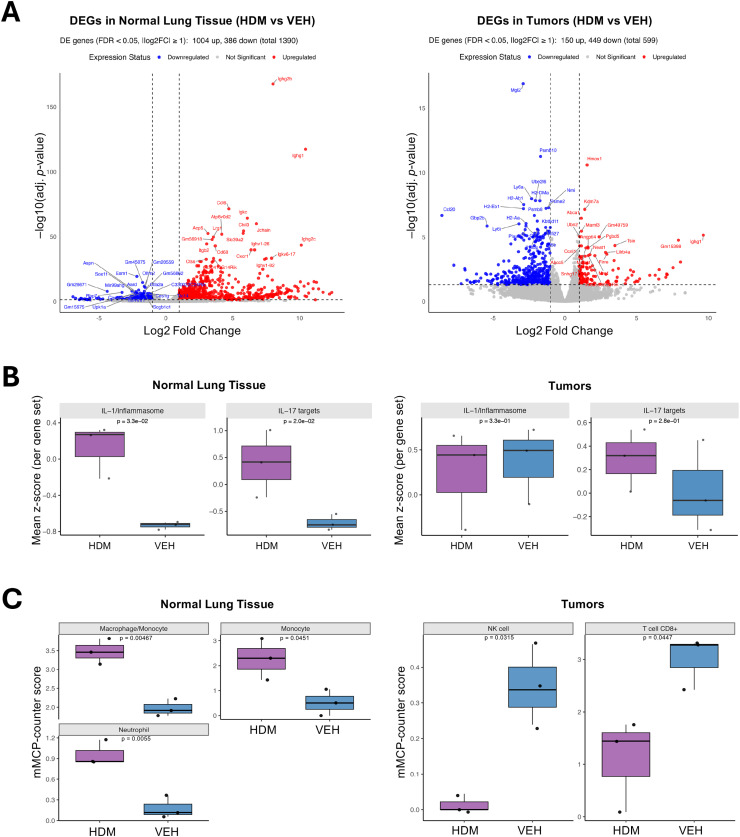 Figure 5
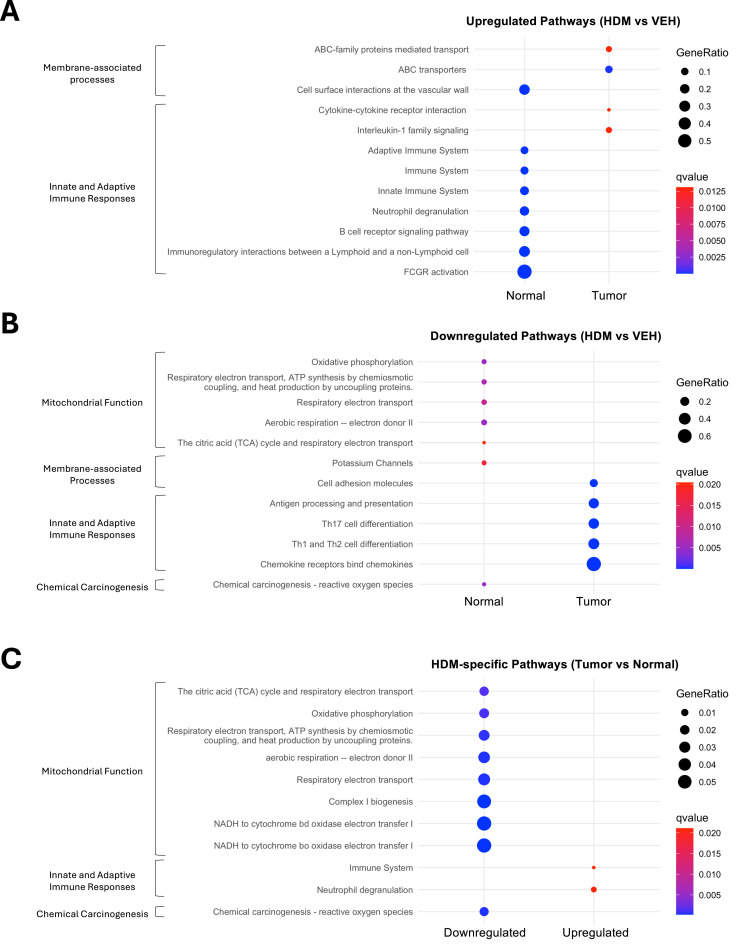 Figure 6
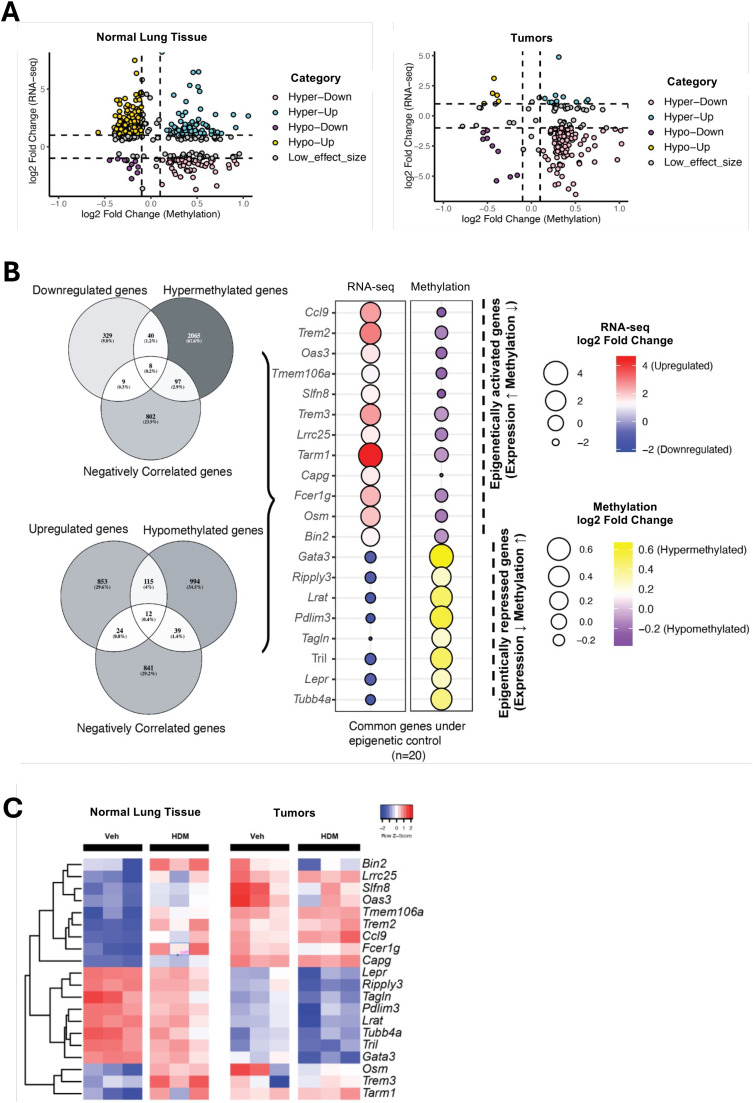 Figure 7
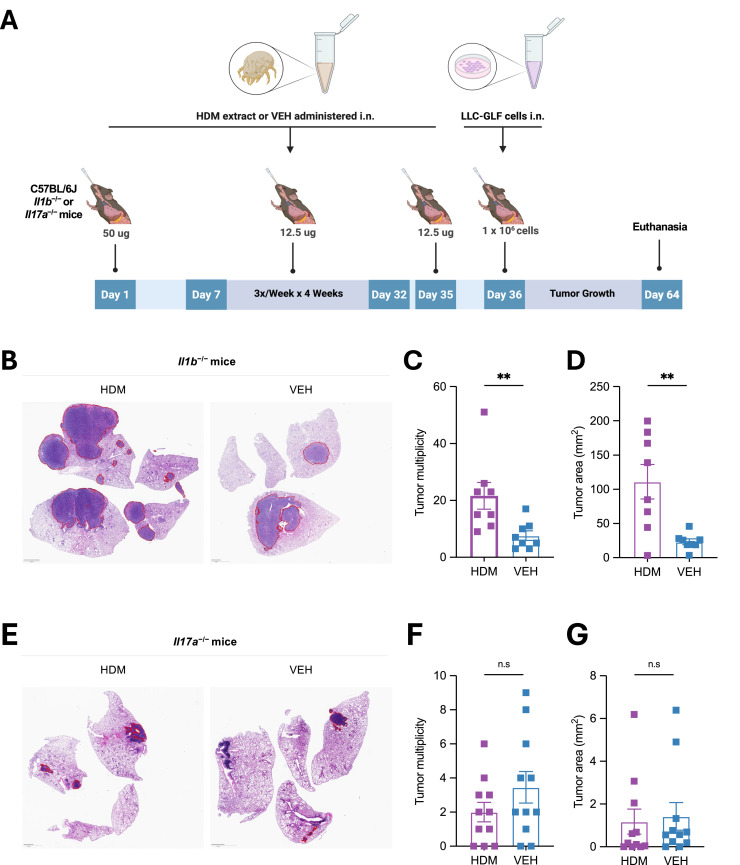 Figure 8
Peer Reviews
No public reviews on file for this paper yet. If you reviewed it on a platform where reviews are public (OpenReview, ICLR, NeurIPS, ICML), you can paste yours below so the community can read it here.
Videos
No videos yet. Explain this paper in a talk, walkthrough, or lecture? Add one.
Taxonomy
TopicsPsoriasis: Treatment and Pathogenesis · IL-33, ST2, and ILC Pathways · Immune cells in cancer