Integrated cryopreservation-thawing-transplantation platform for neural stem cell-based spinal cord injury repair
Jie Ren, Junjin Li, Hongda Wang, Haiwen Feng, Huaying Hao, Junyu Chen, Yuanquan Li, Zhengyu Xu, Chuanhao Li, Wang Jiang, Yan Wang, Xiaoyang Zhang, Xiaomeng Song, Guangzhi Ning, Jun Liang, Shiqing Feng

TL;DR
A new platform for spinal cord injury repair integrates cryopreservation, thawing, and transplantation of neural stem cells to improve cell survival and function.
Contribution
Development of an integrated cryopreservation-thawing-transplantation platform that maintains cell viability and modulates the immune response for spinal cord injury repair.
Findings
The CTT platform maintains high NSC viability and stemness post-cryopreservation and thawing.
The platform modulates the inflammatory microenvironment by promoting macrophage polarization toward tissue repair.
Minimally invasive injection of the platform restores motor function in SCI rats through neurogenesis and remyelination.
Abstract
Spinal cord injury (SCI) repair lacks clinically validated restorative therapies. Transplantation of exogenous neural stem cells (NSCs) offers significant potential for therapeutic applications; however, challenges remain, including substantial cell loss, uncontrolled differentiation, and limited tissue integration within inflammatory microenvironments. Furthermore, the workflow associated with traditional NSC transplantation—including cryopreservation, thawing, transportation, and injection—remains fragmented, resulting in systemic limitations. These issues manifest as reduced cell viability and stemness, an elevated risk of contamination, and dosing inaccuracies. All these significantly impede clinical translation. An integrated system for NSC preservation, transport, and transplantation is required to meet the following criteria: (i) maintenance of high cell viability and stemness…
Genes, proteins, chemicals, diseases, species, mutations and cell lines named across the full text — each resolved to its canonical identifier and authoritative record.
Click any figure to enlarge with its caption.
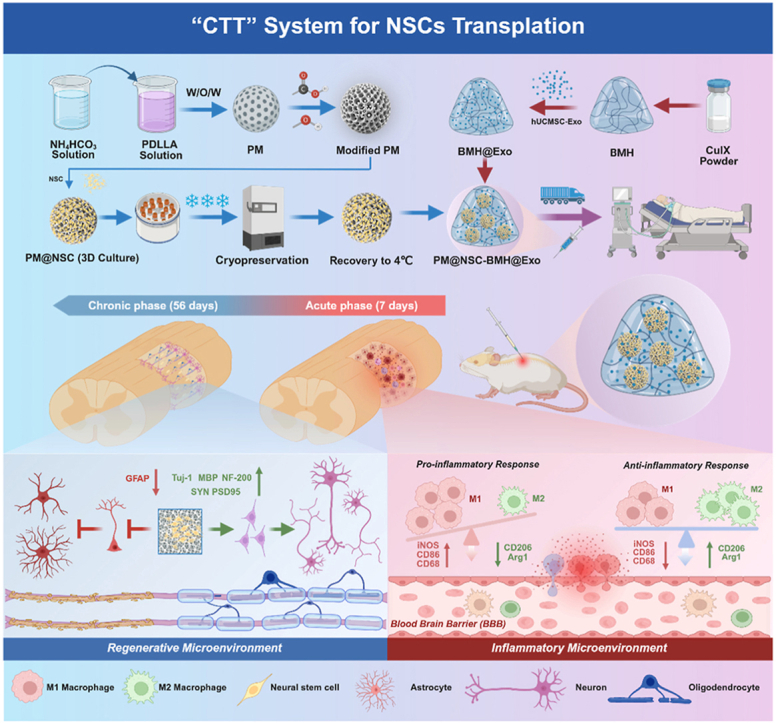 Figure 1
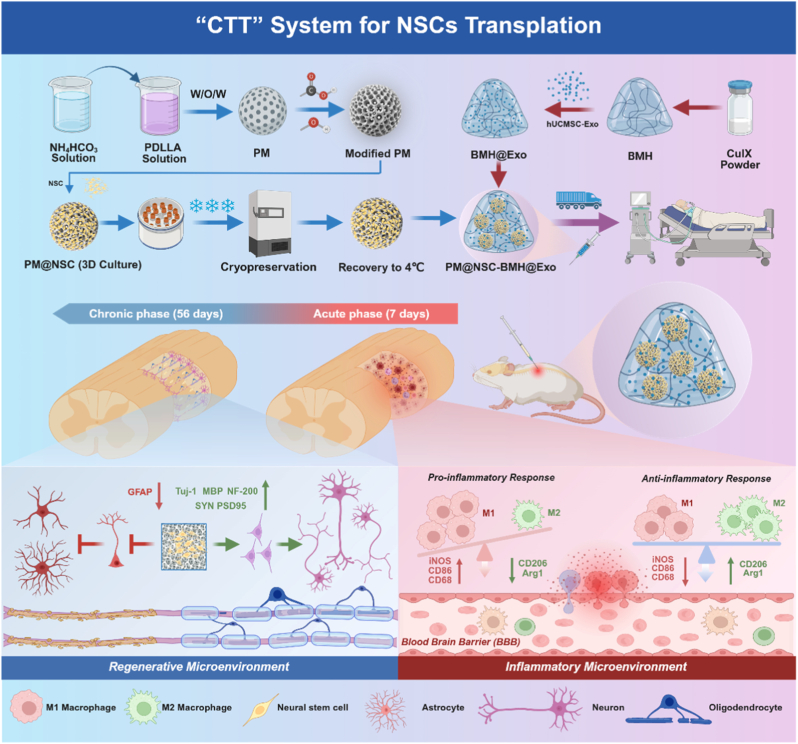 Figure 2
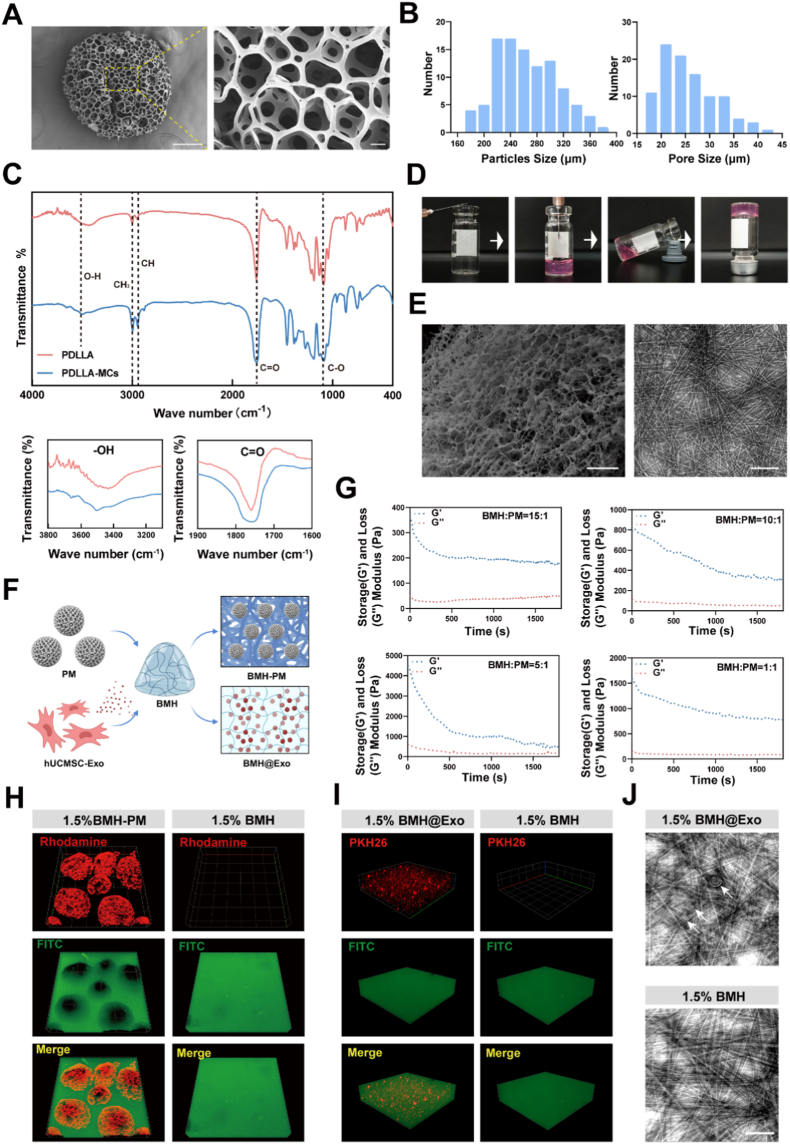 Figure 3
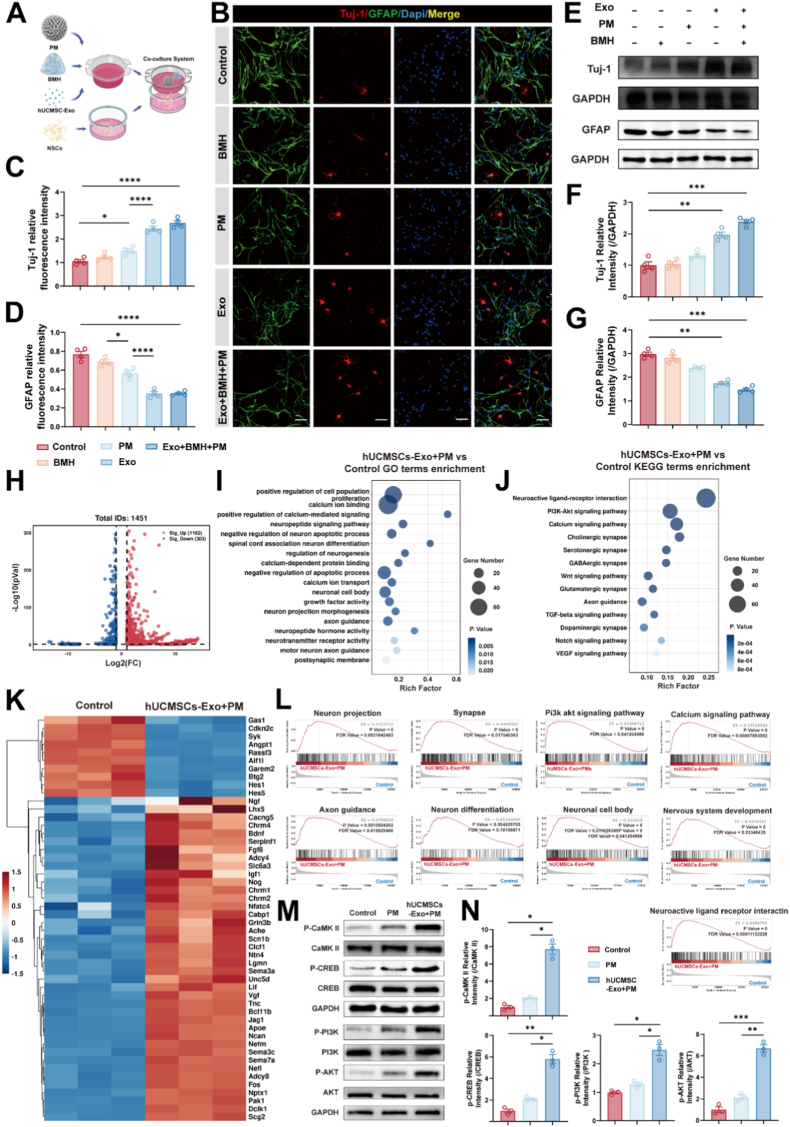 Figure 4
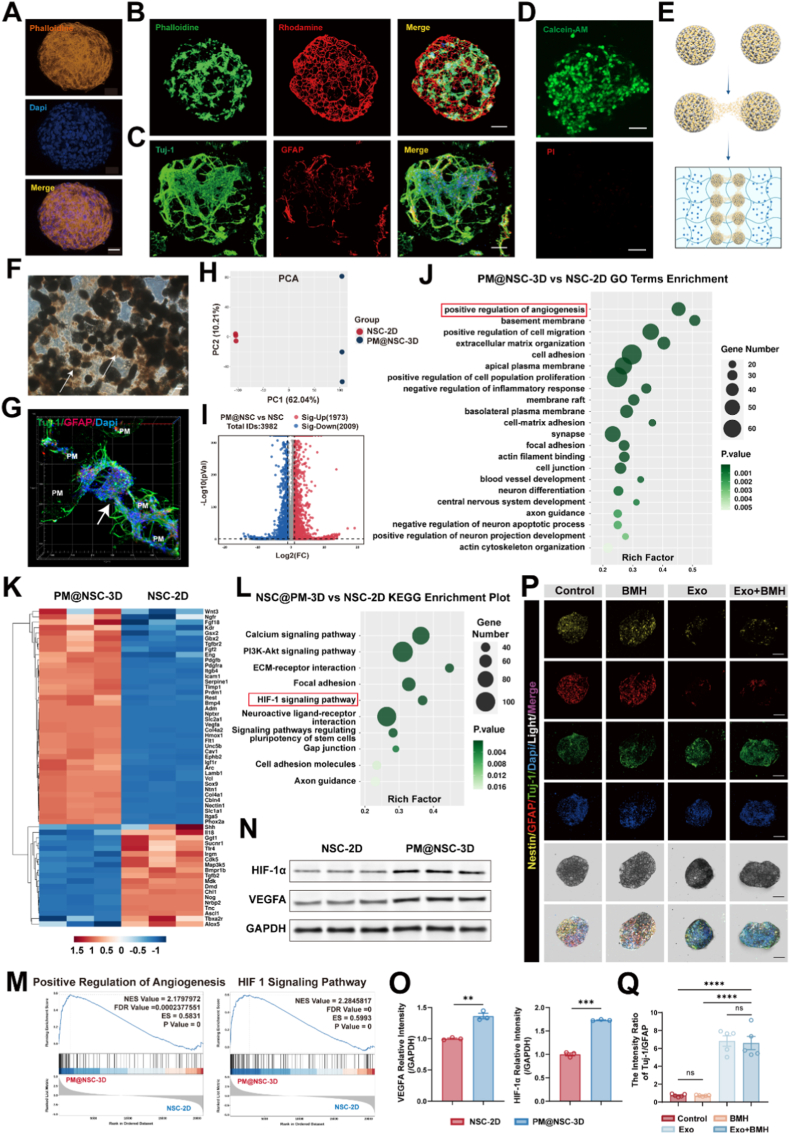 Figure 5
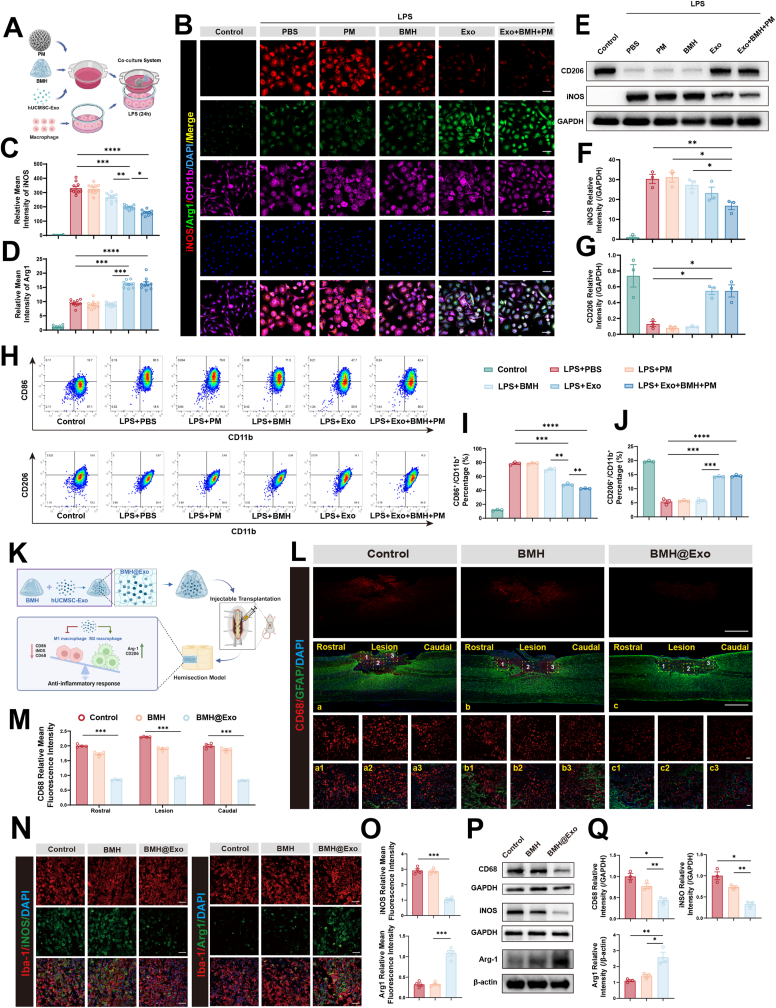 Figure 6
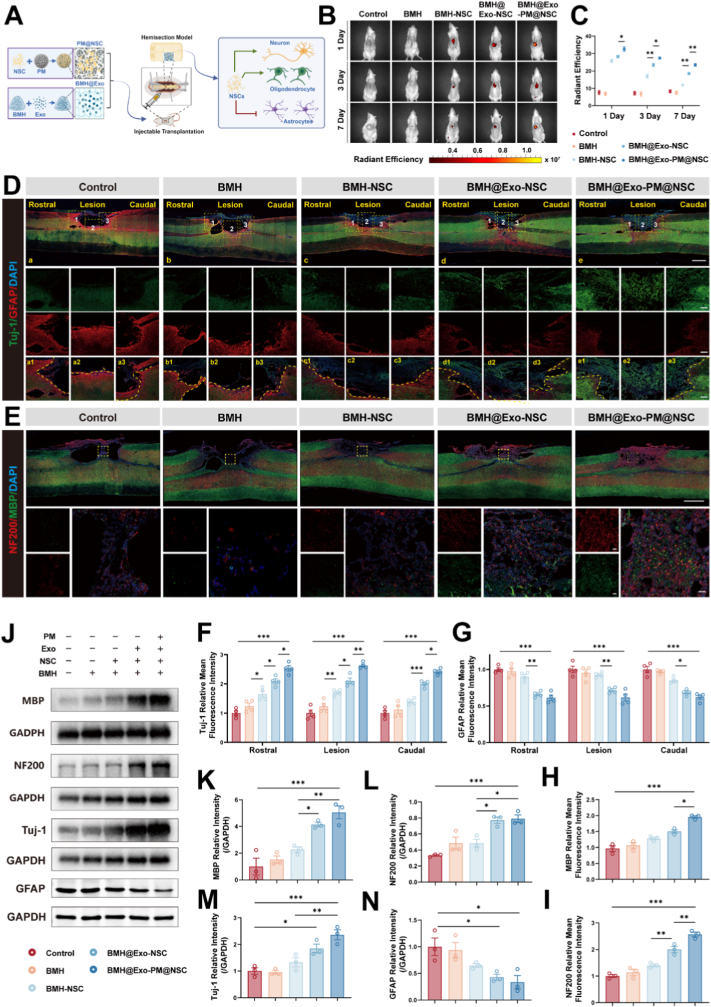 Figure 7
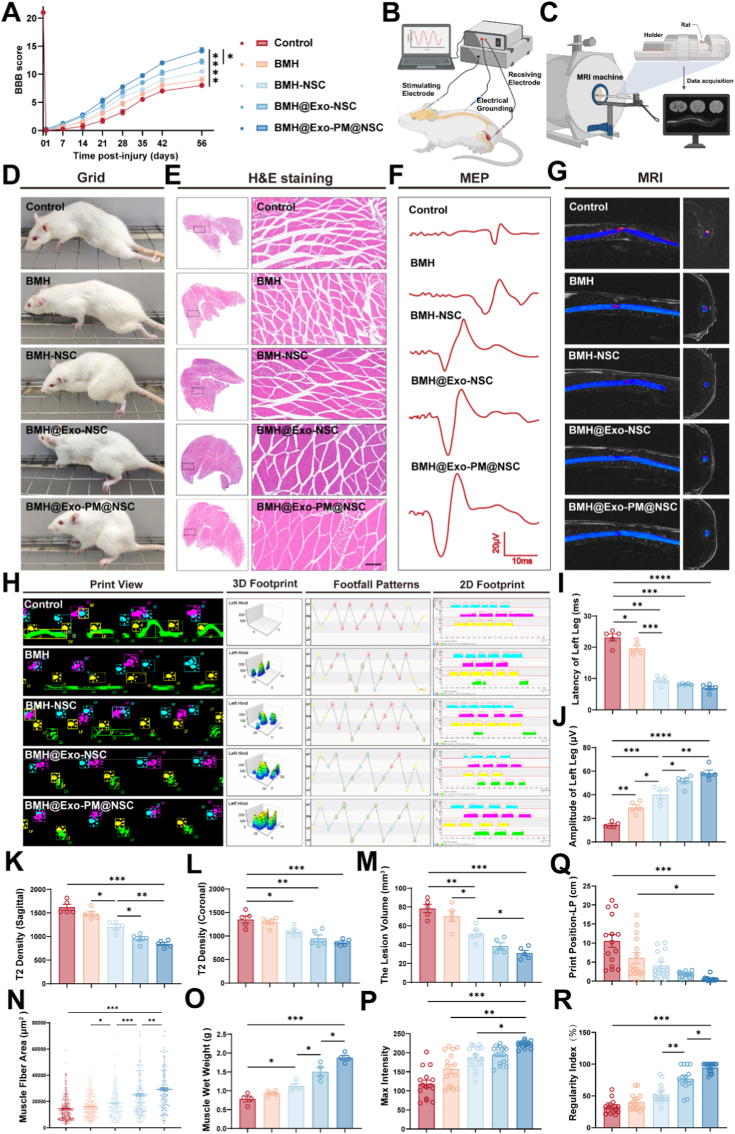 Figure 8
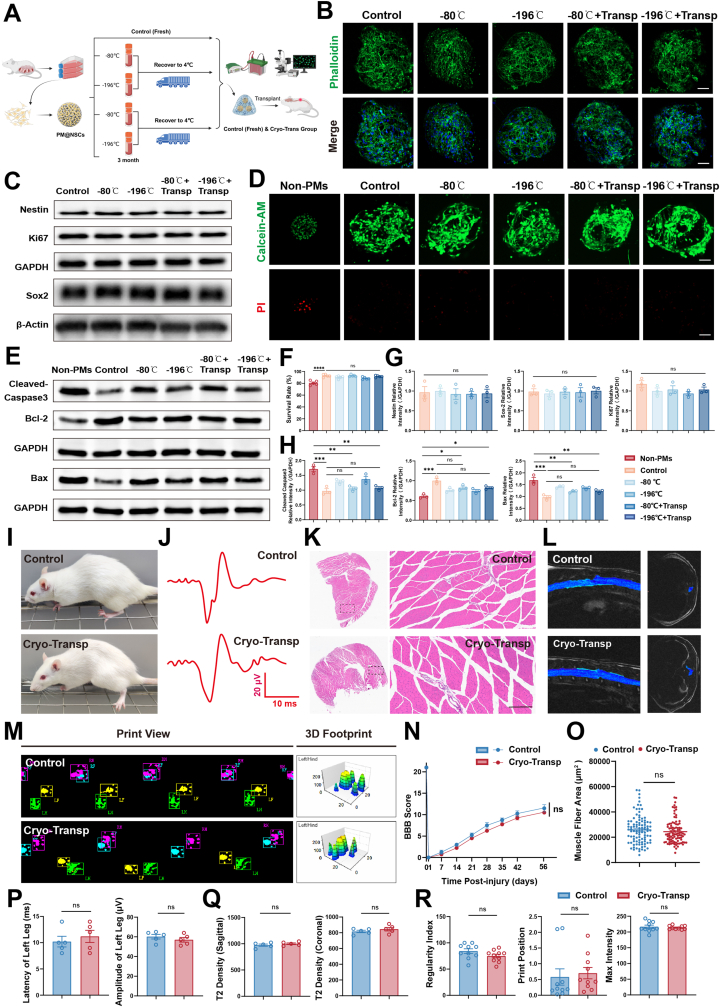 Figure 9
Peer Reviews
No public reviews on file for this paper yet. If you reviewed it on a platform where reviews are public (OpenReview, ICLR, NeurIPS, ICML), you can paste yours below so the community can read it here.
Videos
No videos yet. Explain this paper in a talk, walkthrough, or lecture? Add one.
Taxonomy
TopicsNerve injury and regeneration · Pluripotent Stem Cells Research · Neurogenesis and neuroplasticity mechanisms