Circadian feeding promotion by Ninjin’yoeito counteracts frailty in aged mice
Lei Wang, Yermek Rakhat, Masanori Nakata, Katsuya Dezaki, Hitoshi Kuwata, Boyang Zhang, Wanxin Han, Seiya Banno, Chikara Abe, Noboru Ogiso, Takashi Sakurai, Shin Tsunekawa, Daisuke Yabe, Yusaku Iwasaki, Yutaka Seino, Toshihiko Yada

TL;DR
A herbal medicine called Ninjin’yoeito helps reduce frailty in old mice by promoting feeding during a specific time of day.
Contribution
The study identifies pre-active phase feeding promotion as a novel strategy to counteract aging-related frailty.
Findings
NYT increases food intake in aged and young mice during the pre-active phase (18:00–20:00).
NYT improves anti-anxiety behavior, memory, and grip strength in aged mice.
The effects of NYT are blocked when food is restricted during the pre-active phase.
Abstract
Frailty in aging is a major health challenge, requiring solution. Older people with frailty often exhibit malnutrition and dysregulated feeding. Feeding behavior displays circadian rhythm, while aging and frailty involve rhythm disorders, suggesting possible role of circadian feeding in frailty and treatment. Herbal medicine, Ninjin’yoeito (NYT), reportedly ameliorates frail symptoms. The present study explored impacts of NYT on circadian feeding and psychological/physical functions in aged mice. Here, we report that oral NYT independent of administration timing increases food intake specifically in 18:00–20:00, the pre-active phase, in aged and young mice, an effect mimicked by Chenpi and hesperidin. NYT altered appetite-regulating hormones and neuropeptides in pre-active phase. Repeated NYT administration restored anti-anxiety behavior, memory, and grip strength that declined in aged…
Genes, proteins, chemicals, diseases, species, mutations and cell lines named across the full text — each resolved to its canonical identifier and authoritative record.
Click any figure to enlarge with its caption.
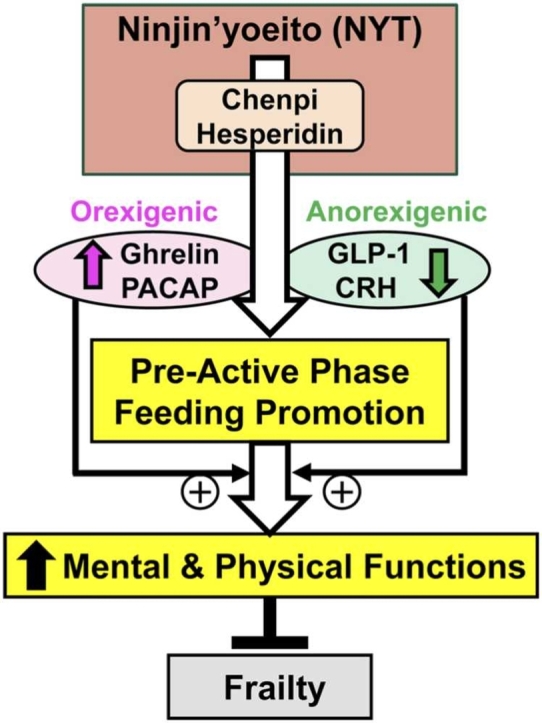 Figure 1
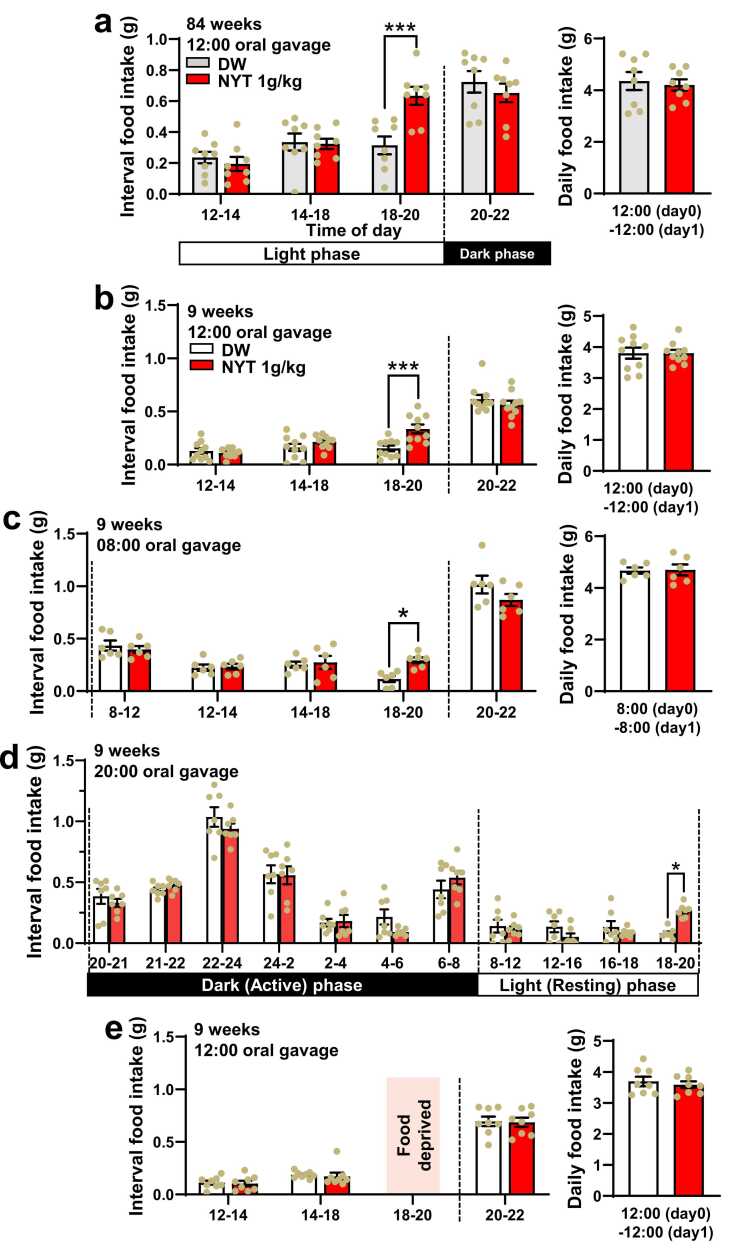 Figure 2
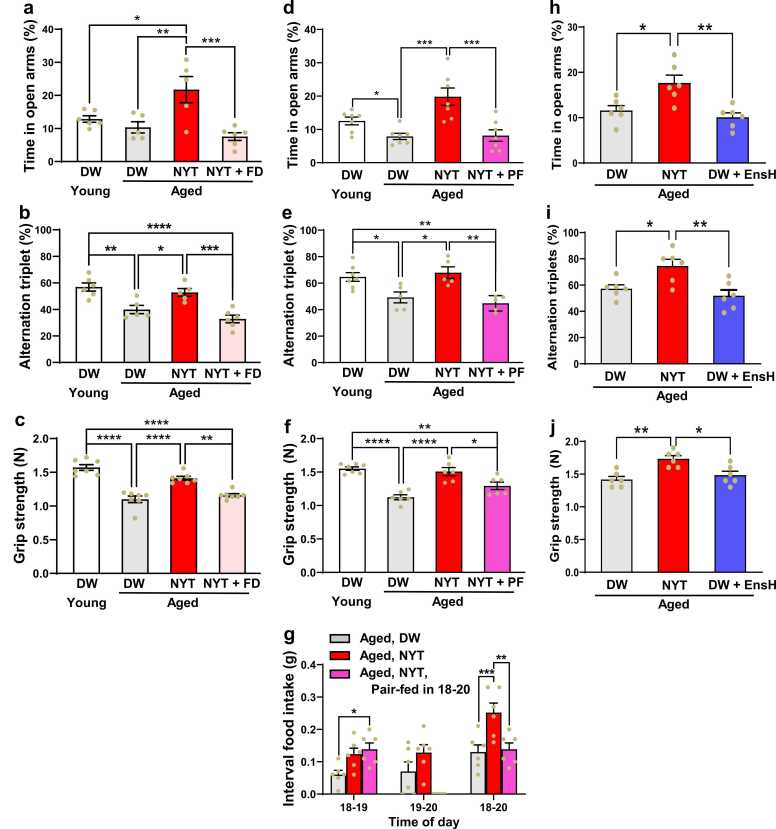 Figure 3
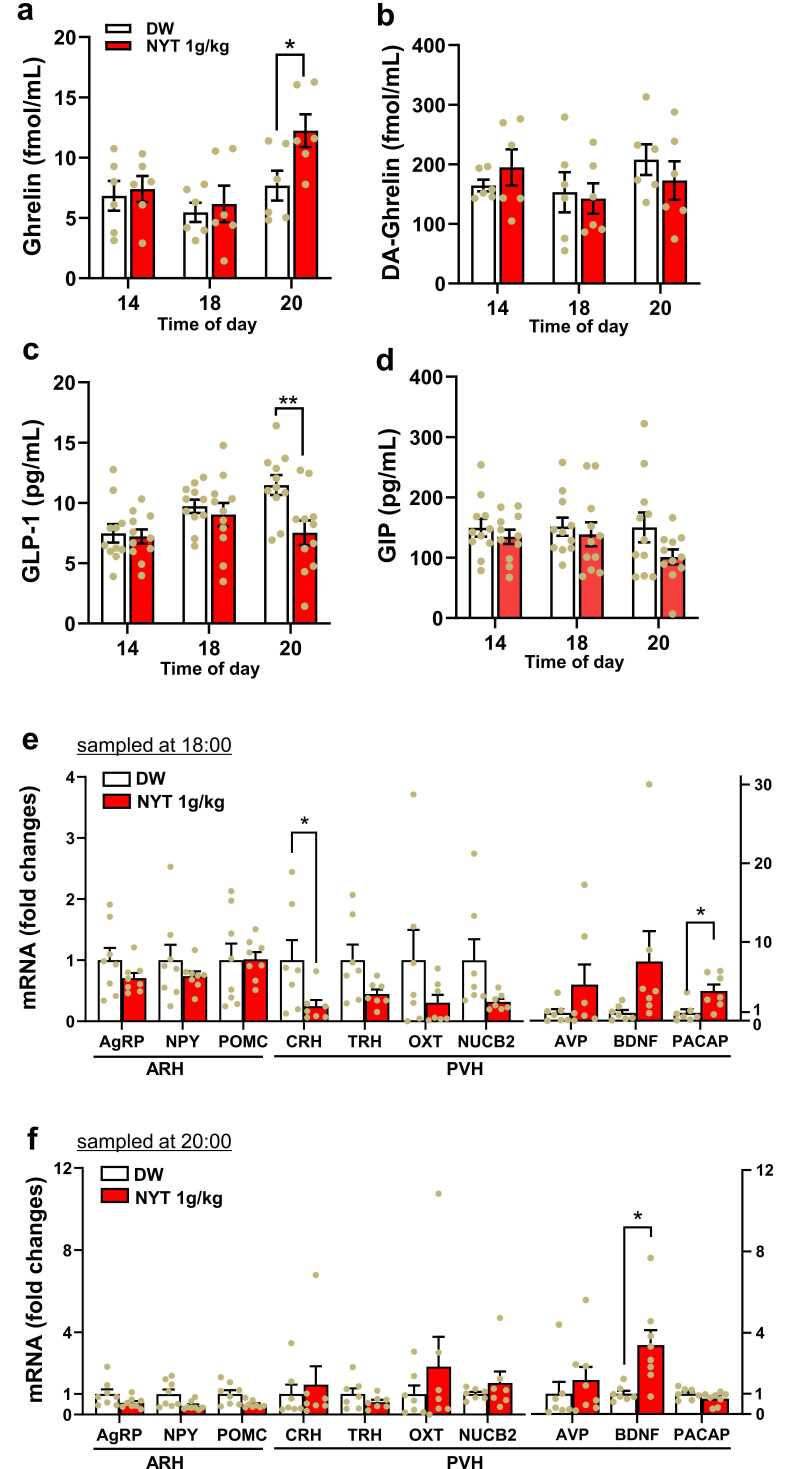 Figure 4
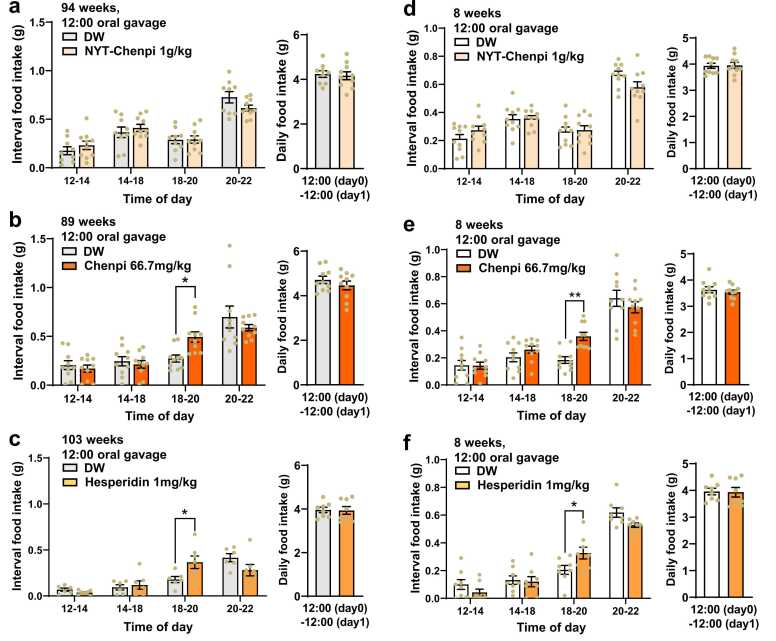 Figure 5
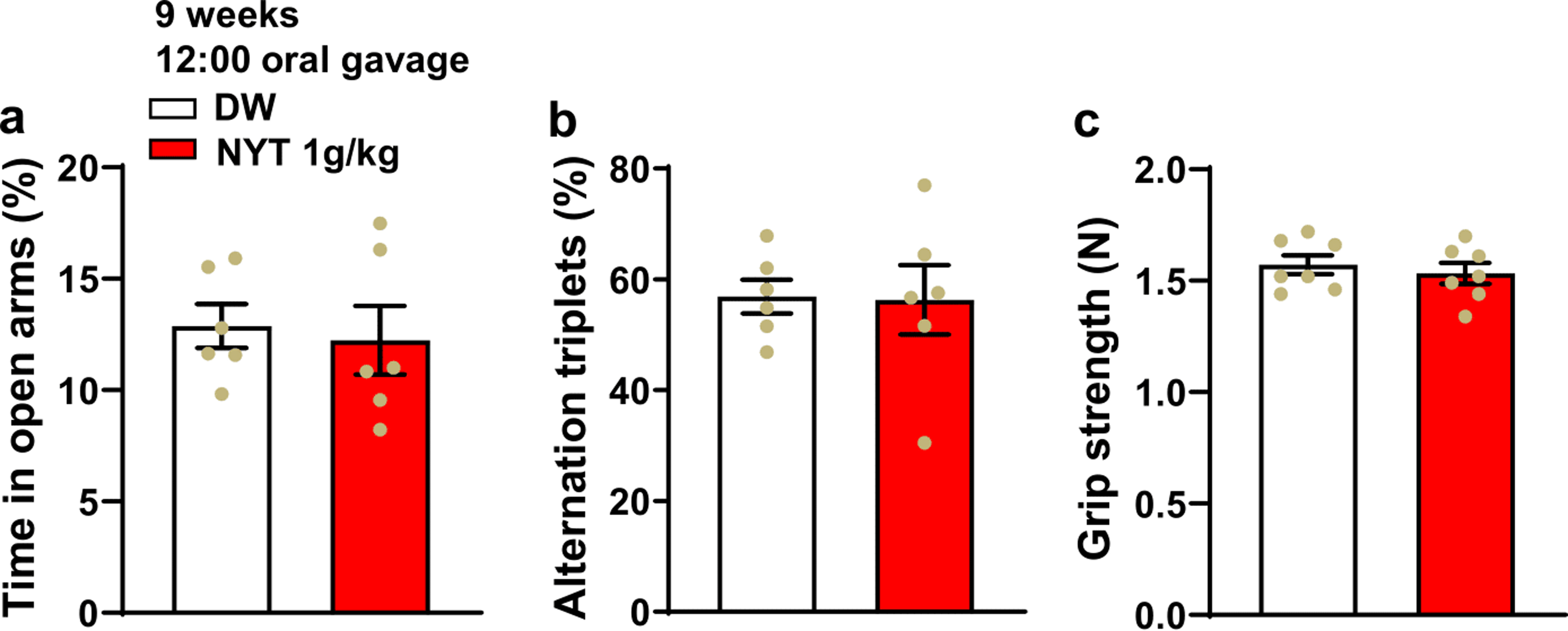 Figure 6
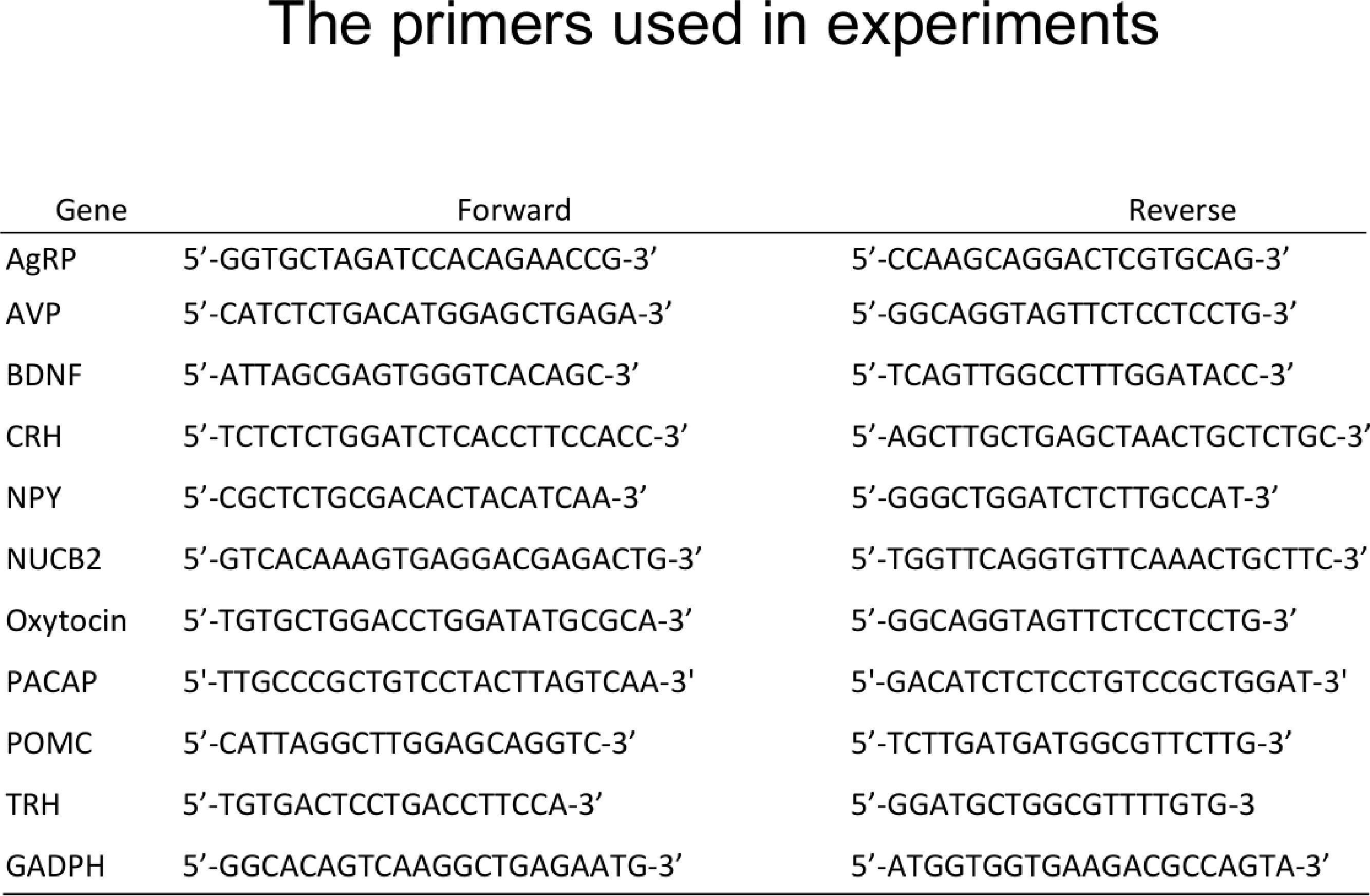 Figure 7
Peer Reviews
No public reviews on file for this paper yet. If you reviewed it on a platform where reviews are public (OpenReview, ICLR, NeurIPS, ICML), you can paste yours below so the community can read it here.
Videos
No videos yet. Explain this paper in a talk, walkthrough, or lecture? Add one.
Taxonomy
TopicsCircadian rhythm and melatonin · Dietary Effects on Health · Genetics, Aging, and Longevity in Model Organisms