Enrichment of Cysteine S-palmitoylated Peptides Using Sodium Deoxycholate Acid Precipitation
Peter T. Jensen, Giuseppe Palmisano, Christopher J. Rhodes, Martin R. Larsen

TL;DR
The paper introduces a new method called SDC-ACE for efficiently identifying S-palmitoylated peptides, which helps study their role in cellular processes and diseases like diabetes.
Contribution
The novel SDC-ACE method enables fast and sensitive enrichment of S-palmitoylated peptides surpassing existing techniques.
Findings
More than 33,000 formerly S-palmitoylated peptides were identified from mouse brain.
SDC-ACE reveals tissue-specific S-palmitoylation events across mouse organs.
Regulated S-palmitoylated sites linked to obesity and diabetes were uncovered.
Abstract
S-palmitoylation is a poorly understood post-translational modification that is gaining more attention as an essential regulator of cellular processes. The reversible nature of S-palmitoylation may allow for fine-tuned control of cellular events and adaptation to stimuli. The detection of S-palmitoylated proteins and peptides includes the Acyl-Biotin Exchange (ABE) method, Acyl resin-assisted Capture (Acyl-RAC), metabolic labelling, and derivatives thereof. We present a novel method of enrichment of S-palmitoylated peptides termed SDC Acid Precipitation Enrichment (SDC-ACE). Here, S-palmitoylated peptides are enriched by taking advantage of their co-precipitation with Sodium deoxycholate (SDC) under acidic conditions, allowing easy and fast separation of lipidated peptides from the sample suspension. We initially applied our novel method for the characterization of the mouse brain,…
Genes, proteins, chemicals, diseases, species, mutations and cell lines named across the full text — each resolved to its canonical identifier and authoritative record.
Click any figure to enlarge with its caption.
 Figure 1
 Figure 2
 Figure 3
 Figure 4
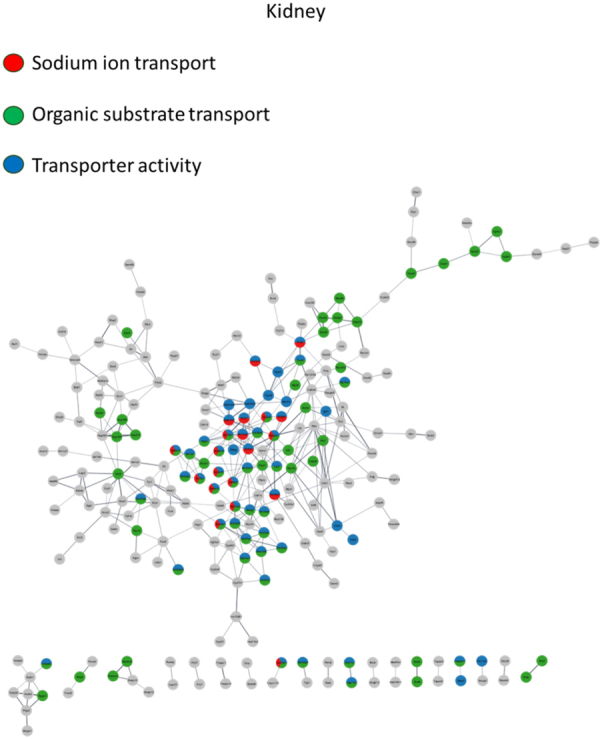 Figure 5
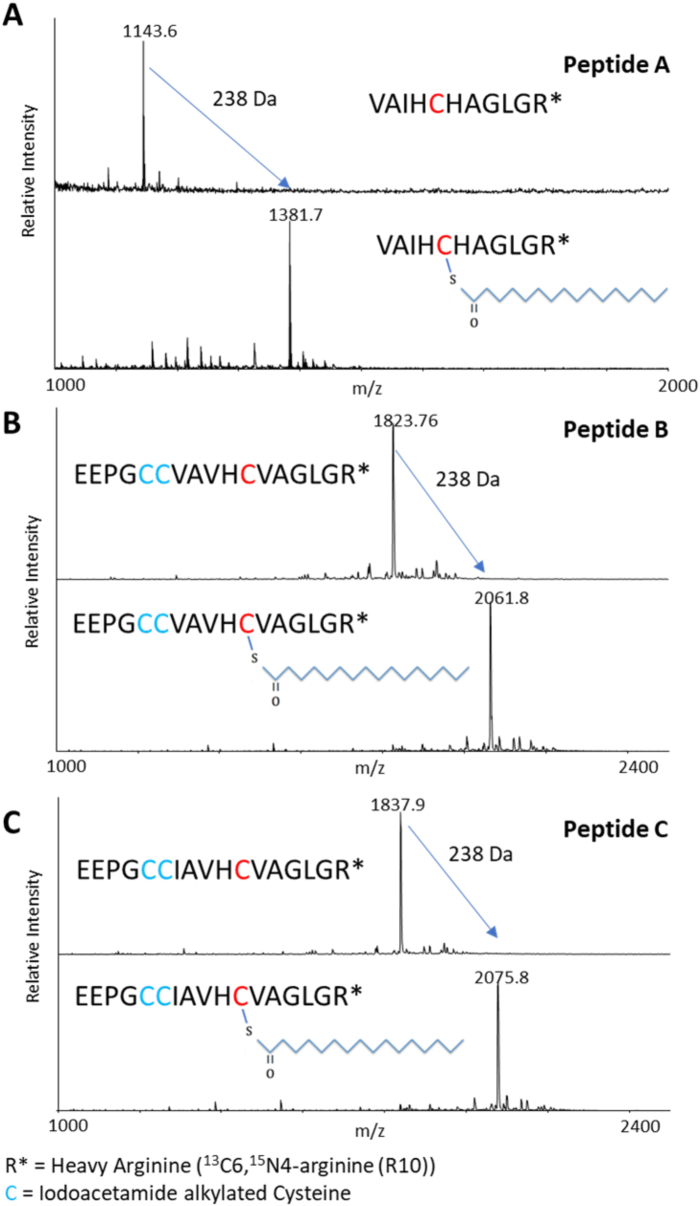 Figure 6
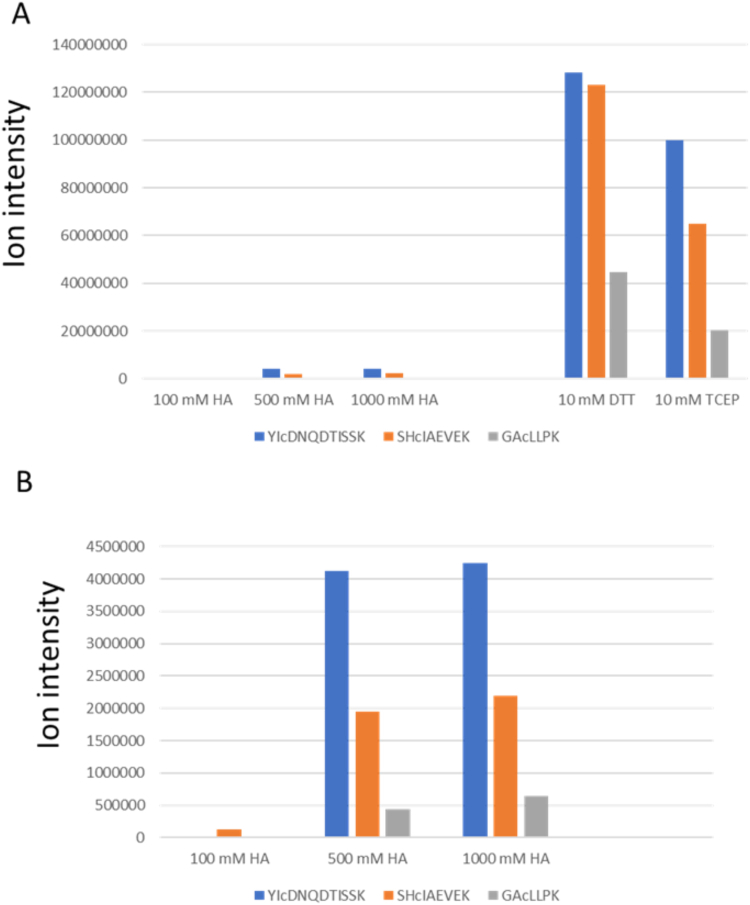 Figure 7
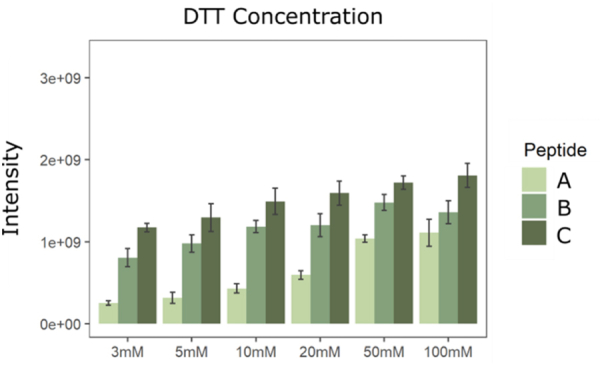 Figure 8
 Figure 9
 Figure 10
 Figure 11
 Figure 12
 Figure 13
 Figure 14
 Figure 15
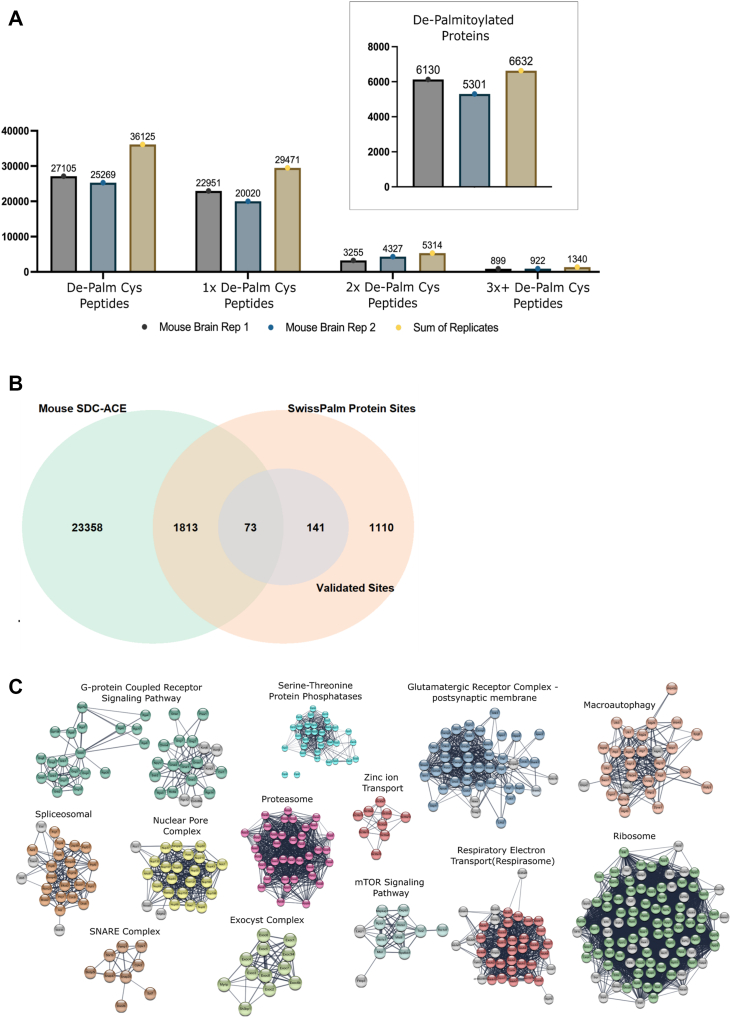 Figure 16
 Figure 17
 Figure 18
 Figure 19
 Figure 20
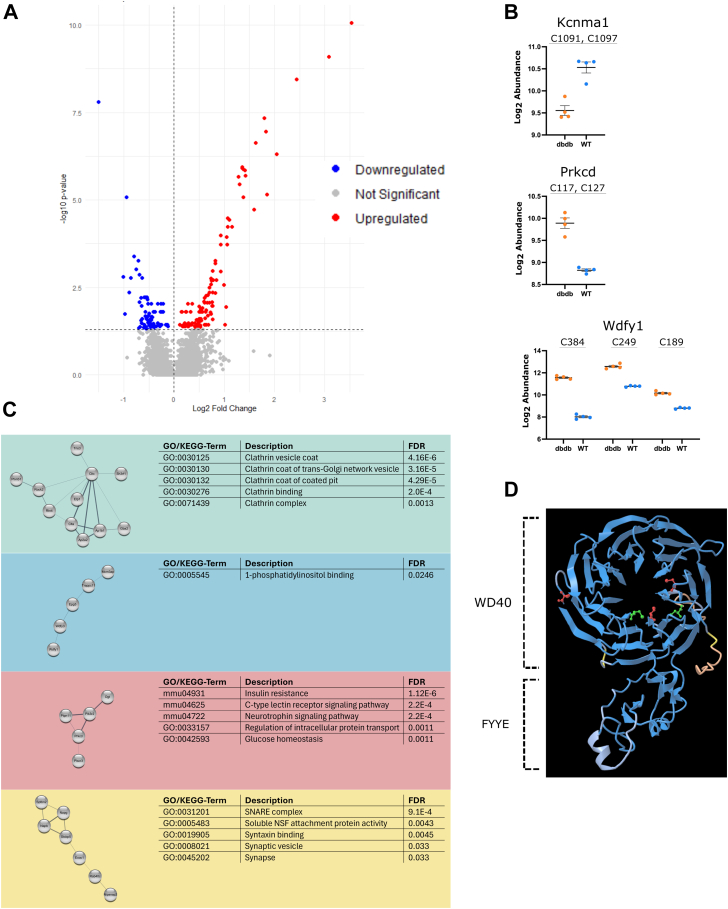 Figure 21
Peer Reviews
No public reviews on file for this paper yet. If you reviewed it on a platform where reviews are public (OpenReview, ICLR, NeurIPS, ICML), you can paste yours below so the community can read it here.
Videos
No videos yet. Explain this paper in a talk, walkthrough, or lecture? Add one.
Taxonomy
TopicsPeptidase Inhibition and Analysis · RNA modifications and cancer · Adenosine and Purinergic Signaling