Old enough to be a model? On the role of maturity in stem cell-based models for neuropsychiatric disorders
Bingqing He, Erik Smedler

TL;DR
This paper reviews how stem cell models can better reflect the biology of mental disorders by considering the maturity of cells used in experiments.
Contribution
The paper emphasizes the importance of developmental timing in stem cell models for understanding late-onset mental disorders.
Findings
Current iPSC-derived models resemble fetal brain tissue, limiting their relevance for late-onset disorders.
Developmental timing affects the interpretation of iPSC-based findings in neuropsychiatric research.
Emerging methods aim to accelerate or extend neuronal aging in vitro for better disease modeling.
Abstract
Mental disorders profoundly influence cognition, emotion, and self-perception, and collectively represent a major cause of global disability. Their onset spans distinct developmental periods, from early childhood in neurodevelopmental conditions such as autism spectrum disorder, through adolescence in eating and obsessive-compulsive disorders, to early adulthood in bipolar disorder and schizophrenia. Twin and family studies have established that these disorders are substantially heritable, and large-scale genomic analyses have identified numerous common and rare risk variants. Yet, the biological mechanisms through which genetic and environmental factors converge to shape disease trajectories remain elusive. Patient-derived induced pluripotent stem cells (iPSCs) have emerged as a promising tool for investigating disease-relevant mechanisms in human neurons and neural circuits. However,…
Genes, proteins, chemicals, diseases, species, mutations and cell lines named across the full text — each resolved to its canonical identifier and authoritative record.
Click any figure to enlarge with its caption.
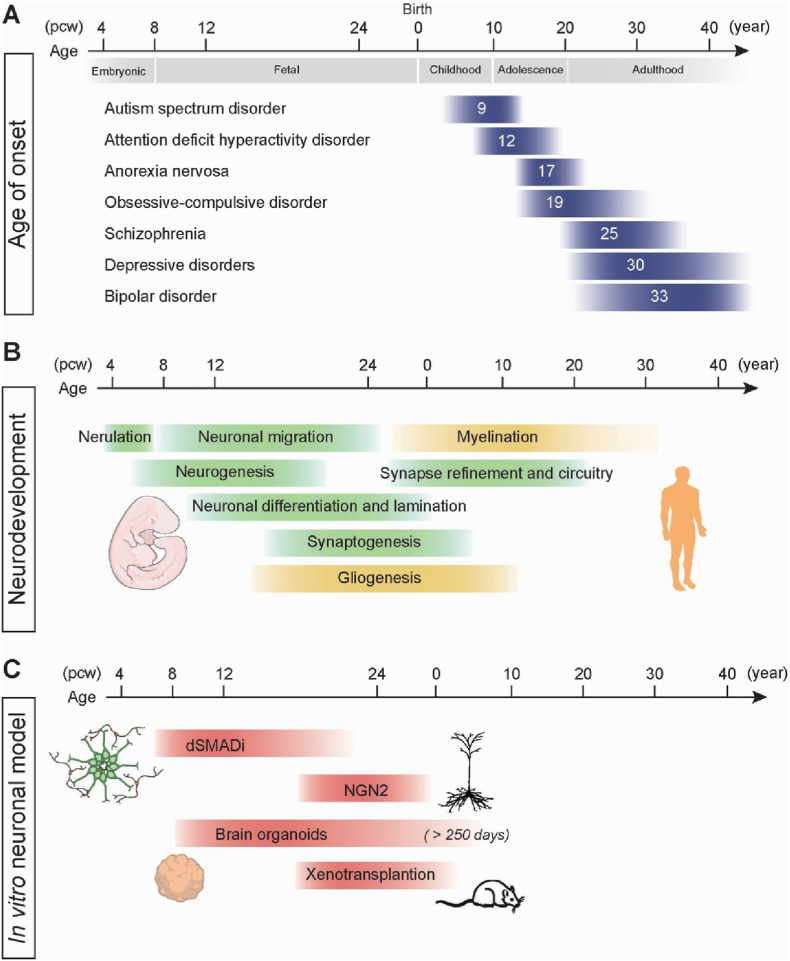 Figure 1
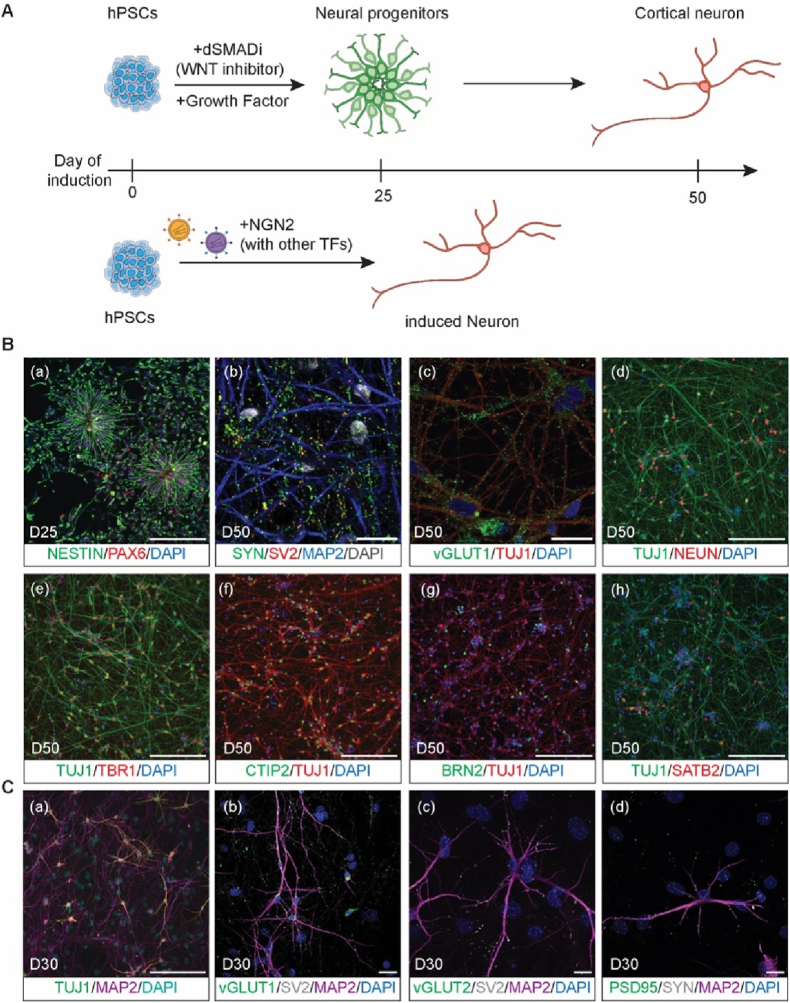 Figure 2
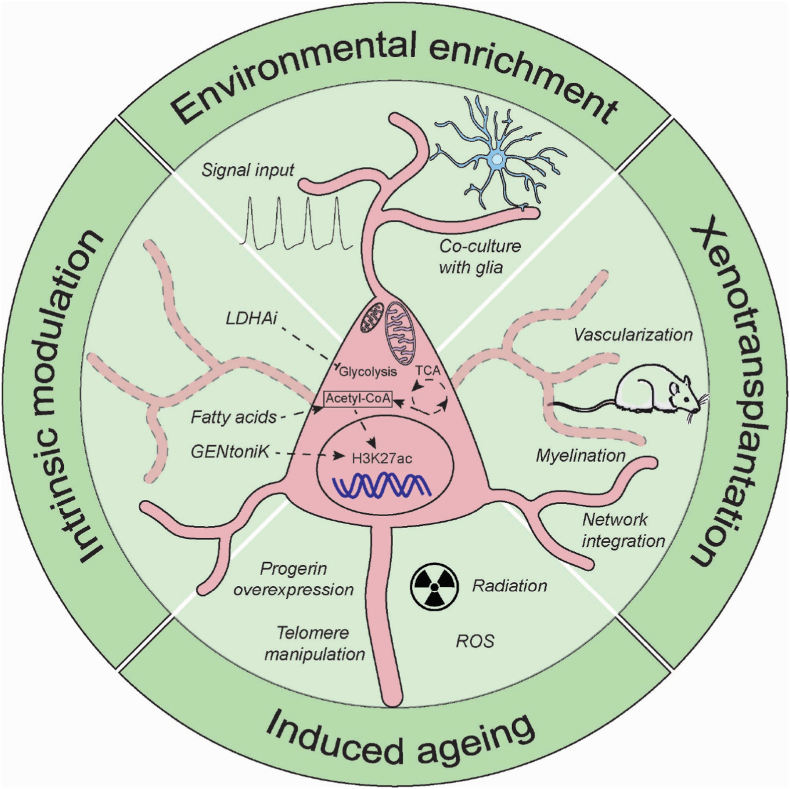 Figure 3
Peer Reviews
No public reviews on file for this paper yet. If you reviewed it on a platform where reviews are public (OpenReview, ICLR, NeurIPS, ICML), you can paste yours below so the community can read it here.
Videos
No videos yet. Explain this paper in a talk, walkthrough, or lecture? Add one.
Taxonomy
TopicsPluripotent Stem Cells Research · Neurogenesis and neuroplasticity mechanisms · Phosphodiesterase function and regulation