Determinants and survival benefits of achieving textbook outcome for intrahepatic cholangiocarcinoma in the era of neoadjuvant therapy
Jiawei Hu, Yihang Wang, Haoran Diao, Shuangda Miao, Xiaoxiao Zhang, Qi Li, Yanzhi Pan, Yun Jin, Yuanquan Yu, Jiangtao Li

TL;DR
This study finds that achieving high-quality surgical outcomes improves survival in intrahepatic cholangiocarcinoma patients, especially when combined neoadjuvant therapies are used.
Contribution
The study identifies combined neoadjuvant therapy as a novel predictor of textbook surgical outcomes in intrahepatic cholangiocarcinoma.
Findings
Textbook outcome was achieved in 28.3% of patients and was significantly associated with improved overall and recurrence-free survival.
Combined neoadjuvant therapy (chemotherapy plus targeted/immunotherapy) was an independent predictor of textbook outcome.
A TO-integrated nomogram showed excellent predictive accuracy for survival with a 1-year area under the curve of 0.891.
Abstract
Intrahepatic cholangiocarcinoma (ICC) is a highly aggressive malignancy with a poor prognosis. Radical resection is the modality to cure patients with ICC. Thus, surgical quality is the key prognostic factor for survival. Textbook outcome (TO) is a multidimensional composite indicator reflecting surgical care quality. However, the association between neoadjuvant therapies—particularly those incorporating targeted and/or immunotherapeutic agents into chemotherapy regimens—and the attainment of TO in ICC remains unclear and warrants further investigation. This retrospective study analyzed 187 patients with ICC who underwent curative resection. TO was defined as the simultaneous achievement of R0 resection, with no perioperative blood transfusion, no postoperative complications, no mortality within 30 days, no unplanned readmission within 30 days, and a postoperative length of stay not…
Genes, proteins, chemicals, diseases, species, mutations and cell lines named across the full text — each resolved to its canonical identifier and authoritative record.
Click any figure to enlarge with its caption.
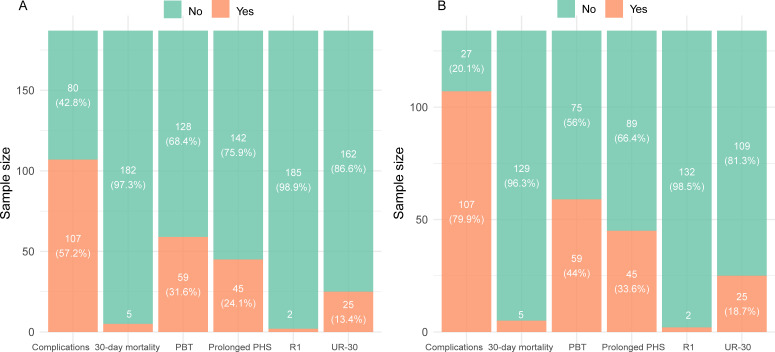 Figure 1
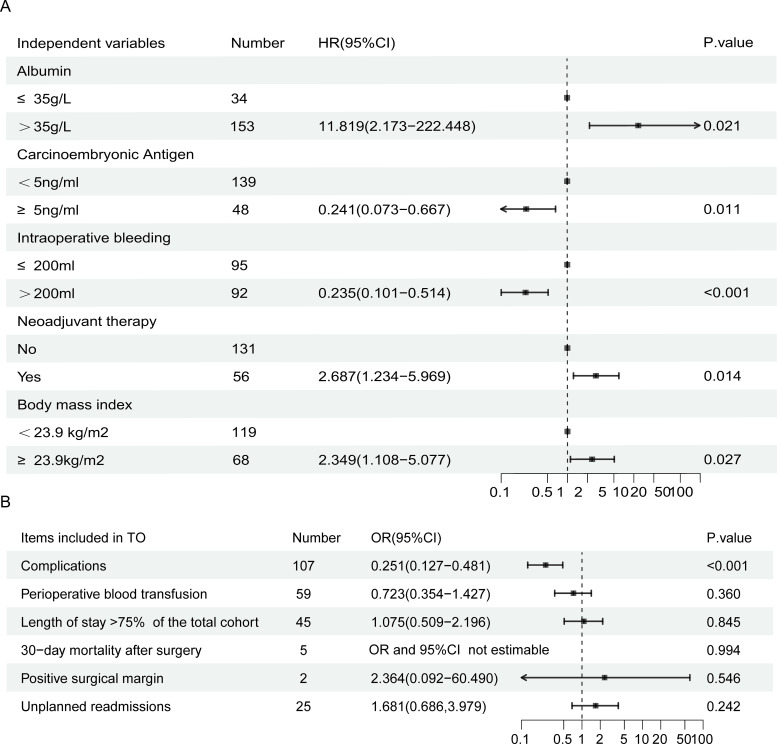 Figure 2
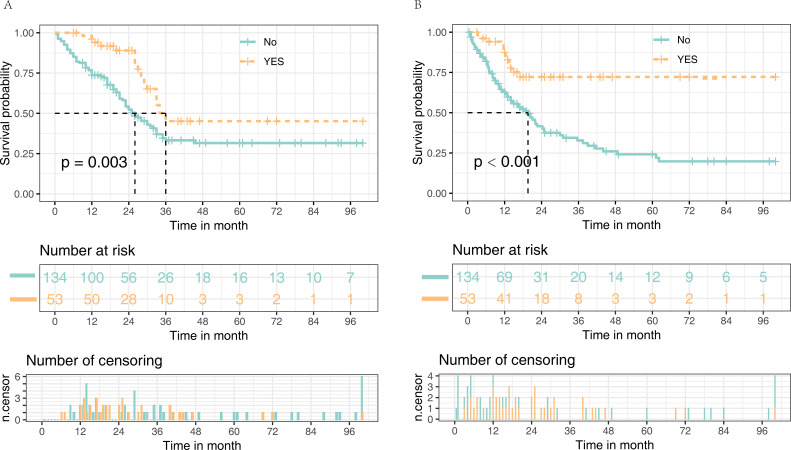 Figure 3
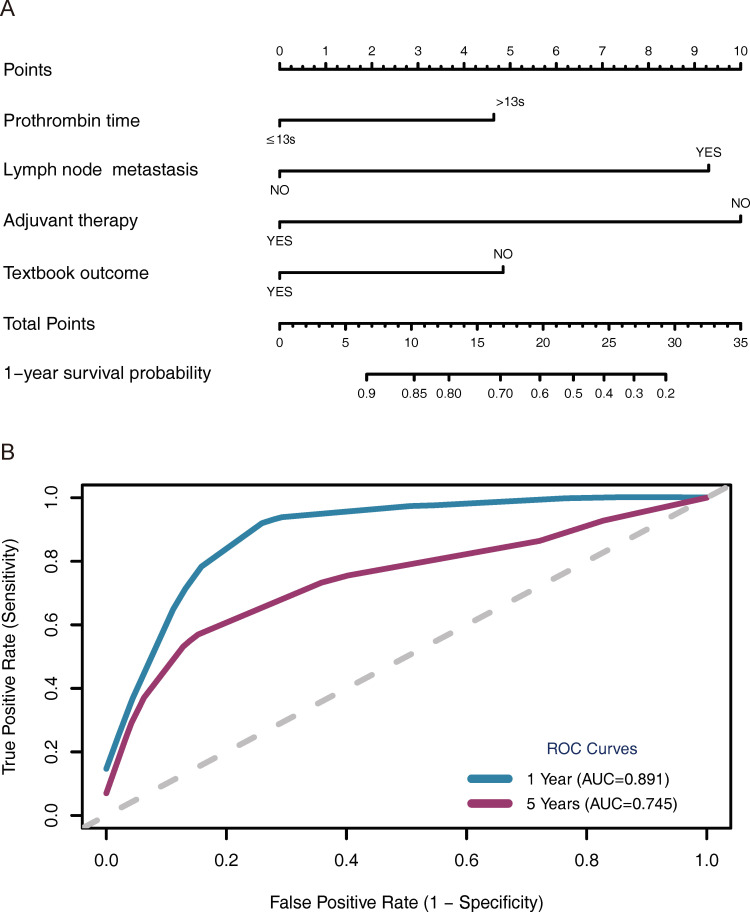 Figure 4
Peer Reviews
No public reviews on file for this paper yet. If you reviewed it on a platform where reviews are public (OpenReview, ICLR, NeurIPS, ICML), you can paste yours below so the community can read it here.
Videos
No videos yet. Explain this paper in a talk, walkthrough, or lecture? Add one.
Taxonomy
TopicsCholangiocarcinoma and Gallbladder Cancer Studies · Gallbladder and Bile Duct Disorders · Gastric Cancer Management and Outcomes