Patient Retreat in Dose Escalation for Phase I Clinical Trials With Rare Diseases
Jialu Fang, Guosheng Yin

TL;DR
This paper introduces PRIDE and PRIDE-FA, new methods for dose escalation in phase I clinical trials for rare diseases, which improve efficiency and accuracy.
Contribution
PRIDE and PRIDE-FA are novel dose-finding designs that incorporate intra-patient correlations and flexible allocation to improve trial efficiency in rare diseases.
Findings
PRIDE and PRIDE-FA improve the accuracy of maximum tolerated dose selection in rare disease trials.
The proposed methods reduce required sample size and trial duration compared to existing designs.
Incorporating random effects enhances performance in dose-finding for multi-dose patient scenarios.
Abstract
Phase I clinical trials aim to identify the maximum tolerated dose (MTD), a task that becomes challenging in rare disease due to limited patient recruitment. Traditional dose‐finding designs, which assign one dose per patient, require a sufficient sample size that may be infeasible for rare disease trials. To address these limitations, we propose the patient retreat in dose escalation (PRIDE) scheme, which integrates intra‐patient dose escalation and considers intra‐patient correlations by incorporating random effects into a Bayesian hierarchical framework. We further introduce PRIDE‐FA (flexible allocation), an extension of PRIDE with a flexible allocation strategy. By allowing retreated patients to be assigned to any dose level based on trial needs, PRIDE‐FA improves resource efficiency, leading to greater reductions in required sample size and trial duration. This paper incorporates…
Genes, proteins, chemicals, diseases, species, mutations and cell lines named across the full text — each resolved to its canonical identifier and authoritative record.
Click any figure to enlarge with its caption.
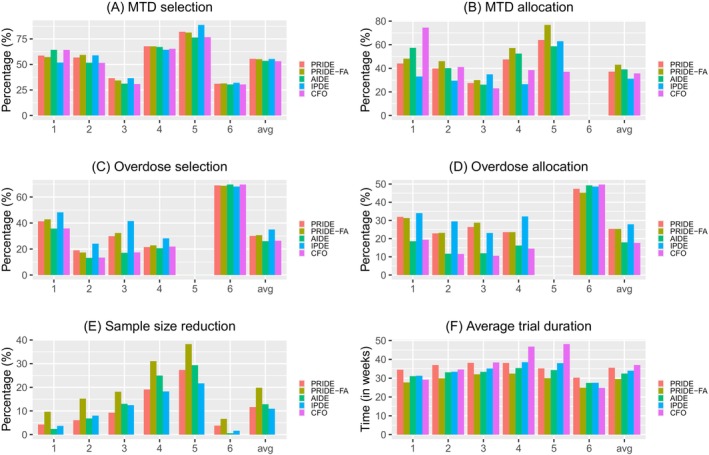 Figure 1
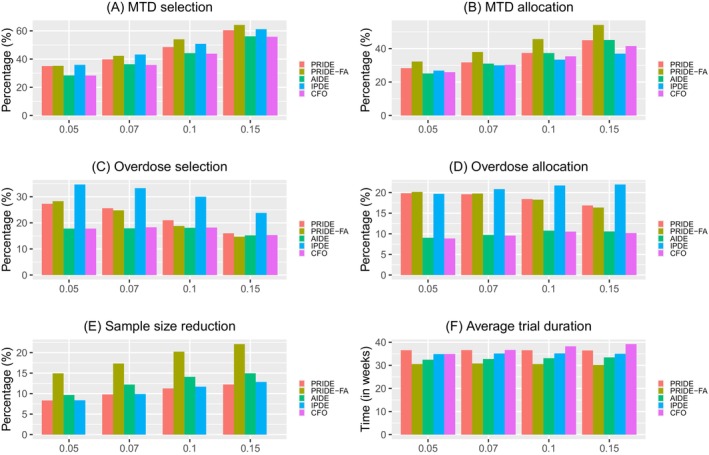 Figure 2
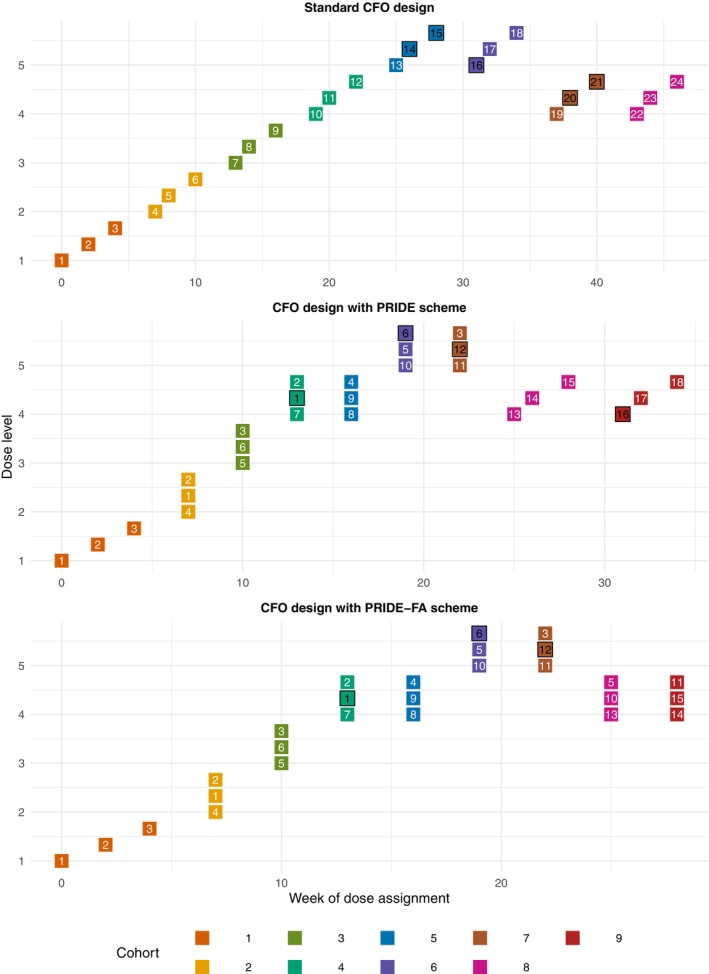 Figure 3
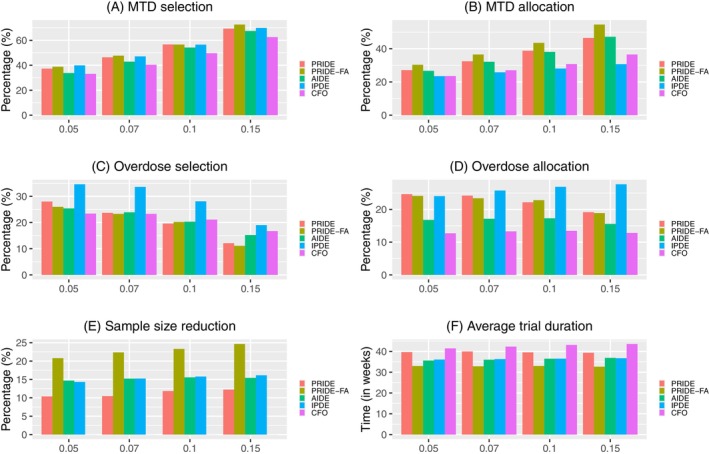 Figure 4
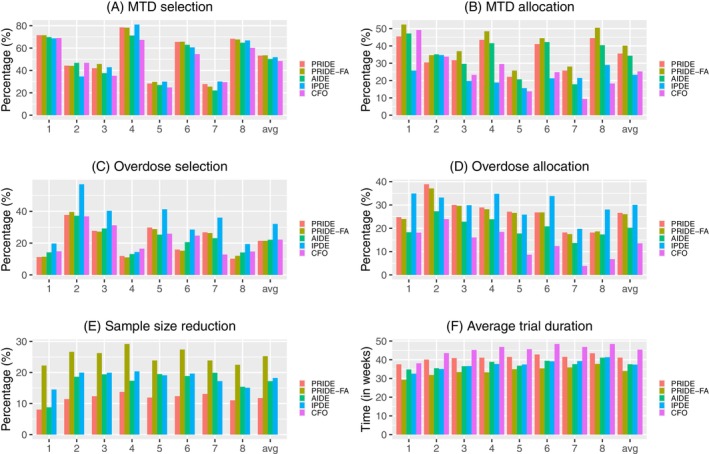 Figure 5
Peer Reviews
No public reviews on file for this paper yet. If you reviewed it on a platform where reviews are public (OpenReview, ICLR, NeurIPS, ICML), you can paste yours below so the community can read it here.
Videos
No videos yet. Explain this paper in a talk, walkthrough, or lecture? Add one.
Taxonomy
TopicsStatistical Methods in Clinical Trials · Advanced Causal Inference Techniques · Statistical Methods and Bayesian Inference