WTAP Contributes to Periodontitis Pathogenesis by Promoting PDLSC Senescence and Impairing Osteogenic Differentiation via m6A‐Dependent Regulation of TP53BP1
Menglin Xiong, Tingting Wang, Yuan Liu

TL;DR
This study shows that the protein WTAP contributes to periodontitis by causing stem cell aging and reducing bone formation through an m6A-dependent mechanism involving TP53BP1.
Contribution
The study identifies a novel m6A-dependent regulatory mechanism involving WTAP and TP53BP1 in periodontal ligament stem cell senescence and osteogenic differentiation.
Findings
WTAP knockdown reduces senescence and oxidative stress in periodontitis-derived PDLSCs.
WTAP promotes PDLSC senescence and impairs osteogenic differentiation via m6A modification of TP53BP1 mRNA.
The WTAP/TP53BP1 axis is a new potential target for periodontitis treatment.
Abstract
Periodontitis, a chronic inflammatory disease, represents the primary cause of tooth loss in Chinese adults. Wilms tumor 1‐associating protein (WTAP) is a key component of the N6‐methyladenosine (m6A) methyltransferase complex, and has an unclear role in periodontitis pathogenesis, particularly concerning its regulatory functions in periodontal ligament stem cells (PDLSCs). The target gene was identified through the GES260558 dataset and Genecards database. Gene expression was measured using reverse transcription‐quantitative PCR (RT‐qPCR) and western blot. Periodontitis‐derived PDLSCs (P‐PDLSCs) were isolated and identified by alkaline phosphatase (ALP) staining, oil red O staining, and flow cytometry. Malondialdehyde (MDA), superoxide dismutase (SOD), and reactive oxygen species (ROS) levels, γ‐H2AX and SA‐β‐gal positive cells, and the expression of p53 and p16 were applied to…
Genes, proteins, chemicals, diseases, species, mutations and cell lines named across the full text — each resolved to its canonical identifier and authoritative record.
Click any figure to enlarge with its caption.
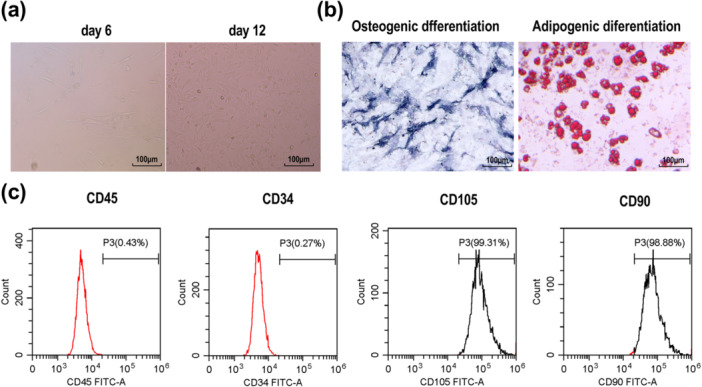 Figure 1
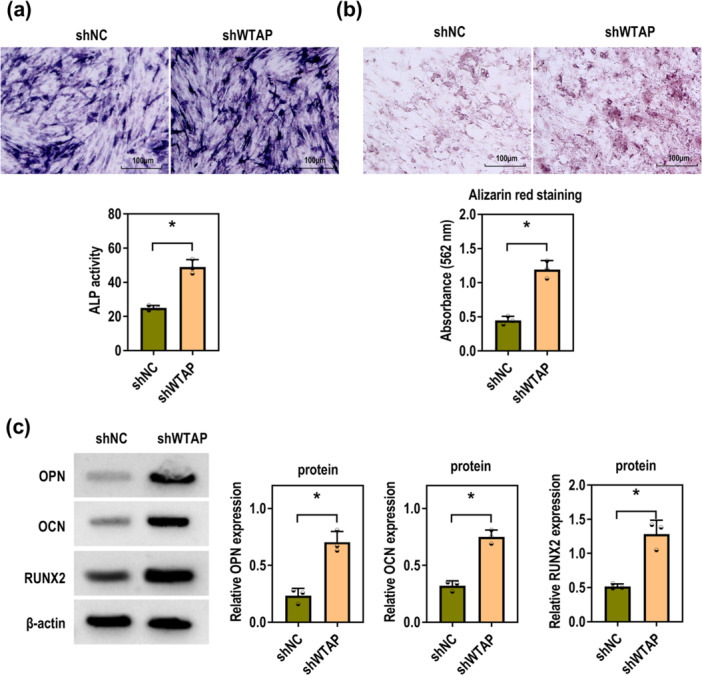 Figure 2
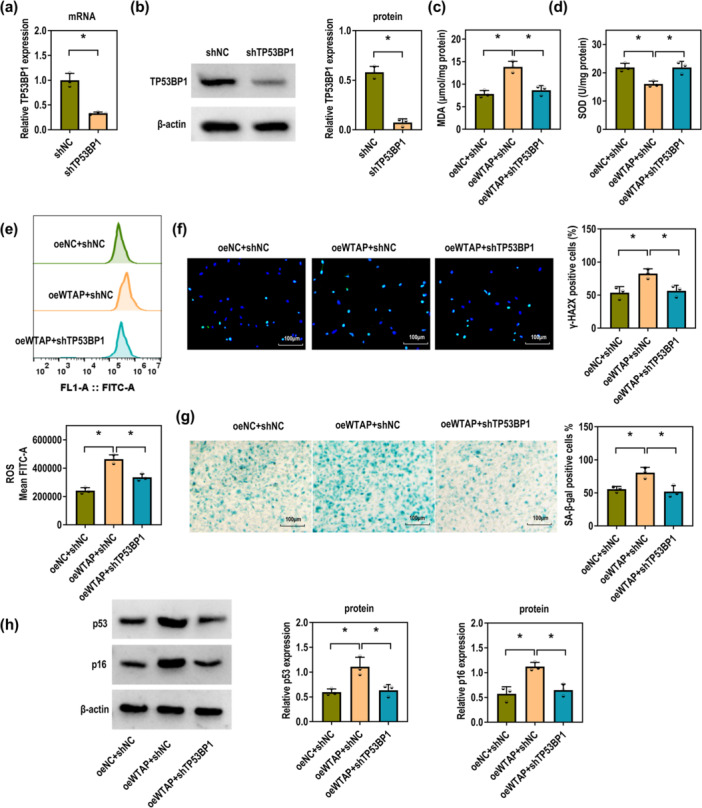 Figure 3
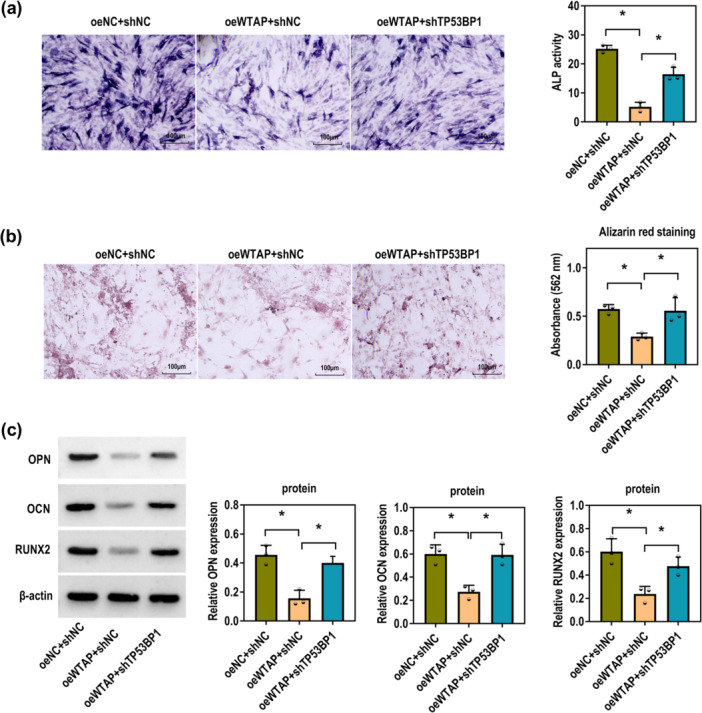 Figure 4
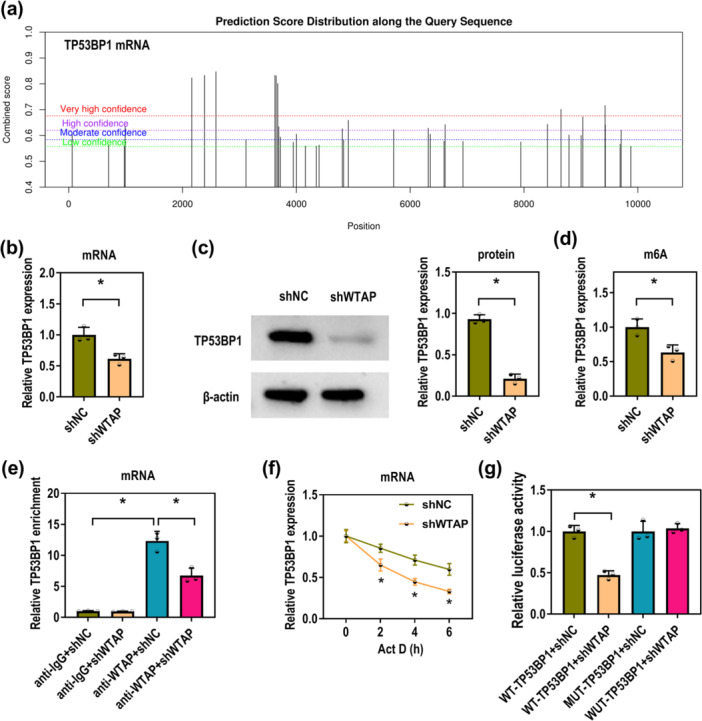 Figure 5
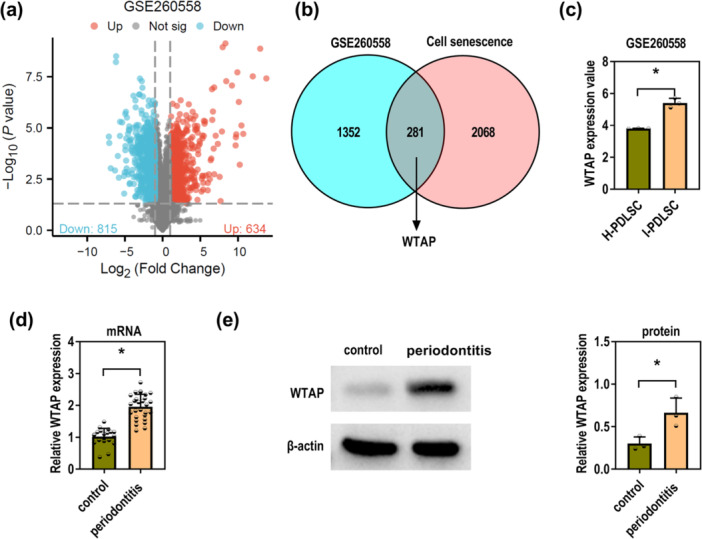 Figure 6
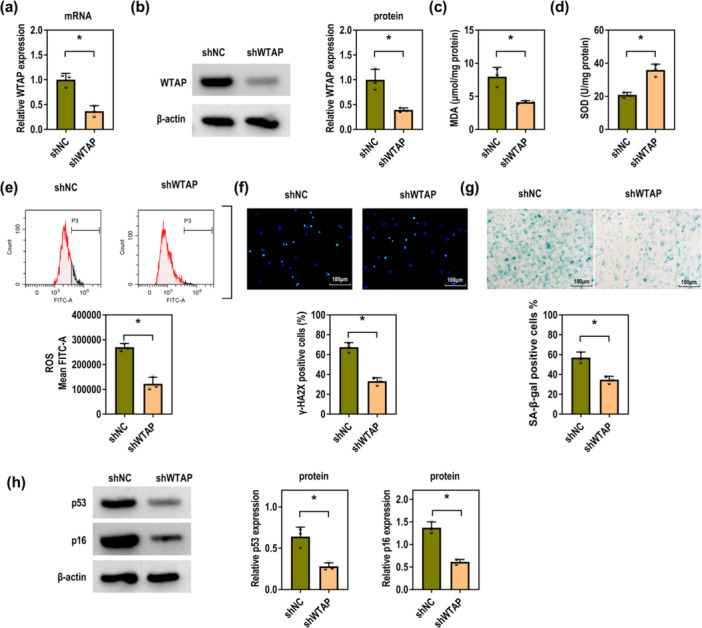 Figure 7
Peer Reviews
No public reviews on file for this paper yet. If you reviewed it on a platform where reviews are public (OpenReview, ICLR, NeurIPS, ICML), you can paste yours below so the community can read it here.
Videos
No videos yet. Explain this paper in a talk, walkthrough, or lecture? Add one.
Taxonomy
TopicsRNA modifications and cancer · Cancer-related gene regulation · Epigenetics and DNA Methylation