AquIRE reveals the mechanisms of clinically induced RNA damage and the conservation and dynamics of glycoRNAs
Zijian Zhang, Zornitsa Vasileva Kotopanova, Kexin Dang, Xiangxu Kong, Nicole Simms, Tin Wai Yuen, Lan Lam, Lauren Forbes Beadle, Emma Hilton, Taqdees Qureshi, Marianna Coppola, Callum David Holmes, Kwan Ting Kan, Mark Ashe, Patrick Gallois, Hilary Ashe, Michael Braun

TL;DR
This paper introduces AquIRE, a new method to study RNA modifications and damage, revealing insights into how drugs affect RNA and the role of glycoRNAs in various biological processes.
Contribution
AquIRE is a novel, sensitive method for quantifying RNA modifications and damage, enabling new discoveries about glycoRNAs and drug-induced RNA changes.
Findings
RNA damage is widespread and follows previously unappreciated temporal dynamics in response to clinical compounds.
AquIRE detects glycoRNAs across multiple species and identifies their dynamic expression during development and senescence.
Cell surface or cell-free RNA promotes the cytotoxicity of RNA-damaging chemotherapy.
Abstract
RNA is subject to many modifications, from small chemical changes like methylation to conjugation of biomolecules such as glycans. As well as endogenously written modifications, RNA is also exposed to damage induced by its environment. Certain clinical compounds are known to covalently modify RNA with a growing appreciation of how these impact clinical efficacy. To understand the regulation of these modifications, we need a reliable, sensitive, and rapid methodology for their quantification. Thus, we developed Aqueous Identification of RNA Elements (AquIRE) and applied it to the analysis of drug-induced RNA damage by 5FU, oxaliplatin, and temozolomide in clinically relevant cell models. We demonstrate that RNA damage is widespread and follows previously unappreciated temporal dynamics. AquIRE also provides a highly sensitive method to detect RNAs modified by glycans. We leverage this to…
Genes, proteins, chemicals, diseases, species, mutations and cell lines named across the full text — each resolved to its canonical identifier and authoritative record.
Click any figure to enlarge with its caption.
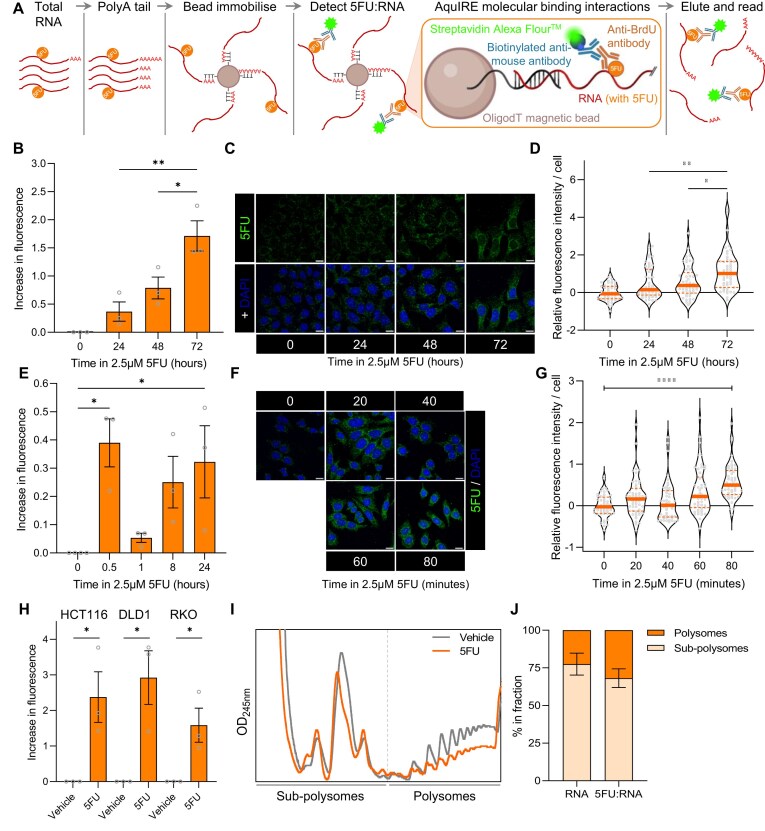 Figure 1
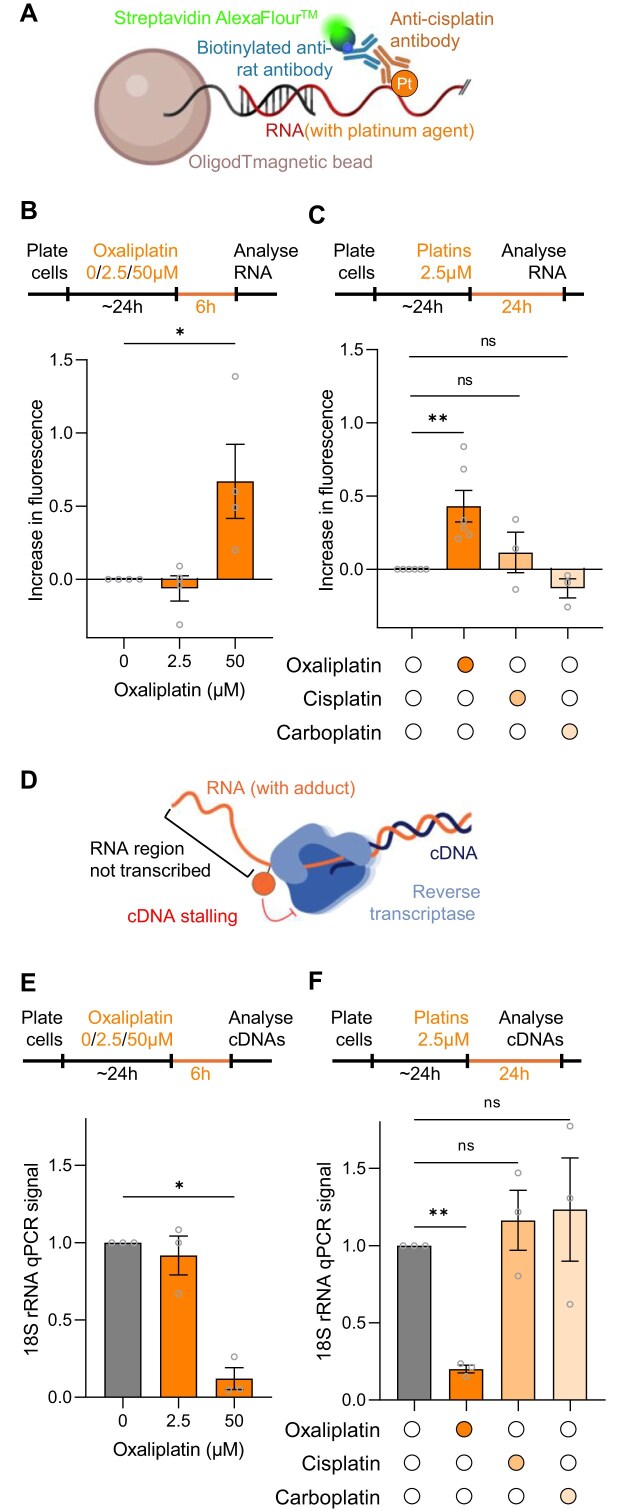 Figure 2
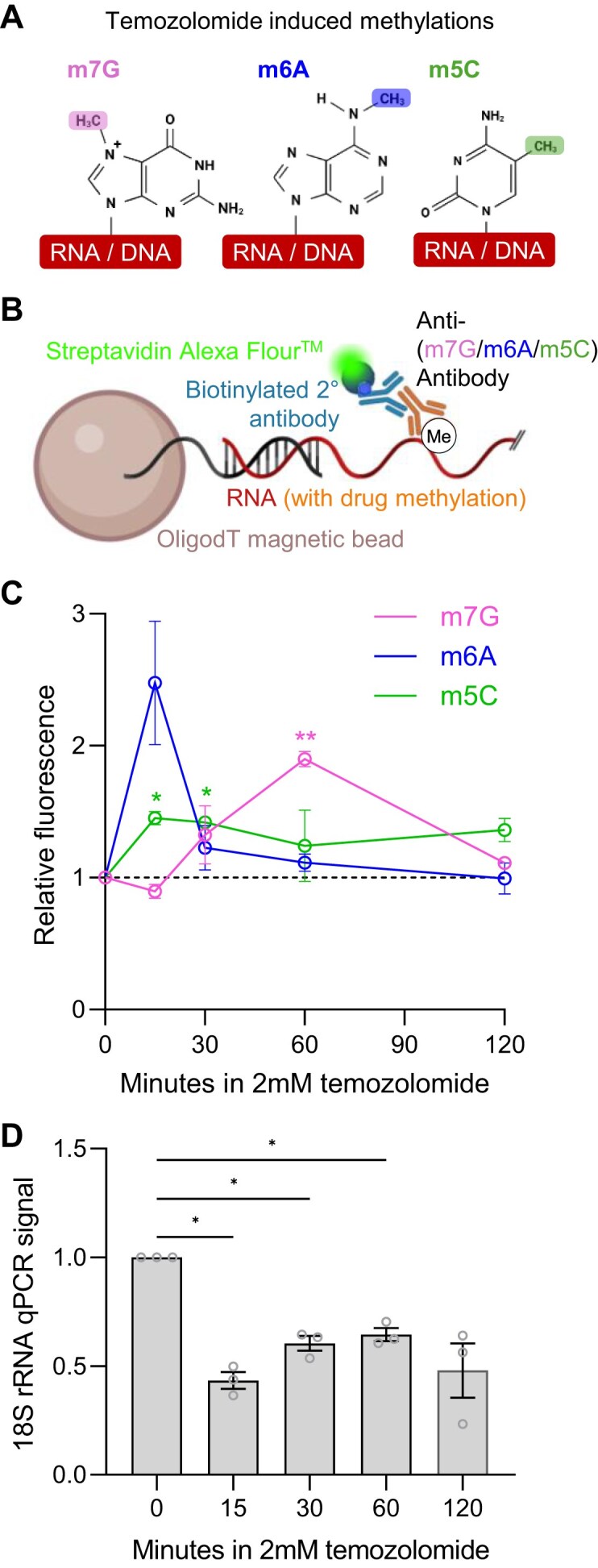 Figure 3
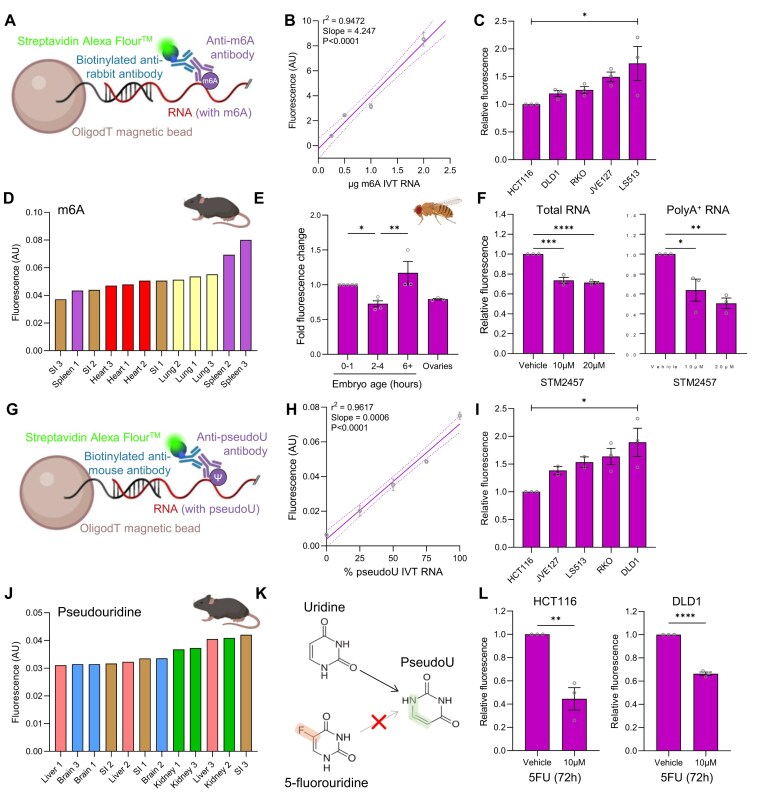 Figure 4
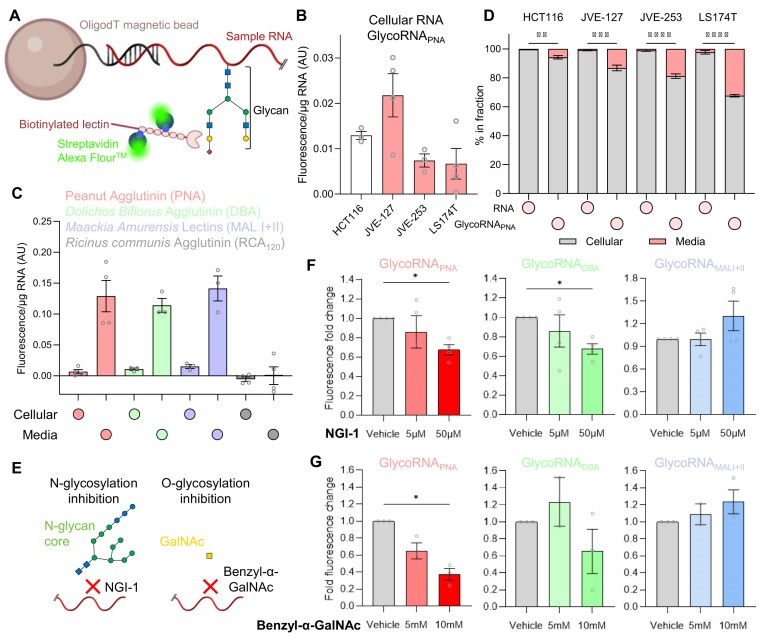 Figure 5
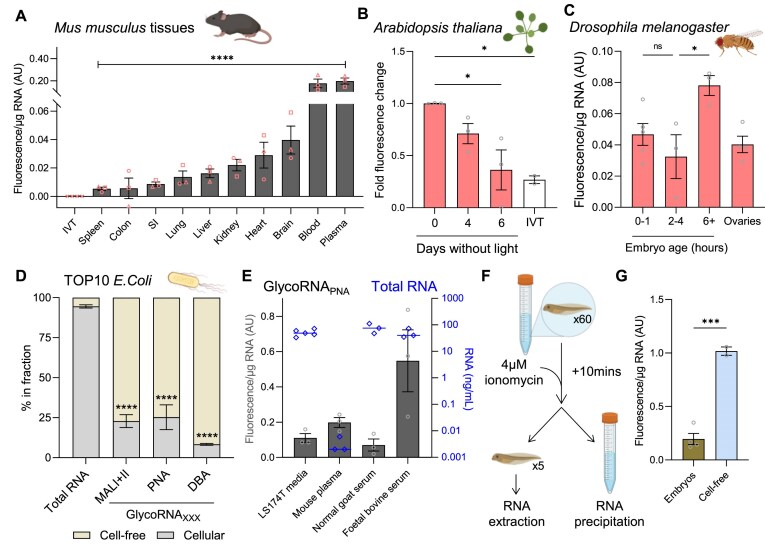 Figure 6
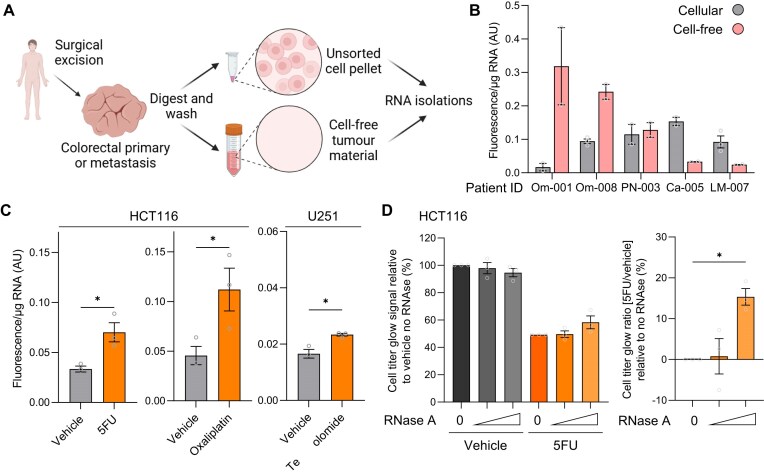 Figure 7
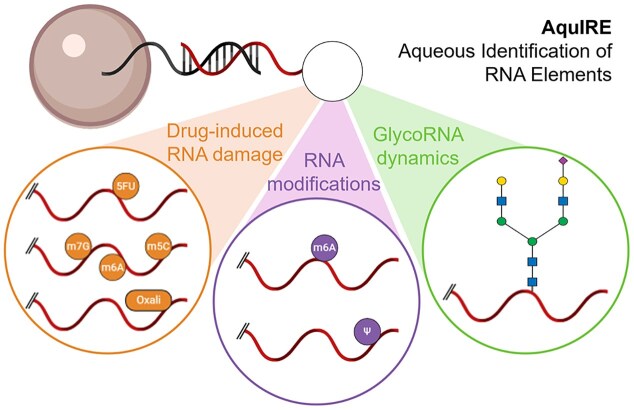 Figure 8
Peer Reviews
No public reviews on file for this paper yet. If you reviewed it on a platform where reviews are public (OpenReview, ICLR, NeurIPS, ICML), you can paste yours below so the community can read it here.
Videos
No videos yet. Explain this paper in a talk, walkthrough, or lecture? Add one.
Taxonomy
TopicsRNA modifications and cancer · MicroRNA in disease regulation · RNA Research and Splicing