Eye to eye with Thelazia-infected canids in Central European forests
Eszter Nagy, Rebeka Ráhel Nagy, Máté Miklós, Sándor Szekeres, Bawan Mustafa Abdalrahman, Gábor Földvári, Lajos Rózsa, Éva Fok, Tamás Sréter, Tamás Tari, Melinda Kovács, Ágnes Csivincsik, Gábor Nagy

TL;DR
The study found the eyeworm Thelazia callipaeda in red foxes and golden jackals in Hungary, suggesting a link between beech forests and infection spread.
Contribution
The study provides the first comprehensive surveillance of Thelazia callipaeda in wild carnivores in the Carpathian Basin.
Findings
Thelazia callipaeda was found in red foxes and golden jackals in southwestern Hungary.
Mustelids tested negative for the parasite.
Beech forests were associated with increased infection risk.
Abstract
The oriental eyeworm Thelazia callipaeda has been present in Europe since the late 1980s. Its occurrence in the Carpathian Basin has been known since 2014. Despite the central position of Hungary in the radial expansion of T. callipaeda in Central and Eastern Europe, no comprehensive surveillance has been conducted to date to determine the reservoir role of wild carnivores within the Carpathian Basin. The study involved the analysis of samples from 180 red foxes (Vulpes vulpes), 119 European badgers (Meles meles), 62 golden jackals (Canis aureus), and 10 stone martens (Martes foina) harvested in the framework of an authorised wildlife management programme. Among the mustelids (family Mustelidae), no infected individuals were found. In the red fox, prevalence and mean intensity were 12.2% (95% CI: 8.0–18.0%) and 2.6 (95% CI: 1.7–4.9), respectively; while in the golden jackal, these…
Genes, proteins, chemicals, diseases, species, mutations and cell lines named across the full text — each resolved to its canonical identifier and authoritative record.
Click any figure to enlarge with its caption.
 Figure 1
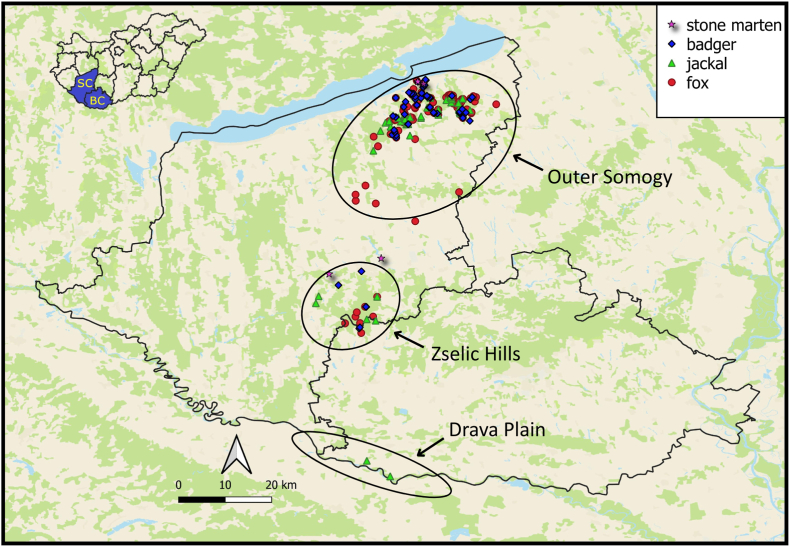 Figure 2
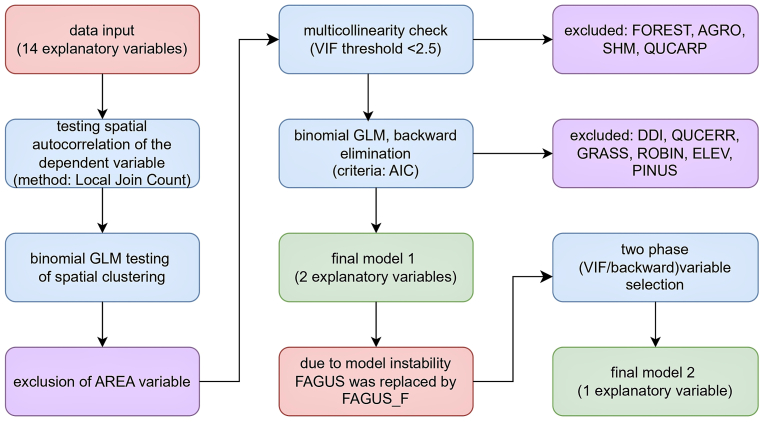 Figure 3
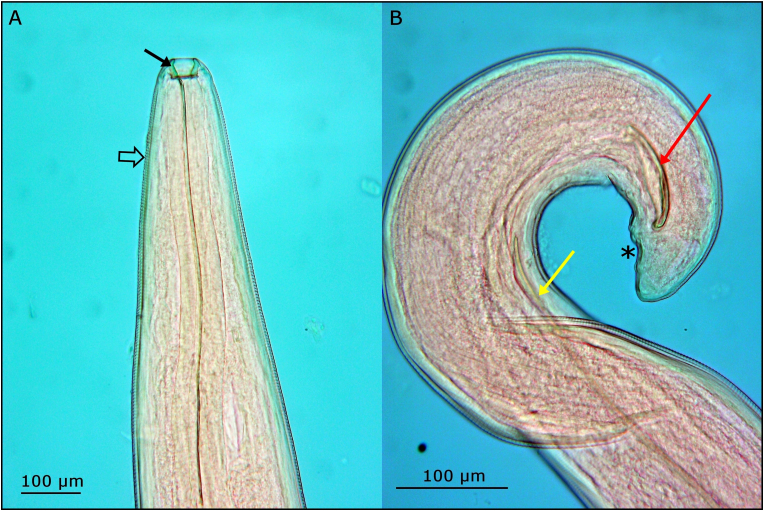 Figure 4
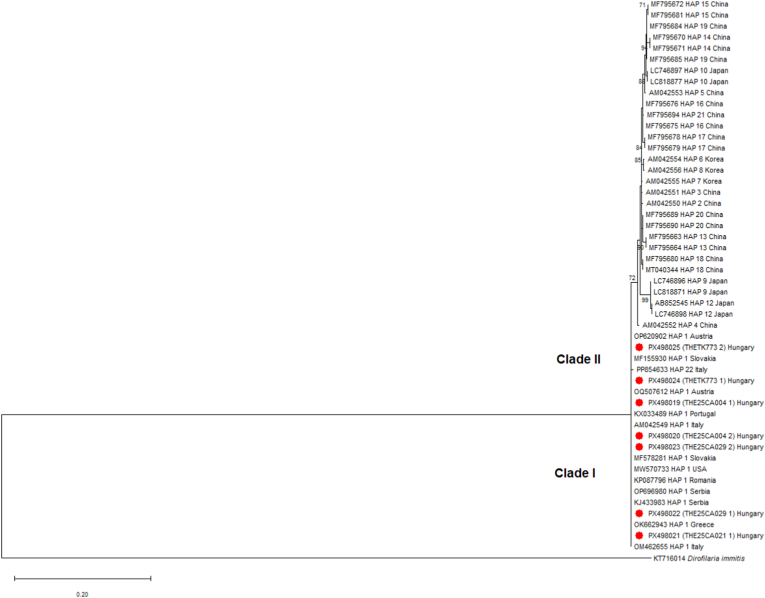 Figure 5
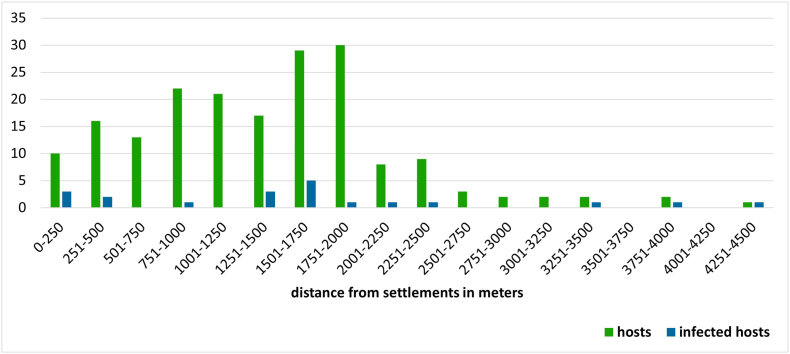 Figure 6
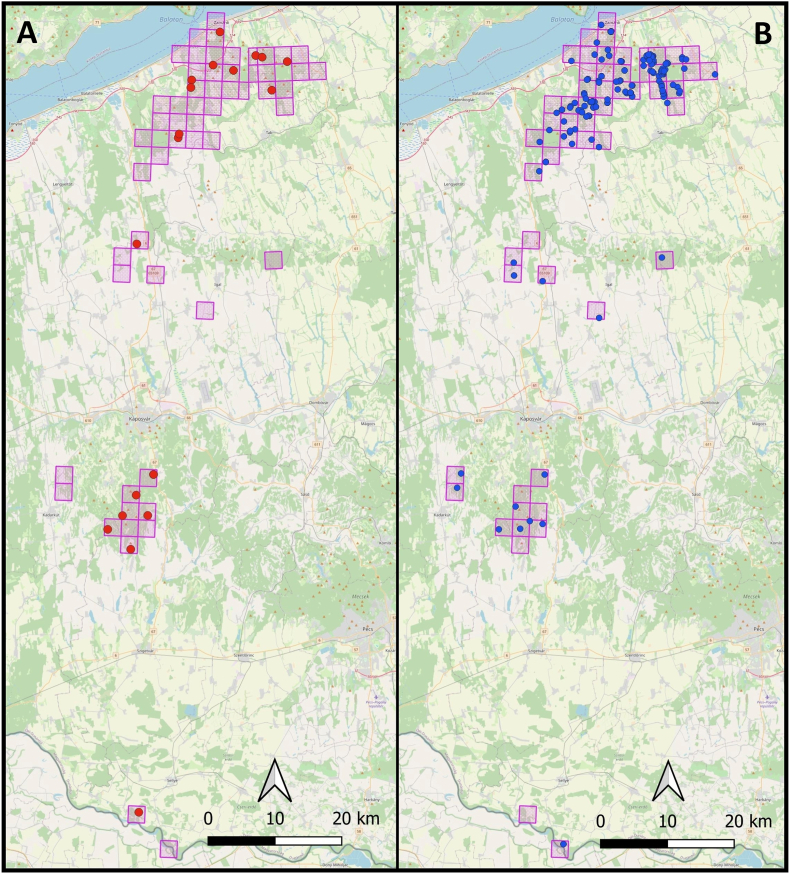 Figure 7
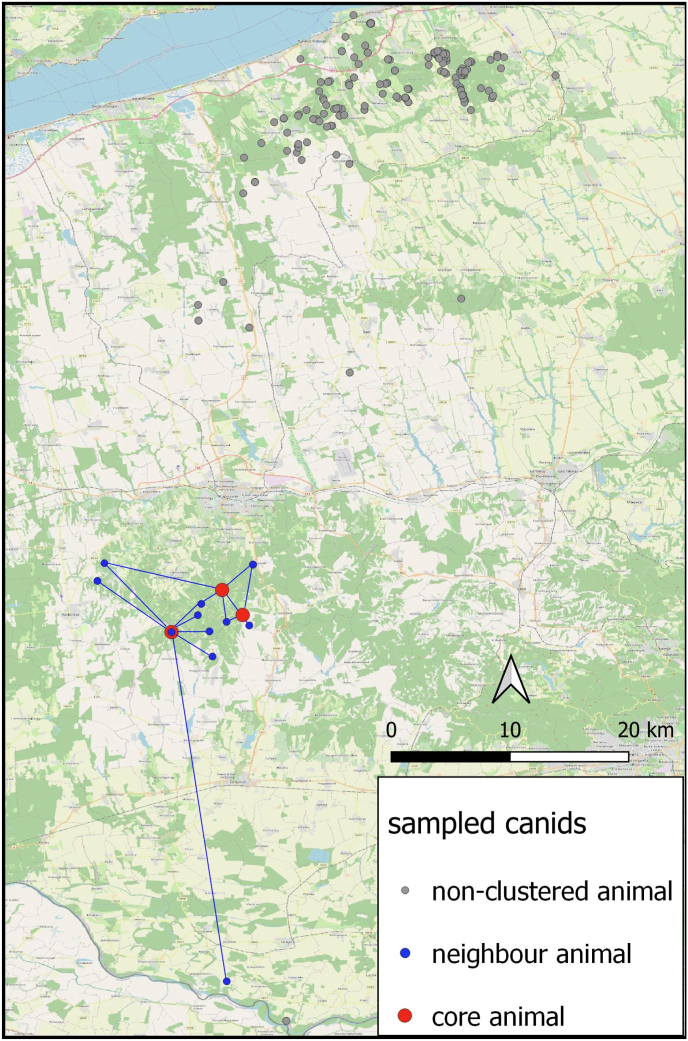 Figure 8
Peer Reviews
No public reviews on file for this paper yet. If you reviewed it on a platform where reviews are public (OpenReview, ICLR, NeurIPS, ICML), you can paste yours below so the community can read it here.
Videos
No videos yet. Explain this paper in a talk, walkthrough, or lecture? Add one.
Taxonomy
TopicsParasitic Diseases Research and Treatment · Mollusks and Parasites Studies · Planarian Biology and Electrostimulation