The genome sequence of the white-lipped garden snail, Cepaea hortensis (Müller, 1774) (Stylommatophora: Helicidae)
Chris Wade, Angus Davison, Maitrya Sil, Craig Wilding

TL;DR
This paper presents the genome sequence of the white-lipped garden snail, including a detailed assembly and gene annotation as part of a larger project to map British and Irish eukaryotic species.
Contribution
The paper provides a high-quality reference genome for Cepaea hortensis, including chromosomal scaffolding and mitochondrial genome assembly.
Findings
The genome assembly is 3,168.99 megabases long, with 97.52% scaffolded into 22 chromosomal pseudomolecules.
The mitochondrial genome is 15.08 kilobases in length and has been fully assembled.
Gene annotation identified 17,974 protein-coding genes using Ensembl.
Abstract
We present a genome assembly from an individual Cepaea hortensis (white-lipped garden snail; Mollusca; Gastropoda; Stylommatophora; Helicidae). The genome sequence has a total length of 3 168.99 megabases. Most of the assembly (97.52%) is scaffolded into 22 chromosomal pseudomolecules. The mitochondrial genome has also been assembled, with a length of 15.08 kilobases. Gene annotation of this assembly on Ensembl identified 17 974 protein-coding genes. This assembly was generated as part of the Darwin Tree of Life project, which produces reference genomes for eukaryotic species found in Britain and Ireland.
Genes, proteins, chemicals, diseases, species, mutations and cell lines named across the full text — each resolved to its canonical identifier and authoritative record.
Click any figure to enlarge with its caption.
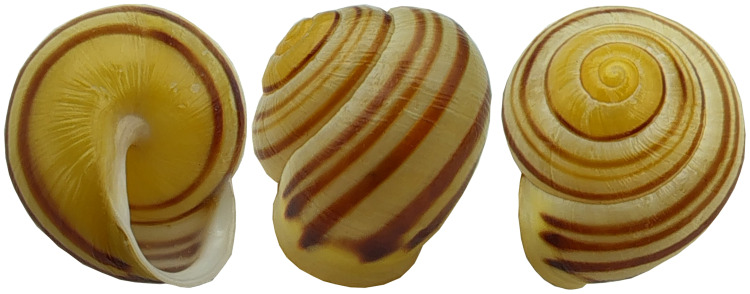 Figure 1
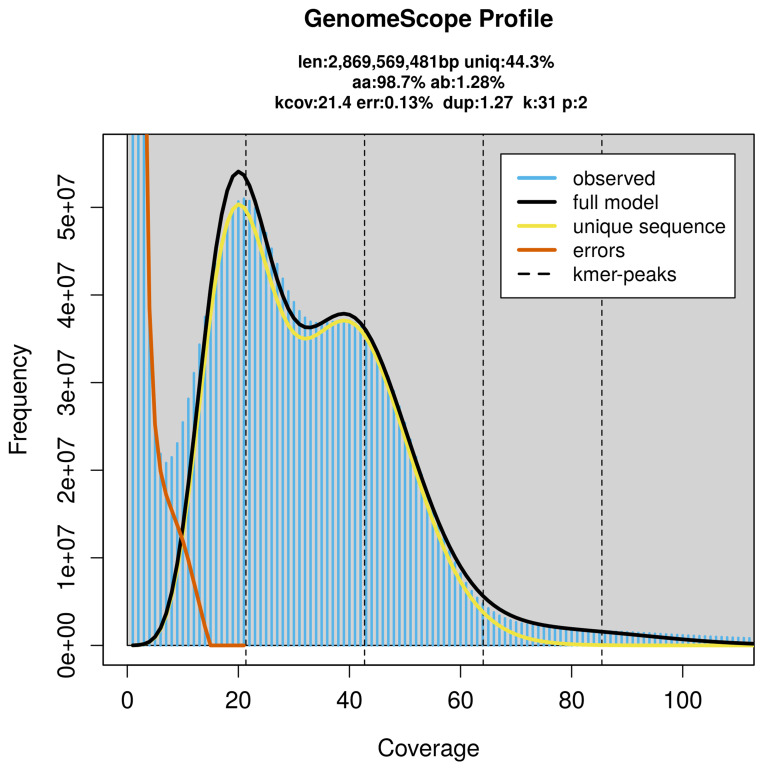 Figure 2
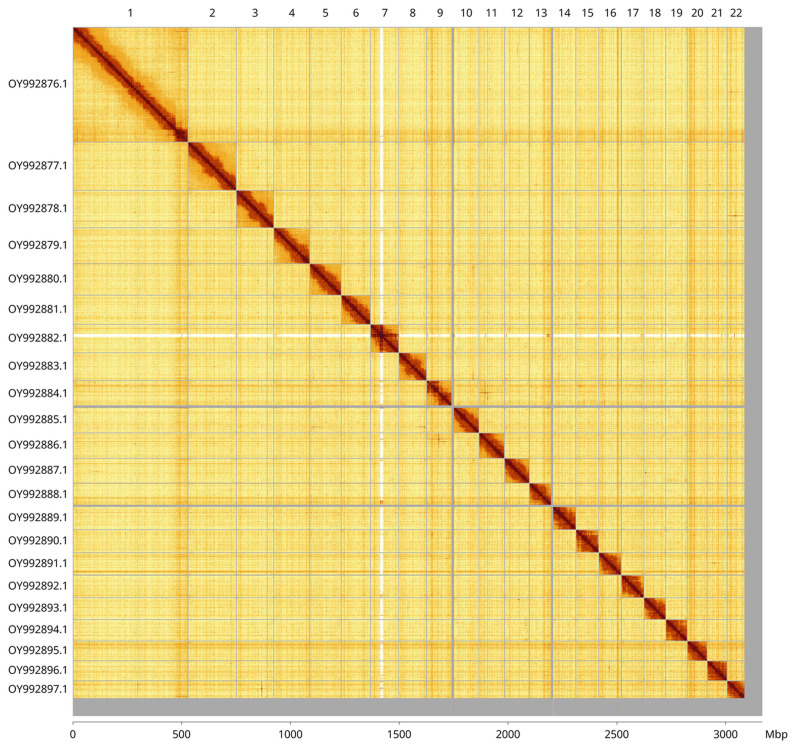 Figure 3
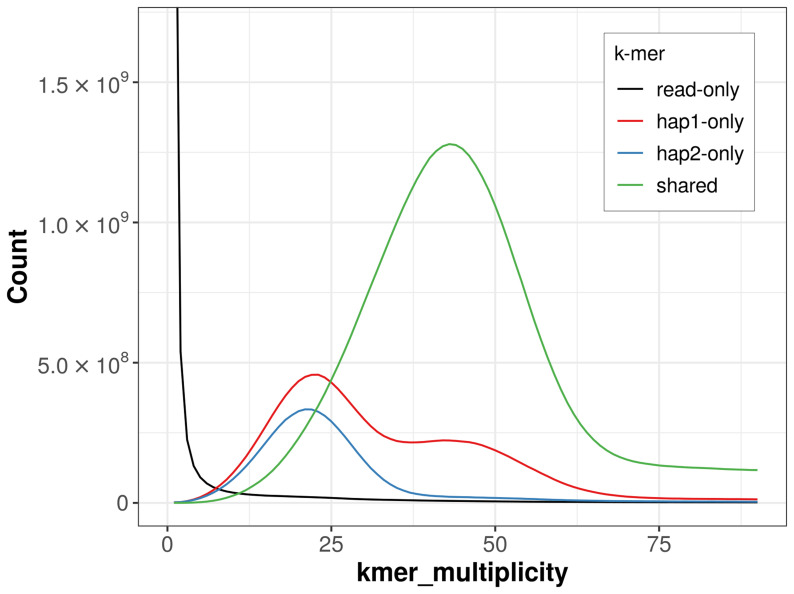 Figure 4
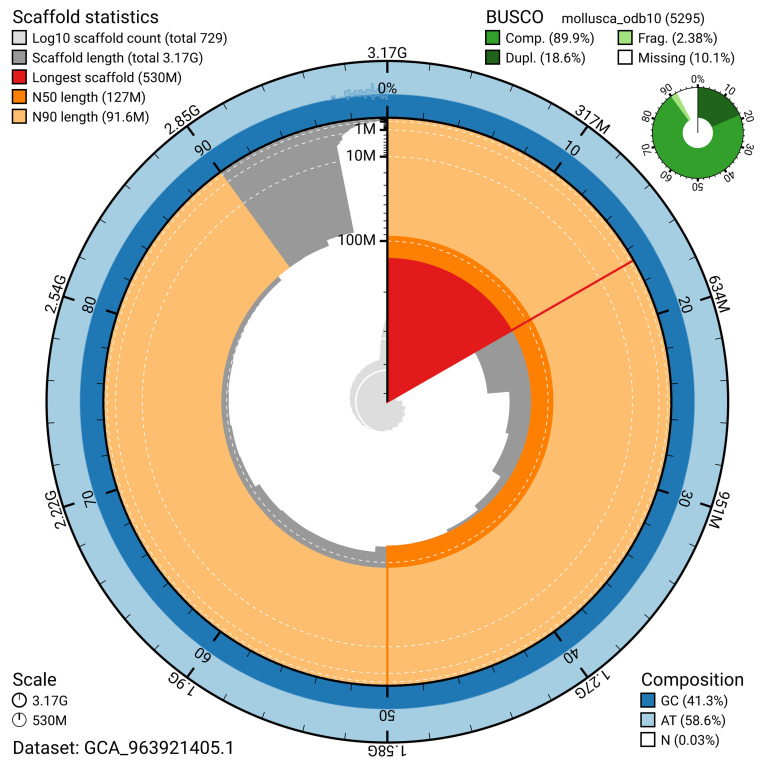 Figure 5
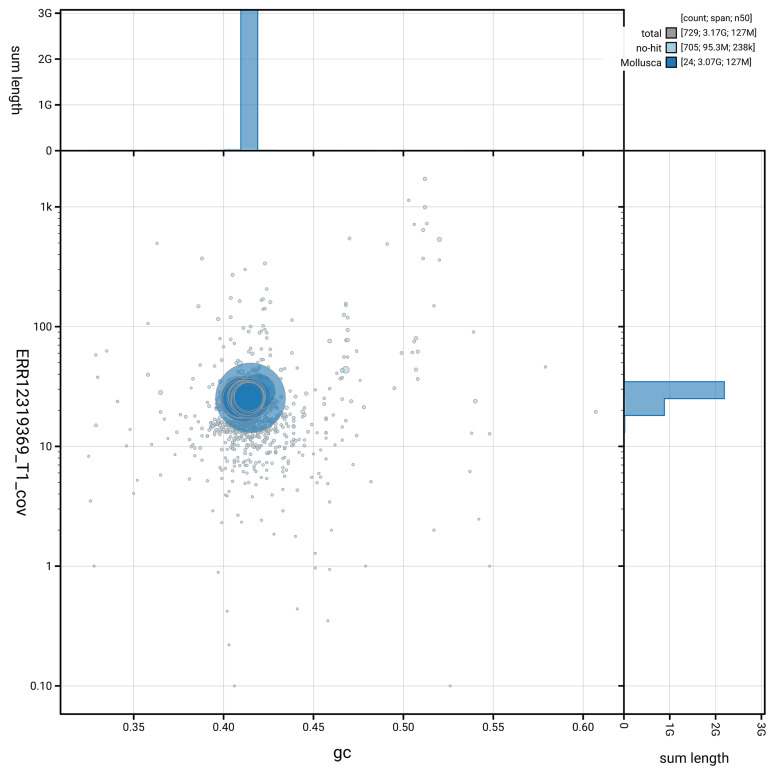 Figure 6
Peer Reviews
No public reviews on file for this paper yet. If you reviewed it on a platform where reviews are public (OpenReview, ICLR, NeurIPS, ICML), you can paste yours below so the community can read it here.
Videos
No videos yet. Explain this paper in a talk, walkthrough, or lecture? Add one.
Taxonomy
TopicsMollusks and Parasites Studies · Genomics and Phylogenetic Studies · Helminth infection and control