Understanding the high electronic quantum similarity of a series of ligands used as inhibitors of the SARS-CoV-2 virus by molecular mechanics and density functional theory approaches
Alejandro Morales-Bayuelo, Jesús Sánchez-Márquez, Kiran Bharat Lokhande, Alejandro Morales-Bayuelo, Alejandro Morales-Bayuelo, Ramon Carbó-Dorca, Ahmed Metwaly

TL;DR
This study analyzes ligands that inhibit the SARS-CoV-2 virus to understand their electronic similarity and interactions with the virus's RNA polymerase.
Contribution
The paper introduces a novel approach combining molecular mechanics and density functional theory to study ligand inhibition of SARS-CoV-2.
Findings
Ligands with high RMSD conformations interact with key residues like LYS621 and ARG555.
Electronic similarity indices are higher than structural similarity indices among ligands.
Findings provide insights for designing new treatments by explaining ligand stabilization in the active site.
Abstract
Background: A coronavirus identified in 2019, SARS-CoV-2, has caused a pandemic of respiratory illness, called COVID-19. Most people with COVID-19 experience mild to moderate symptoms and recover without the need for special treatments. The SARS‑CoV‑2 RNA‑dependent RNA polymerase (RdRp) plays a crucial role in the viral life cycle. The active site of the RdRp is a very accessible region, so targeting this region to study the inhibition of viral replication may be an effective therapeutic approach. For this reason, this study has selected and analysed a series of ligands used as SARS-CoV-2 virus inhibitors, namely: Darunavir (Daru), Dexamethasona (Dexame), Dolutegravir (Dolu), Fosamprenavir (Fosam), Ganciclovir (Gan), Insoine (Inso), Lopinavir (Lop), Ritonavir (Rito) and Tipranavir (Tipra). Methods: These ligands were analyzed using molecular docking, molecular quantum similarity using…
Genes, proteins, chemicals, diseases, species, mutations and cell lines named across the full text — each resolved to its canonical identifier and authoritative record.
Click any figure to enlarge with its caption.
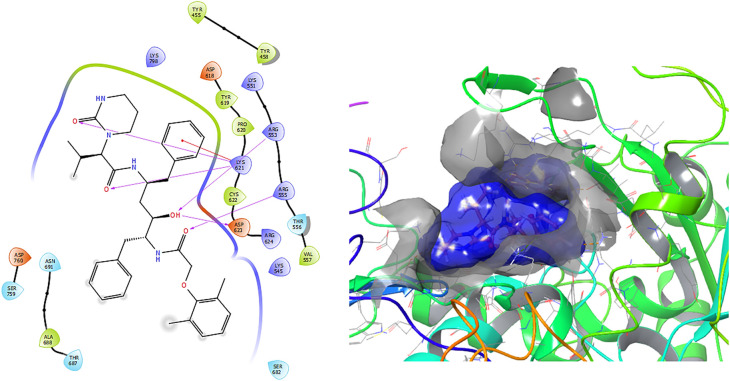 Figure 1
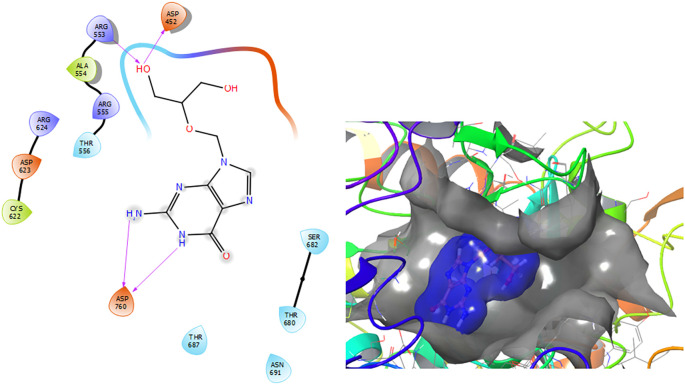 Figure 2
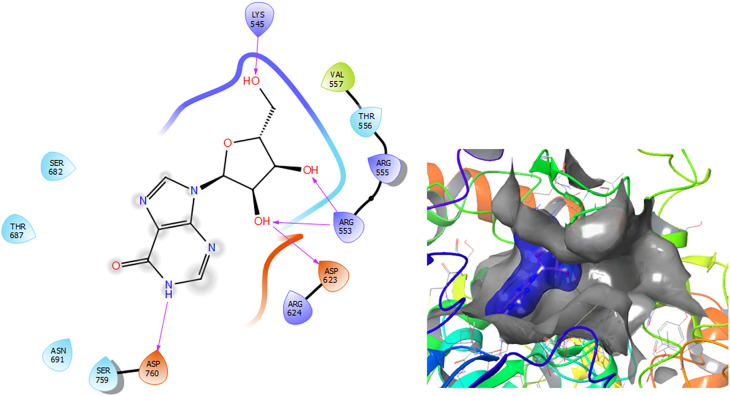 Figure 3
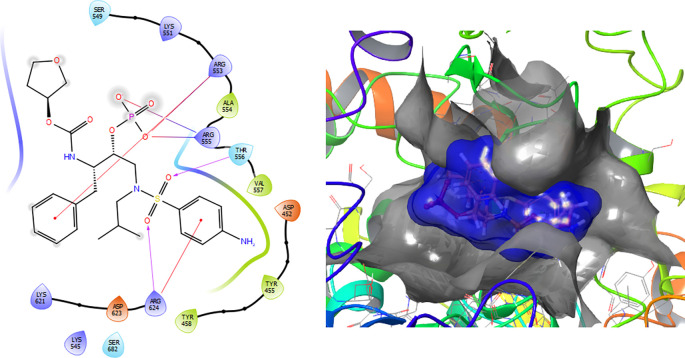 Figure 4
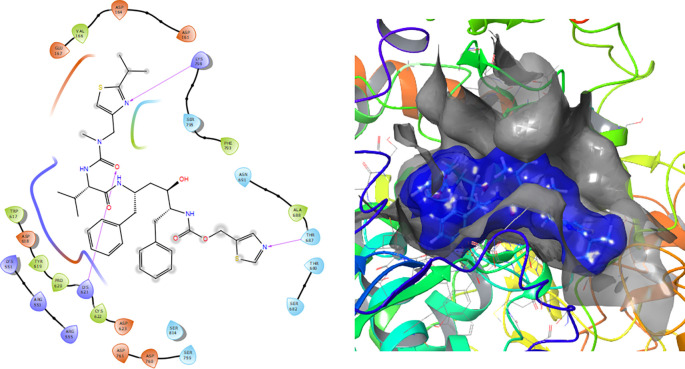 Figure 5
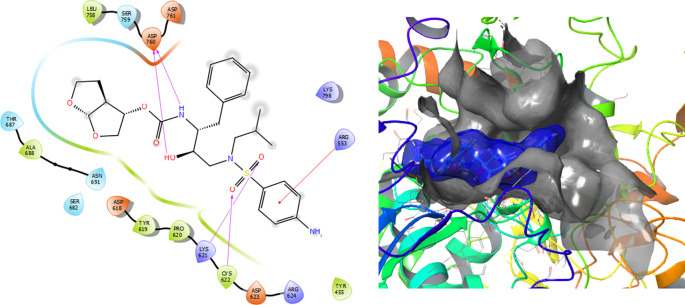 Figure 6
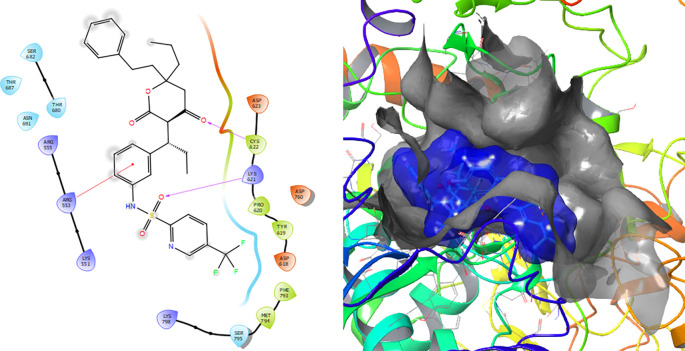 Figure 7
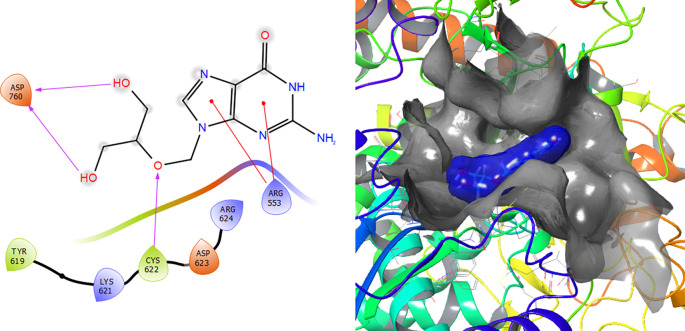 Figure 8
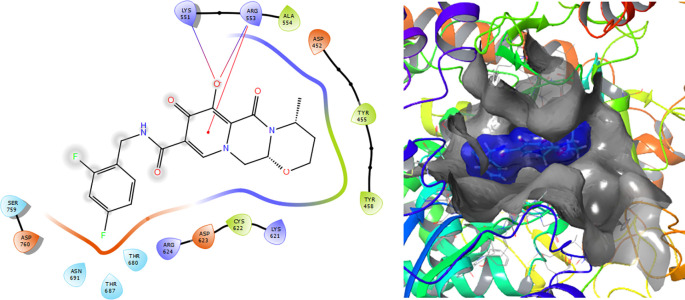 Figure 9
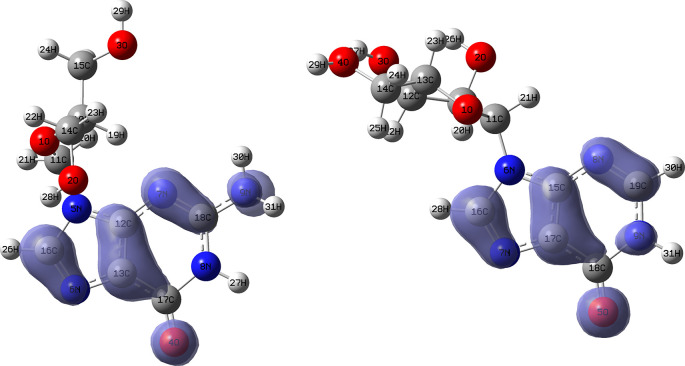 Figure 10
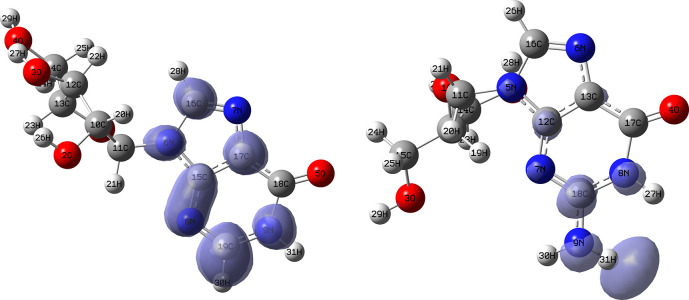 Figure 11
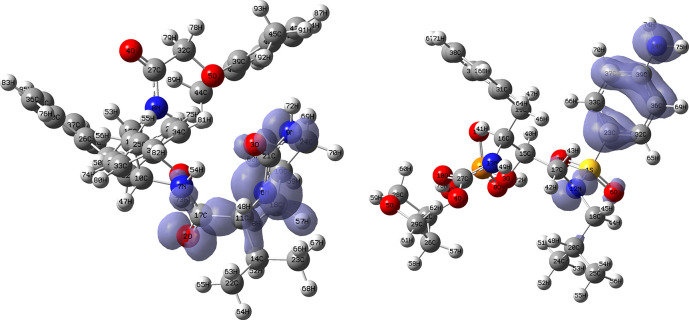 Figure 12
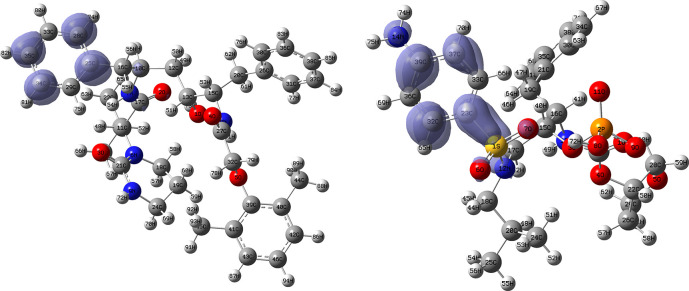 Figure 13
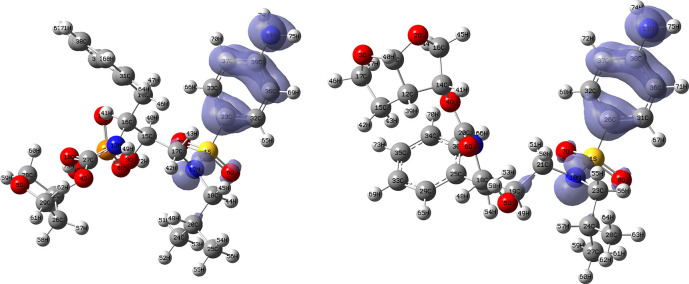 Figure 14
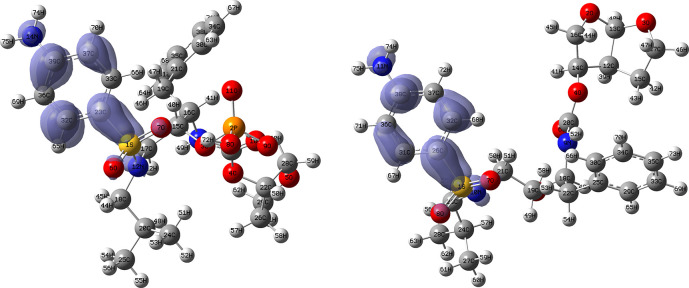 Figure 15
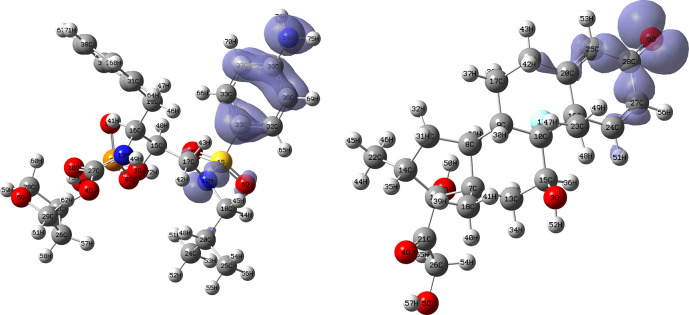 Figure 16
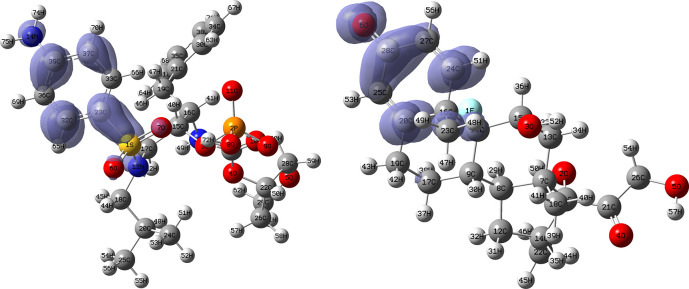 Figure 17
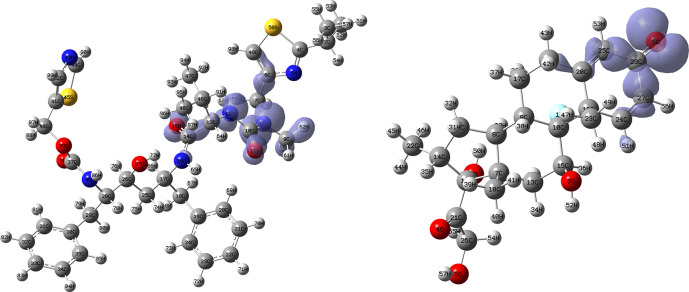 Figure 18
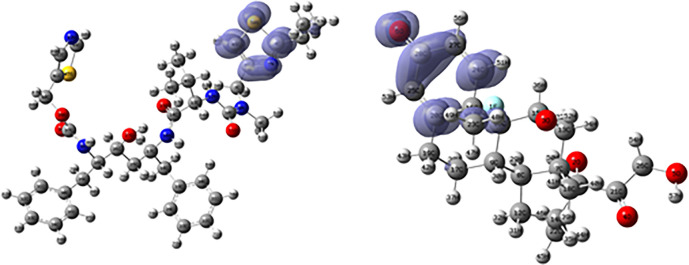 Figure 19
Peer Reviews
No public reviews on file for this paper yet. If you reviewed it on a platform where reviews are public (OpenReview, ICLR, NeurIPS, ICML), you can paste yours below so the community can read it here.
Videos
No videos yet. Explain this paper in a talk, walkthrough, or lecture? Add one.
Taxonomy
TopicsComputational Drug Discovery Methods · Synthesis and biological activity · Nonlinear Optical Materials Research