Loss of SPECC1L in cranial neural crest cells results in increased hedgehog signaling and frontonasal dysplasia
An J. Tran, Brittany M. Hufft-Martinez, Dana N. Thalman, Lorena Maili, Sean A. McKinney, Jeremy P. Goering, Paul A. Trainor, Irfan Saadi

TL;DR
Deleting the SPECC1L gene in cranial neural crest cells in mice causes facial abnormalities similar to those seen in a human genetic syndrome.
Contribution
A new mouse model shows that SPECC1L loss in neural crest cells leads to craniofacial defects via increased Hedgehog signaling.
Findings
SPECC1L deletion in cranial neural crest cells causes shortened skulls and nasal defects in mice.
Loss of SPECC1L results in shortened primary cilia and increased Hedgehog signaling activity in cranial mesenchyme.
Early facial defects in Specc1lΔCNCC mice suggest developmental origins of adult craniofacial abnormalities.
Abstract
SPECC1L encodes a cytoskeletal scaffolding protein that interacts with filamentous actin, microtubules, and cell junctional components. In humans, autosomal dominant mutations in SPECC1L cause a syndrome characterized by craniofrontonasal anomalies including broad nasal bridge, ocular hypertelorism, prominent forehead, and cleft lip/palate. Complete loss of SPECC1L in mice on a homogeneous genetic background results in perinatal lethality, accompanied by subtle cranial differences and incompletely penetrant cleft palate. This lethality limits postnatal analysis of craniofacial development. Because cranial neural crest cells (CNCCs) contribute extensively to the formation of anterior craniofacial structures, we investigated whether disruption of SPECC1L in CNCCs contributes to the craniofrontonasal phenotypes observed in SPECC1L-related syndrome. We generated a Specc1l-floxed allele and…
Genes, proteins, chemicals, diseases, species, mutations and cell lines named across the full text — each resolved to its canonical identifier and authoritative record.
Click any figure to enlarge with its caption.
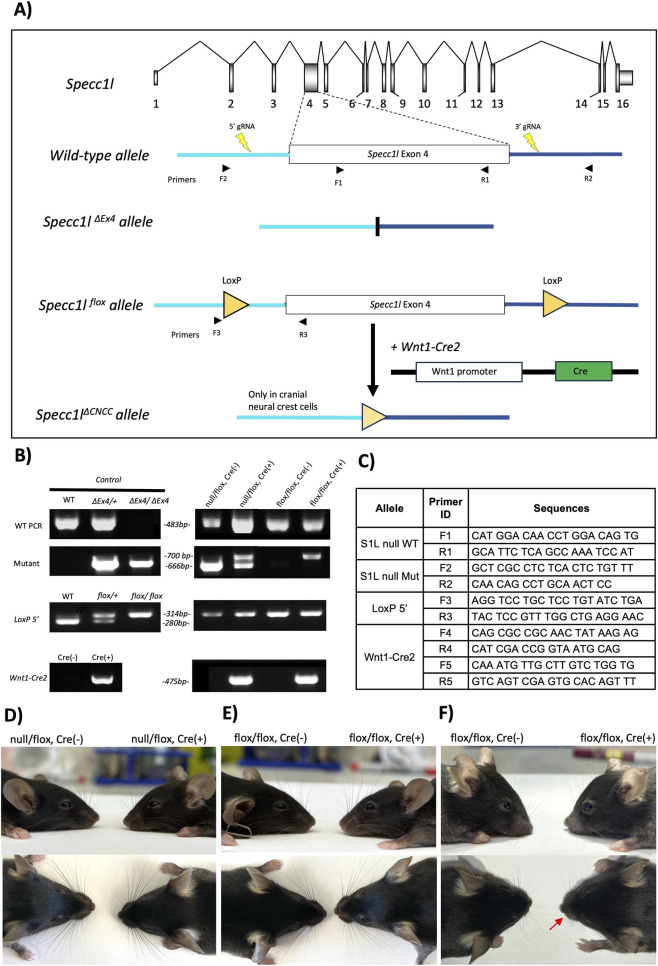 Figure 1
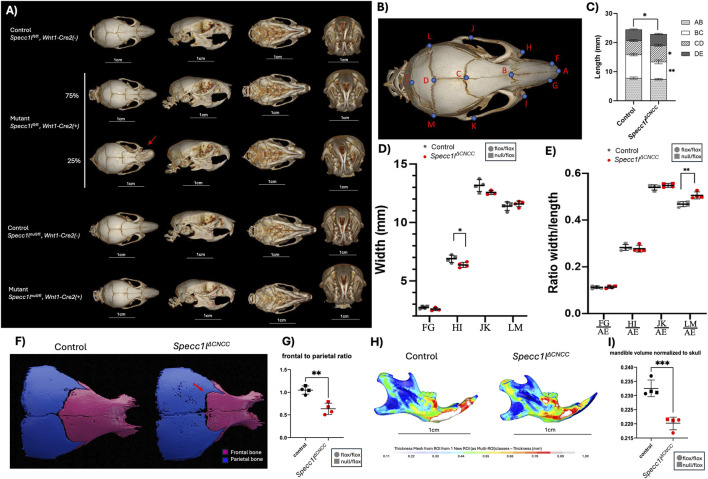 Figure 2
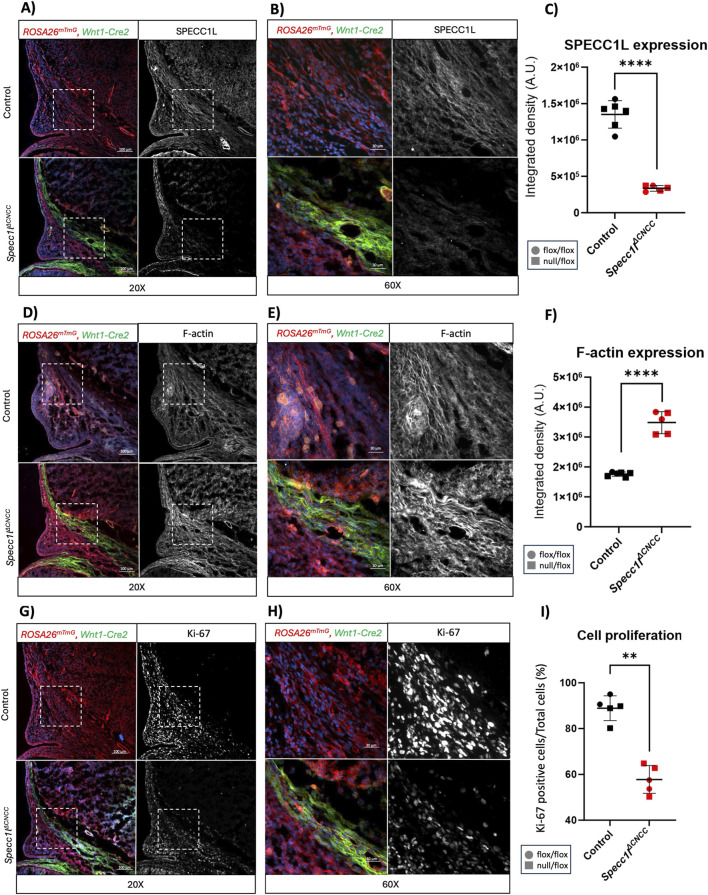 Figure 3
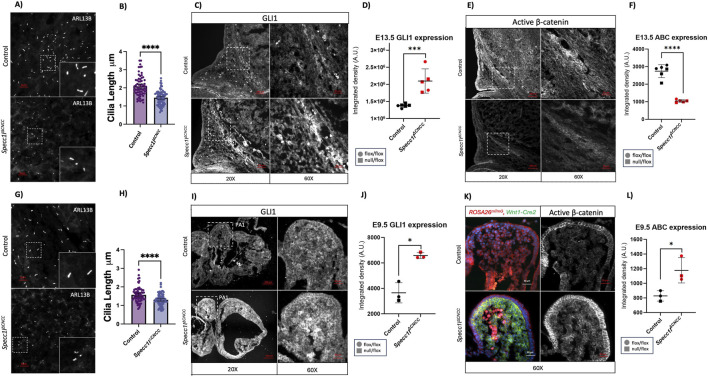 Figure 4
Peer Reviews
No public reviews on file for this paper yet. If you reviewed it on a platform where reviews are public (OpenReview, ICLR, NeurIPS, ICML), you can paste yours below so the community can read it here.
Videos
No videos yet. Explain this paper in a talk, walkthrough, or lecture? Add one.
Taxonomy
TopicsHedgehog Signaling Pathway Studies · Craniofacial Disorders and Treatments · Cleft Lip and Palate Research