Metabolomic Analysis of Phytophthora parasitica Growth in the Presence of β‐sitosterol Indicates Adaptive Mechanisms Modulated by Sterols
Pâmela Ponce Martins, Evandro Silva, Marcus Vinicius Fernandes Prior, João Marcos Martins Ferreira, Marina Erê Pimenta Santos, Flavia Rodrigues Alves Patrício, Taicia Pacheco Fill, Jorge Maurício Costa Mondego

TL;DR
This study explores how β-sitosterol affects the metabolism of the plant pathogen Phytophthora parasitica, revealing adaptive changes that could influence its growth and pathogenicity.
Contribution
The study reveals novel metabolic reprogramming in Phytophthora parasitica in response to β-sitosterol, highlighting potential roles in environmental adaptation.
Findings
Mycelial growth was not significantly affected by β-sitosterol concentrations.
Differential production of sphinganine, histidine, and methylthioadenosine was observed in the presence of β-sitosterol.
Metabolic reprogramming suggests adaptive mechanisms linked to sterol modulation in the oomycete.
Abstract
Phytophthora parasitica is a generalist phytopathogenic oomycete that infects a series of crops with great economic interest, including tomato, tobacco, and citrus species. Sterols are essential lipids in eukaryotic organisms, playing a fundamental role in the structure and function of the cell membrane. Oomycete from Peronosporales order, including Phytophthora spp., are known for their inability to synthesize sterols, a characteristic that distinguishes them from many other organisms and influences their biology and pathogenicity. This dependence is not only crucial for zoospore sporulation but also for vegetative growth. Following the scenario at which sterol auxotrophy can interfere in the metabolism of such important phytopathogen, in this study we investigate whether β‐sitosterol modulates the metabolome of P. parasitica and its vegetative growth. For that, we used liquid…
Genes, proteins, chemicals, diseases, species, mutations and cell lines named across the full text — each resolved to its canonical identifier and authoritative record.
Click any figure to enlarge with its caption.
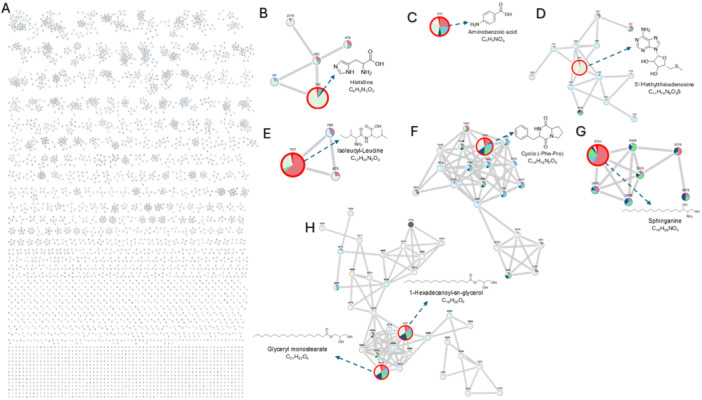 Figure 1
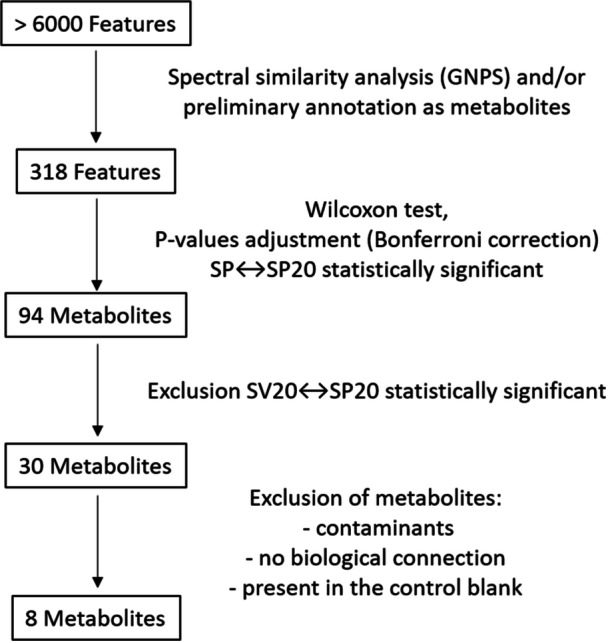 Figure 2
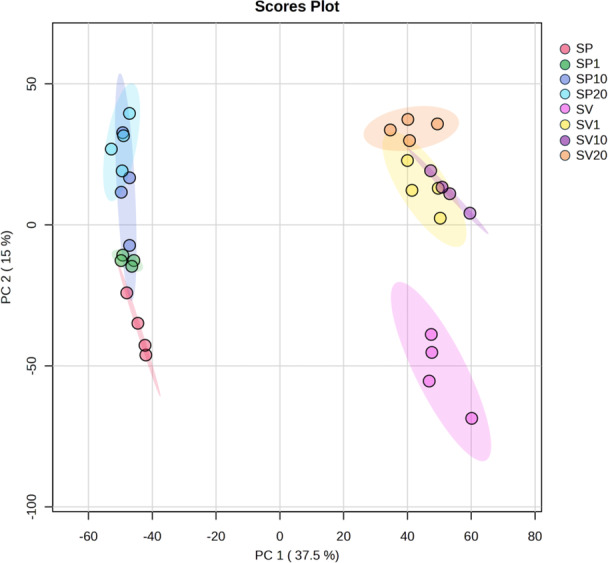 Figure 3
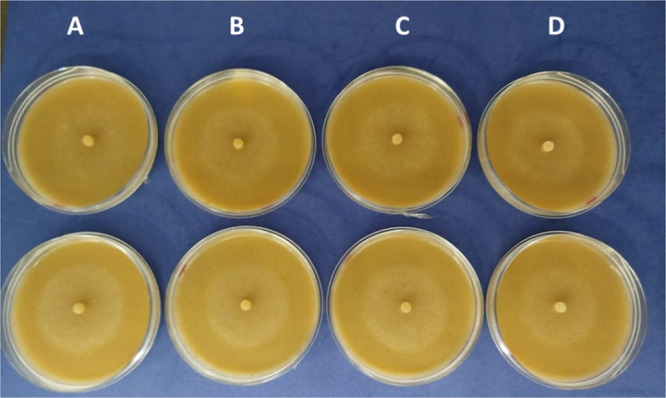 Figure 4
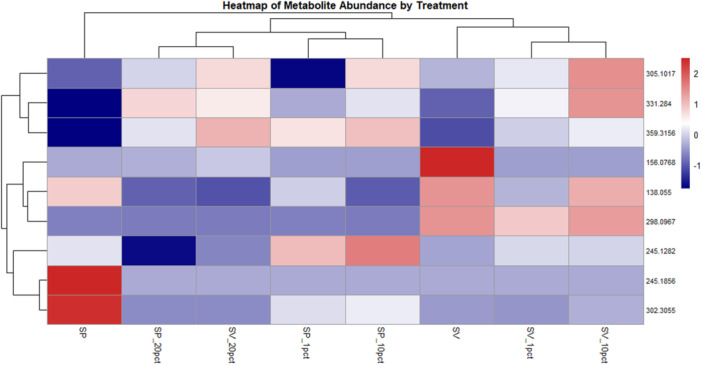 Figure 5
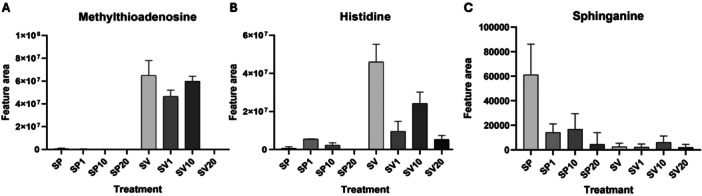 Figure 6
Peer Reviews
No public reviews on file for this paper yet. If you reviewed it on a platform where reviews are public (OpenReview, ICLR, NeurIPS, ICML), you can paste yours below so the community can read it here.
Videos
No videos yet. Explain this paper in a talk, walkthrough, or lecture? Add one.
Taxonomy
TopicsSphingolipid Metabolism and Signaling · Plant Pathogens and Resistance · Parasitic infections in humans and animals