Cooperative Mineralisation of the Fragrance Ingredient 2‐Cyclohexylidene‐2‐Phenylacetonitrile by a Consortium of a Variovorax and an Acidovorax Strain Isolated From Activated Sludge
Tina Haupt, Arturo Mendoza, Yumiko Weiner‐Sekiya, Karen Jenner, Georg Kreutzer, Andreas Natsch

TL;DR
A fragrance ingredient called Peonile is ultimately biodegradable through cooperation between two bacteria found in sewage sludge.
Contribution
This is one of the first examples of cooperative mineralisation of a xenobiotic by specific bacteria in sewage sludge.
Findings
Peonile is mineralised through a bi-phasic process involving Acidovorax and Variovorax bacteria.
The Acidovorax strains degrade the phenyl ring of Peonile, and the Variovorax strain degrades the resulting metabolite.
The cooperative action of the two bacteria explains the bi-phasic mineralisation curve observed in the adapted sludge.
Abstract
To be considered ultimately biodegradable, a substance needs to reach ≥ 60% mineralisation in screening tests. Ultimate biodegradability can also be studied with targeted studies, for example, using an inoculum after enrichment or isolated bacteria. Here, degradation of 2‐cyclohexylidene‐2‐phenylacetonitrile (Peonile) was studied. Peonile is composed of biodegradable substructures and does not have typical nonbiodegradable motifs, such as extensive alkyl‐branching or quaternary carbon atoms, yet it fails ready biodegradability tests. An adapted sludge was able to mineralise Peonile with a bi‐phasic curve. Two Acidovorax strains isolated from this inoculum degrade the phenyl ring of Peonile, generating the metabolite 2‐cyano‐2‐cyclohexylideneacetic acid. A Variovorax strain degrading this metabolite was isolated at the end of a mineralisation experiment with the adapted inoculum. A…
Genes, proteins, chemicals, diseases, species, mutations and cell lines named across the full text — each resolved to its canonical identifier and authoritative record.
Click any figure to enlarge with its caption.
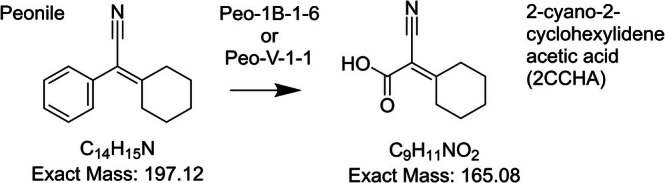 Figure 1
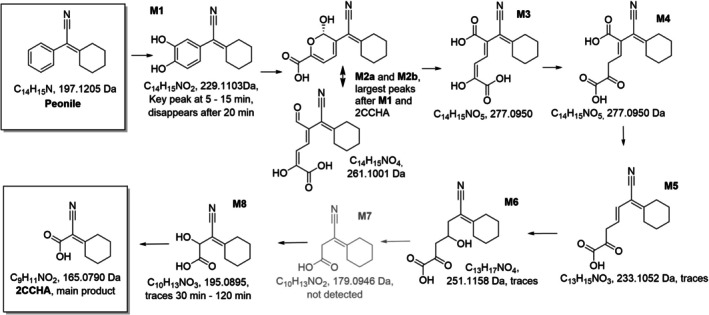 Figure 2
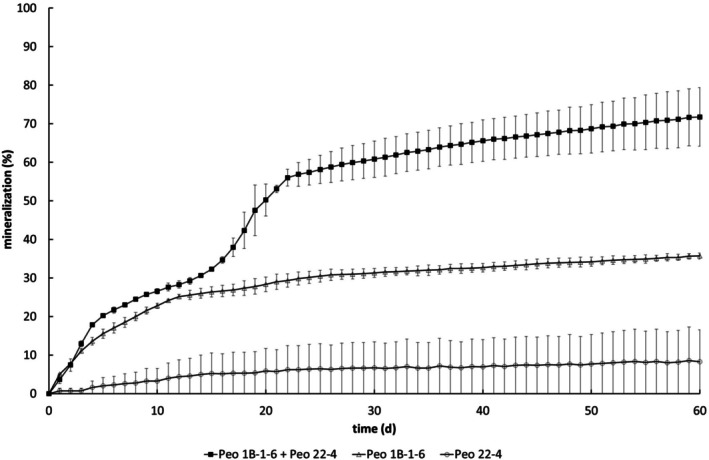 Figure 3
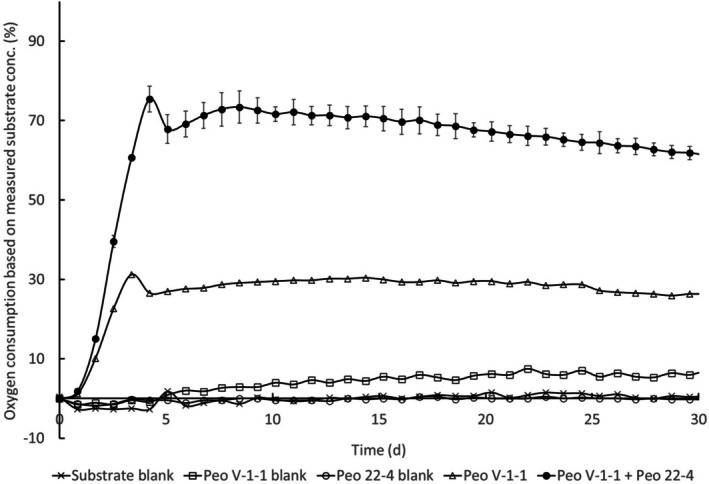 Figure 4
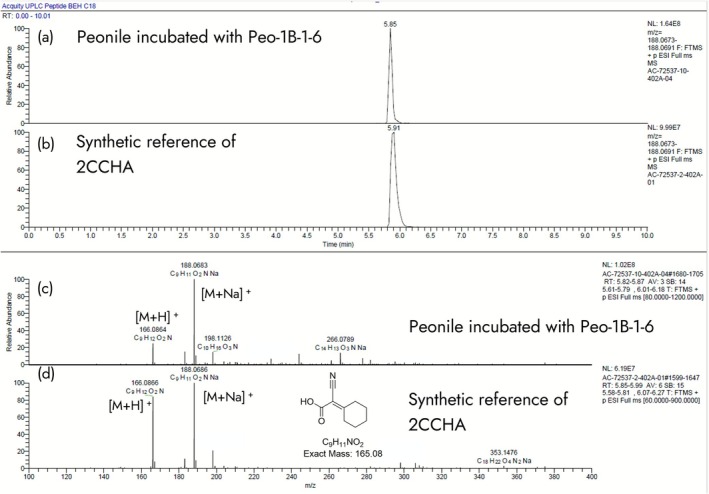 Figure 5
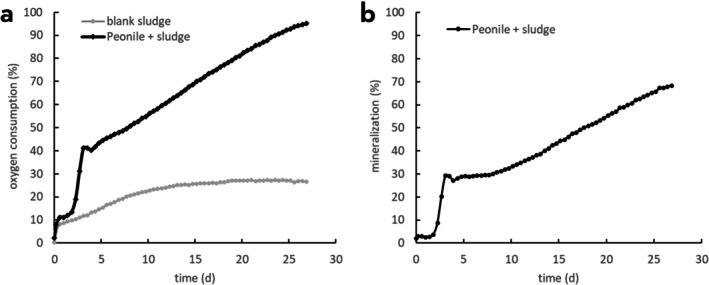 Figure 6
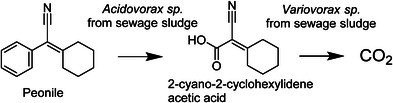 Figure 7
Peer Reviews
No public reviews on file for this paper yet. If you reviewed it on a platform where reviews are public (OpenReview, ICLR, NeurIPS, ICML), you can paste yours below so the community can read it here.
Videos
No videos yet. Explain this paper in a talk, walkthrough, or lecture? Add one.
Taxonomy
TopicsMicrobial bioremediation and biosurfactants · Pesticide and Herbicide Environmental Studies · Radioactive element chemistry and processing