Modeling fatty liver disease and progression with stem cell derived hepatocytes
Yao Wang, David Berlin, Yong Li, Lok Man Ko, Zhenzhu Qi, Jiayi Feng, Christopher T. Clark, Diandian Cheng, Melisa Andrade, Eric Potma, Quinton Smith

TL;DR
This paper describes a new model using stem cell-derived liver cells to study fatty liver disease progression and how it leads to inflammation and liver damage.
Contribution
The novel contribution is the development of a MASLD model using hiPSC-derived hepatocytes that captures disease progression and paracrine signaling effects.
Findings
Hepatocyte-like cells derived from hiPSCs showed steatotic phenotypes when exposed to free fatty acids.
Biochemical cues from these cells activated fibroblasts, increasing inflammation and ECM deposition.
The model demonstrates how hepatocyte-stroma interactions drive MASH and fibrosis progression.
Abstract
Metabolic dysfunction-associated steatotic liver disease (MASLD) is one of the most pervasive liver disorders. It can progress to metabolic dysfunction-associated steatohepatitis (MASH), hallmarked by increased inflammation and inclination to permanent liver damage. Given the limited treatment options available to patients, models that recapitulate critical features of disease pathogenesis are needed to improve drug development. Here, a MASLD model was developed by differentiating hepatocyte-like cells (HLCs) from human induced pluripotent stem cells (hiPSCs) in 2D and 3D, in which hepatic aggregates exhibited enhanced functionality. Induced HLCs exposed to free fatty acids led to a steatotic phenotype, partially reducing hepatic function. Biochemical cues released from induced HLCs promoted activation of fibroblasts, resulting in increased inflammatory cytokine secretion and…
Genes, proteins, chemicals, diseases, species, mutations and cell lines named across the full text — each resolved to its canonical identifier and authoritative record.
Click any figure to enlarge with its caption.
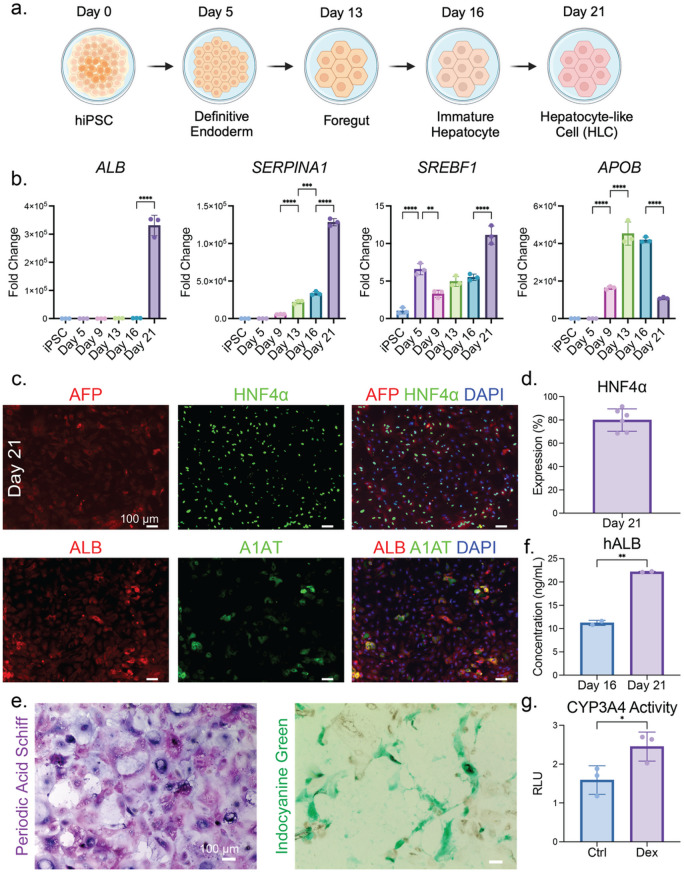 Figure 1
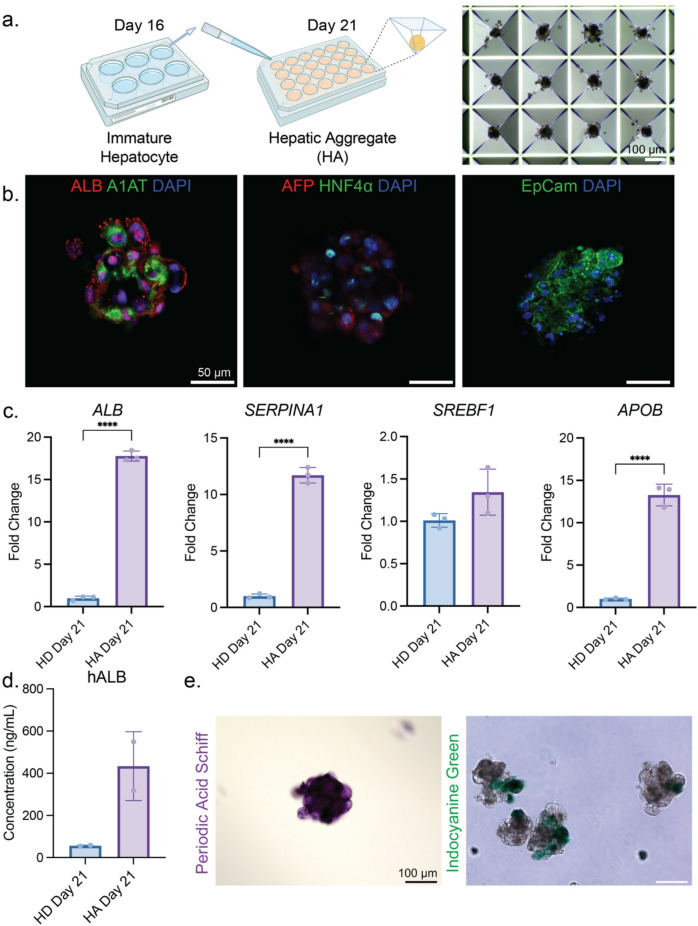 Figure 2
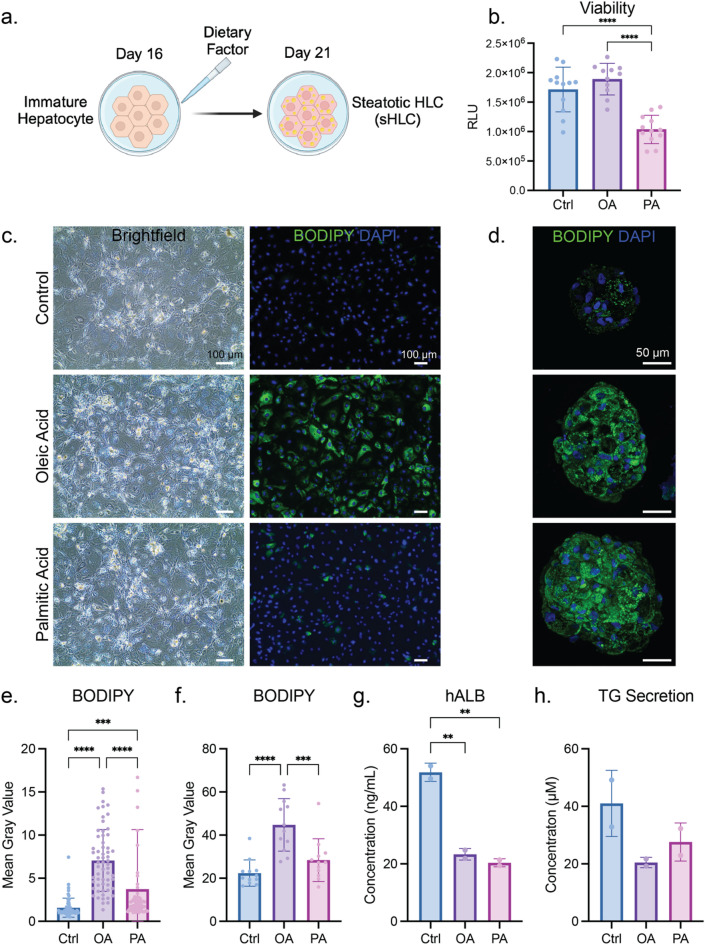 Figure 3
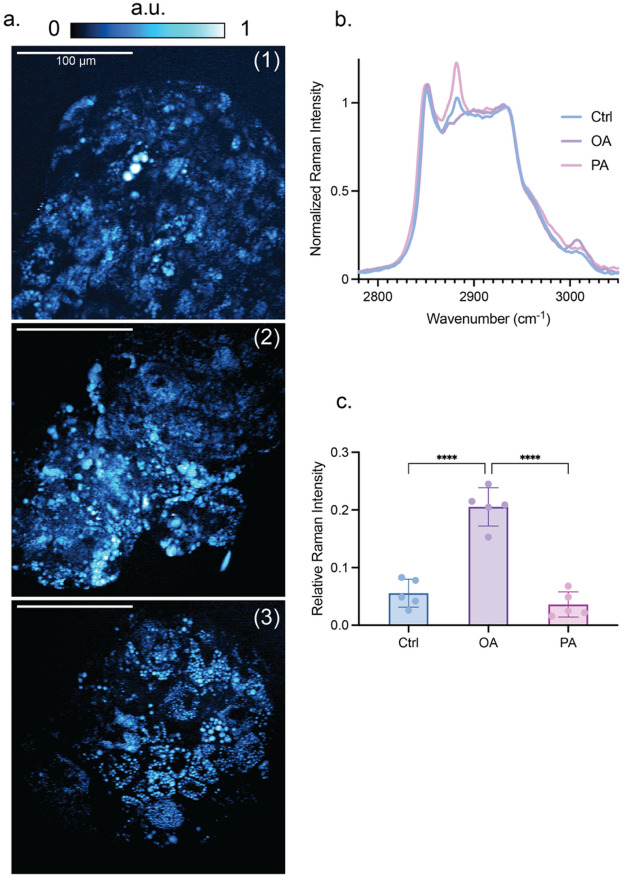 Figure 4
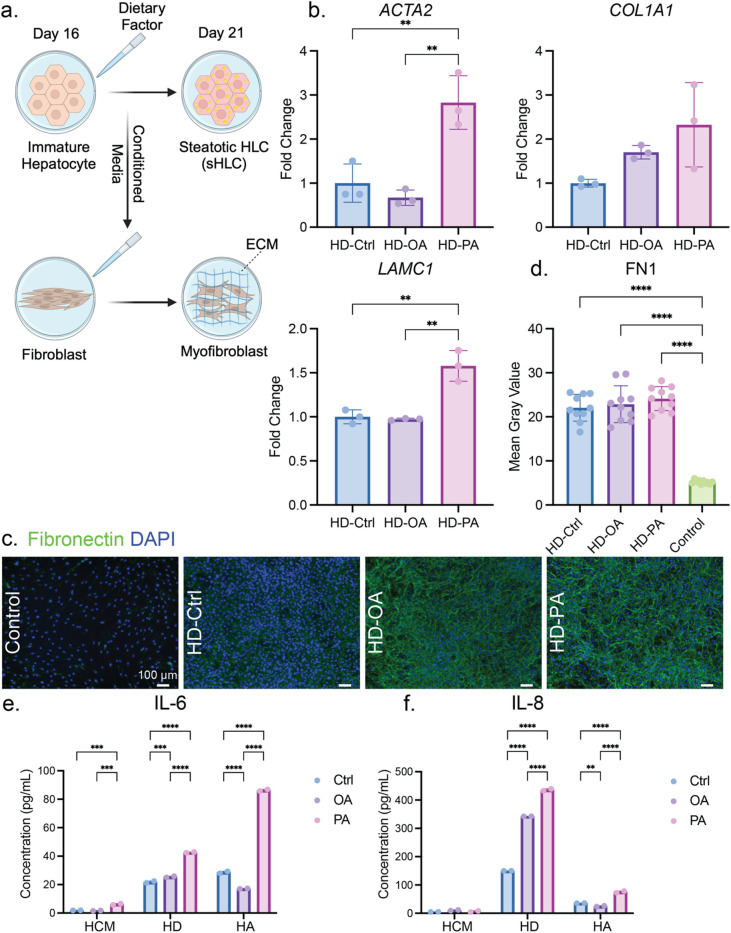 Figure 5
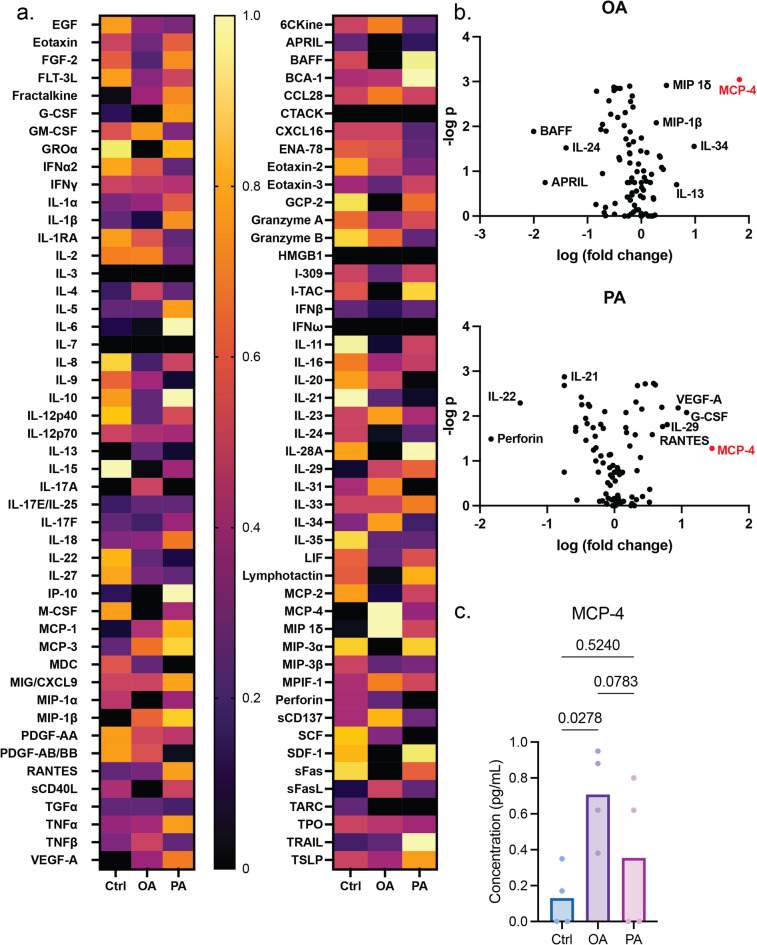 Figure 6
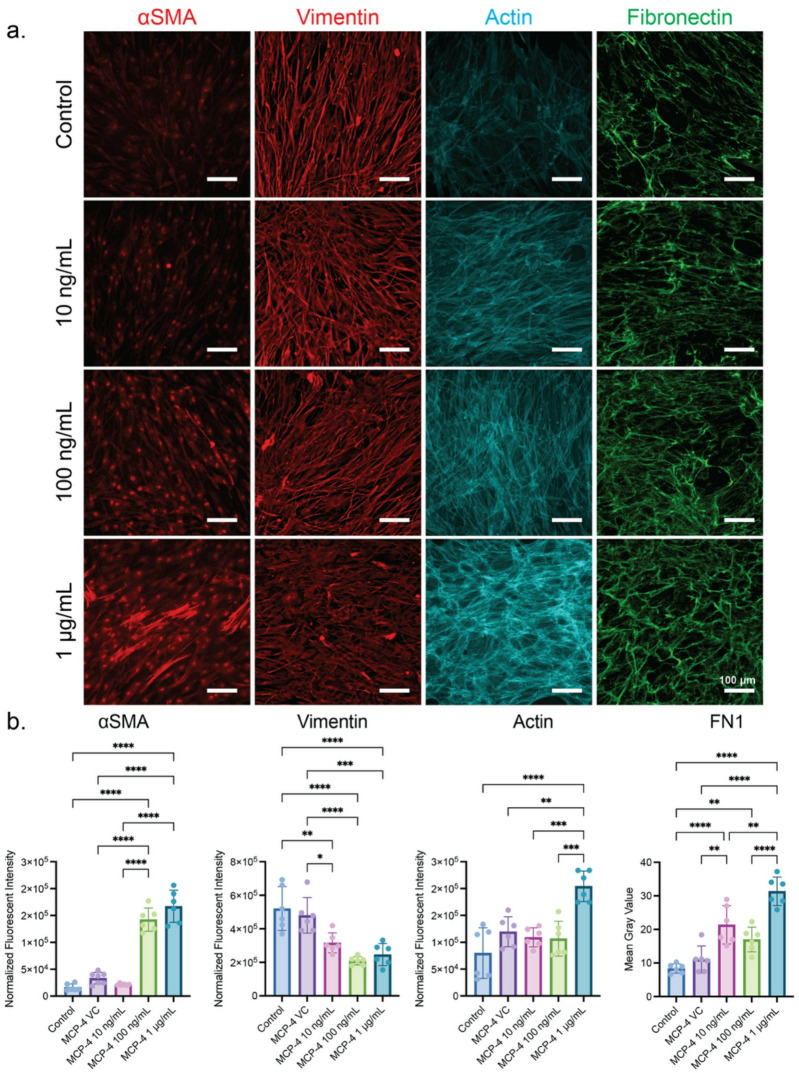 Figure 7
Peer Reviews
No public reviews on file for this paper yet. If you reviewed it on a platform where reviews are public (OpenReview, ICLR, NeurIPS, ICML), you can paste yours below so the community can read it here.
Videos
No videos yet. Explain this paper in a talk, walkthrough, or lecture? Add one.
Taxonomy
TopicsLiver physiology and pathology · Pluripotent Stem Cells Research · 3D Printing in Biomedical Research