Human approach-avoidance conflict behaviour relates to transdiagnostic psychiatric symptom dimensions
Juliana K. Sporrer, Filip Melinscak, Dominik R. Bach

TL;DR
This study explores how human behavior in approach-avoidance conflict tasks relates to broader psychiatric symptoms, finding links to impulsivity and OCD rather than anxiety.
Contribution
The study identifies a broad psychopathology factor linked to cautious behavior in AAC tasks, distinct from self-reported anxiety.
Findings
A broad psychopathology factor, mainly related to impulsivity and OCD, strongly correlates with AAC behavior.
Higher symptom scores are associated with decreased passive avoidance and increased behavioral inhibition.
No significant associations were found between AAC behavior and anxiety-depression or gender.
Abstract
Approach-avoidance conflict (AAC), a laboratory representation of risky foraging, serves as mainstay of pre-clinical anxiety disorder research, motivated by an impact of anxiolytic drugs on cautious behaviour. While cautiousness appears to be a stable behavioural trait, growing evidence suggests that it is not strongly related to self-reported anxiety. Here, we ask more broadly which psychiatric symptom dimensions relate to AAC behaviour, using a cross-sectional, data-driven, exploration-confirmation approach across two large online samples (N1 = 315; N2 = 690). In a previously validated task, participants chose whether, and when, to approach rewards under varying threat probability and magnitude. They then completed a comprehensive psychiatric questionnaire battery with a known three-factor structure. A broad psychopathology factor, mainly related to impulsivity and OCD symptoms and…
Genes, proteins, chemicals, diseases, species, mutations and cell lines named across the full text — each resolved to its canonical identifier and authoritative record.
Click any figure to enlarge with its caption.
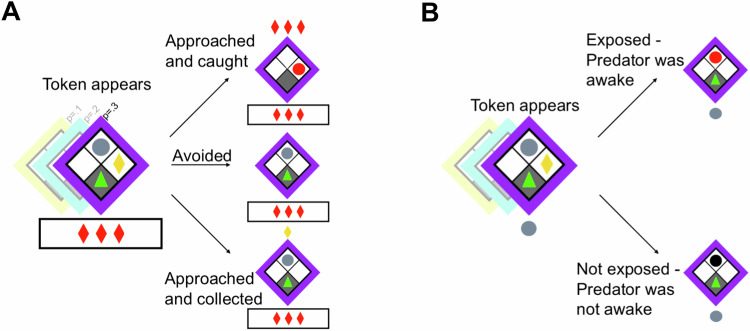 Figure 1
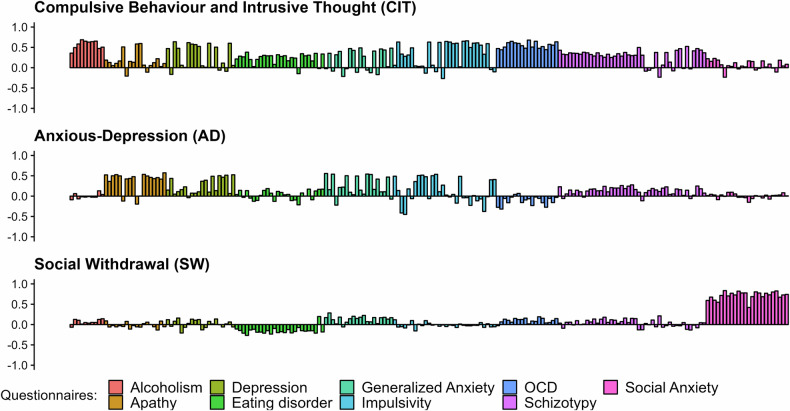 Figure 2
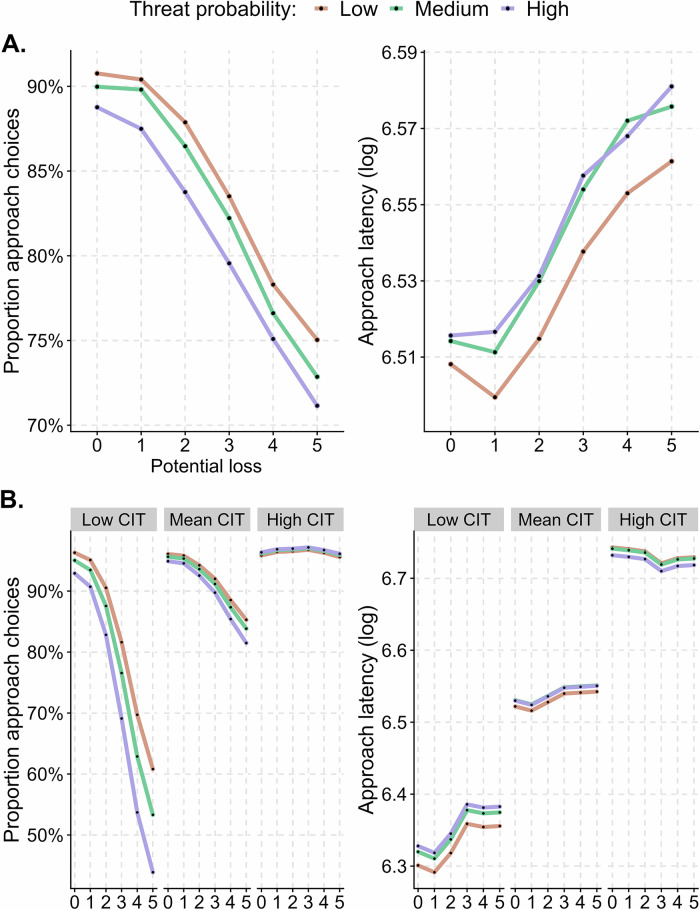 Figure 3
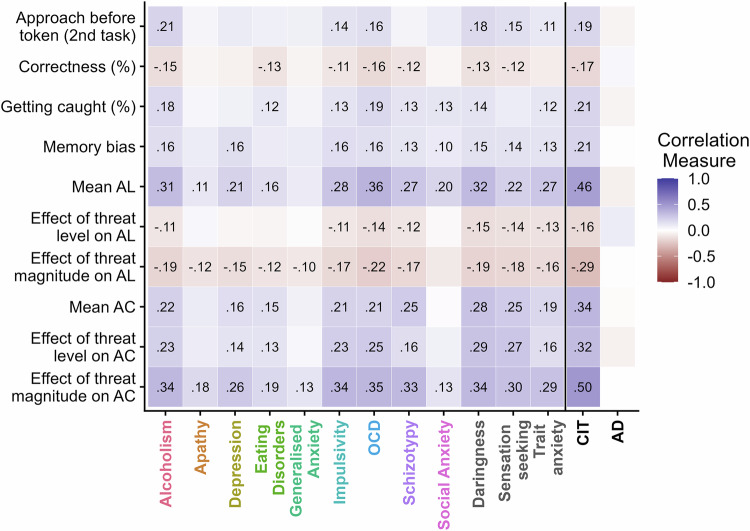 Figure 4
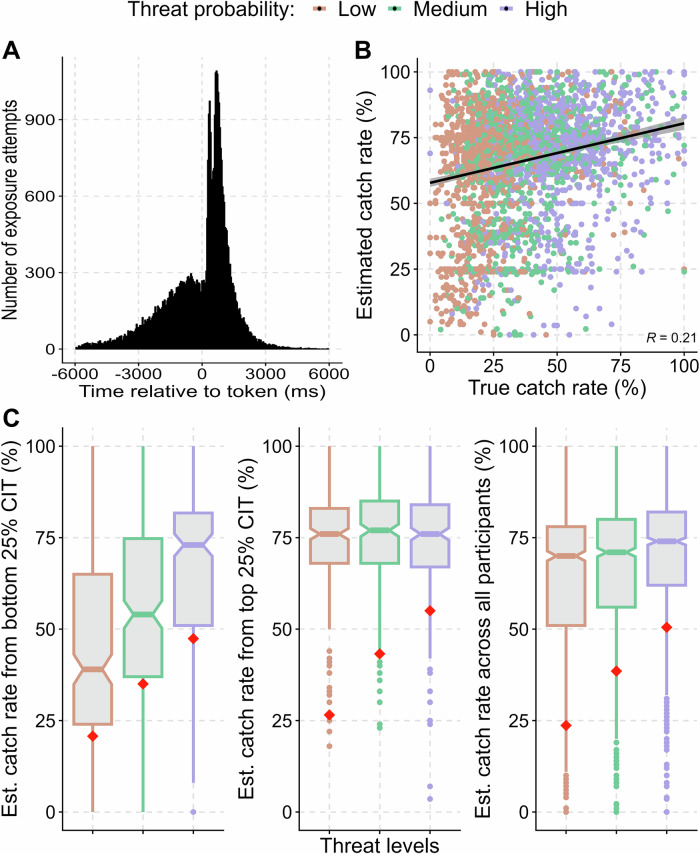 Figure 5
Peer Reviews
No public reviews on file for this paper yet. If you reviewed it on a platform where reviews are public (OpenReview, ICLR, NeurIPS, ICML), you can paste yours below so the community can read it here.
Videos
No videos yet. Explain this paper in a talk, walkthrough, or lecture? Add one.
Taxonomy
TopicsAnxiety, Depression, Psychometrics, Treatment, Cognitive Processes · Obsessive-Compulsive Spectrum Disorders · Schizophrenia research and treatment