The North-Eastern Europe and Northern Asia isotopic dataset of bioarchaeological samples (NEENA)
Vera Haponava, Catriona Pickard, Ricardo Fernandes

TL;DR
The NEENA dataset provides over 18,700 isotopic measurements from archaeological samples across North-Eastern Europe and Northern Asia for studying ancient diets, environments, and human mobility.
Contribution
The paper introduces a comprehensive open-access isotopic dataset from archaeological samples across a vast geographic and temporal range.
Findings
The dataset includes isotopic data from over 750 sites spanning 70,000 years BP to modern times.
Each record includes taxonomic, contextual, and laboratory details for comparative paleo-studies.
NEENA supports research on diet, mobility, environmental conditions, and radiocarbon effects.
Abstract
The North-Eastern Europe and Northern Asia open-access dataset (NEENA) is a compilation of over 18,700 isotopic measurements (δ13C, δ15N, δ34S, δ18O, 87Sr/86Sr), predominantly from archaeological human, animal, and plant samples originating from more than 750 sites ranging geographically from the Baltic and Eastern Europe to North-Central Asia and dating between 70,000 years BP and modern times. For each isotope record included in the dataset, information relating to the taxonomic categorisation of the sampled material (e.g., animal and plant species or genus names), the sample type (e.g., bone, dentine, enamel) and contextual, chronological, provenance (i.e., site location and country), and laboratory details are provided where available from original publications. The NEENA dataset can be used to conduct comparative studies of palaeodiet, spatial mobility, paleo-environmental…
Genes, proteins, chemicals, diseases, species, mutations and cell lines named across the full text — each resolved to its canonical identifier and authoritative record.
Click any figure to enlarge with its caption.
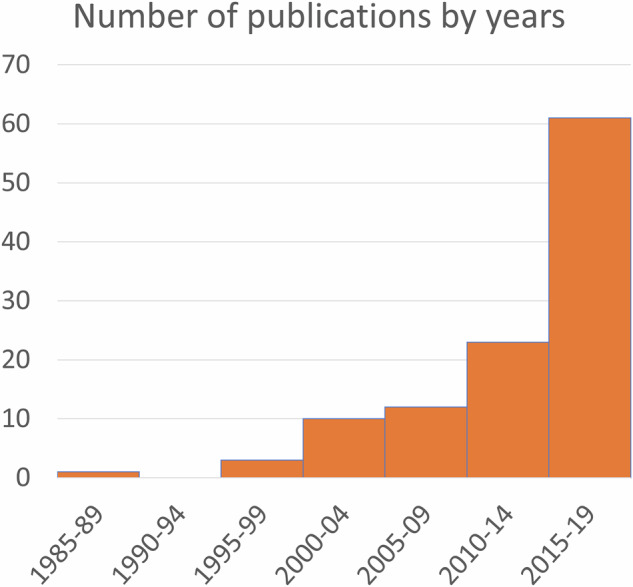 Figure 1
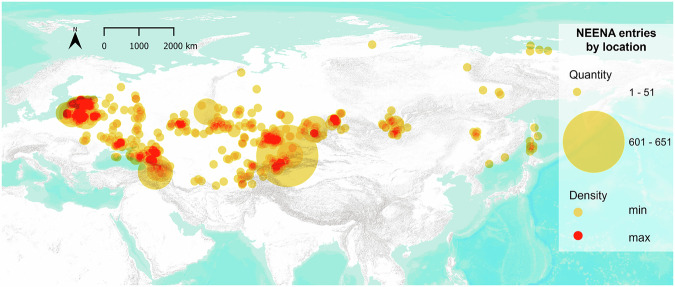 Figure 2
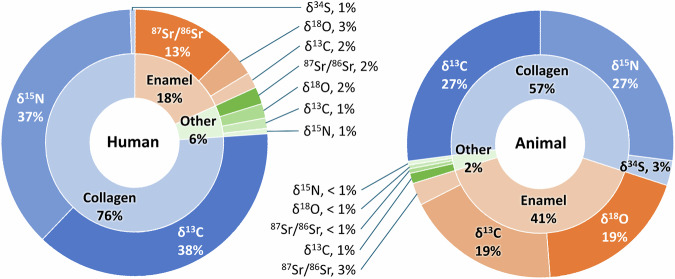 Figure 3
Peer Reviews
No public reviews on file for this paper yet. If you reviewed it on a platform where reviews are public (OpenReview, ICLR, NeurIPS, ICML), you can paste yours below so the community can read it here.
Videos
No videos yet. Explain this paper in a talk, walkthrough, or lecture? Add one.
Taxonomy
TopicsArchaeology and ancient environmental studies · Pleistocene-Era Hominins and Archaeology · Geology and Paleoclimatology Research