Bacteria from foods and gut microbiota produce methylglyoxal and this metabolite leads to the formation of bioactive 1-acetyl-β-carboline alkaloids
Tomás Herraiz, Ana Sánchez-Arroyo, Blanca de las Rivas, José María Landete, Rosario Muñoz

TL;DR
Bacteria in food and the gut produce a toxic compound, methylglyoxal, which reacts to form bioactive alkaloids.
Contribution
The study identifies that bacteria with methylglyoxal synthase produce methylglyoxal, which spontaneously forms bioactive 1-acetyl-β-carboline alkaloids.
Findings
Methylglyoxal is produced by bacteria like Escherichia coli and Lactilactobacillus sakei, leading to ACE-βCs formation.
Methylglyoxal production depends on carbohydrate availability and environmental conditions like oxygen levels.
The enzyme MgsA is essential for methylglyoxal production, confirmed by gene expression experiments.
Abstract
Methylglyoxal (MGO) is a highly reactive and toxic compound whereas 1-acetyl-β-carbolines (ACE-βCs) are bioactive alkaloids. These compounds were studied in cultures of bacteria from foods and human gut microbiota. Two ACE-βCs were identified as 1-acetyl-β-carboline (AβC) and 1-acetyl-β-carboline-3-carboxylic acid (AβC-COOH). Cultures containing ACE-βCs also contained MGO that was produced during bacterial growth. MGO produced by bacteria reacted spontaneously with L-tryptophan (L-Trp) and afforded ACE-βCs. MGO and ACE-βCs appeared in cultures from Escherichia coli and Lactilactobacillus sakei but not in cultures from other lactobacilli (L. plantarum, L. rhamnosus, and L. paracasei). Those bacteria producing MGO contained the enzyme methylglyoxal synthase (MgsA). MgsA was needed for the production of MGO as demonstrated by expressing the mgsA gene from L. sakei DSM 15831 T into…
Genes, proteins, chemicals, diseases, species, mutations and cell lines named across the full text — each resolved to its canonical identifier and authoritative record.
Click any figure to enlarge with its caption.
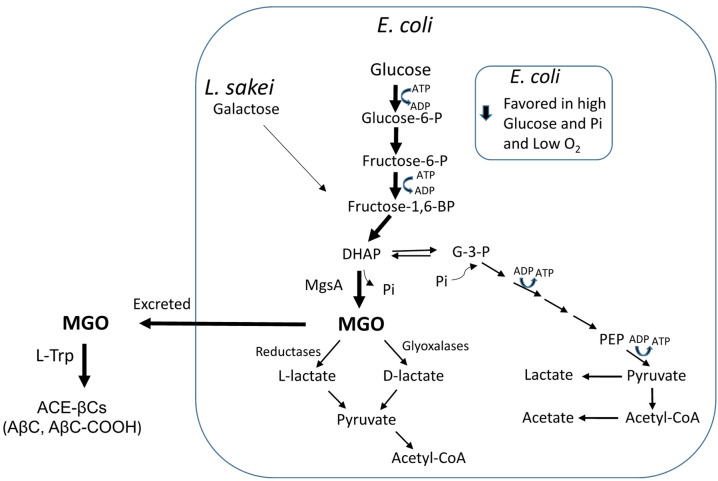 Figure 10
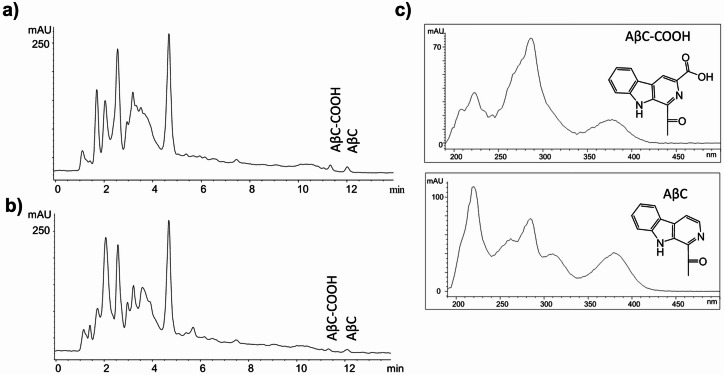 Figure 1
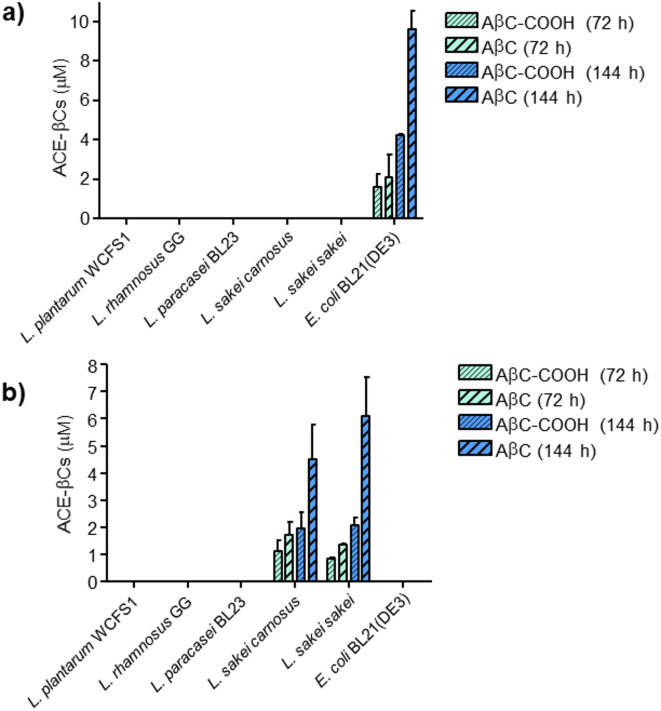 Figure 2
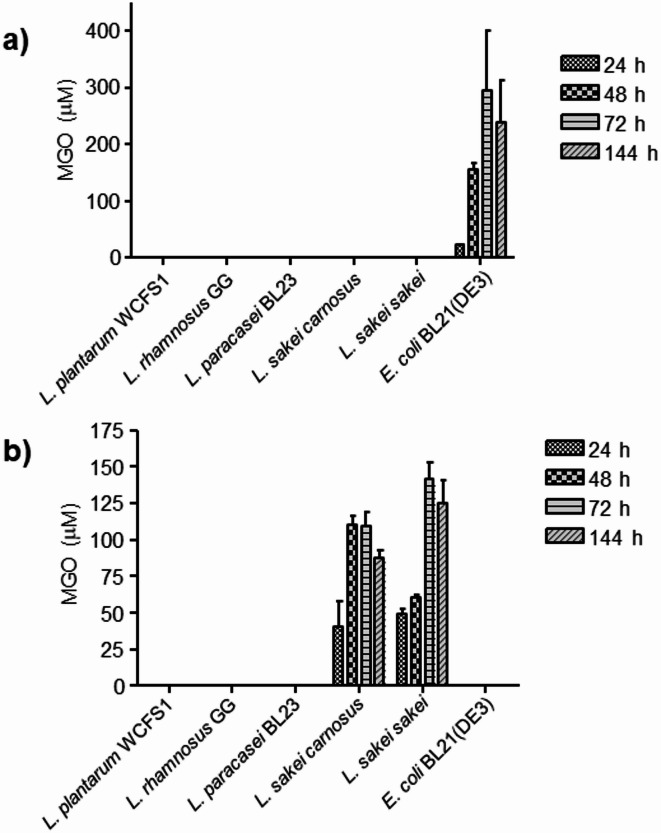 Figure 3
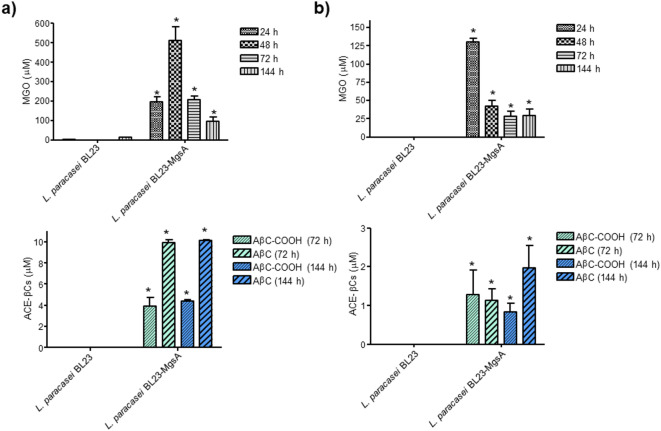 Figure 4
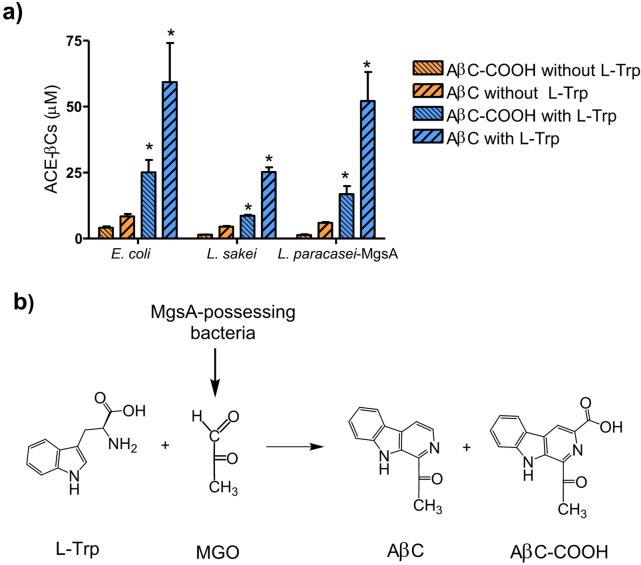 Figure 5
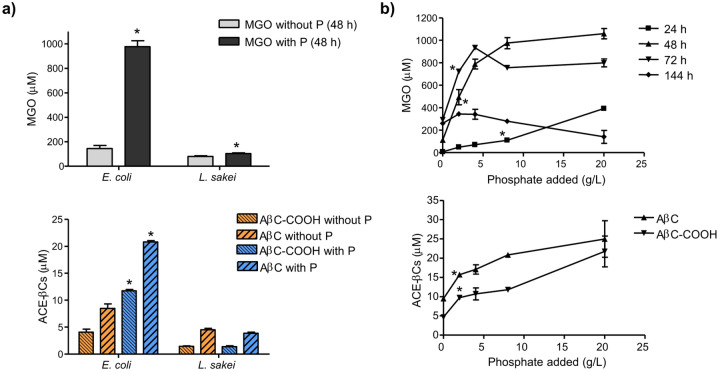 Figure 6
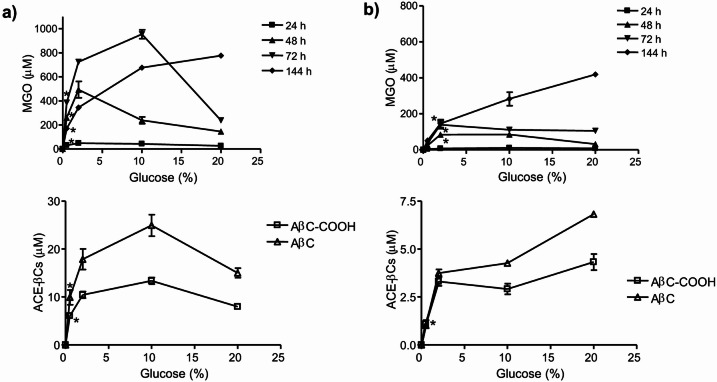 Figure 7
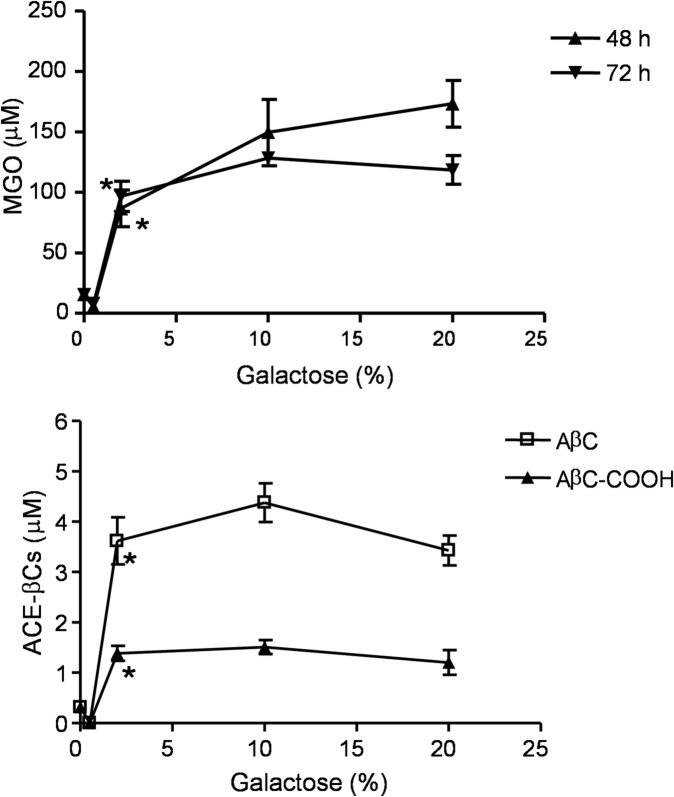 Figure 8
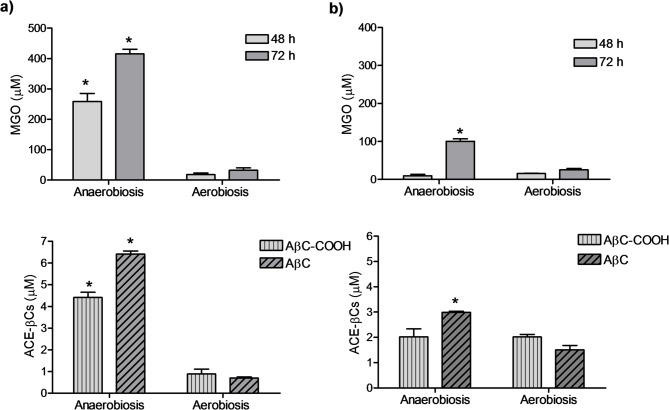 Figure 9
Peer Reviews
No public reviews on file for this paper yet. If you reviewed it on a platform where reviews are public (OpenReview, ICLR, NeurIPS, ICML), you can paste yours below so the community can read it here.
Videos
No videos yet. Explain this paper in a talk, walkthrough, or lecture? Add one.
Taxonomy
TopicsAdvanced Glycation End Products research · Cannabis and Cannabinoid Research · Tannin, Tannase and Anticancer Activities