Slot fidelity and ligation-dependent tribology in personalized brackets made by casting versus selective laser melting: an in vitro study
Viet Anh Nguyen, Minh Ngoc Tran, Ngo The Minh Pham, Thi Bich Ngoc Ha, Viet Hoang, Thi Quynh Trang Vuong

TL;DR
This study compares two manufacturing methods for orthodontic brackets, finding differences in slot accuracy and friction behavior that could affect treatment outcomes.
Contribution
The study introduces a novel in vitro comparison of casting and selective laser melting for orthodontic brackets, revealing fabrication-ligation interactions affecting friction.
Findings
Casting and SLM produced similar slot height accuracy but SLM had greater angle errors.
Friction behavior varied by ligation type and fabrication method, reversing rankings between steel and elastomeric ligatures.
Support-facing walls showed reduced accuracy in both methods, suggesting design adjustments for SLM brackets.
Abstract
Reliable chairside adoption of digital orthodontics depends on micrometre-scale slot fidelity and stable bracket–wire tribology. A single computer-aided design for a personalized second-premolar bracket was manufactured by lost-wax casting and by selective laser melting (SLM) (n = 36 per method). Slot height and inter-wall angle were measured on both the support-facing and non-support surfaces. Static and dynamic friction were evaluated using stainless-steel rectangular wires ligated either with tightly twisted stainless-steel ties or with elastomeric modules. Mean slot height was 480.88 ± 73.90 µm for casting and 421.47 ± 32.03 µm for SLM, against a nominal 480 µm. Overall height error did not differ between methods (P = 0.673), whereas angle er-ror was greater for SLM (17.76 ± 11.29°) than for casting (9.56 ± 8.88°, P < 0.001). The support-facing wall consistently showed reduced…
Genes, proteins, chemicals, diseases, species, mutations and cell lines named across the full text — each resolved to its canonical identifier and authoritative record.
Click any figure to enlarge with its caption.
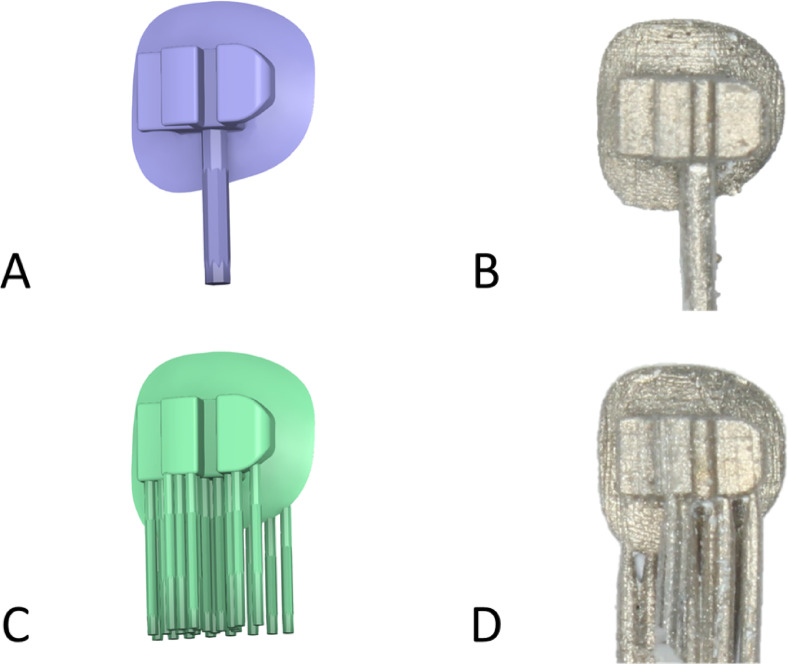 Figure 1
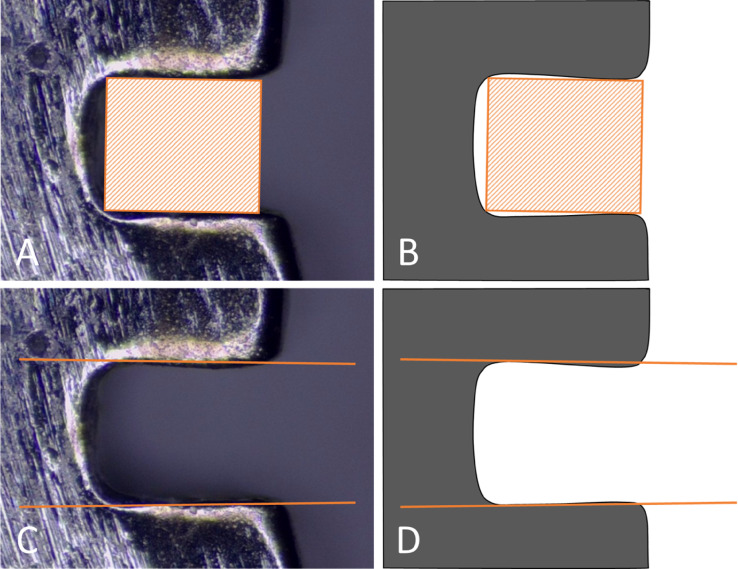 Figure 2
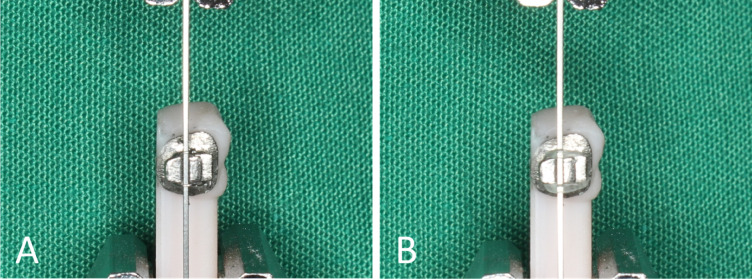 Figure 3
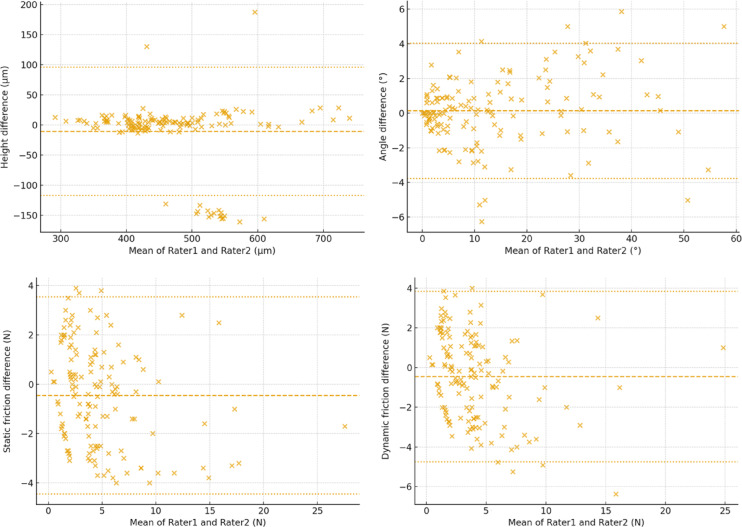 Figure 4
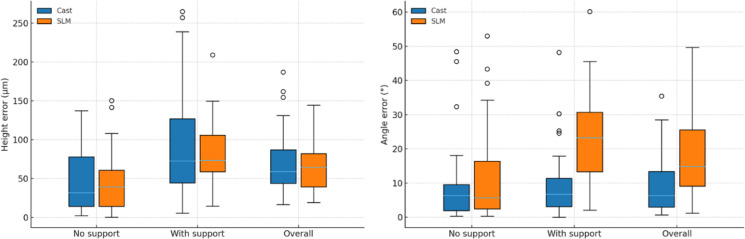 Figure 5
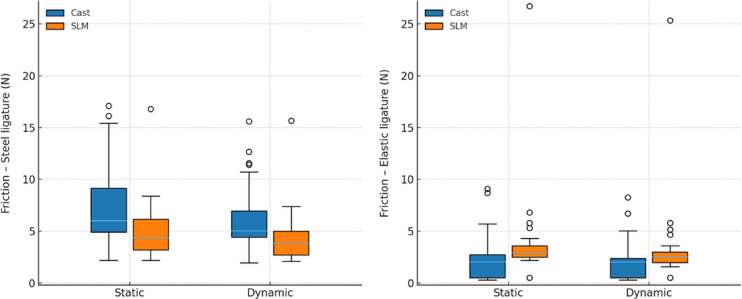 Figure 6
Peer Reviews
No public reviews on file for this paper yet. If you reviewed it on a platform where reviews are public (OpenReview, ICLR, NeurIPS, ICML), you can paste yours below so the community can read it here.
Videos
No videos yet. Explain this paper in a talk, walkthrough, or lecture? Add one.
Taxonomy
TopicsOrthodontics and Dentofacial Orthopedics · Dental materials and restorations · Additive Manufacturing Materials and Processes