EPI-SauriCas9-based mouse ovarian cancer models recapitulating pten deletion in patients
Wutao Chen, Pengju He, Ling Ding, Weihua Lou, Yishu Wang, Weiwei Shi, Zhangzhengyi Fan, Yumeng Sheng, Jing Luo, Zhixing Tan, You Wang, Wen Di, Xiaoping Ke, Bin Yu

TL;DR
A new mouse model of ovarian cancer with PTEN and TP53 deletions is developed to study tumor biology and test potential therapies.
Contribution
The MEPP model using EPI-SauriCas9 system enables the study of PTEN-deleted ovarian cancer and identifies promising drugs.
Findings
Pten loss promotes tumorigenicity and metastasis in the MEPP model.
Single-cell RNA sequencing reveals distinct epithelial subpopulations with varying metastatic potential.
FK228 and thioguanine are identified as effective therapeutic candidates in PTEN-deleted models.
Abstract
Ovarian cancer remains a deadly gynecological malignancy, with PTEN loss and TP53 mutations frequently implicated in its progression. However, suitable models for studying ovarian cancers with PTEN and TP53 deletions are rare. Here we develop and validate the mouse ovarian epithelium with Pten and Trp53 deletions (MEPP) model using the EPI-SauriCas9 system. We demonstrate the role of Pten loss in promoting tumorigenicity and metastasis. Single-cell RNA sequencing reveals distinct epithelial subpopulations with varying metastatic potential. MEPP also recapitulates key features of human ovarian cancer, including its immune landscape and therapeutic responses. High-throughput drug screening identifies FK228 and thioguanine as promising therapeutic candidates, both of which show in vivo efficacy and are validated in PTEN-deleted organoids. Together, these results establish MEPP as a…
Genes, proteins, chemicals, diseases, species, mutations and cell lines named across the full text — each resolved to its canonical identifier and authoritative record.
Click any figure to enlarge with its caption.
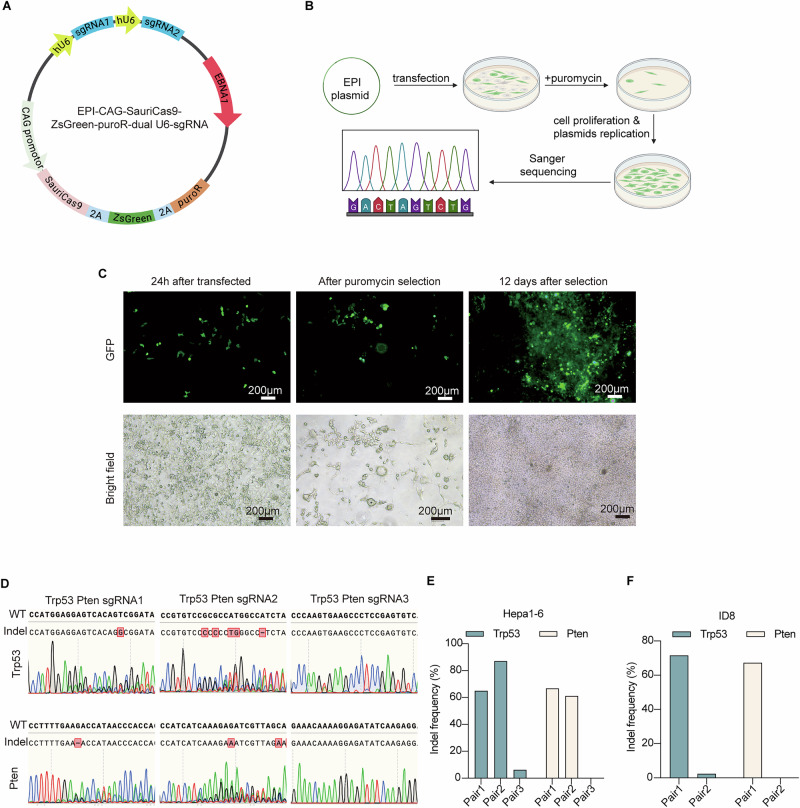 Figure 1
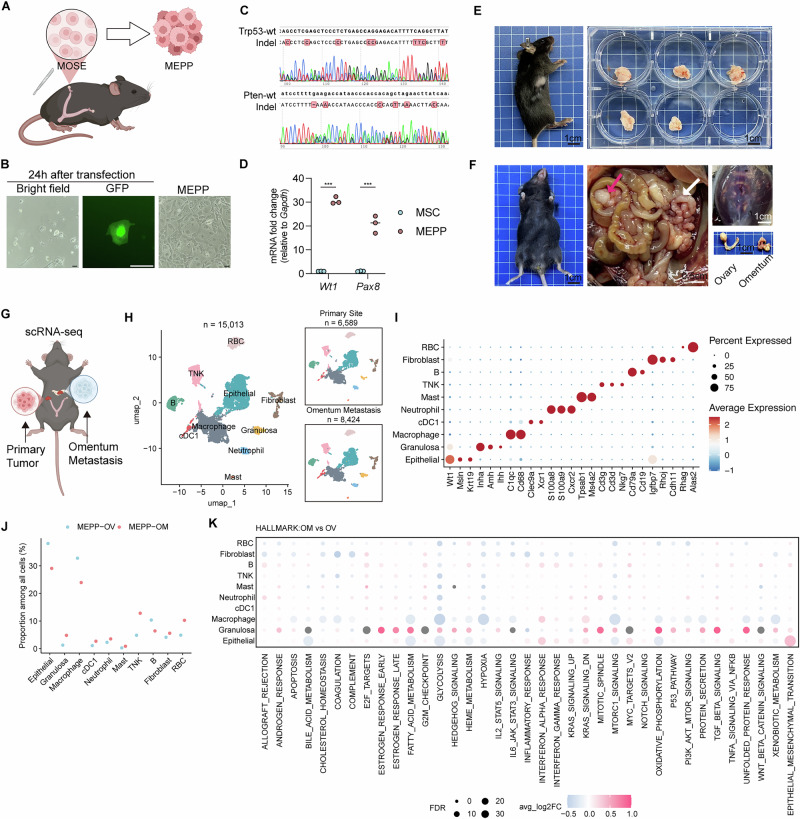 Figure 2
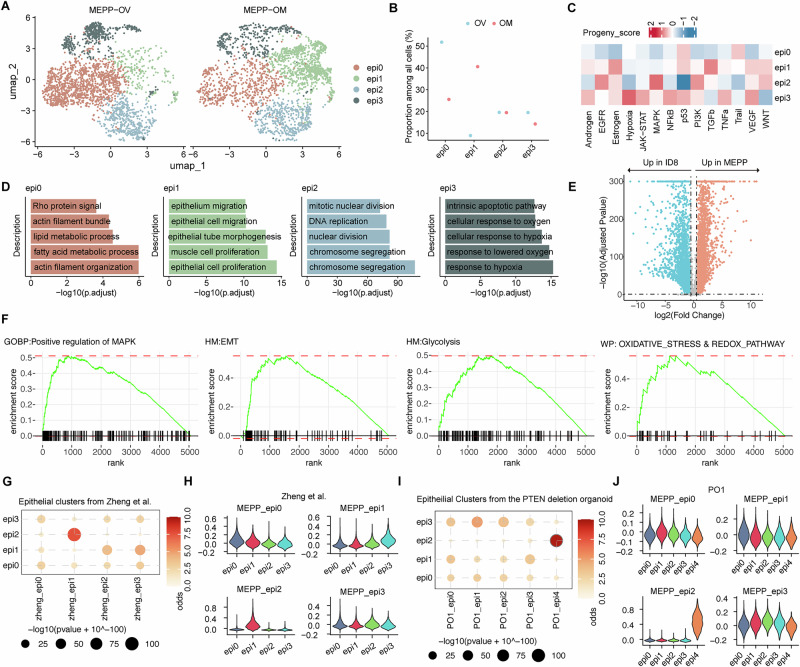 Figure 3
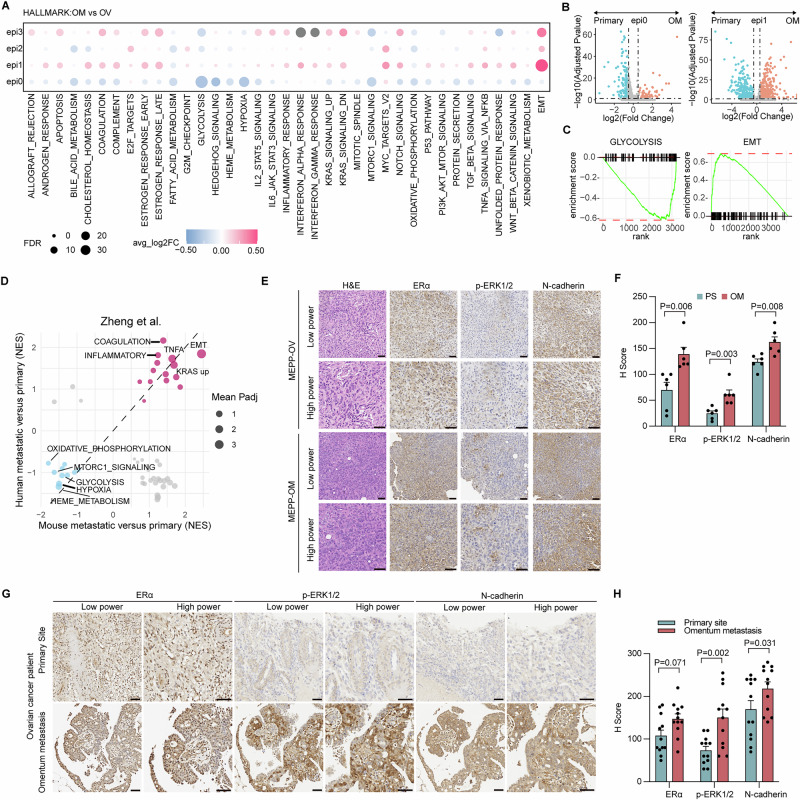 Figure 4
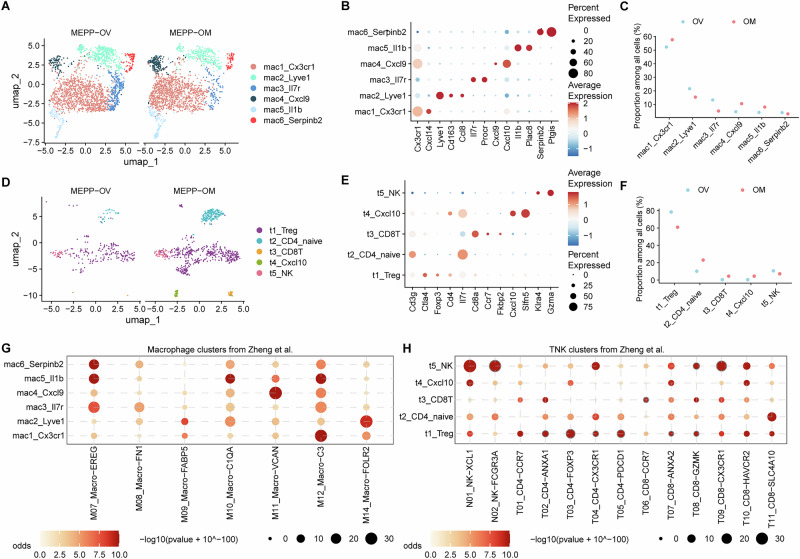 Figure 5
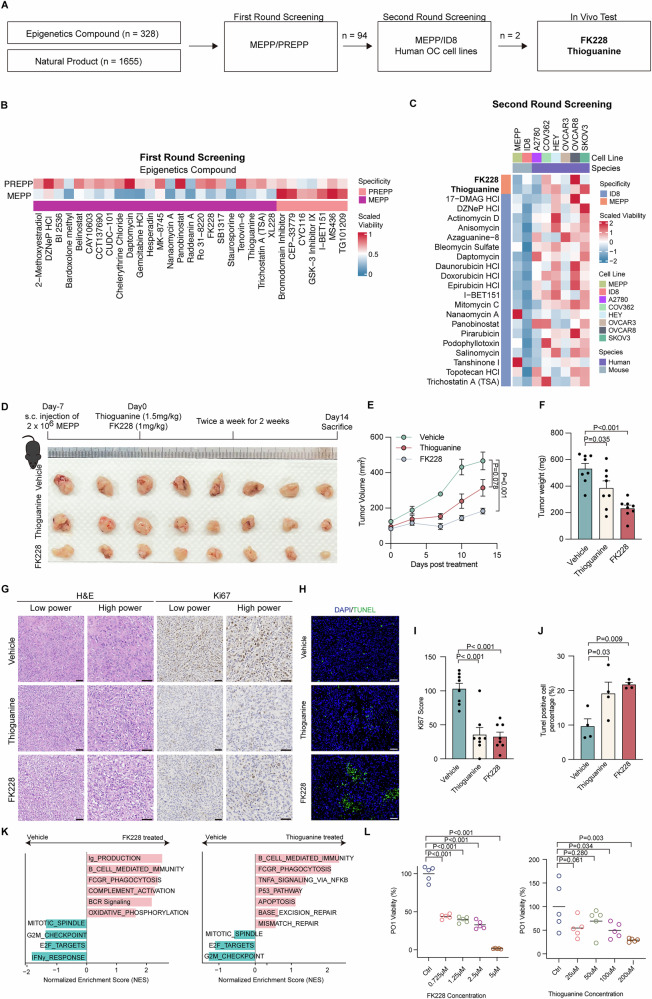 Figure 6
Peer Reviews
No public reviews on file for this paper yet. If you reviewed it on a platform where reviews are public (OpenReview, ICLR, NeurIPS, ICML), you can paste yours below so the community can read it here.
Videos
No videos yet. Explain this paper in a talk, walkthrough, or lecture? Add one.
Taxonomy
TopicsPI3K/AKT/mTOR signaling in cancer · Ovarian cancer diagnosis and treatment · Single-cell and spatial transcriptomics