A comparative study of the structural-mechanical and porosity characteristics of multi-structure vascular scaffolds
Yao Lu, Jingbo Xu, Songbiao Xue, Xiaodi Zhou, Hongbo Zhang

TL;DR
This study compares how different manufacturing methods affect the structure and mechanical properties of vascular scaffolds made from stainless steel.
Contribution
The study systematically compares three manufacturing processes to reveal how they influence scaffold structure and mechanical performance.
Findings
Stamped scaffolds (S3) showed the highest radial support force and tensile strength compared to knitted and woven scaffolds.
Pore size and metal coverage were found to be decoupled across different manufacturing processes.
Woven scaffolds (S2) exhibited intermediate mechanical properties that varied with mesh count.
Abstract
The geometry of vascular scaffolds is a critical determinant of their clinical performance. However, the decoupled control over structural parameters (e.g., pore size, pore shape, and metal coverage) by different manufacturing processes (e.g., knitting, weaving, and stamping) and their systematic effects on mechanical properties remain unclear. This study aims to systematically compare multi-structured scaffolds fabricated by three distinct processes within a unified testing framework, revealing the intrinsic “process-structure-property” relationship. We designed and fabricated three series, totaling eight types, of tubular scaffolds from 316 L stainless steel: the S1 series (weft-knitted integrally formed), the S2 series (woven and rolled, with four mesh gradients: 30, 60, 90, and 120 mesh), and the S3 series (stamped and rolled, with three stamping-stretching ratios). Image analysis…
Genes, proteins, chemicals, diseases, species, mutations and cell lines named across the full text — each resolved to its canonical identifier and authoritative record.
Click any figure to enlarge with its caption.
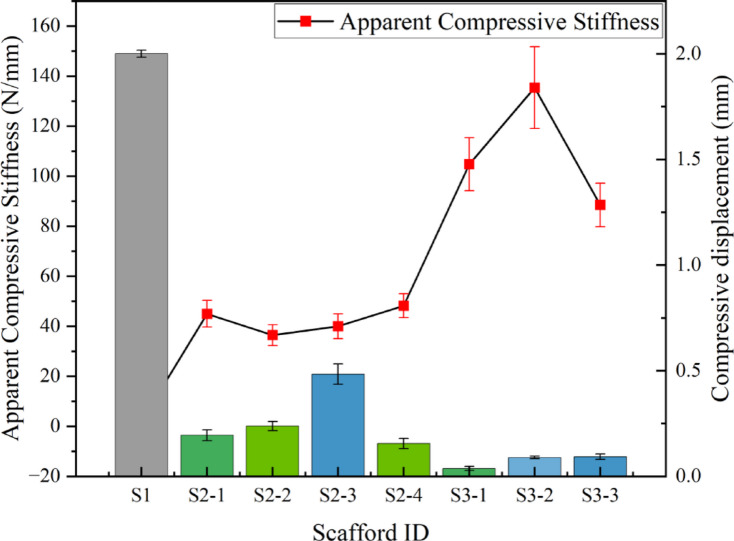 Figure 10
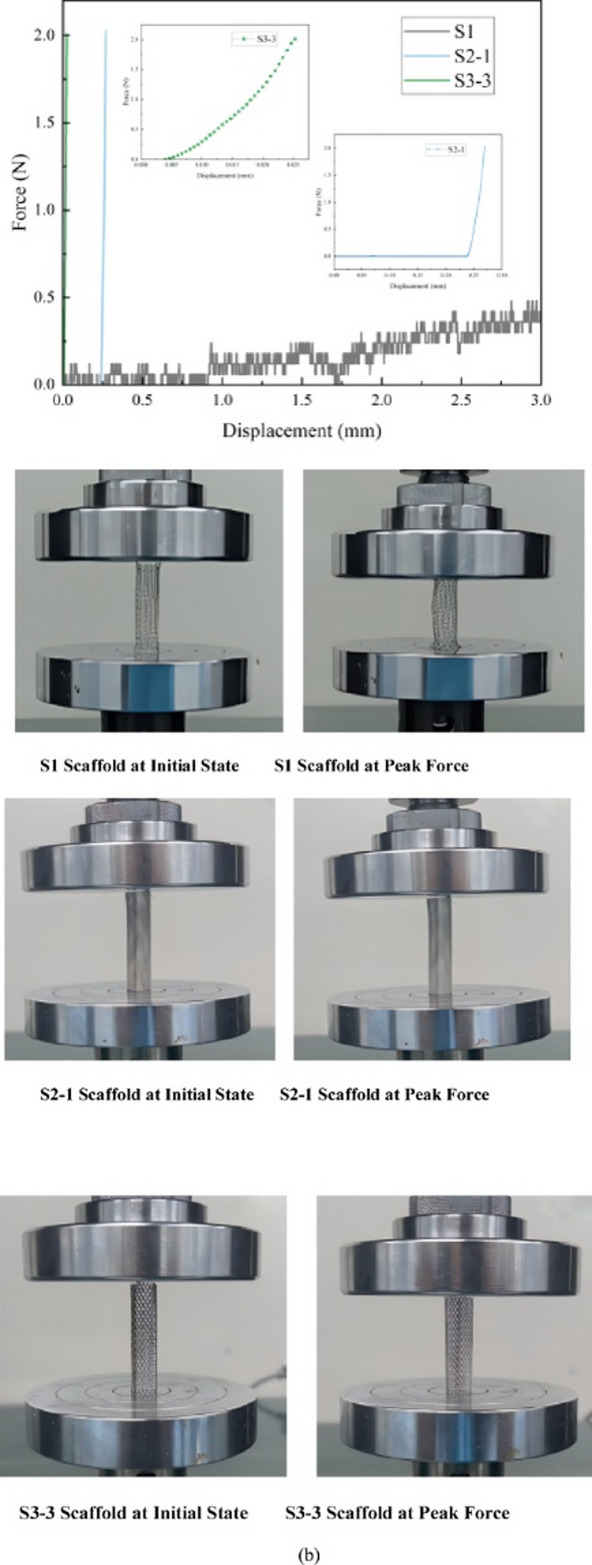 Figure 11
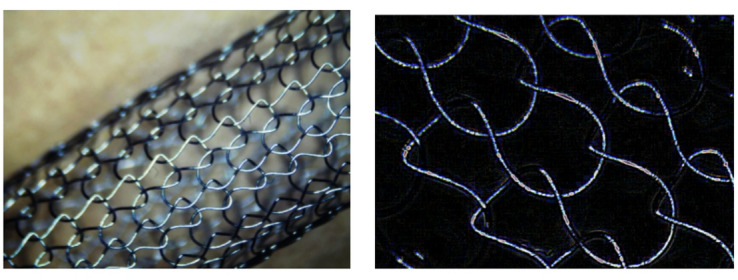 Figure 1
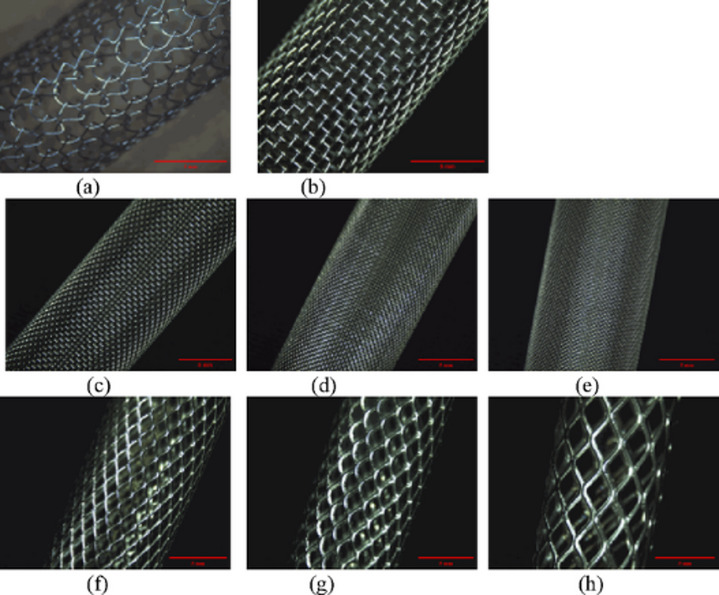 Figure 2
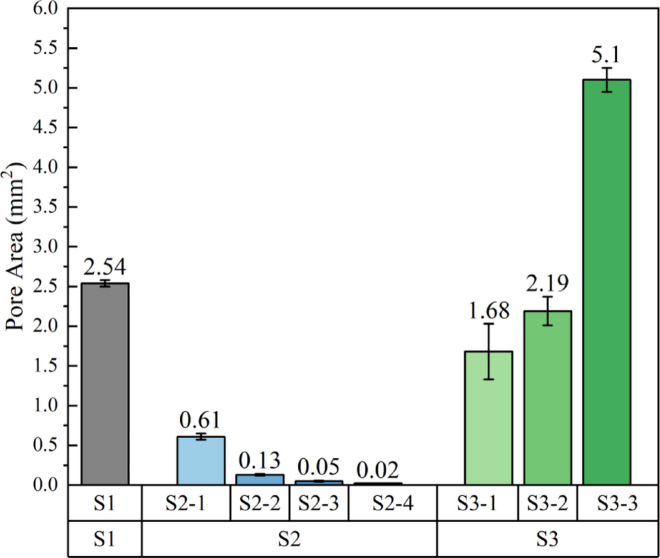 Figure 3
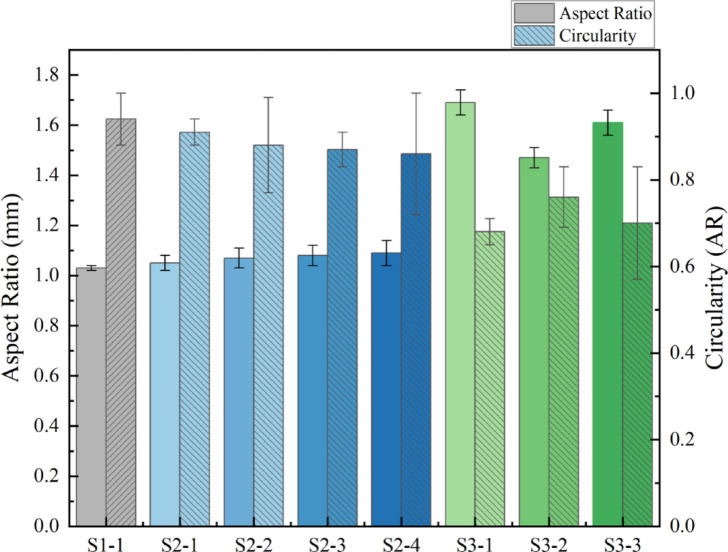 Figure 4
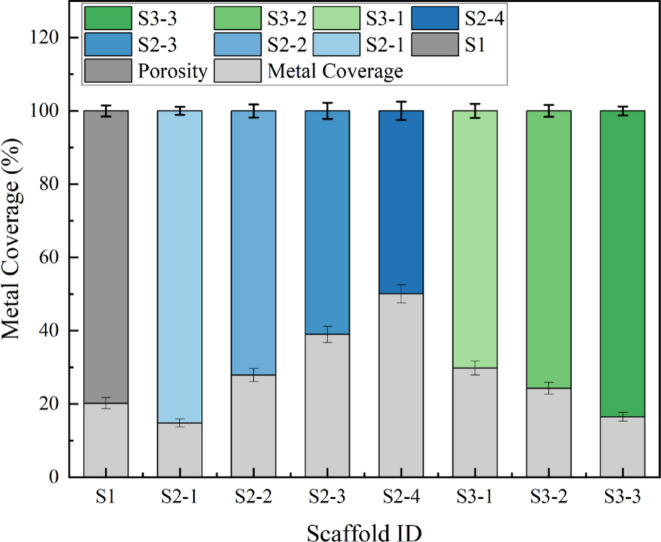 Figure 5
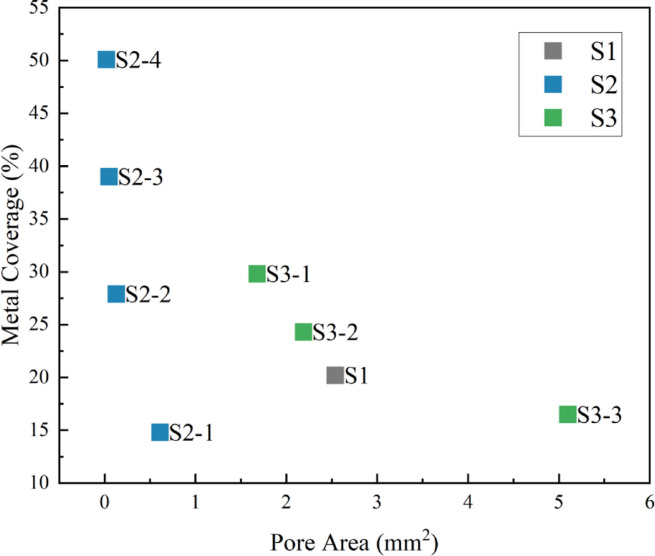 Figure 6
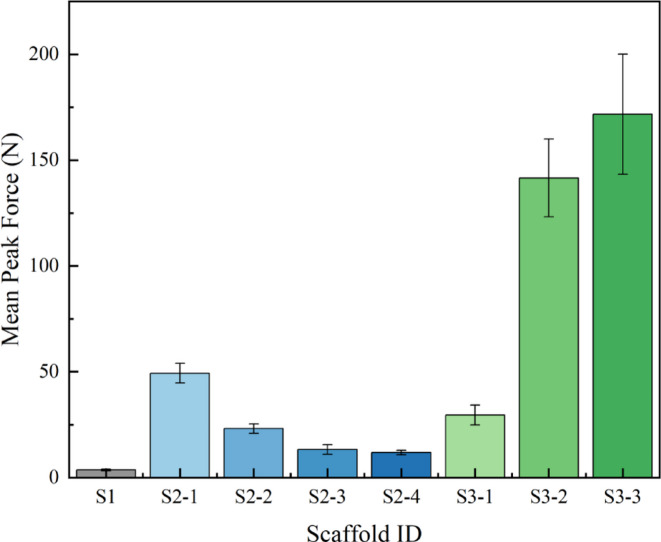 Figure 7
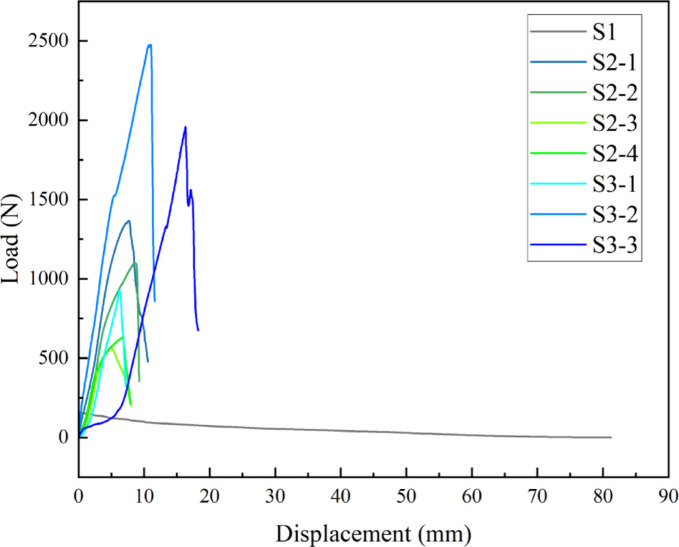 Figure 8
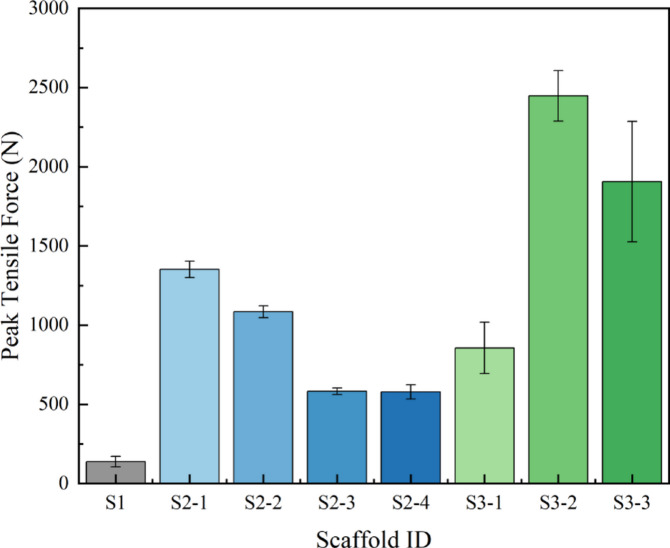 Figure 9
Peer Reviews
No public reviews on file for this paper yet. If you reviewed it on a platform where reviews are public (OpenReview, ICLR, NeurIPS, ICML), you can paste yours below so the community can read it here.
Videos
No videos yet. Explain this paper in a talk, walkthrough, or lecture? Add one.
Taxonomy
TopicsElectrospun Nanofibers in Biomedical Applications · Coronary Interventions and Diagnostics · Bone Tissue Engineering Materials