Ancient genomes reveal early-stage admixture and genetic diversity in the Northwestern Kyushu Yayoi
Jonghyun Kim, Fuzuki Mizuno, Takayuki Matsushita, Masami Matsushita, Izumi Naka, Kunihiko Kurosaki, Fuyuki Tokanai, Shintaroh Ueda, Jun Ohashi

TL;DR
Ancient genomes from northwestern Kyushu reveal early admixture between Yayoi migrants and Jomon people, showing a gradual transition rather than a sudden migration.
Contribution
The study provides the first genetic evidence of early-stage admixture in northwestern Kyushu Yayoi populations.
Findings
Two individuals retained nearly full Jomon ancestry, showing unadmixed Jomon descendants coexisted with admixed populations.
Genetic evidence indicates gene flow between migrants and Jomon began 2.5–2.6 kya in the region.
Admixture occurred gradually, not through a single large migration event at the start of the Yayoi period.
Abstract
The demographic history of the Japanese archipelago was shaped by major episodes of migration and admixture, most notably the transition approximately 3,000 years ago from the Jomon period, a long-established hunter-gatherer tradition, to the Yayoi period, when migrants from the Eurasian continent introduced agriculture and new technologies. However, the timing, extent, and regional variability of the admixture between continental migrants and indigenous Jomon populations remain poorly understood. Northwestern Kyushu has drawn particular attention because skeletal analyses have indicated that Yayoi individuals from this region retain Jomon-like morphological features. However, their genetic background remains unclear. Here, we report whole genome sequences from four Northwestern Kyushu Yayoi individuals excavated from Nagasaki Prefecture, Japan. The two individuals retained nearly full…
Genes, proteins, chemicals, diseases, species, mutations and cell lines named across the full text — each resolved to its canonical identifier and authoritative record.
Click any figure to enlarge with its caption.
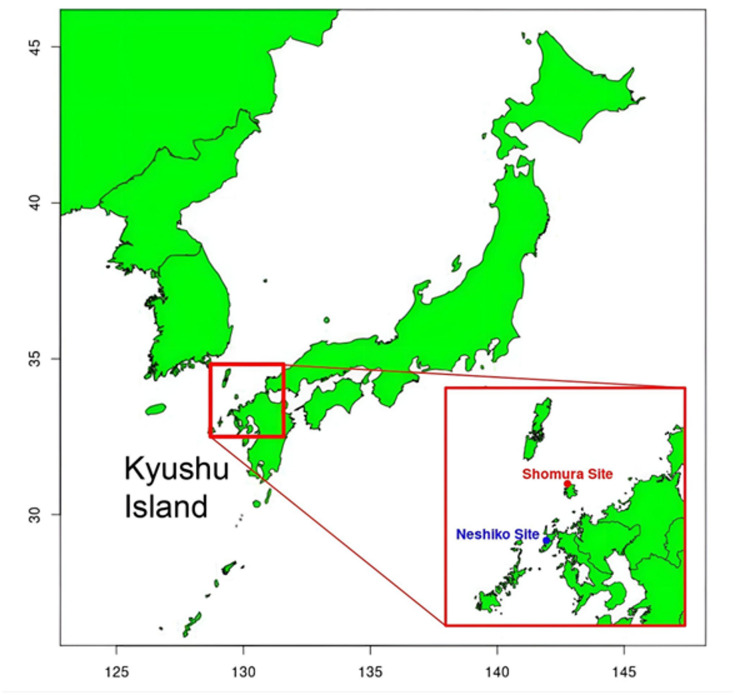 Figure 1
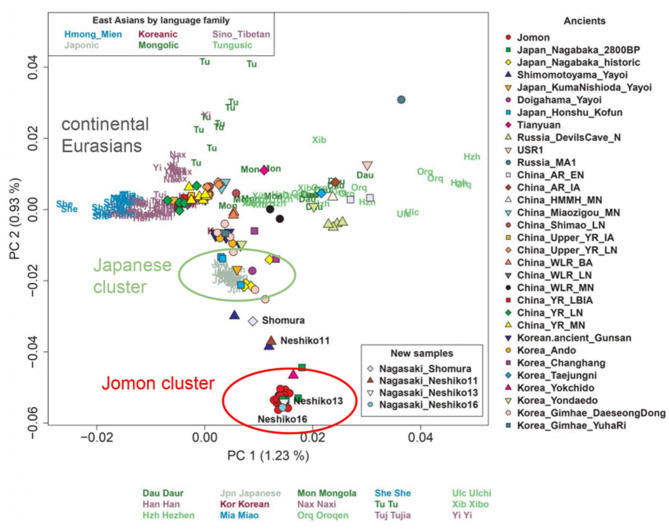 Figure 2
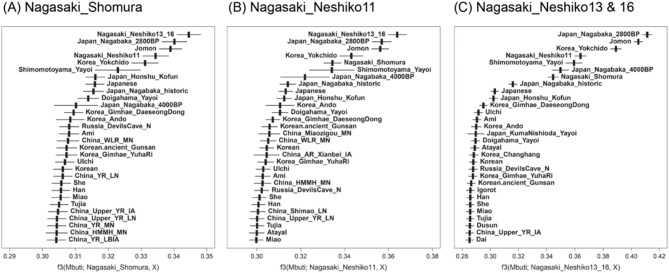 Figure 3
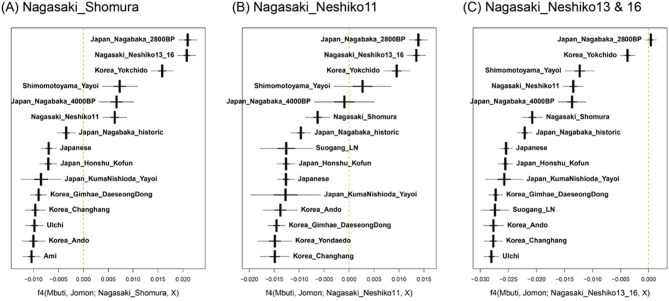 Figure 4
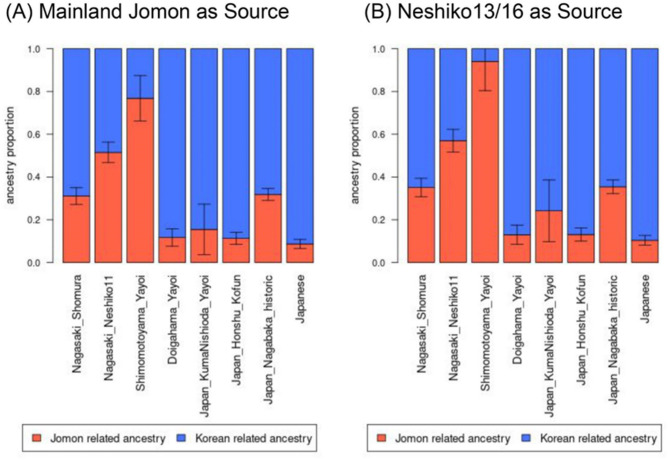 Figure 5
Peer Reviews
No public reviews on file for this paper yet. If you reviewed it on a platform where reviews are public (OpenReview, ICLR, NeurIPS, ICML), you can paste yours below so the community can read it here.
Videos
No videos yet. Explain this paper in a talk, walkthrough, or lecture? Add one.
Taxonomy
TopicsForensic and Genetic Research · Forensic Anthropology and Bioarchaeology Studies · Pleistocene-Era Hominins and Archaeology