Assessment model for multivariable fatigue performance of EA4T axles containing defects: aSchool of mechanical Engineering, Chengdu University, Chengdu 610,106, China
Yan Luo, Gang Li, Chuanqi Qi, Cunhai Li, Yongxu Hu

TL;DR
This study evaluates how surface defects from foreign objects affect the fatigue performance of high-speed train axles and develops a model to predict their fatigue limits.
Contribution
A multivariate fatigue limit prediction model for surface-strengthened EA4T axles with defects is developed using an improved statistical inference method and the El-Haddad framework.
Findings
Fatigue tests and finite element analysis revealed the impact of foreign object damage on stress fields and fatigue limits.
A quantitative relationship between defect depth and fatigue limit was established using exponential fitting.
A prediction model was developed to assess fatigue performance under multi-parameter coupling conditions.
Abstract
This study employed a combined experimental and theoretical approach to investigate the influence of foreign object damage (FOD) on the fatigue limit of surface-strengthened EA4T axles. FOD was introduced on surface-strengthened axle specimens to generate surface defects, and finite element analysis was subsequently performed to evaluate the stress fields in the damaged regions. Fatigue tests were conducted on prefabricated defective specimens to characterize their fatigue behavior. Based on test results, an improved backward statistical inference method was used to fit the fatigue P-S-N curves for each specimen group and derive corresponding fatigue limits. The fatigue limit of full-size damaged axles was estimated by extrapolating from small-scale test results, with due consideration of geometric scale effects on mechanical performance. Considering the stochastic distribution of…
Genes, proteins, chemicals, diseases, species, mutations and cell lines named across the full text — each resolved to its canonical identifier and authoritative record.
Click any figure to enlarge with its caption.
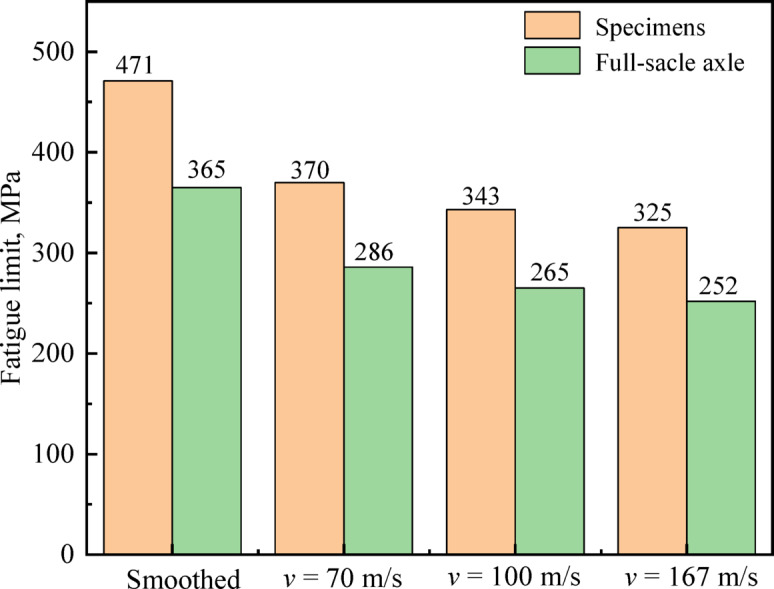 Figure 10
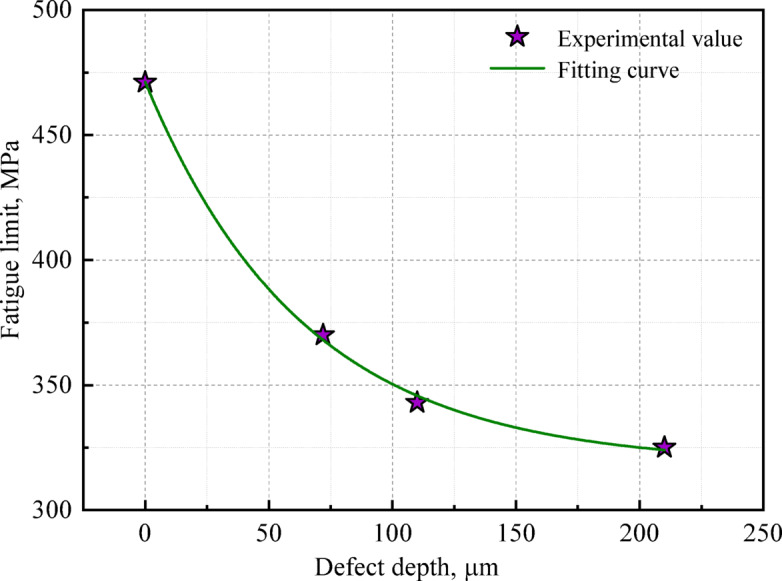 Figure 11
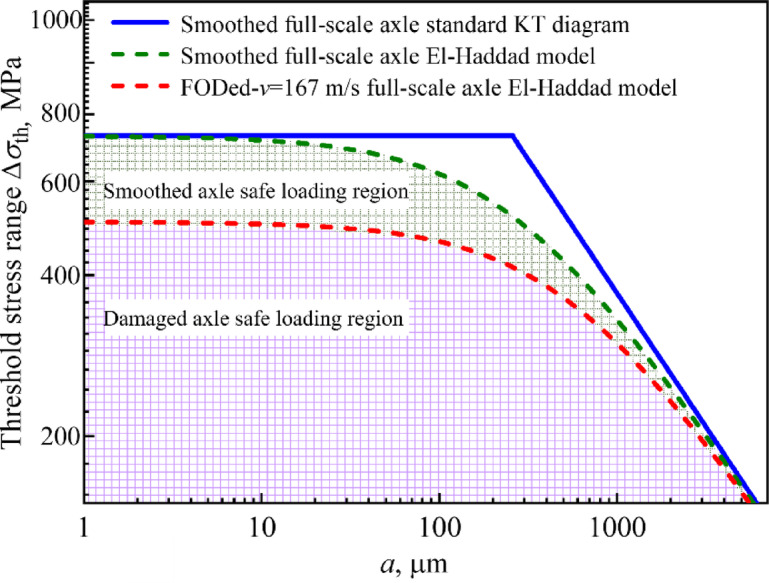 Figure 12
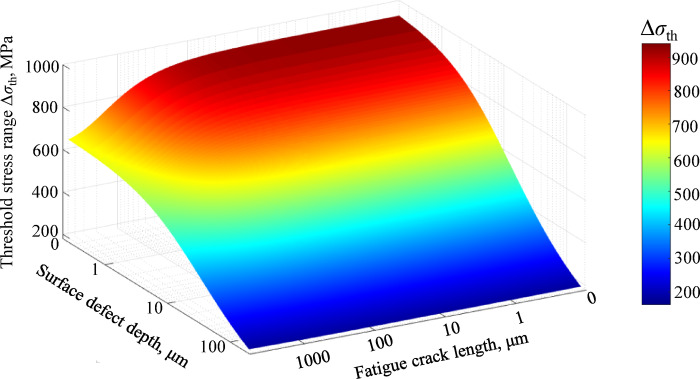 Figure 13
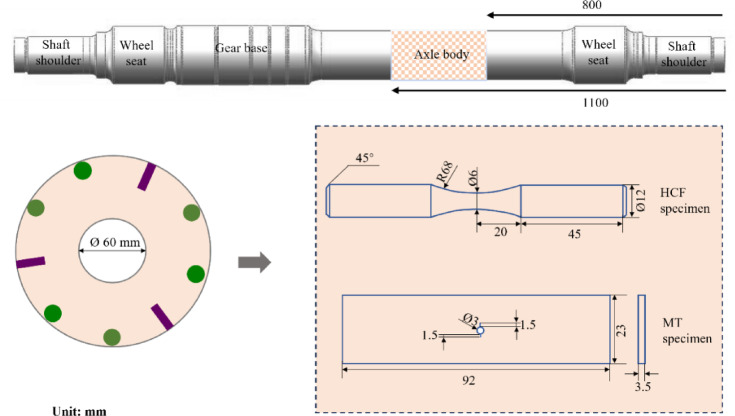 Figure 1
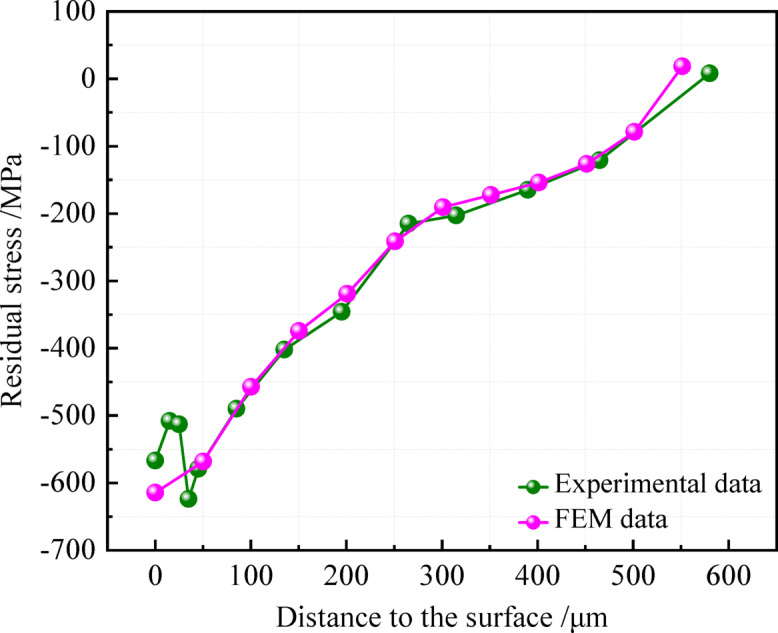 Figure 2
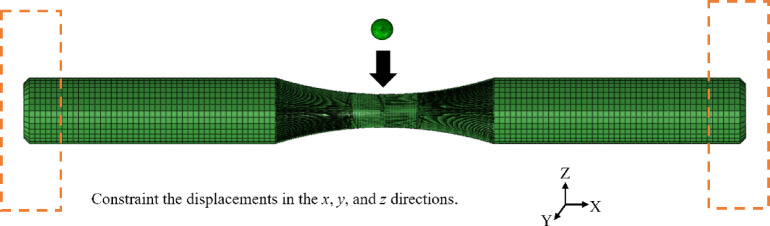 Figure 3
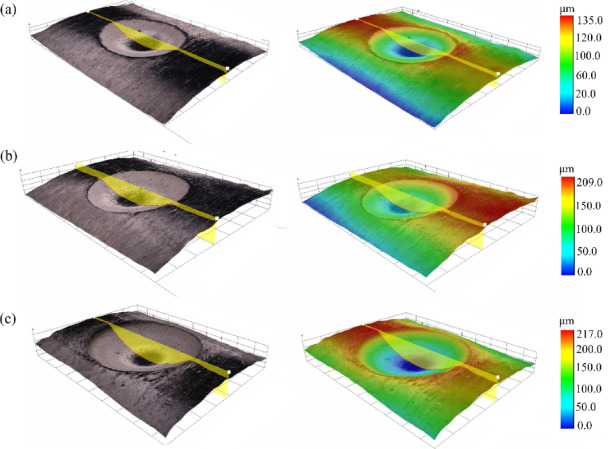 Figure 4
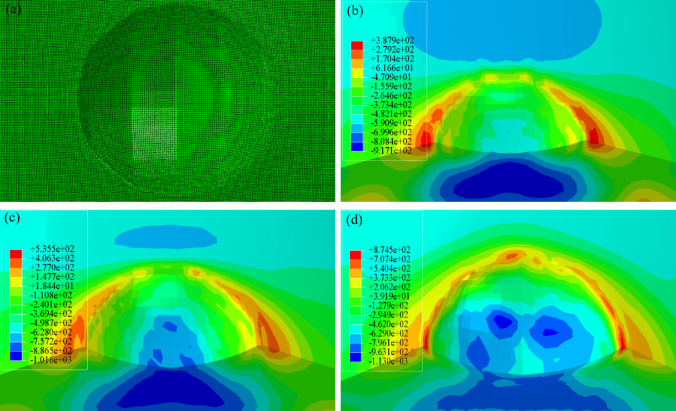 Figure 5
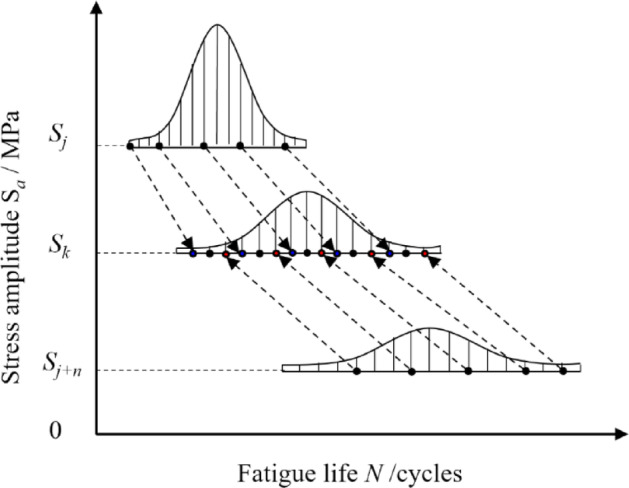 Figure 6
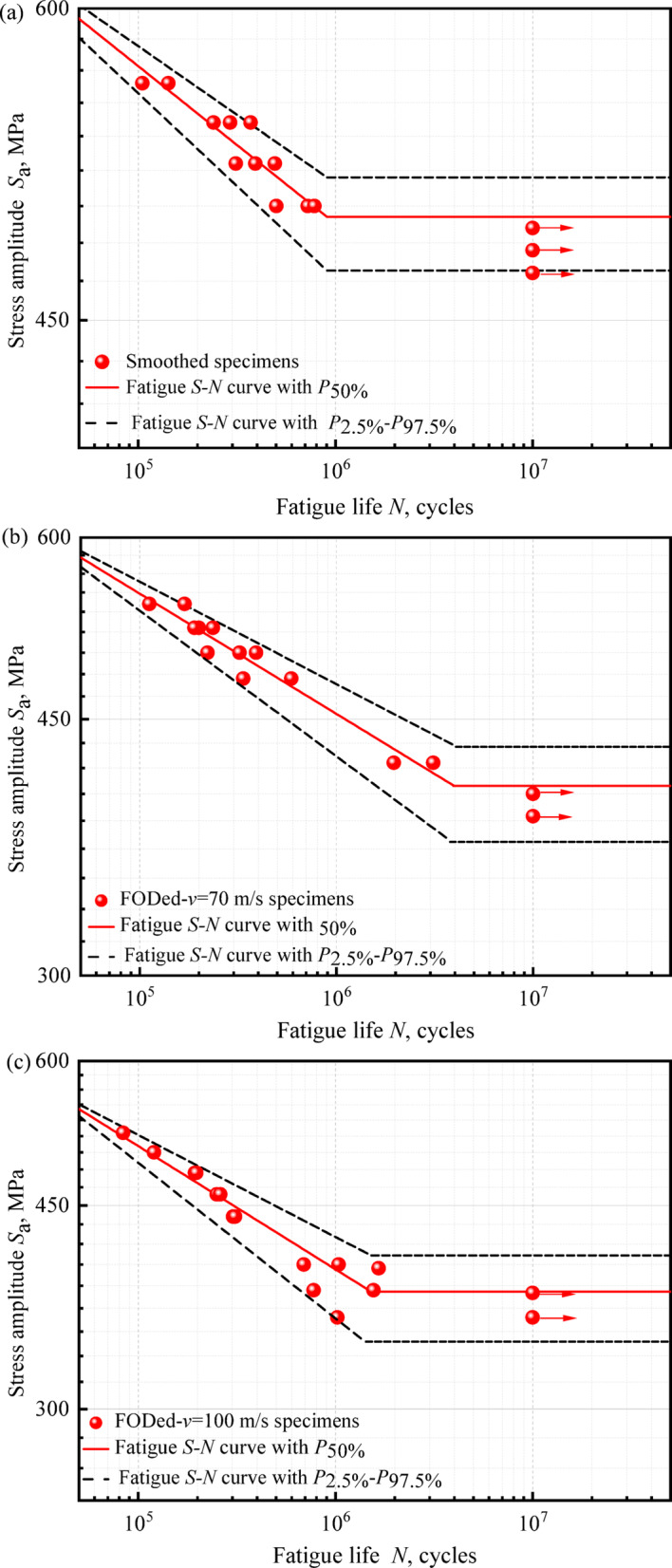 Figure 7
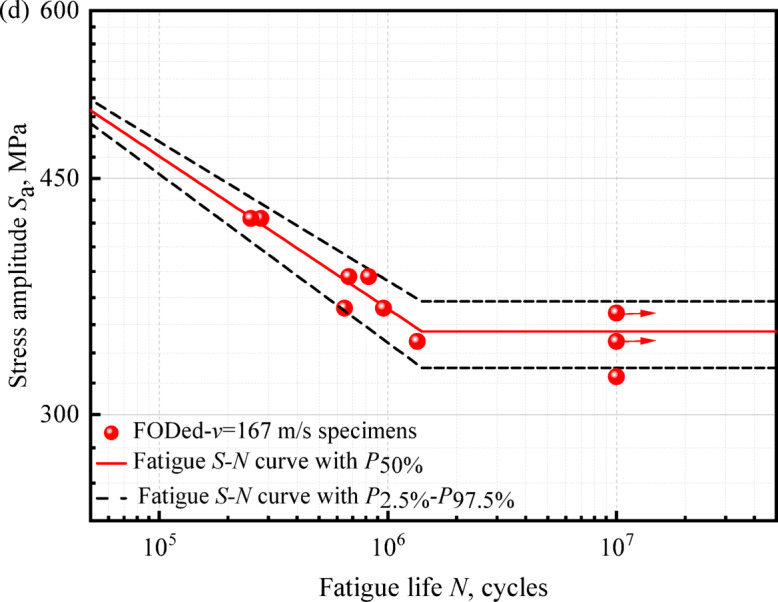 Figure 7
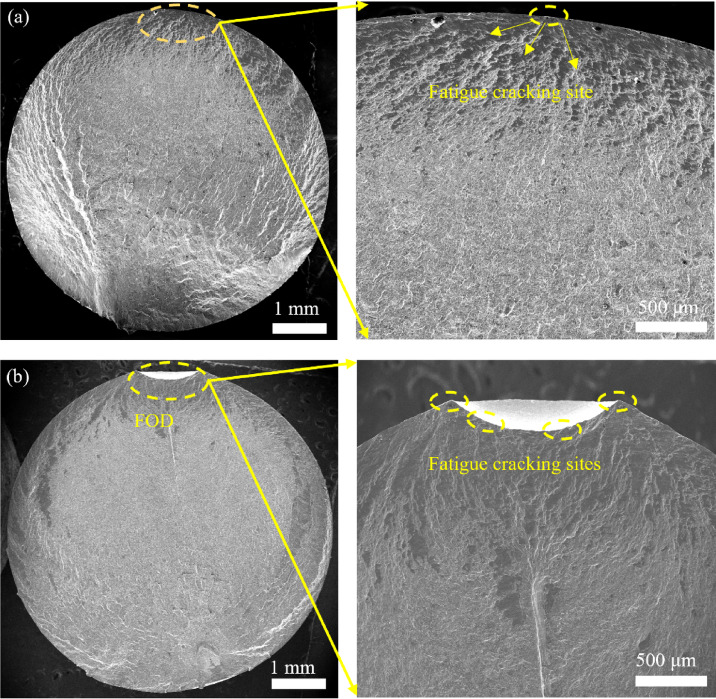 Figure 8
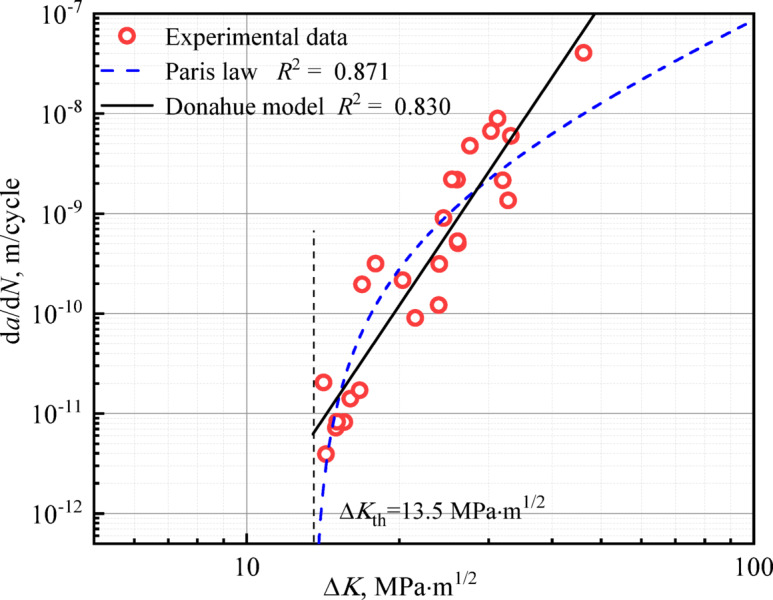 Figure 9
Peer Reviews
No public reviews on file for this paper yet. If you reviewed it on a platform where reviews are public (OpenReview, ICLR, NeurIPS, ICML), you can paste yours below so the community can read it here.
Videos
No videos yet. Explain this paper in a talk, walkthrough, or lecture? Add one.
Taxonomy
TopicsFatigue and fracture mechanics · Mechanical Failure Analysis and Simulation · Mechanical Behavior of Composites