FOXI3 establishes the ectodermal niche in pharyngeal arches for cranial neural crest cells and their lineages
Xin Chen, Siyi Wu, Ying Chen, Chenlong Li, Xingmei Feng, Yaoyao Fu, Yongchang Zhu, Yiyuan Chen, Lin Chen, Run Yang, Ranran Dai, Jing Zhang, Aijuan He, Xin Wang, Duan Ma, Bingtao Hao, Tianyu Zhang, Jing Ma

TL;DR
The study shows that FOXI3 helps create a supportive environment for cranial neural crest cells in the pharyngeal arches, which is important for facial development.
Contribution
The study reveals that FOXI3 establishes an ectodermal niche for cranial neural crest cells and their lineages, which was previously unknown.
Findings
FOXI3 is not directly involved in regulating cranial neural crest cells but is crucial for the ectodermal niche.
FOXI3 deficiency in the ectoderm reduces cytokines like TGF-β1, affecting neural crest cell proliferation.
FOXI3 regulates genes related to translation and cytokine production in epidermal cells.
Abstract
Craniofacial development relies on the migration of cranial neural crest cells (CNCCs) to the first and second pharyngeal arches, followed by their differentiation into various cell types during embryogenesis. Although the CNCC migration has been well-studied, the role of the niche in relation to CNCC remains unclear. Variants in FOXI3 have been implicated in craniofacial microsomia (CFM), yet the molecular mechanisms remain unexplored. FOXI3 is expressed in the ectoderm and auricle epidermis, but not in CNCCs or cartilage. Deletion of Foxi3 in the mouse CNCCs did not disrupt mandible and auricular development, further confirming that FOXI3 does not directly regulate CNCCs. However, Foxi3 deficiency in the ectoderm reduced the production of chondrogenesis-related cytokines derived from ectodermal cells, such as TGF-β1. This impairment affected CNCC proliferation through cell…
Genes, proteins, chemicals, diseases, species, mutations and cell lines named across the full text — each resolved to its canonical identifier and authoritative record.
Click any figure to enlarge with its caption.
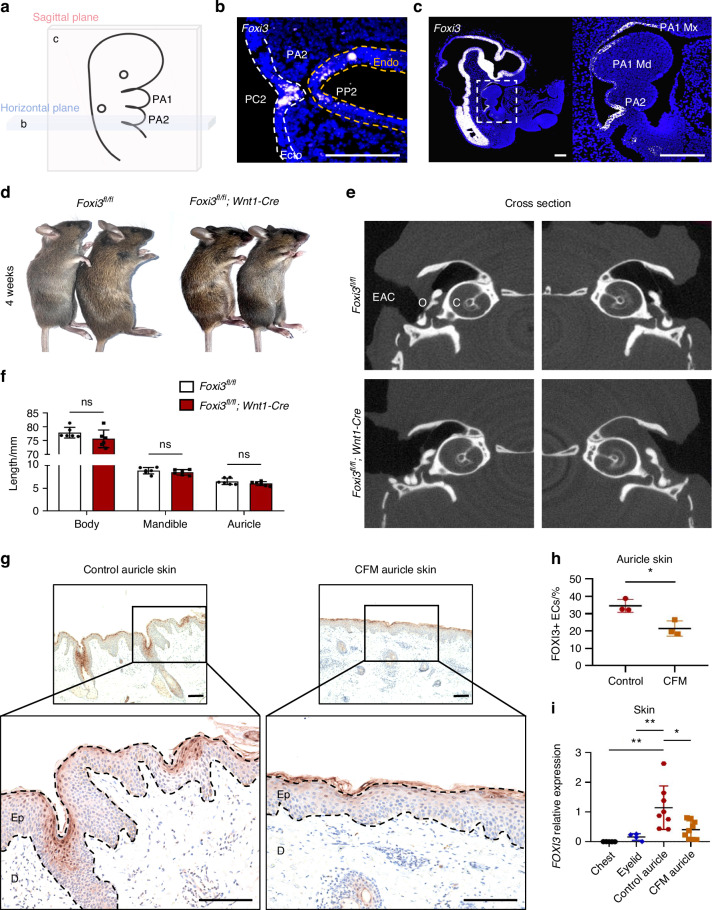 Figure 1
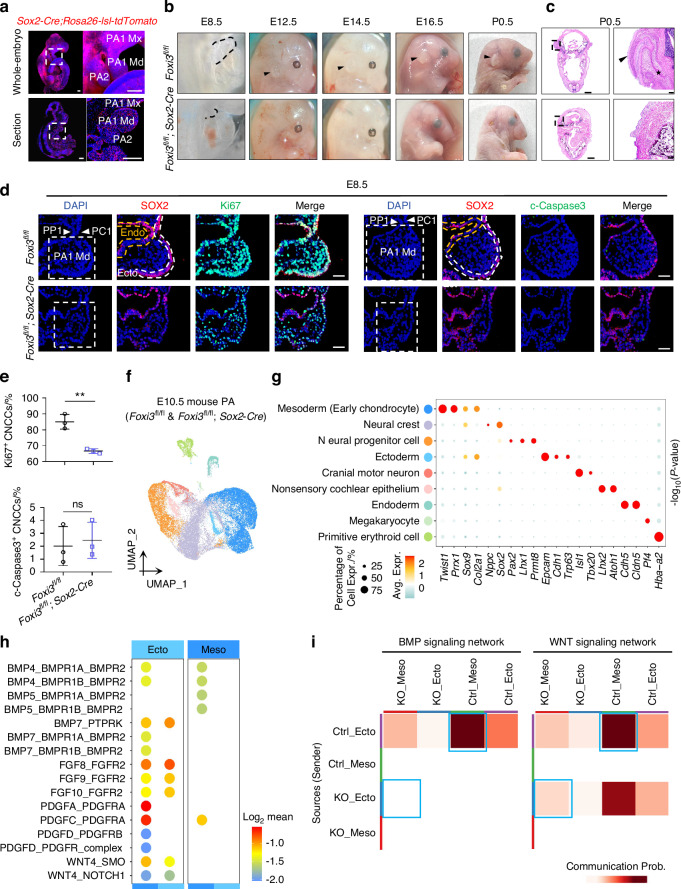 Figure 2
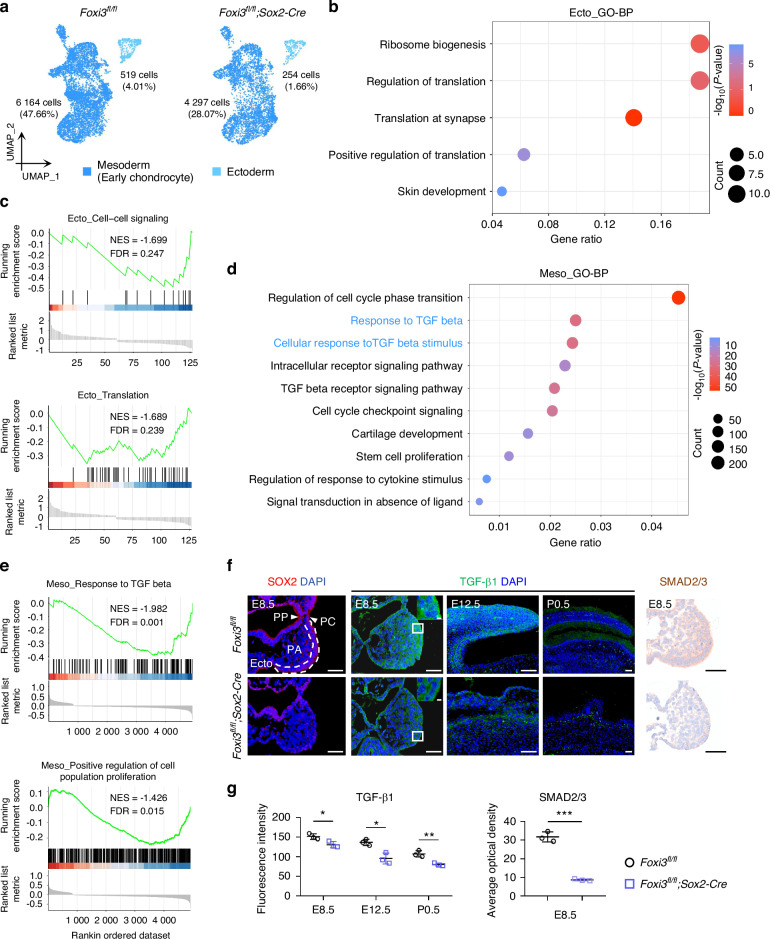 Figure 3
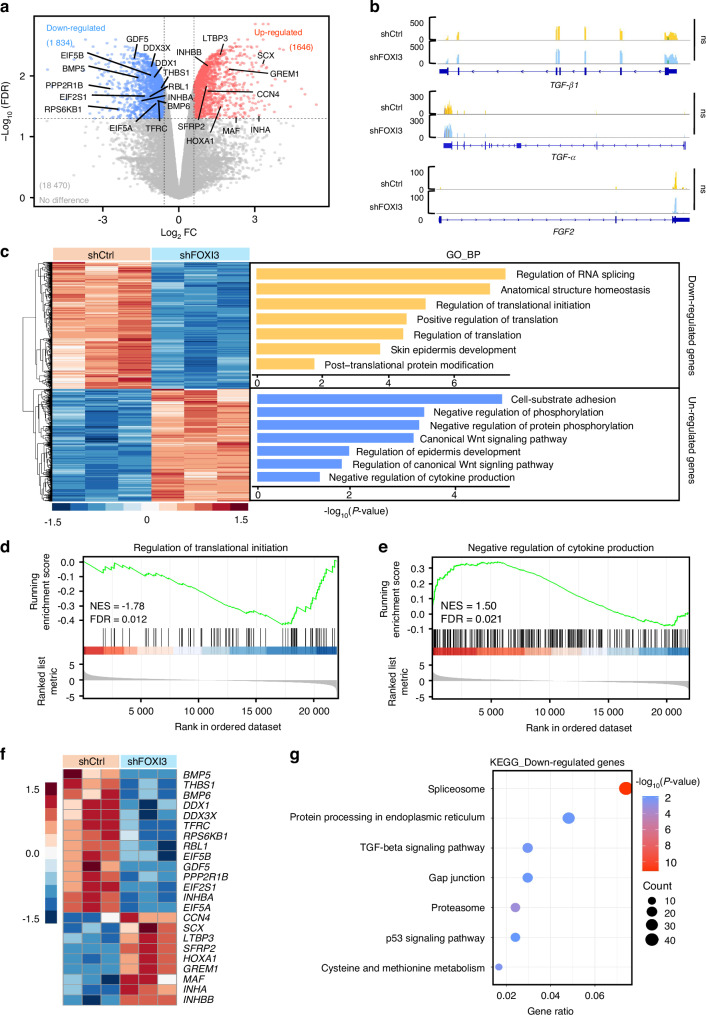 Figure 4
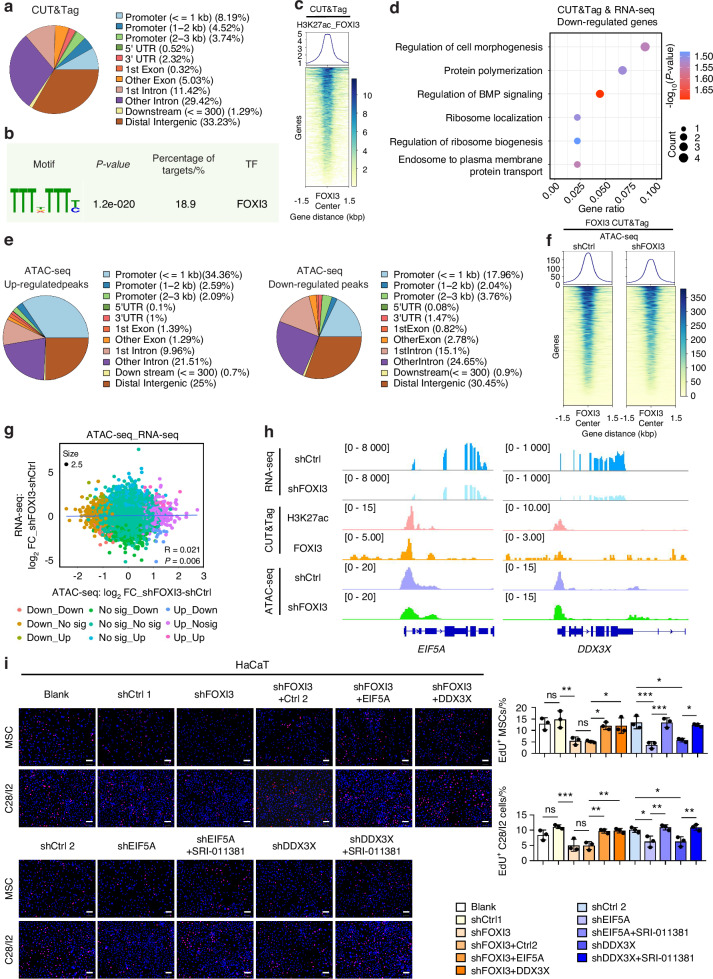 Figure 5
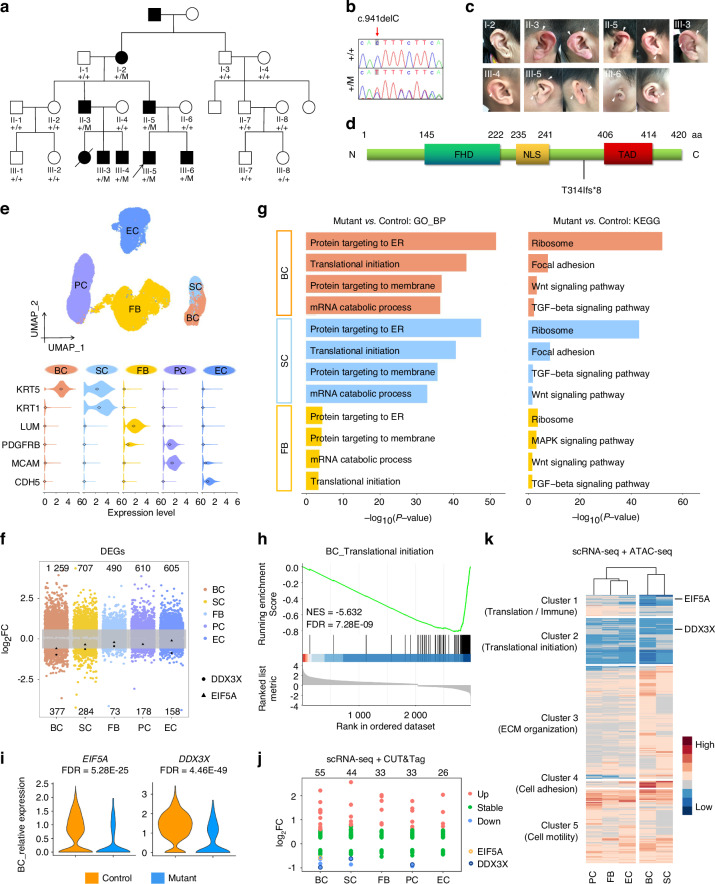 Figure 6
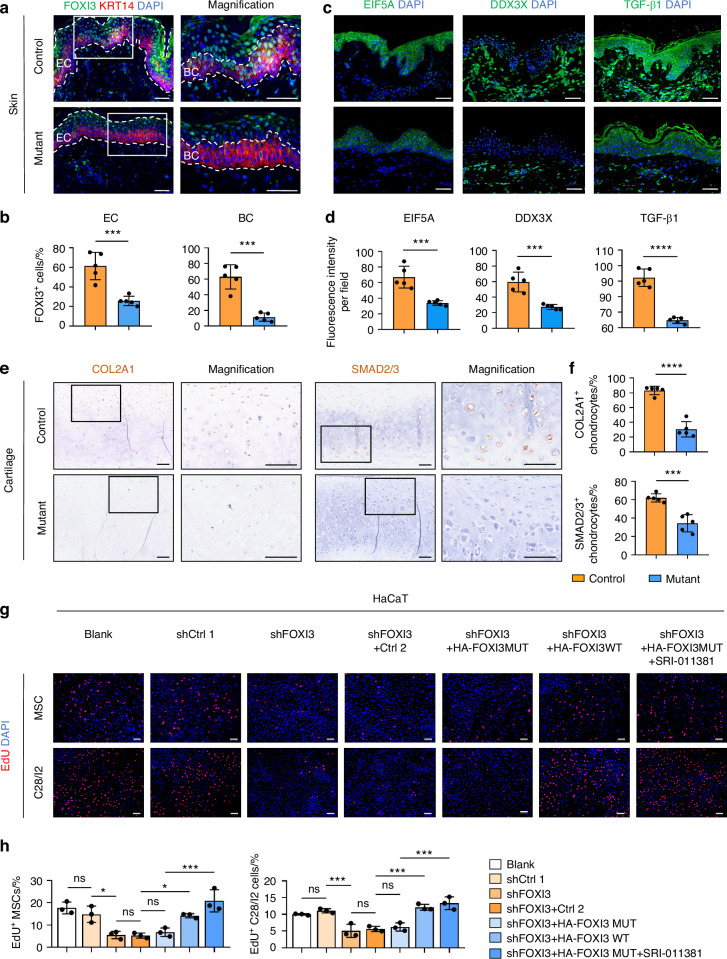 Figure 7
Peer Reviews
No public reviews on file for this paper yet. If you reviewed it on a platform where reviews are public (OpenReview, ICLR, NeurIPS, ICML), you can paste yours below so the community can read it here.
Videos
No videos yet. Explain this paper in a talk, walkthrough, or lecture? Add one.
Taxonomy
TopicsCleft Lip and Palate Research · Craniofacial Disorders and Treatments · Developmental Biology and Gene Regulation