Uniparental analysis of Deep Maniot Greeks reveals genetic continuity from the pre-Medieval era
Leonidas-Romanos Davranoglou, Athanasios Petros Kofinakos, Anargyros D. Mariolis, Göran Runfeldt, Paul Andrew Maier, Michael Sager, Panagiota Soulioti, Theodoros Mariolis-Sapsakos, Alexandros Heraclides

TL;DR
Deep Maniot Greeks show genetic continuity from ancient times, with minimal influence from later migrations, preserving Bronze Age ancestry.
Contribution
The study reveals Bronze Age genetic continuity in Deep Maniots through Y-DNA and mtDNA analysis, highlighting pre-Medieval population structure.
Findings
Deep Maniots have ~80% West Asian haplogroup J-M172 (J2a) paternally, indicating ancient Greek ancestry.
Founder effects in Y-DNA are dated to 380–670 CE, with clan structures emerging around 1350 CE.
Maternal lineages show diverse origins from Balkan, Levantine, and West Eurasian populations.
Abstract
The Deep Maniots, an isolated population at the southernmost tip of mainland Greece, have drawn scholarly interest for their unique dialect, culture, and patrilineal clan structure. Geographically shielded by the Mani Peninsula, they are thought to have been minimally affected by 6th-century CE migrations that transformed Balkan demography. To investigate their genetic origins, we analysed Y-DNA and mtDNA from 102 Deep Maniots using next-generation sequencing. Paternally, Deep Maniots exhibit an exceptional prevalence (~80%) of West Asian haplogroup J-M172 (J2a), with subclade J-L930 accounting for ~50% of lineages. We identify Bronze Age Greek ancestry in Y-haplogroups nearly absent elsewhere, highlighting their longstanding genetic isolation. The absence of northeast European-related paternal lineages, common in other mainland Greeks, suggests preservation of southern Greece’s…
Genes, proteins, chemicals, diseases, species, mutations and cell lines named across the full text — each resolved to its canonical identifier and authoritative record.
Click any figure to enlarge with its caption.
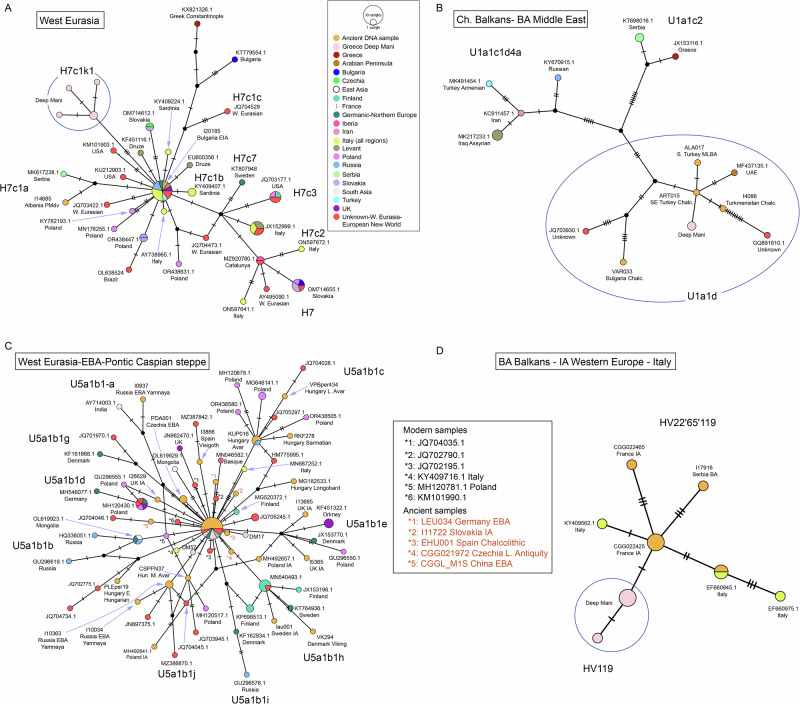 Figure 10
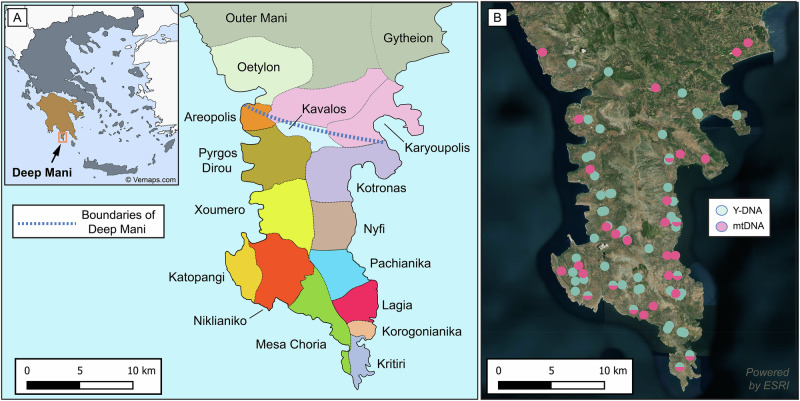 Figure 1
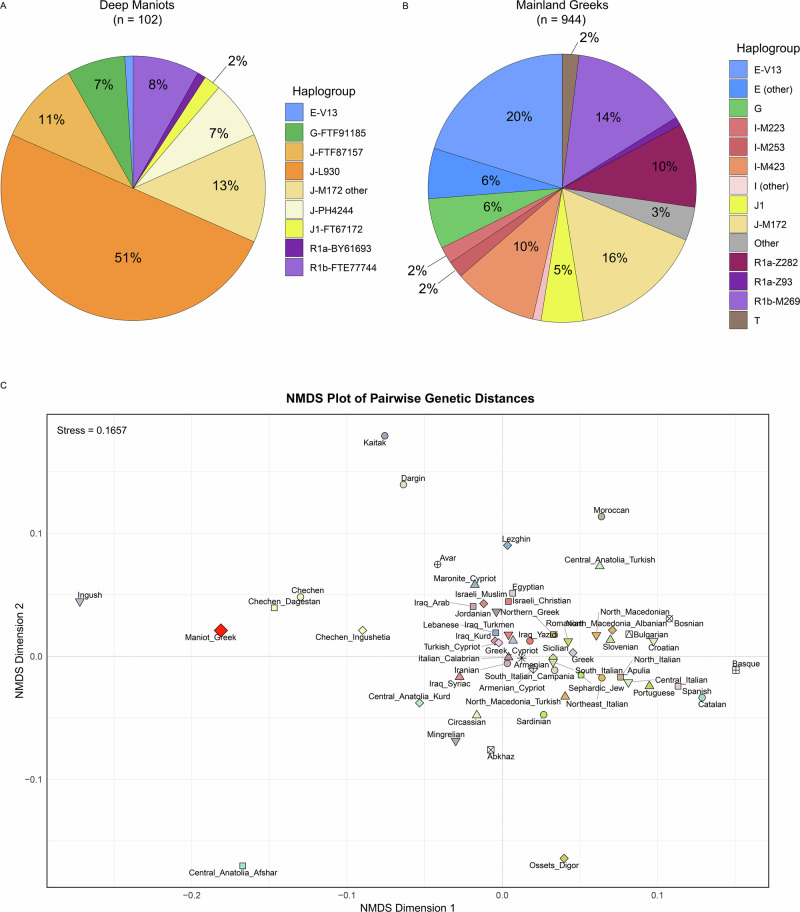 Figure 2
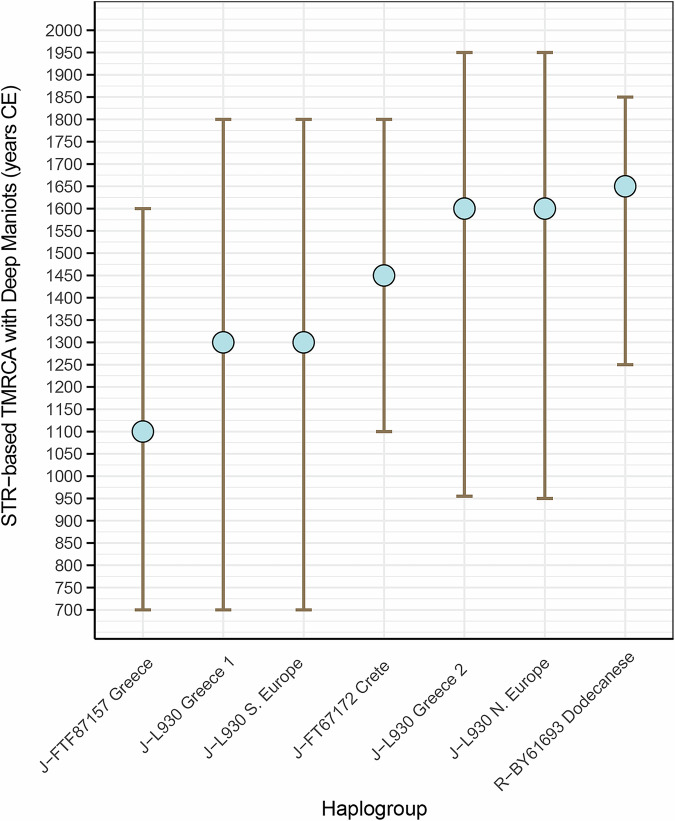 Figure 3
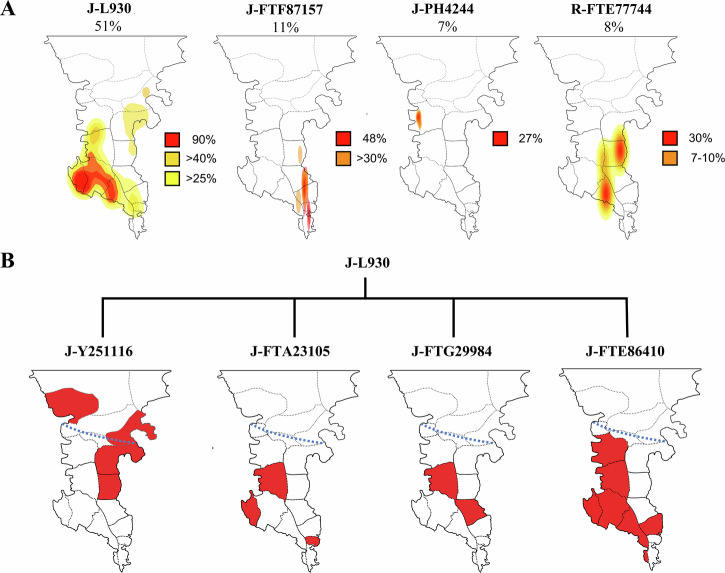 Figure 4
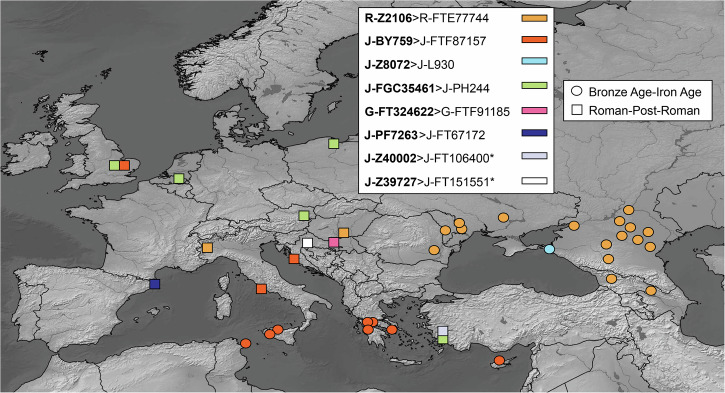 Figure 5
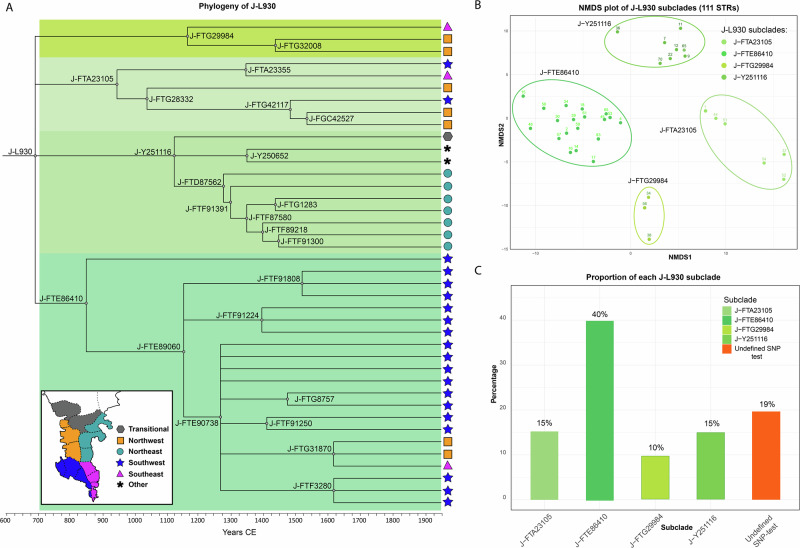 Figure 6
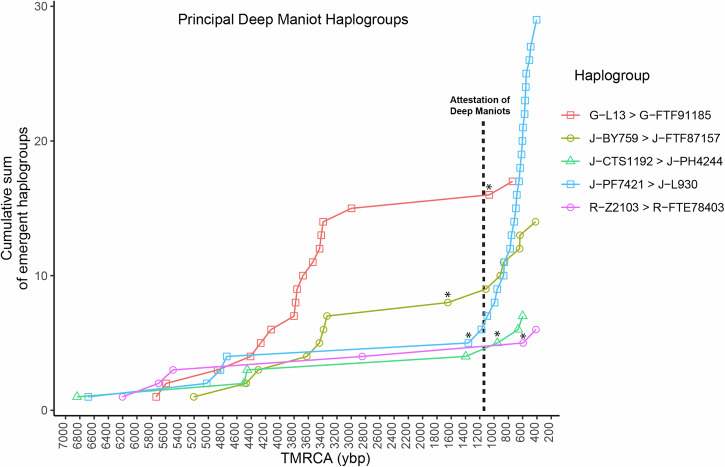 Figure 7
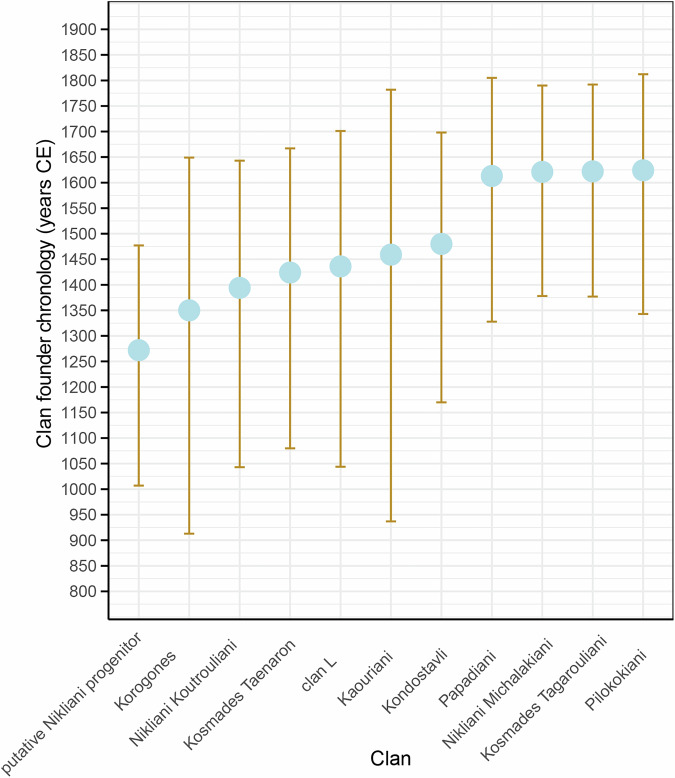 Figure 8
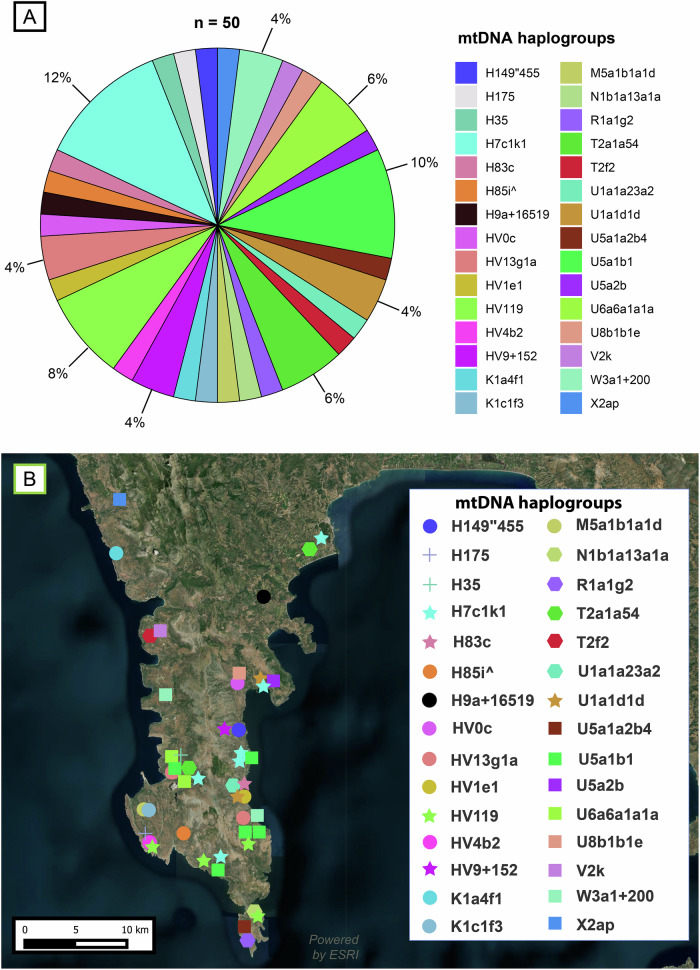 Figure 9
Peer Reviews
No public reviews on file for this paper yet. If you reviewed it on a platform where reviews are public (OpenReview, ICLR, NeurIPS, ICML), you can paste yours below so the community can read it here.
Videos
No videos yet. Explain this paper in a talk, walkthrough, or lecture? Add one.
Taxonomy
TopicsForensic and Genetic Research · Historical, Religious, and Philosophical Studies · Romani and Gypsy Studies