Multi-omics comparison of two emerging storage pests (Necrobia rufipes and Tribolium castaneum) of dried black soldier fly larvae product
Inusa Jacob Ajene, Chrysantus M. Tanga, Komivi S. Akutse, Samantha W. Karanu, Fathiya M. Khamis

TL;DR
This study compares the mitochondrial genomes and gut bacteria of two pests that damage stored black soldier fly larvae, revealing differences in their microbiomes and potential health risks.
Contribution
The paper provides the first comparative multi-omics analysis of T. castaneum and N. rufipes, highlighting their gut microbiome diversity and potential clinical risks.
Findings
T. castaneum had 78% more phyla in its gut microbiome compared to N. rufipes.
Staphylococcus and Streptococcus were dominant in T. castaneum, while Klebsiella and Synechococcus were dominant in N. rufipes.
Both pests harbored the potentially harmful genus Stenotrophomonas maltophilia in their gut microbiomes.
Abstract
The black soldier fly (BSF) larvae is a rich and promising source of alternative protein that continues to increasingly gain global traction as a functional ingredient for sustainable livestock and fish production. The key setback to postharvest processing of stored BSF larvae (BSFL) products is the significant damage caused by two notable storage pests (Tribolium castaneum and Necrobia rufipes). Here, we present a comparative analysis of the complete mitochondrial genomes and gut microbiome profiles of T. castaneum and N. rufipes. The study mitogenomes were similar in size and structure to other coleopteran mitogenomes. The gut microbiome profiles of the two pests showed a high abundance of bacteria in the Proteobacteria and Firmicutes phyla. However, T. castaneum had 78% more phyla represented within its microbiome than N. rufipes. The most abundant genera in T. castaneum were…
Genes, proteins, chemicals, diseases, species, mutations and cell lines named across the full text — each resolved to its canonical identifier and authoritative record.
Click any figure to enlarge with its caption.
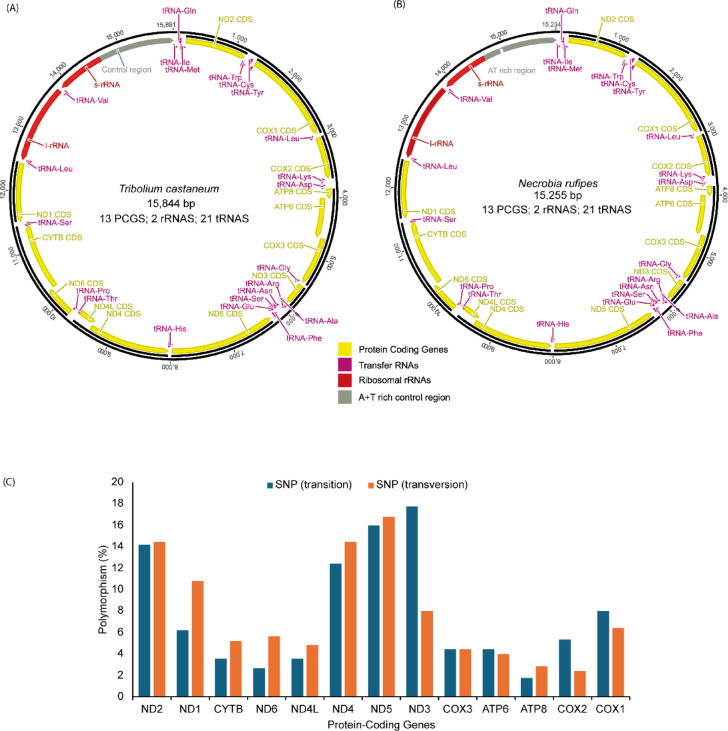 Figure 1
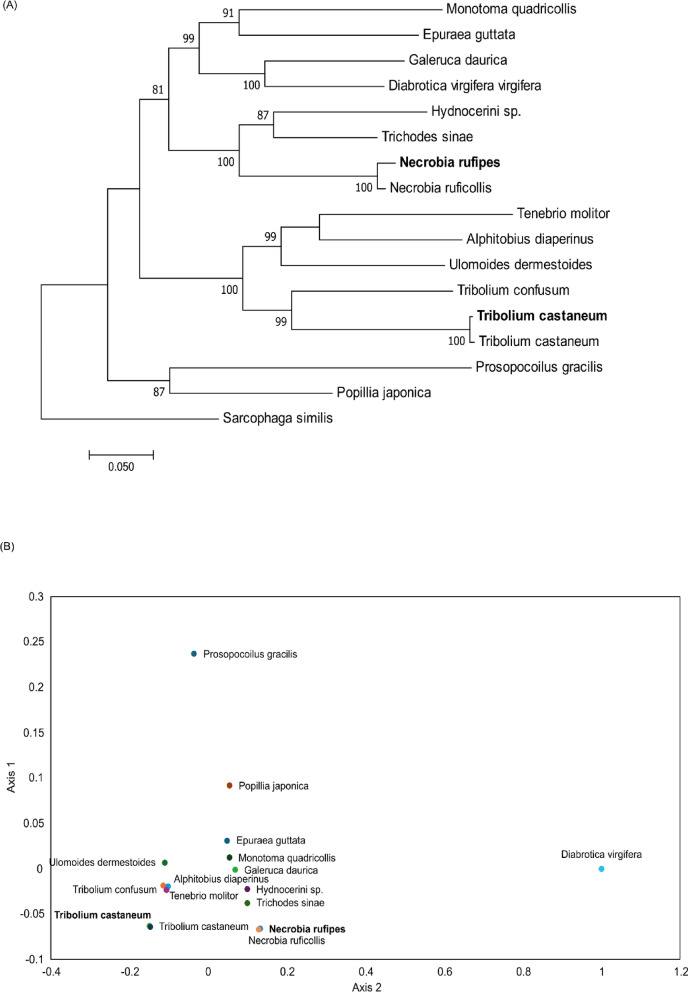 Figure 2
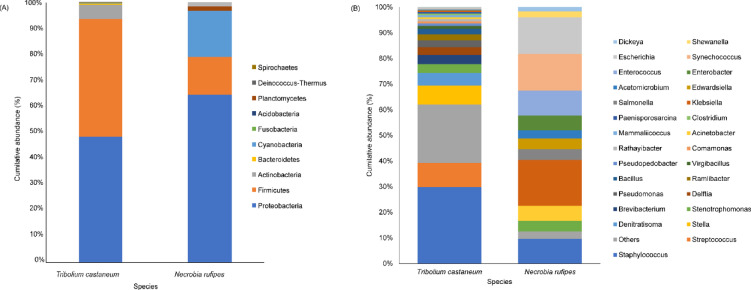 Figure 3
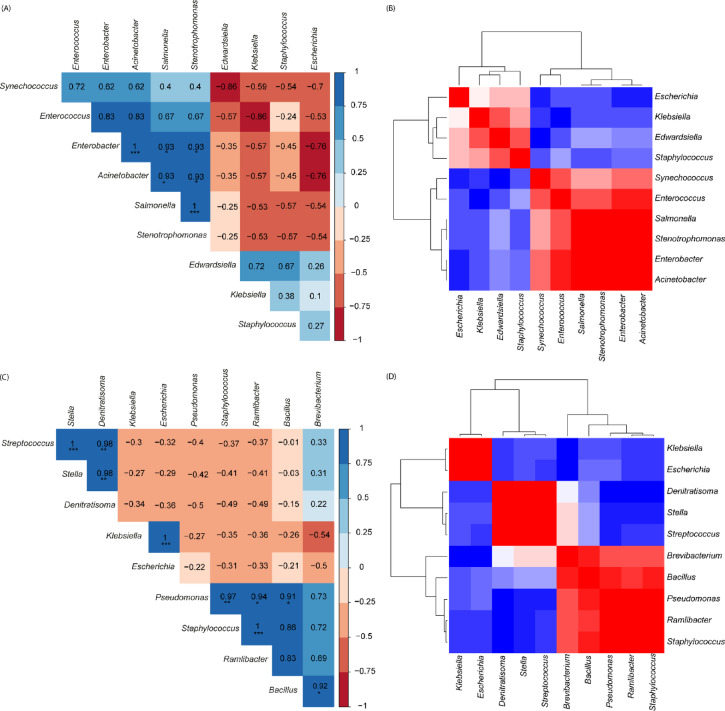 Figure 4
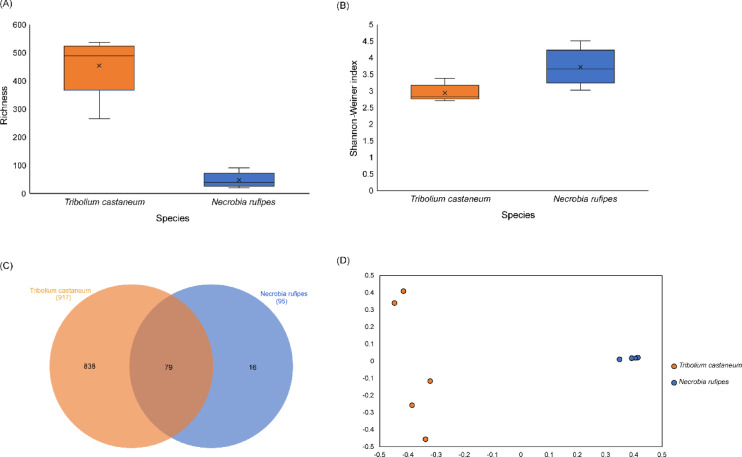 Figure 5
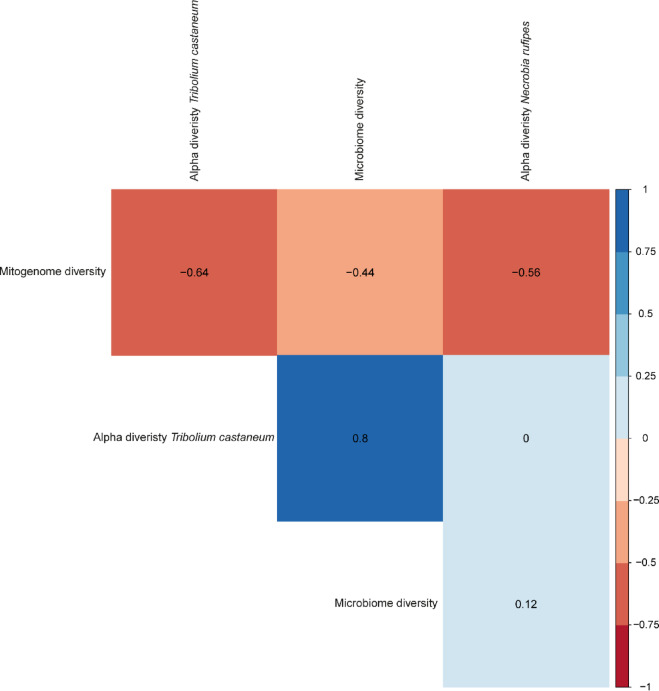 Figure 6
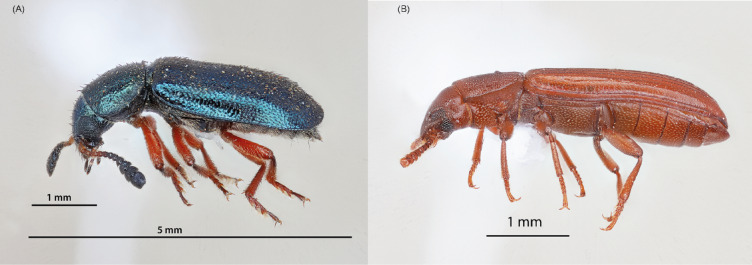 Figure 7
Peer Reviews
No public reviews on file for this paper yet. If you reviewed it on a platform where reviews are public (OpenReview, ICLR, NeurIPS, ICML), you can paste yours below so the community can read it here.
Videos
No videos yet. Explain this paper in a talk, walkthrough, or lecture? Add one.
Taxonomy
TopicsInsect Utilization and Effects · Forensic Entomology and Diptera Studies · Insect Pest Control Strategies