Histamine H3 Receptor as a target for alcohol use disorder: challenging the predictability of animal models for clinical translation in drug development
Bernard Le Foll, Mickael Naassila, Jérôme Jeanblanc, Christian S. Hendershot, Jesus Chavarria, Thierry Calmels, Stéphane Krief, Isabelle Berrebi-Bertrand, Marilyne Uguen, David Perrin, Xavier Ligneau, Isabelle Boileau, Pablo M. Rusjan, Patricia Di Ciano, Pamela Sabioni

TL;DR
This paper discusses the development and clinical testing of BP1.3656B, a drug targeting the histamine H3 receptor for alcohol use disorder, highlighting the challenges in translating preclinical results to human trials.
Contribution
The study introduces BP1.3656B as a novel histamine H3 receptor antagonist and evaluates its clinical translation challenges in treating AUD.
Findings
BP1.3656B showed high brain occupancy and good pharmacokinetics in humans.
The drug had no effect on alcohol self-administration in non-treatment seekers or on heavy drinking days in treatment-seekers.
The results emphasize the importance of Phase IIa human laboratory studies for de-risking drug targets for AUD.
Abstract
There is an important need to advance medication development for alcohol use disorder (AUD). BP1.3656B, a highly potent and selective histamine H3 receptor inverse agonist/antagonist, has been developed. Preclinical studies revealed high affinity, good pharmacokinetic profile, good brain penetration, and favorable safety. BP1.3656B reduced alcohol drinking and alcohol-seeking behavior in rodents. Phase I studies revealed good tolerability/pharmacokinetic in humans. Positron emission tomography revealed high brain occupancy in humans. Based on this favorable profile, two trials were conducted in subjects with AUD. In non-treatment seekers, BP1.3656B had no impact on intravenous alcohol self-administration (IV-ASA). A randomized clinical trial testing three doses of BP1.3656B versus placebo in treatment-seekers with AUD showed no reduction of heavy drinking days. Collective results…
Genes, proteins, chemicals, diseases, species, mutations and cell lines named across the full text — each resolved to its canonical identifier and authoritative record.
Click any figure to enlarge with its caption.
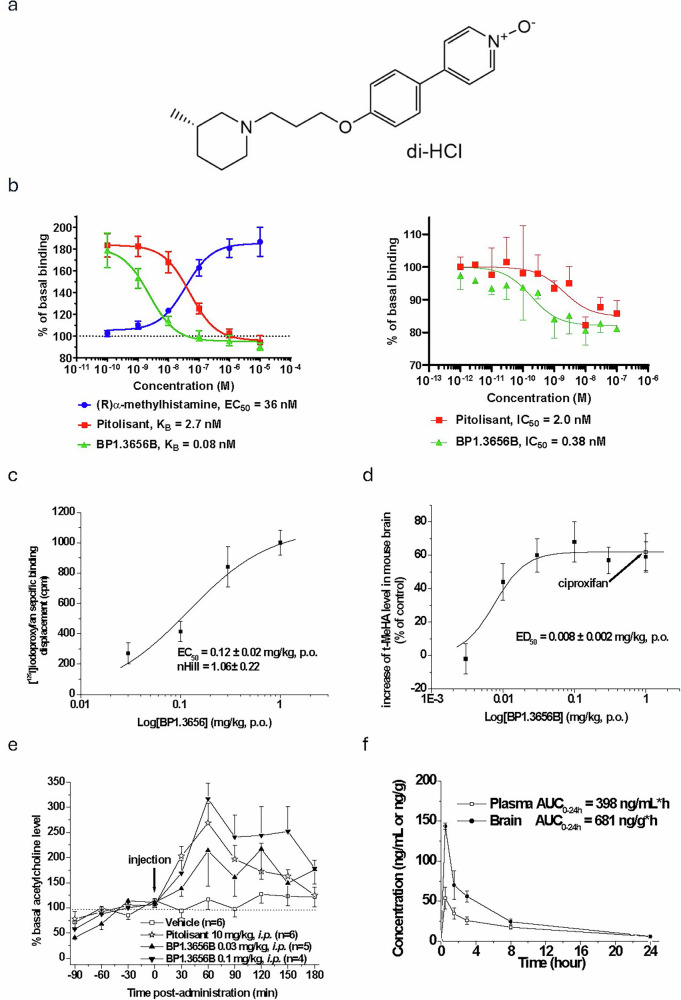 Figure 1
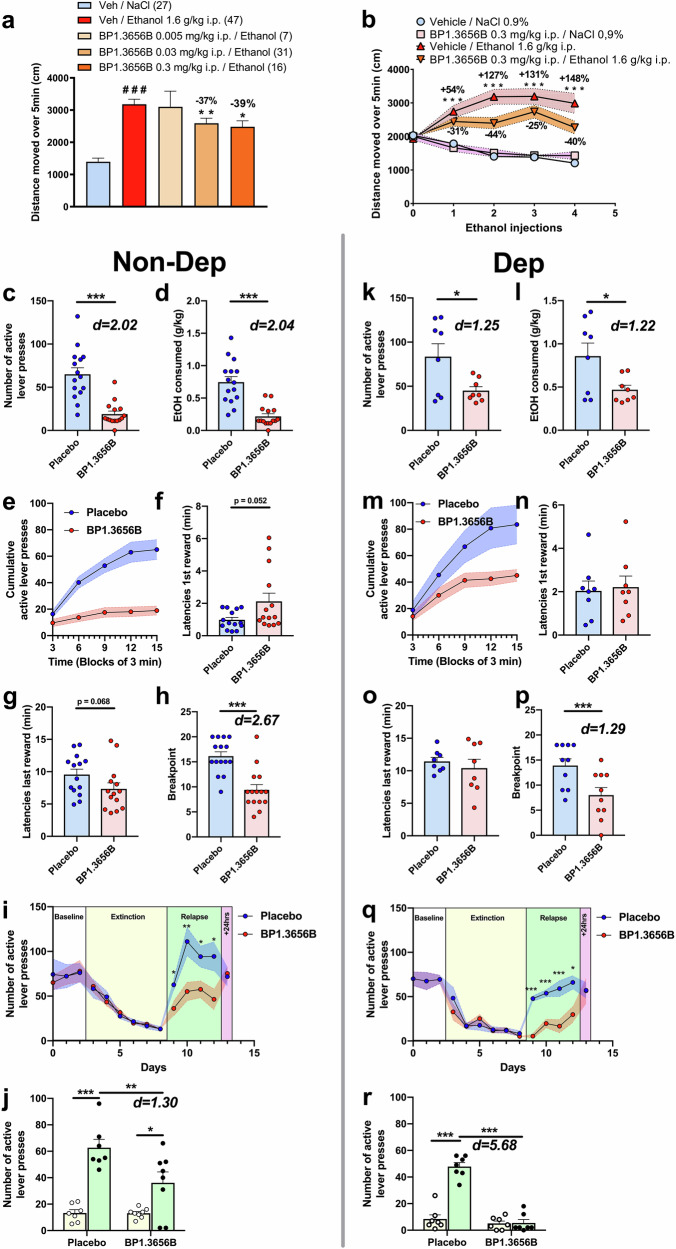 Figure 2
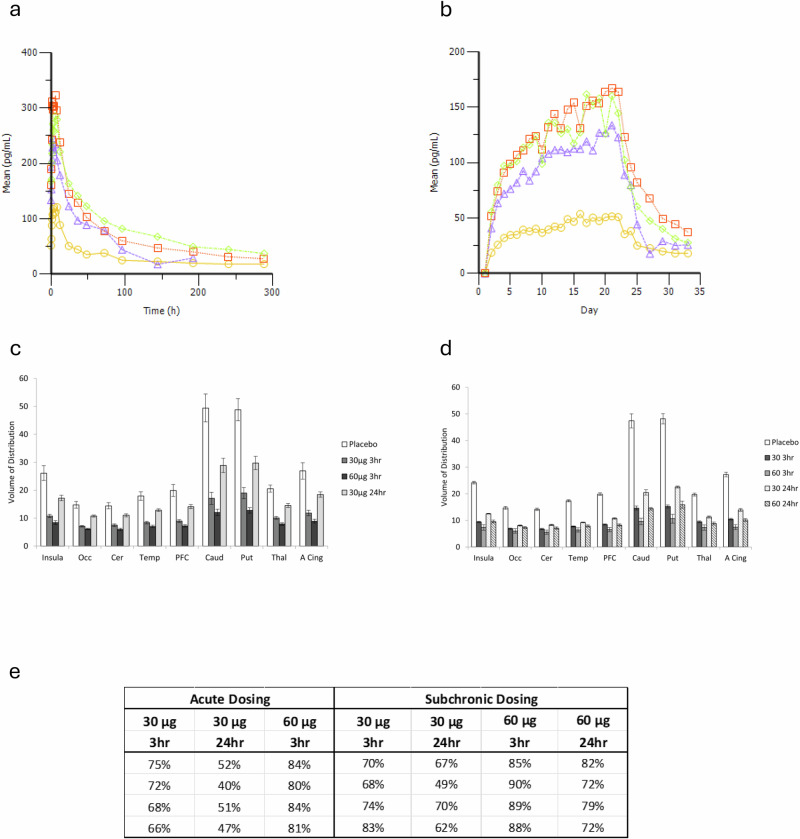 Figure 3
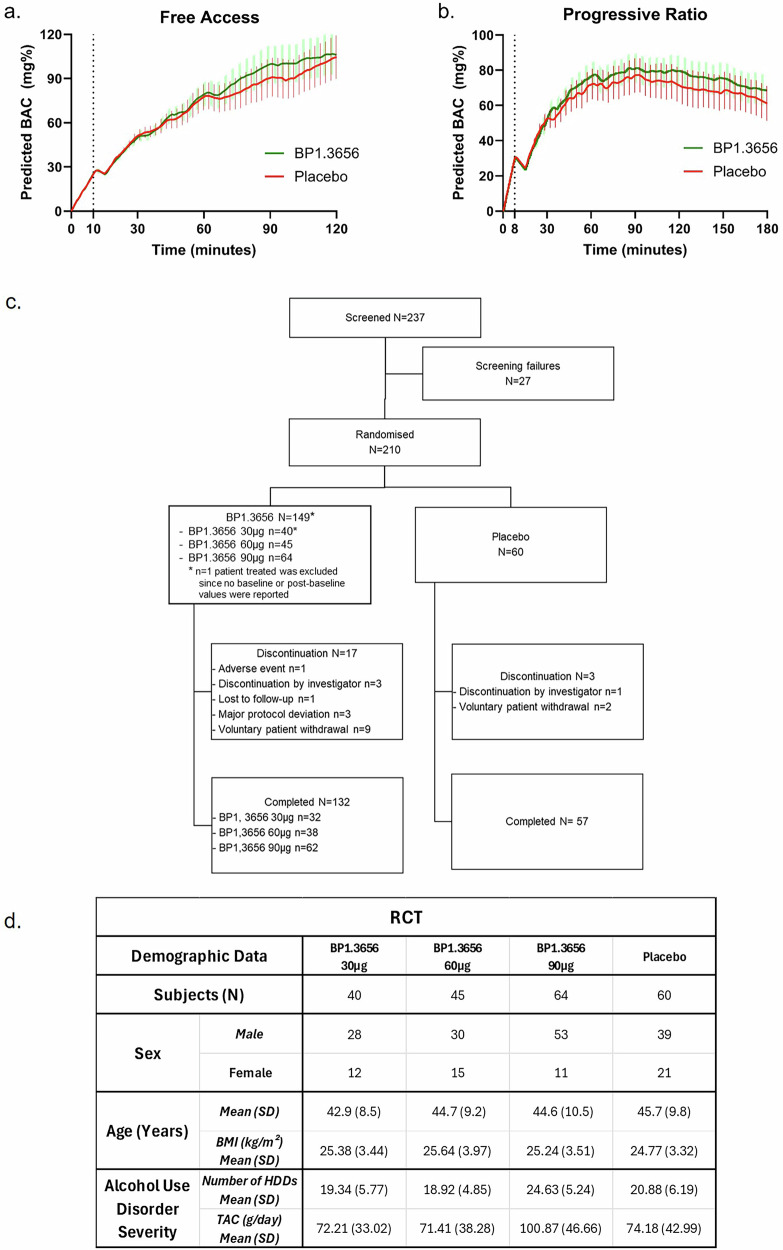 Figure 4
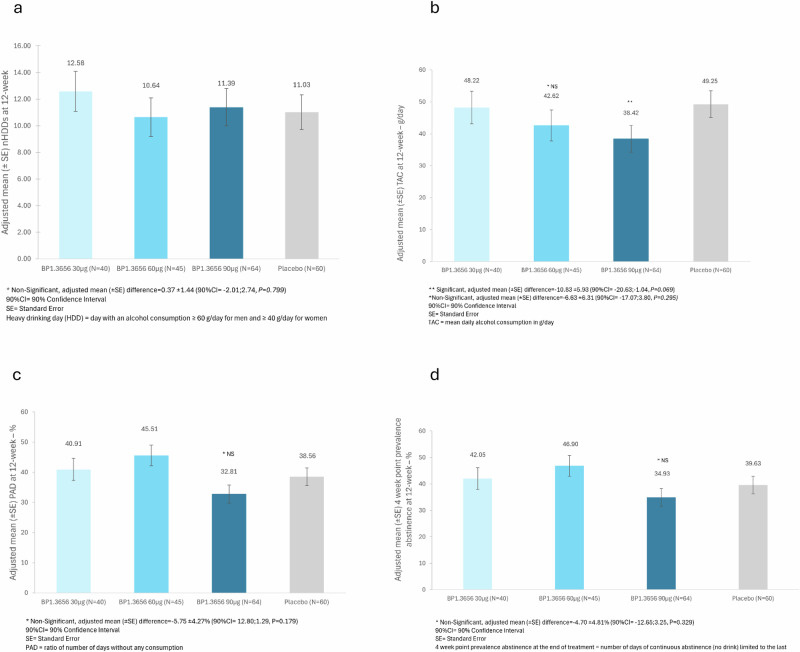 Figure 5
Peer Reviews
No public reviews on file for this paper yet. If you reviewed it on a platform where reviews are public (OpenReview, ICLR, NeurIPS, ICML), you can paste yours below so the community can read it here.
Videos
No videos yet. Explain this paper in a talk, walkthrough, or lecture? Add one.
Taxonomy
TopicsMast cells and histamine · Neurotransmitter Receptor Influence on Behavior · Nicotinic Acetylcholine Receptors Study